Climate change is not only an environmental problem; it is a social issue. Climate Justice recognizes that different communities feel the effects of climate change differently; however, the impacts of climate change are not felt equally. Low-income communities, Indigenous communities, people of colour, people with disabilities, seniors, women and children can all be susceptible to the risks caused by climate change. Climate justice is about equality so that everyone has equal access to basic needs such as clean air, food, shelter and clean water. Fighting climate change and its adverse impacts on our social, economic, and health is urgent, which is why teaching students about climate justice is so important.


As climate change is only becoming more of an issue over time, educators need to introduce both the topics of climate change and climate justice into their classrooms. By teaching students about climate justice, educators are giving them the information they need on social issues to make informed decisions regarding climate change in the future.


Grades K-2

What in the World is Happening to Our Climate?

From the tropics to the poles, the Earth is changing and the GLOBE Kids get a front-row seat! In this story, students will explore how human activities contribute to climate change and how these changes affect different parts of the world. By the end of this module, students will be able to describe and report on the weather, understand how rising sea levels impact coastal communities, and brainstorm practical ways to reduce our carbon footprint.


Activities

Grades 3-5

Community Conversations for Climate Change

Students will explore the concept of climate change and develop an understanding of how it impacts their local environment. They will then engage in intergenerational conversations with community guests representing different age groups to learn about changes that have occurred in their area over time. Through these discussions, students will gain insight into how environmental shifts have affected daily life—particularly for older community members—and reflect on how climate change influences their own lives today.


Activities

  • Use these worksheets to guide students in exploring the question What is Social Justice? and to help them begin thinking about fairness, equality, and community responsibility
  • Social Justice: Examining Privilege with a Recycling Bin is a hands-on activity to promote discussions and reflections on the social justice issue in your classroom
  • Climate Justice is a role-playing game where students discover the inequalities that exist between countries with respect to wealth and greenhouse gas emissions and helps them realize that vulnerability to climate change is not the same for all countries

Grades 6-8

Stories of Climate Change

This resource focuses on climate justice, climate resilience, and climate adaptation. Through engaging activities and real-life case studies, students explore how climate change affects people around the world particularly those living in poverty. It highlights that people in vulnerable communities are often the most affected by climate-related challenges due to limited resources and support systems. The activities and stories encourage students to reflect on the human impact of climate change, fostering empathy, critical thinking, and a sense of global responsibility.


Activities

  • Watch Climate Change and Children; after viewing, have students brainstorm how children are affected by climate change. Discuss why the most vulnerable children can be more at risk to the effects of climate change
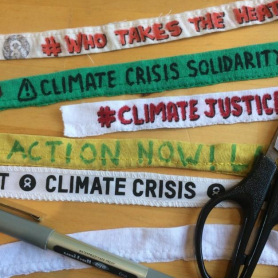
  • Make a wristband to show solidarity with those most impacted by the climate crisis (p.11)
  • Environmental Justice for All has students propose actions to resolve various scenarios and then research issues related to environmental justice


Grades 9-12

Climate Justice in the Canadian Arctic

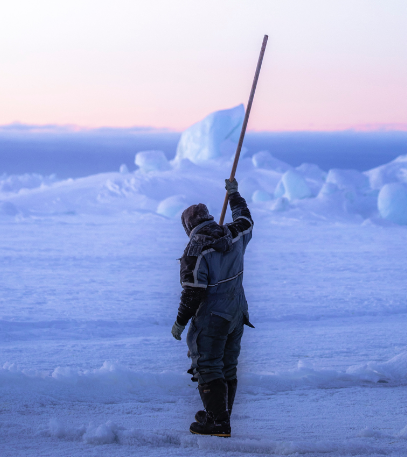
In this resource, students engage in guided conversations and inquiry to explore how climate change is disproportionately affecting the livelihoods of the Inuit in the Arctic. Students will examine the broader impacts of climate change on Indigenous Peoples, considering social, cultural, and environmental dimensions. Through reflection and discussion, students will identify ways to take action and support Indigenous communities in adapting to and addressing the unequal effects of climate change.


Activities

  • View the Introduction to Climate Justice? video. Discuss examples of places and populations that are the most vulnerable to climate change? Have students write their own definition of climate justice and create a similar video to share with their peers
  • Stories from the Climate Crisis: A Mixer – this role-play activity introduces students to 22 individuals worldwide, each affected differently by climate change. Students meet one another in character and learn about the impact of climate change in their lives and how each is responding
  • Explore Art for Climate Justice, where artists share their perspectives on climate change. Create your piece of art and message regarding climate justice

About Learning Inside Out


Above you will find a selection of activities, broken down by various grade levels. These guides will be released biweekly and archived on our Learning Inside Out page, so you can always access the full catalogue.


Some of the activities have been modified from resources on our R4R database, simplified and adapted for both outdoor learning in the school yard or at-home as needed. The activity descriptions above should contain all the information and links that you need!


If you'd like to view the full original resource on R4R, including curriculum connections for every province/territory, click the activity title.


We want this guide to work for you, so your feedback is invaluable to us.

Use the feedback button at the bottom of this Guide, or email us at info@LSF-LST.ca. We would also love to see photos of students engaging in the activities, please e-mail us any pictures or videos you have!


Follow us on social media for continued weekly highlights & other exciting opportunities through the school year!

Facebook  Twitter  Instagram  Linkedin  

Please share widely with any parents and teachers in your life!

Learning for a Sustainable Future (LSF) is a Canadian charity with over 25 years of experience working within the education system. Our Resources for Rethinking (R4R) database is an award-winning collection of resources that are peer-reviewed by certified teachers and connected to curriculum in all provinces and territories. R4R is recommended on many Ministry of Education websites.