This week's LIO is all about UN SDG 11: Sustainable Cities and Communities. In a world of increasing urbanization and carbon emissions, this SDG focuses on creating cities and communities that are safe, sustainable, resilient, and inclusive for all. Rapid urbanization has caused urban cities to account for 75% of global carbon emissions and anywhere from 60-80% of our world's energy consumption - even through cities occupy just 3% of Earth's land! Only half of the world's urban population has access to convenient public transportation. By 2050, 70% of the world's population is predicted to live in urban settlements!


As we look towards building a more sustainable and resilient future for our planet, it is now more important than ever to reimagine how we build and manage our urban spaces! This includes thinking about important topics like investing in affordable housing, public transportation, green spaces, and many more areas of public policy that can lead us to a more inclusive, fair, and resilient planet! The activities below introduce students to the idea of sustainable communities and explore some of the issues that need to be taken into consideration when planning, building, and managing our urban environments.


Grades K-4

Green City

This picture book introduces students to the concept of sustainable communities. Based on actual events, the young narrator leads students on a tour of Greensburg, Kansas, before and after a devastating tornado. As a new town emerges from the rubble, there is a clear message that sustainability begins at home, and we can all make small changes that ensure a better future for our planet.


Activities

  • Read Green City how one community survived a tornado and rebuilt for a sustainable future. Have students design a survey based on the "Tips for Going Green" at the end of the book. Draw graphs to show your findings 
  • Watch Take Action on Goal 11: Sustainable Cities and Communities to see how kids all over the world are making a difference
  • Have students think of ways to make their school greener, as the townspeople did in Greensburg. Draw a picture or make a model of your new school or create a 2D plan or 3D plan of your town or city
  • Based on what you read, what do you think your city or town can do to become greener?

Grades 4-7

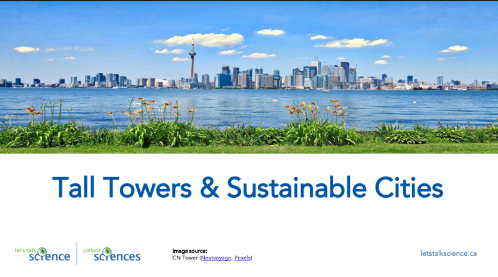
Tall Towers and Sustainable Cities

This STEM lesson introduces students to the challenge of urban sprawl by involving them in the design and construction of a model apartment building that demonstrates the benefits of building up, instead of out. The project-based learning experience develops engineering and technical process skills as students complete the activities.


Activities

Grades 6-8

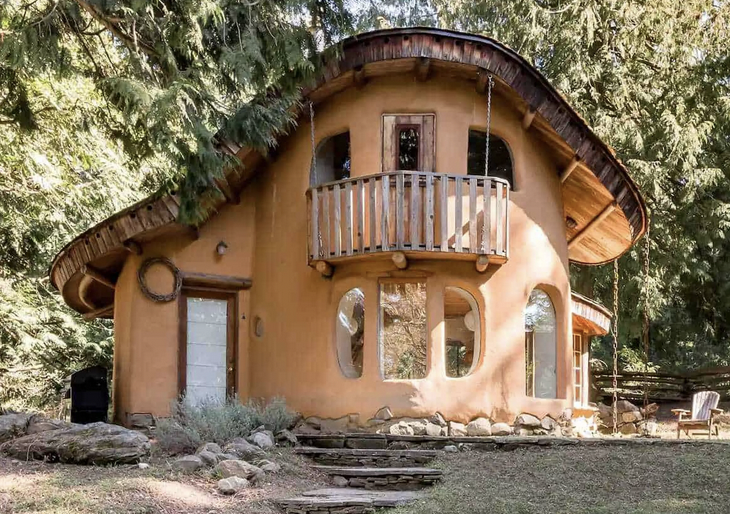
Designing a Sustainable House

This resources offers an excellent simulation and authentic learning experience for middle school Science students. It allows the them to explore the options for building a house in a sustainable manner while gaining an understanding of the cost as well as the pros and cons of each material chosen.


Activities

  • Have students complete some of the activities such as creating a floor plan and sketch of their own ideal, sustainable home
  • The Preparing for Flood Resilience activity allows students learn what municipalities are doing to make their cities more resilient to flooding. They identify, count and take pictures of the human-made and natural things in the stormwater infrastructure around their school and neighbourhood
  • Take students out on a community walk. To help them understand what they observed, invite them to draw a community map. Explain that while most maps show roads, transit routes, highways, and waterways, this community map will illustrate what life is like for people who live and work in their area.

Grades 9-12

Planning for Climate Resilience

This video showcases how the planning profession is at the forefront of developing policy, capacity, and climate resilience within communities and environments across the country. It also discusses how climate change affects different parts of the country and how planners are discovering new ways to adapt to these changes.


Activities

  • Watch Paper City, a stop-motion video animation portraying today's urban challenges using a paper and cardboard mock city. Have students create their own videos
  • Students go for a walk in their local area to identify important economic, social and environmental aspects in their community. They look for and photograph features that they like and do not like and justify their choice. Have students create a map to display their local area's significant features, as identified on their walk. Brainstorm and sketch ideas for new or redesigned public spaces for specific locations in the community
  • In this Sustainable Cities lesson plan, students will describe their vision of a sustainable city, identify the challenges facing cities, and discover the ecosystem services provided by nature


About Learning Inside Out


Above you will find a selection of activities, broken down by various grade levels. These guides will be released biweekly and archived on our Learning Inside Out page, so you can always access the full catalogue.


Some of the activities have been modified from resources on our R4R database, simplified and adapted for both outdoor learning in the school yard or at-home as needed. The activity descriptions above should contain all the information and links that you need!


We want this guide to work for you, so your feedback is invaluable to us.

Use the feedback button at the bottom of this Guide, or email us at info@LSF-LST.ca.


Follow us on social media for continued weekly highlights & other exciting opportunities through the school year!

Facebook  Twitter  Instagram  Linkedin  

Please share widely with any parents and teachers in your life!

Learning for a Sustainable Future (LSF) is a Canadian charity with over 25 years of experience working within the education system. Our Resources for Rethinking (R4R) database is an award-winning collection of resources that are peer-reviewed by certified teachers and connected to curriculum in all provinces and territories. R4R is recommended on many Ministry of Education websites.