|
Summer's the time to
Re-imagine Yourself through Art
| | |
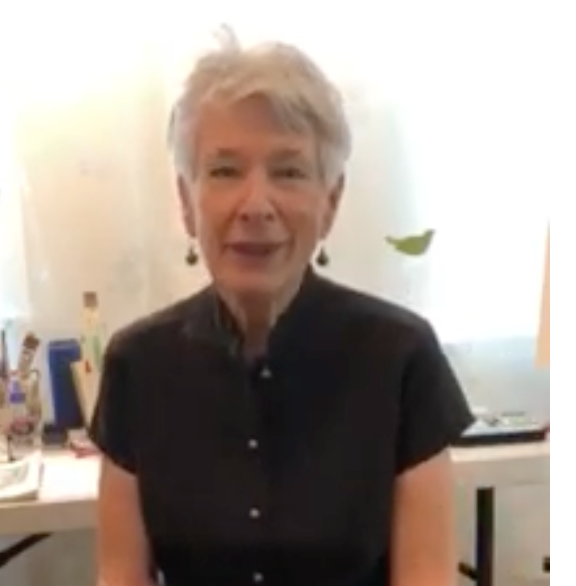
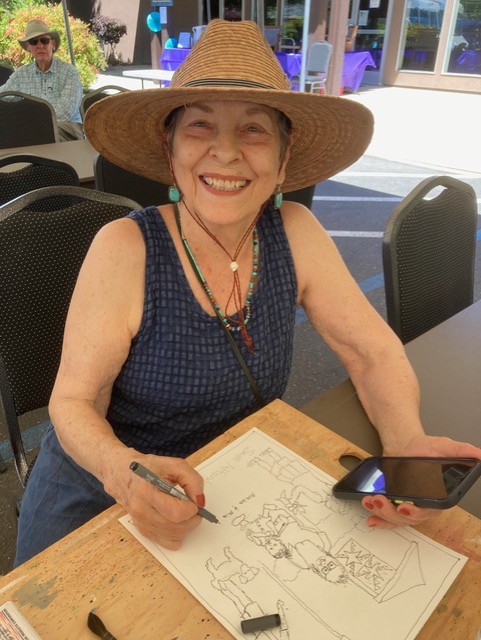
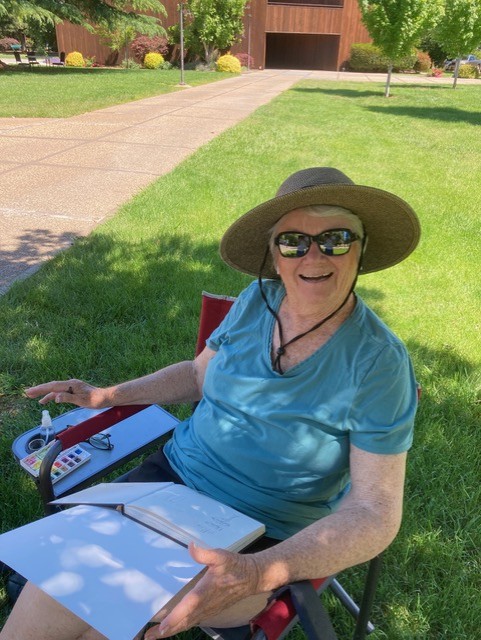
In this issue of Art Talk, seven artists offer inspiration and instruction to help you reach your summer art goals. | | |
|  |
|
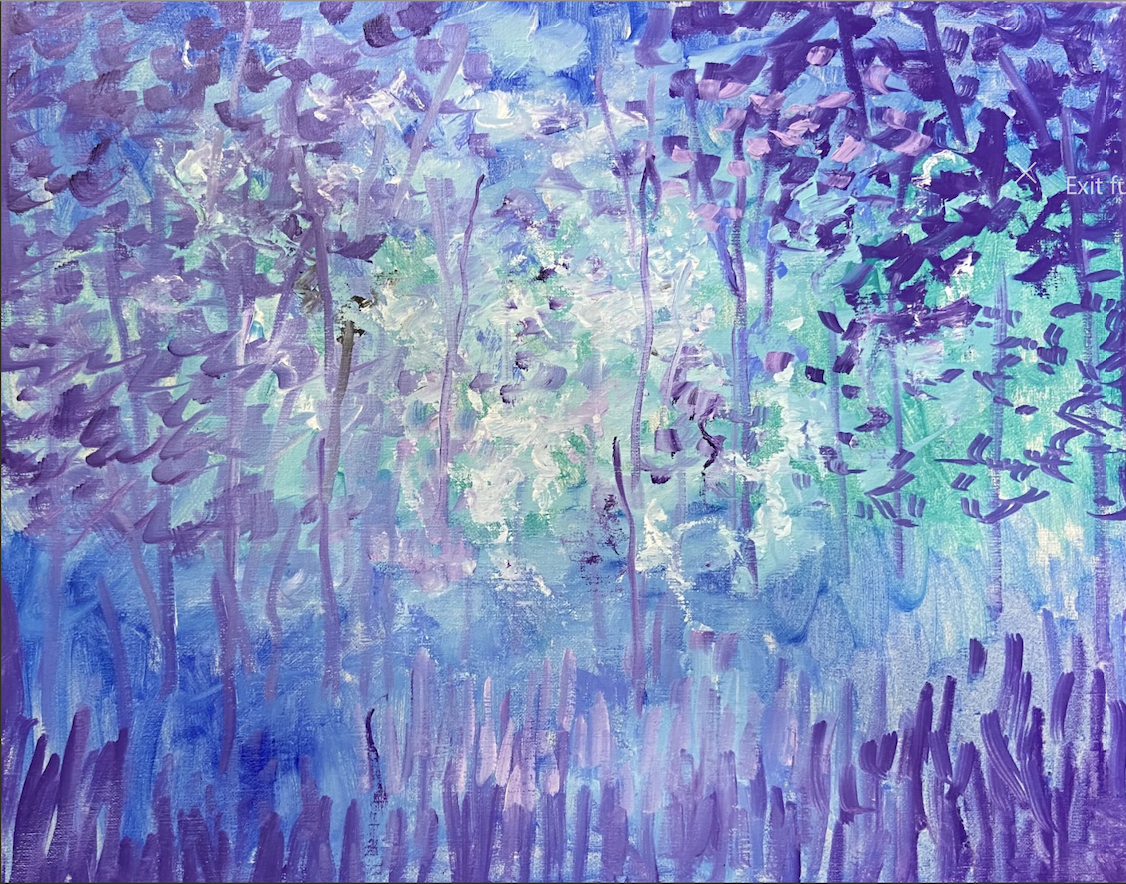
Dolores Mitchell explains how playing with an art medium that's new to you can revitalize your use of a familiar one..
| | |
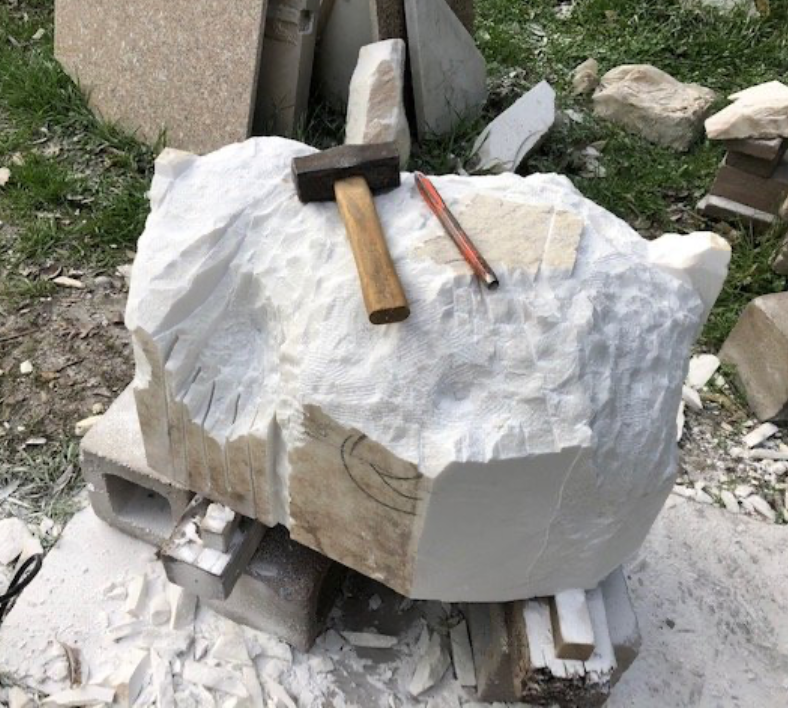
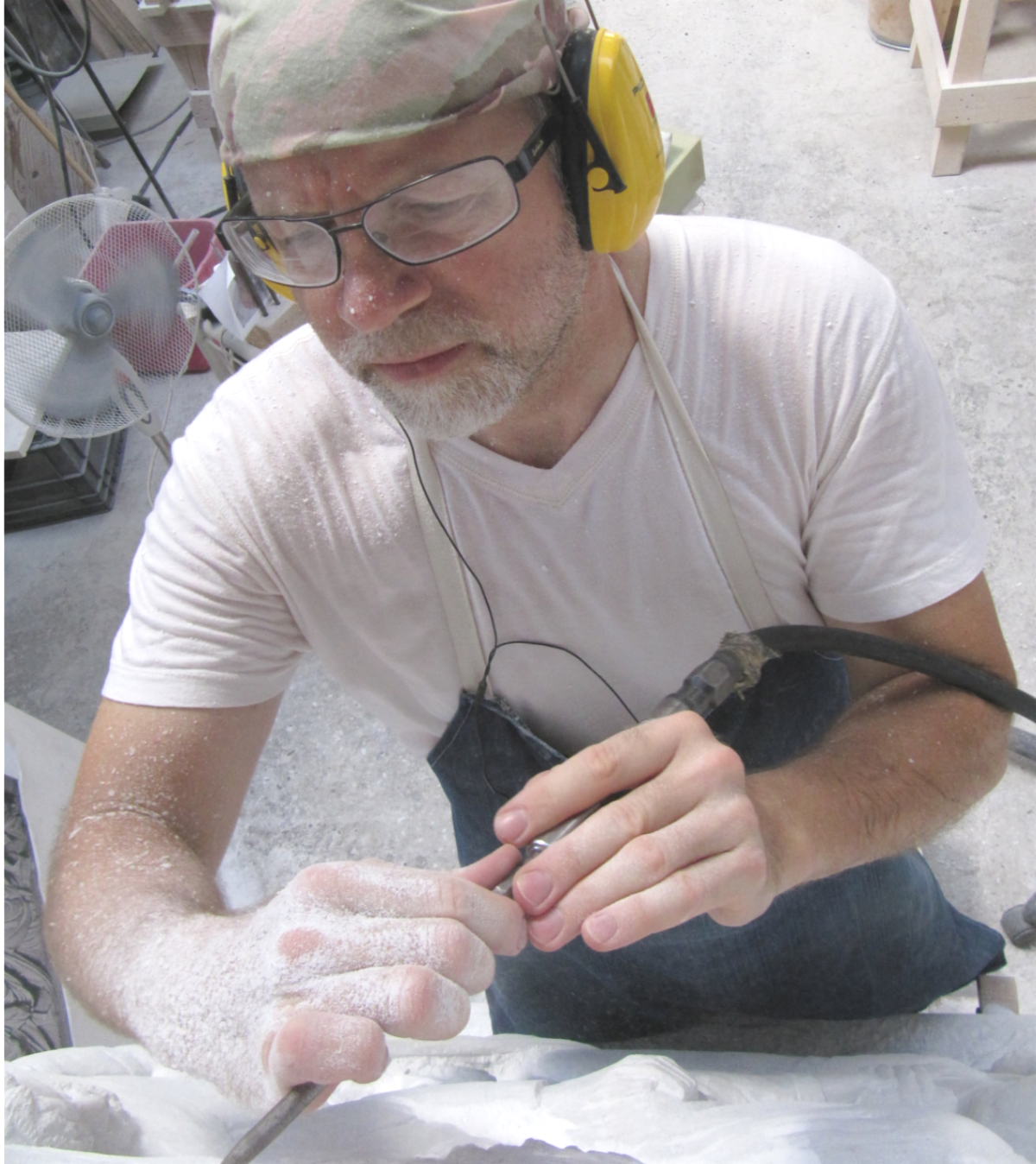
If you yearn to chisel stone and understand how Michelangelo created David, Matt Auvinen's workshop "Making and Appreciating Stone Working" is for you. | | |
|
Betty O'Hare demonstrates how to give discarded paintings new life as collage elements.
| | |
|
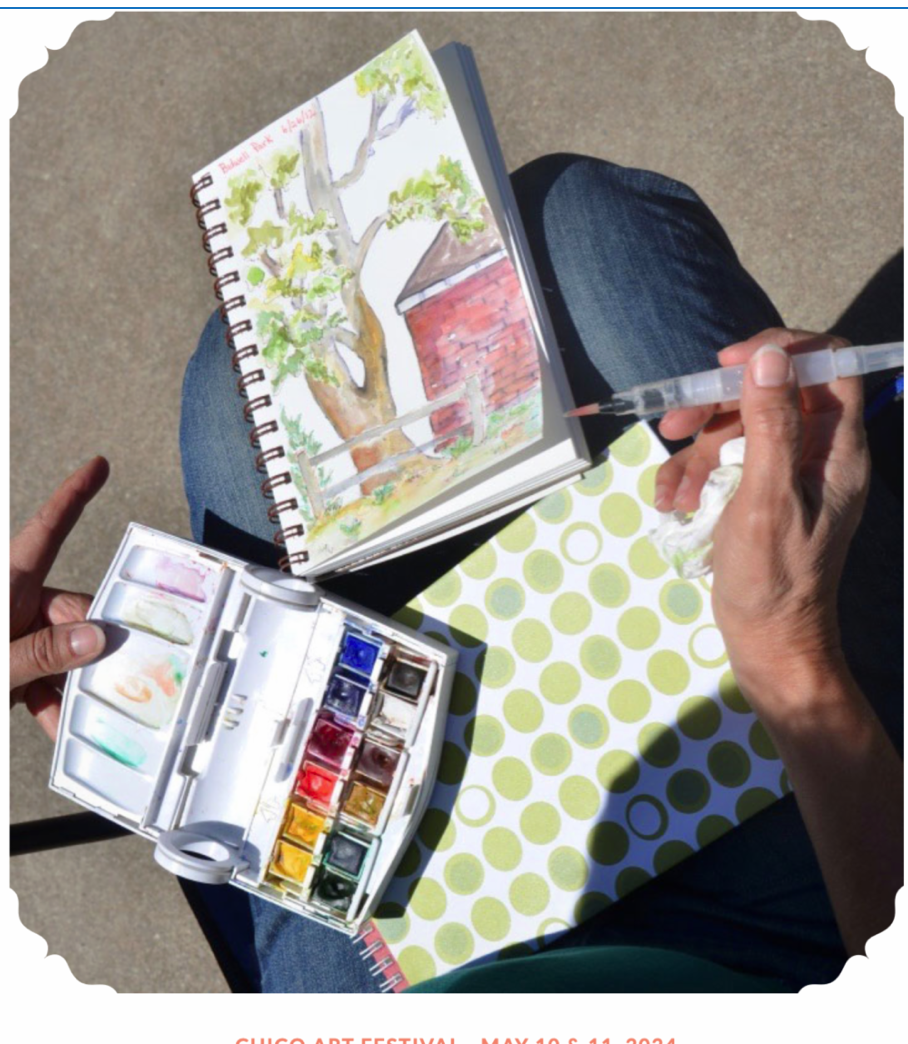
Cynthia Sexton and Marvey Mueller offer instruction and adventures in plein air painting.
| | |
|
Think you can't draw?
Richard Kennedy will prove you can draw (wait for it).....
cartoons that will delight your kids and friends.
| | |
|
Janet Lombardi Blixt, through her Chico Art School, empowers children and adults who want to express themselves through art.
| | |
| |
|
___________________________________
Dolores Mitchell
In Spring and Summer, I usually spend most of my creative hours painting with my favorite medium of oils. But when Spring came this year, I lacked a compelling subject to call me to my easel. Playing with the new-to-me medium of clay finally conquered my inertia and I dove into the formidable project of painting in oils as an homage to Vivaldi's "Four Seasons." I can only post the beginning stages in this Art Talk, but hope to include finished versions in the August edition.
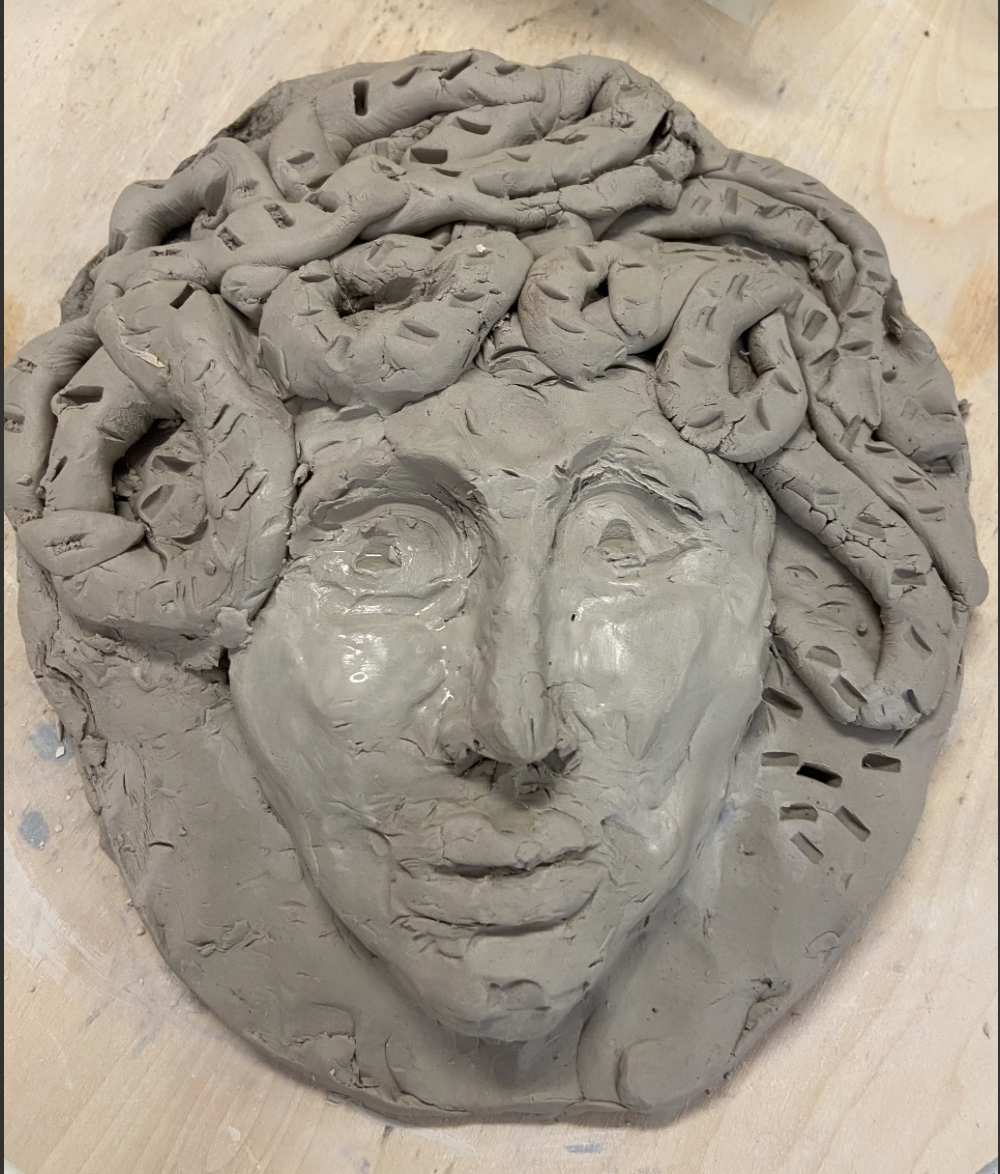
I relish what I call “Clay Play Days” in a studio where I can squeeze and poke and carve clay with exploratory, non-critical abandon. A few weeks ago, I made a Medusa head to fulfill an urge to roll coils of clay into snakes. The process triggered my imagination--I was a child again, rolling scraps of dough on my Nana's breadboard.
| |
|
Dolores Mitchell, "Medusa Head on a Shield," ready for bisque firing.
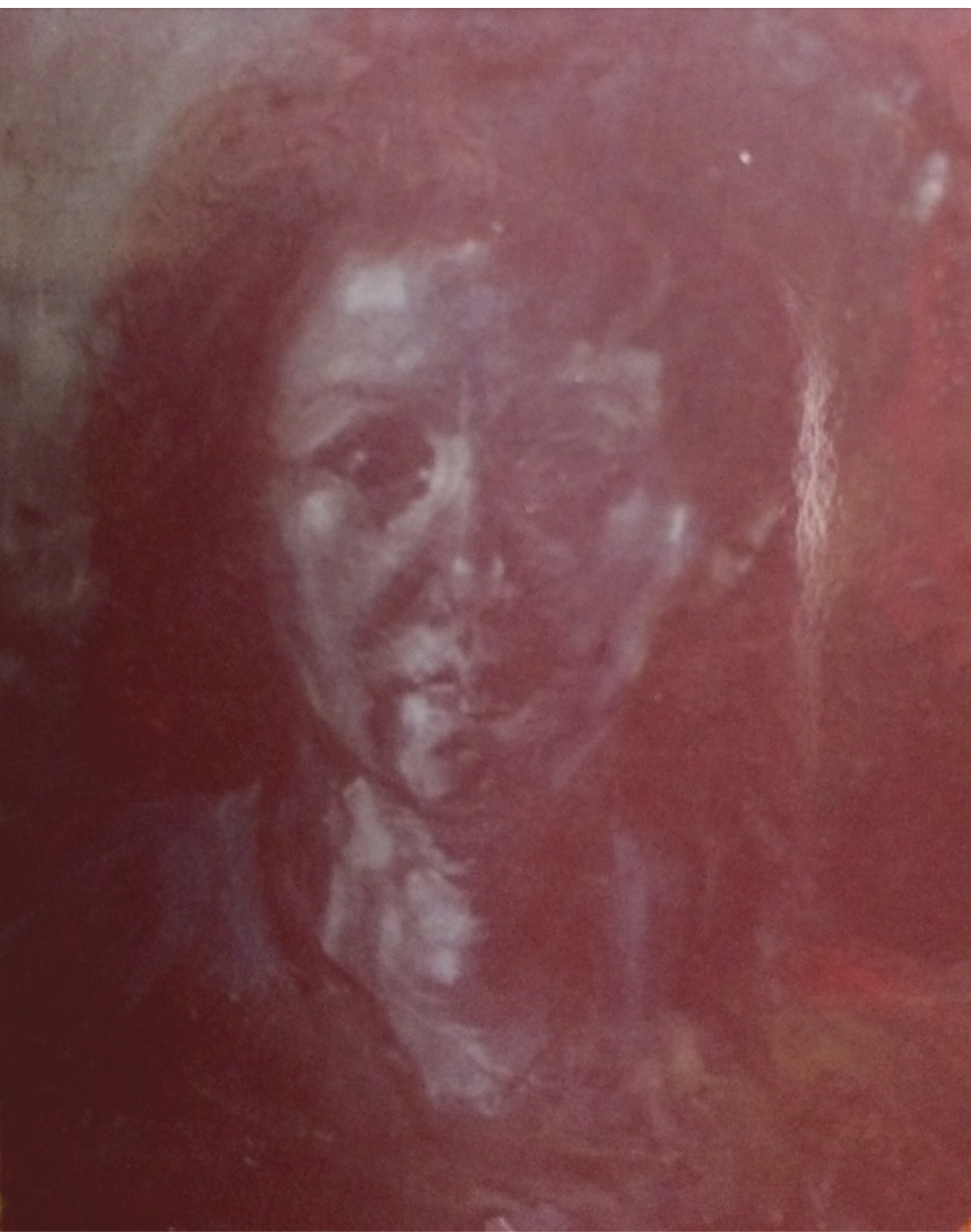
Although I'll glaze colors onto the Medusa after its bisque firing, I liked how the monochromatic grays of the raw stage unified all the parts. It put me in mind of a self-portrait I'd done decades ago in the Renaissance Grisaille (gray) painting technique.
| | |
|
Dolores Mitchell, "Self Portrait"
In a Grisaille an artist establishes bone structure and flesh in shades of gray and when it's dry, glazes on semi-transparent skin and hair colors. I skipped adding colors to my self-portrait so as not to ruin the brooding drama of the Grisaille.
That memory morphed into a decision to paint a moody monochromatic landscape, but in shades of blue rather than gray.
| | |
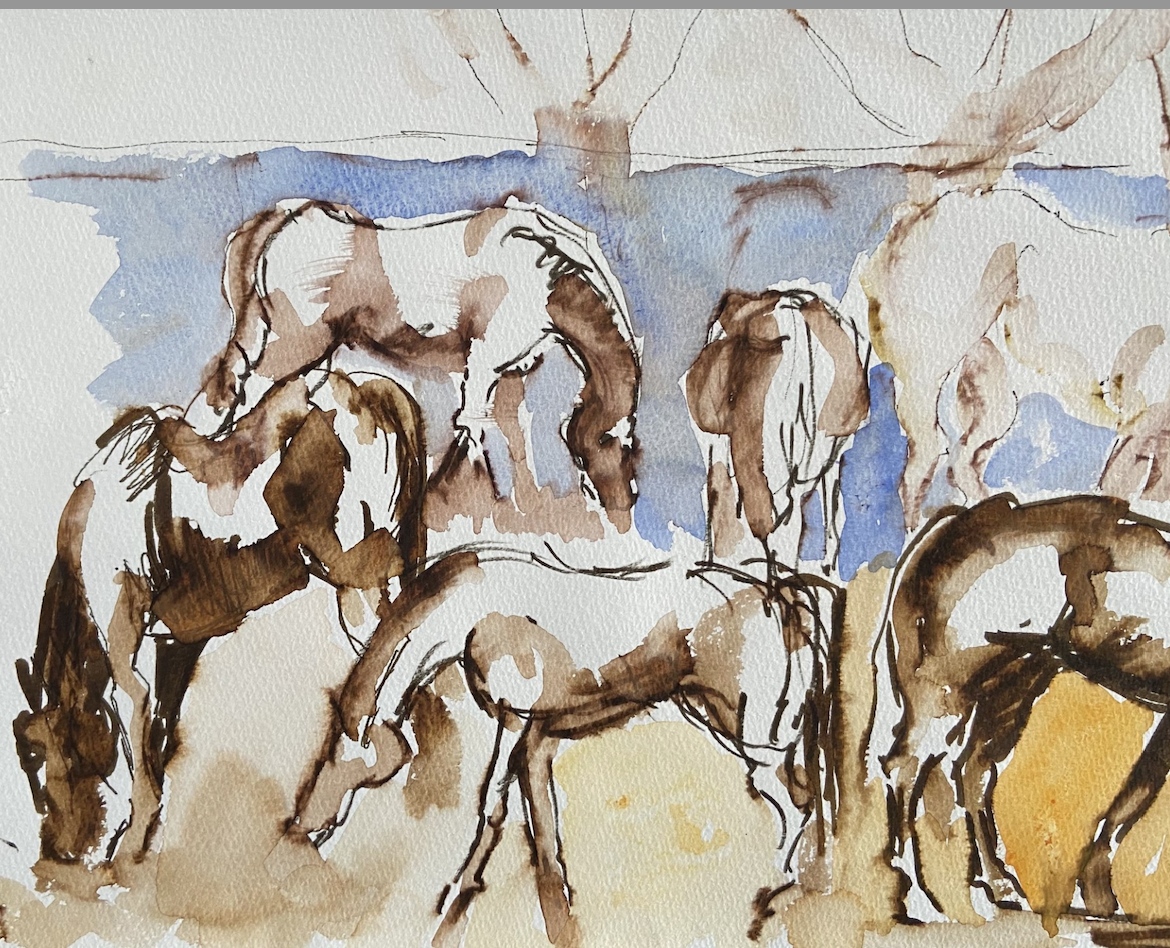
Here's a page of on-location sketches I'd done a decade ago of frisky colts who found me an object of curiosity as I sat sketching them. I'd already used them in a multi-colored forest scene, but now they would animate a monochromatic one. | | |
|
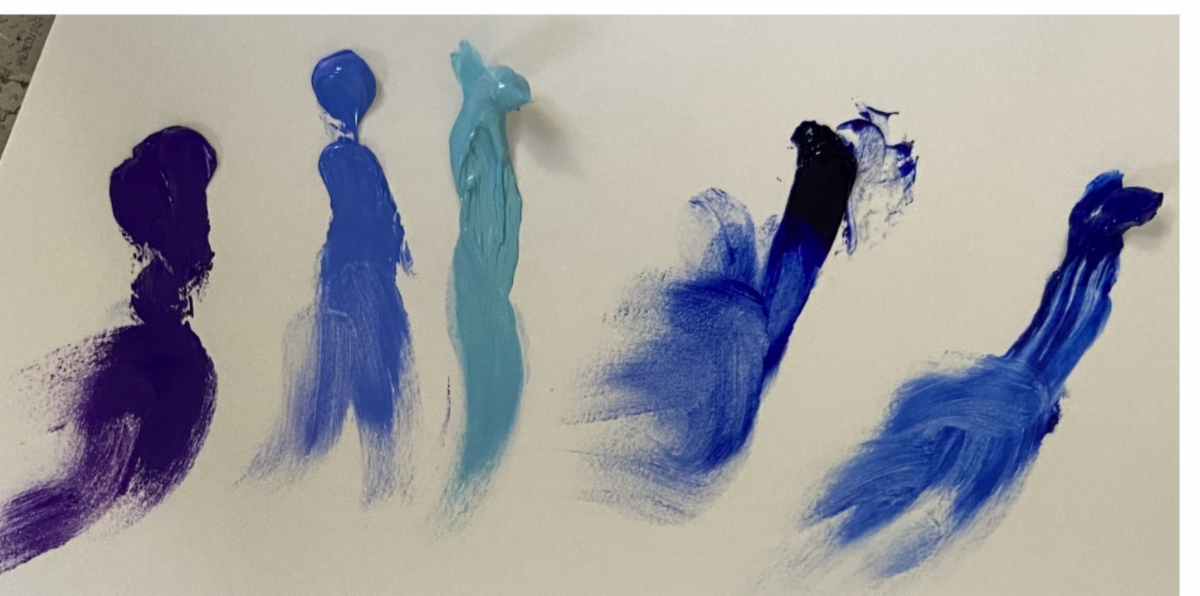
To conjure up a mysterious wintery atmosphere, I used the five shades of blue in this photo plus white.
Left to right:
Provence Violet Bluish opaque:
King's Blue, opaque:
Radiant Turquoise, opaque:, Ultramarine Blue, transparent:, Cobalt Blue, transparent;
| | |
|
D. Mitchell, Stage One "Winter," 16x20" oil on Stretched Linen canvas.
"Winter: the desolation of f minor and the pouring rain over the frozen earth" I Musici Veneziani website.
It took me two hours to rough in Stage One of "Winter." and it will take at least four more sessions to complete it, if all goes well. A linen canvas primed with oil absorbs some of the first layer of paint, making it ideal for hazy atmospheric effects.
I began by wiping a thin coat of medium over the surface to let pigments move slightly with gravity. Each brushstroke suggested the next and when shadowy trees had formed I loaded a sable brush with white and spread it over the surface like fog. I used my thumb to press blobs of opaque Turquoise across the lower third of the canvas for hints of horses. My main interest was to create an erie atmosphere into which ghostly horses had wandered. With a palette knife I dashed on heavy marks for leaves and reeds in the foreground to contrast with the whispy background and make it recede visually..
As I painted, I listened to the "Winter" concerto in Vivaldi's "Four Seasons." The way his impetuous rhythms added energy to my brushstrokes convinced me to try three more paintings of "Spring," "Summer," and "Autumn." To understand Vivaldi's sound structure, I pulled up the Venetian Music website and found an l8th poem about "The Four Seasons" that resonated with me. I've included quotes from the poem that influenced my paintings.
| |
|
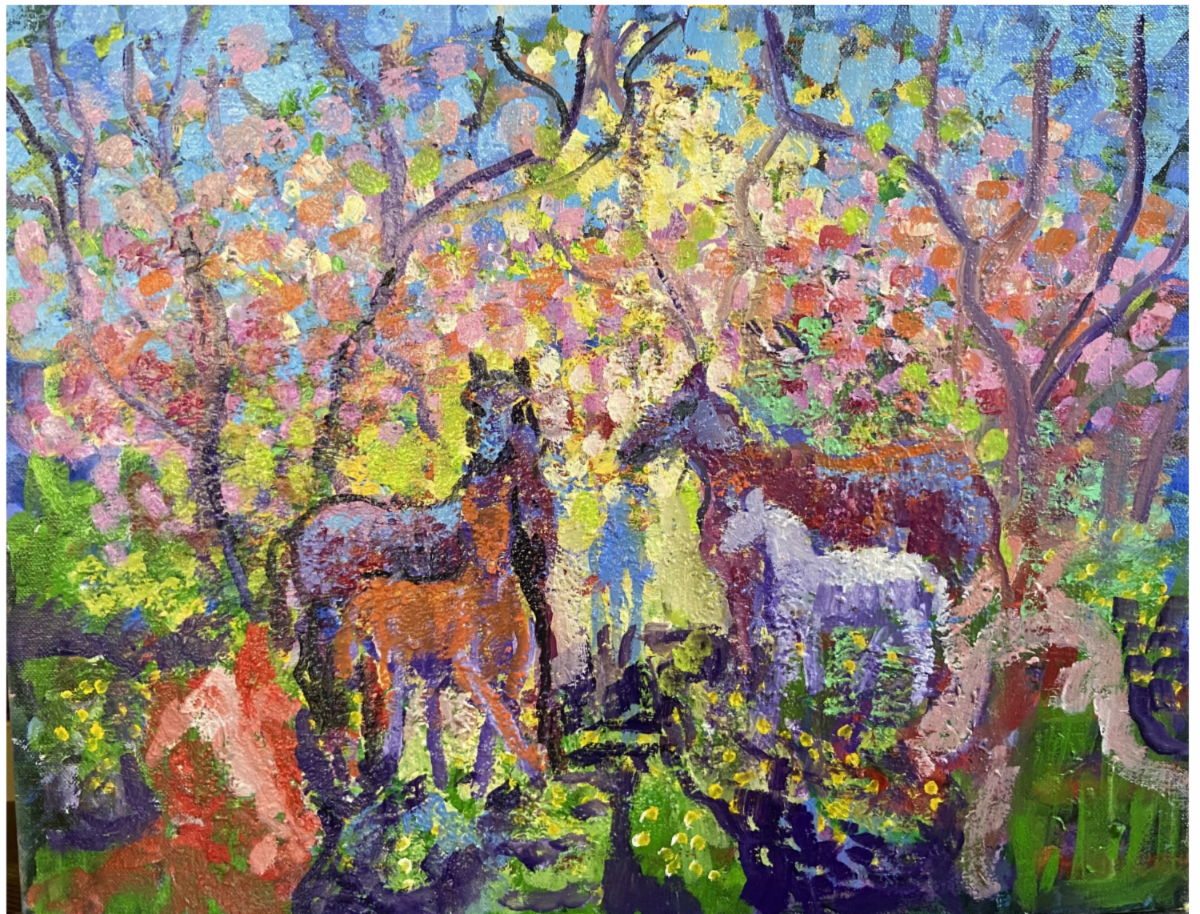
Dolores Mitchell, Initial Stage, "Spring," 16x20" Oil on Cotton Canvas.
"Spring:The key of E major, describes the pure and warm light of the spring season." I Musici Veneziani website
Although I didn't paint Spring monochromatically, I did limit my colors to six that I associate with the fertility of a Northstate Spring: yellow for sunshine and wild mustard; pink for plum and cherry blossoms; blue for sky; black for soil and branches; green for grass and leaves. I've tentatively brushed in mares and foals but may alter their sizes and placements. I love the freedom that oil paint gives me to change my mind..
| |
|
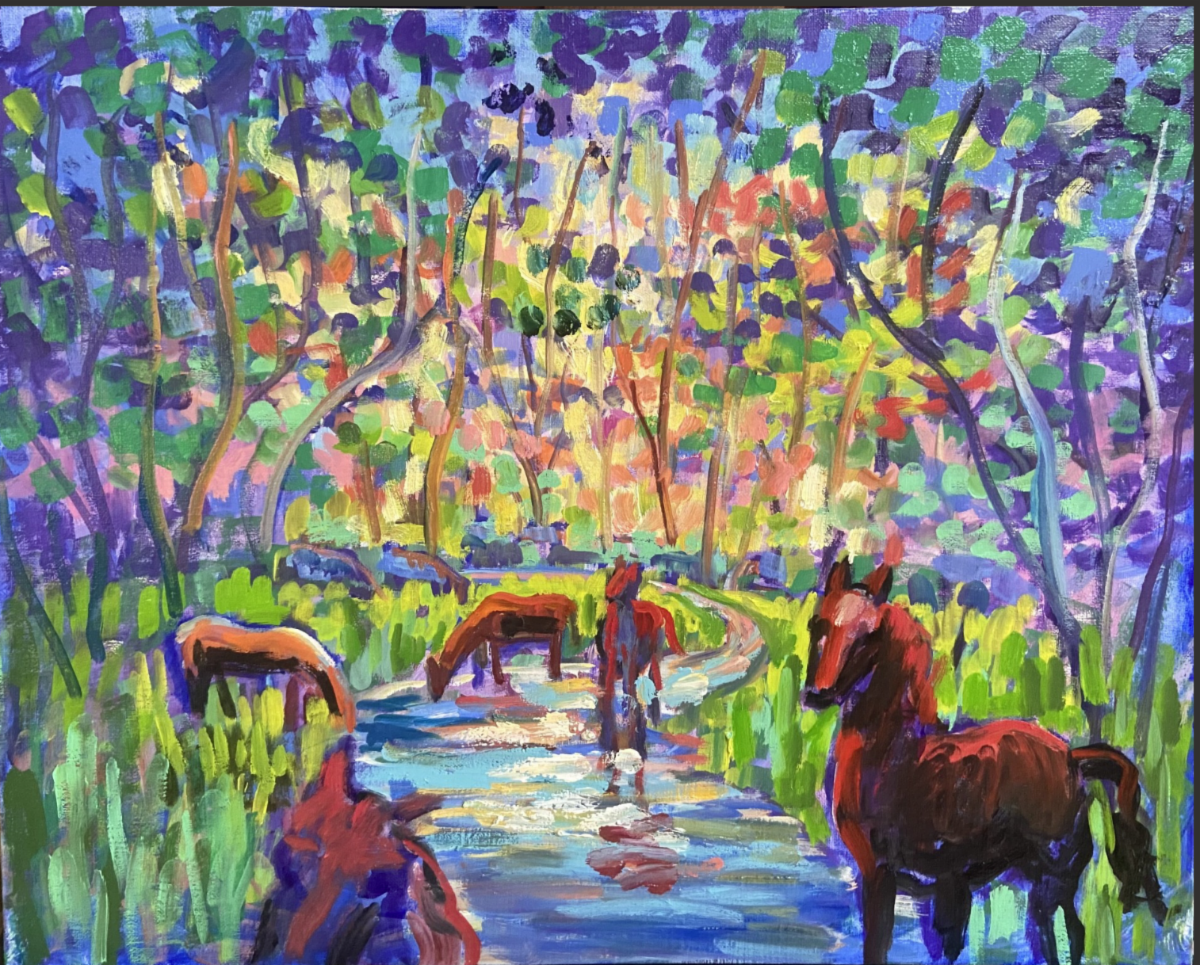
Dolores Mitchell, Initial Stage "Summer," 16x20" oil on Panel.
"Summer: G minor is soft and …melancholy like summer, which envelops us in its heat ..with room for torrential rains." I Musici Veneziani website.
For "Summer," I envisioned a secluded refuge from heat for horses that are cooling down in a stream. In future painting sessions, I'll increase the green foliage and widen the stream which will be swollen from the "torrential rains" that Vivaldi evokes through sound.
| 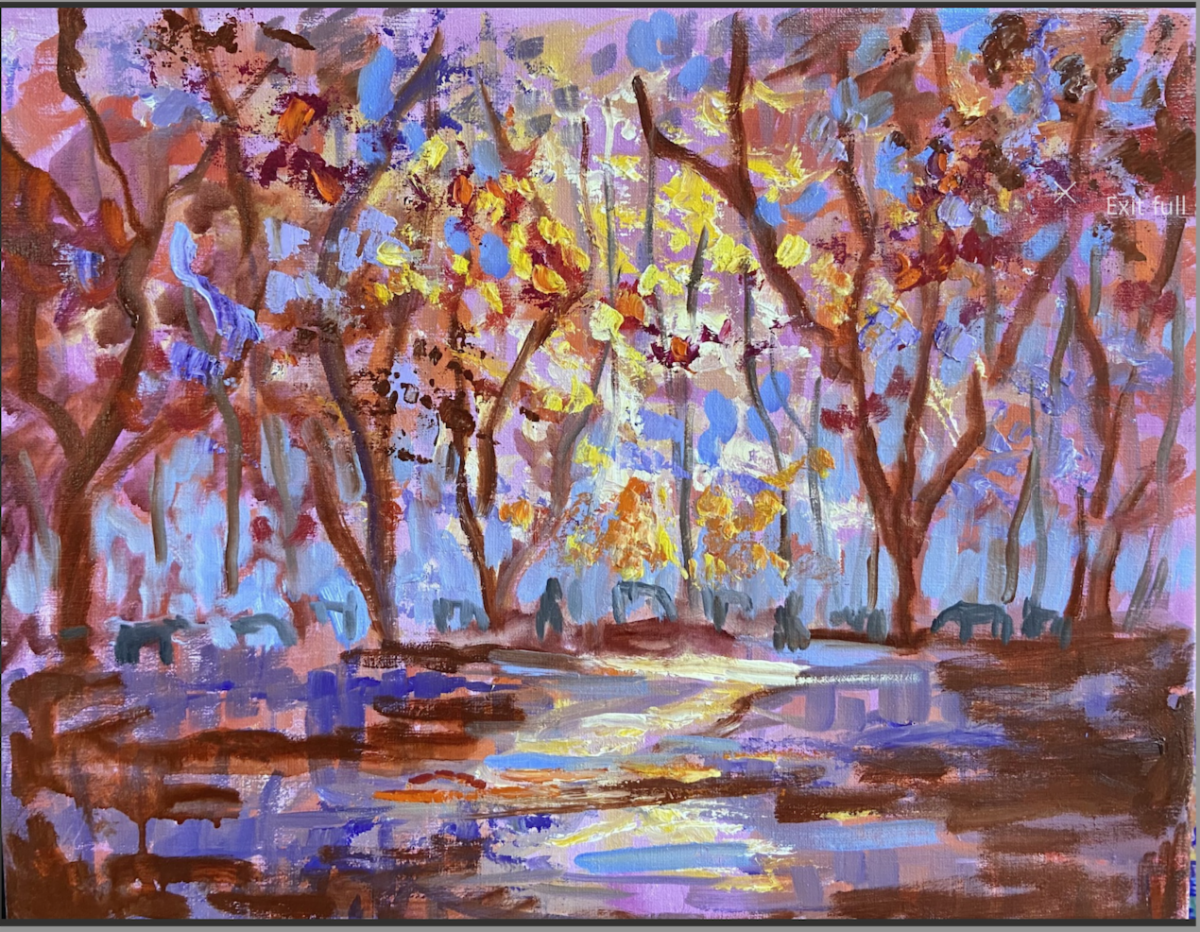 | |
Dolores Mitchell, Beginning stage of "Autumn," 16x20" oil. on stretched linen
"Autumn: F major, takes us into the countryside… and to the harvest" I Musici Veneziani website.
So far Autumn is my favorite of the four paintings I love the warmth of Burnt Siena. It reminds me of nutmeg and cinnamon and of Thanksgiving. Warm colors--Sienna and Orange--set the mellow mood, an effect heightened by the contrast with blue horses that are materializing in the distance.
This quartette of seasons will keep me painting in tandem all summer. A few days of drying time is needed between painting sessions to prevent new layers of color from blending with the underpainting and turning muddy. I want pigments to retain their identities, just as Vivaldi kept the voices of violins, cellos and harpsichord distinct and in dialogue with each other.
Painting the series keeps me alert to anything relevant to it in daily life, such as reading a NYT interview with classical pianist Mitsuko Uchida. Her quote about Mozart's music expressed beautifully what I aspire to achieve--but seldom realize--in paintings, as well as what I gain from playing with clay.
Mitsuko Uchida: “I think that in Mozart every note is a child—every note is trying to take a different direction. That is the extraordinary freedom of Mozart’s music. All the notes behaving as if they were little children.”
| | |
|
You can see my paintings at Vagabond Rose, Main & 3rd Street, and at The Red Tavern, The Esplanade & 3rd Avenue, Chico. The Four Seasons series will not be done until August or September.
dmitchell@csuchico.edu
__________________________________
Matt Auvinen, making and appreciating stone working.
| |
|
Photo: Matt Auvinen
Matt Auvinen grew up in Chico and studied with Ken Morrow at CSUC. He received his MFA from Bowling Green State University.. He then spent 25 years in Florence, Rome and Venice where he taught drawing and sculpture, engaged in research, projects and for five years worked as an artisan for stone carving laboratories in Pietrasanta, Italy.
| | |
|
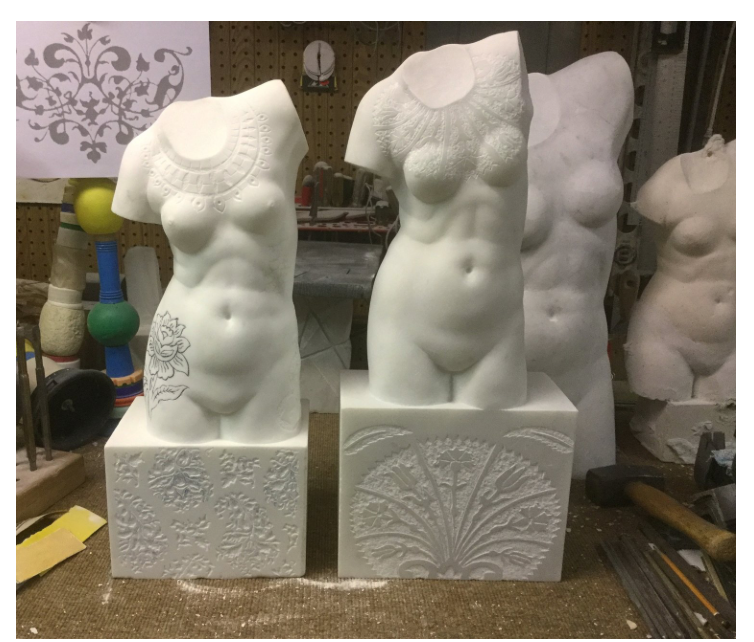
Now back in Chico with a studio in the Avenues, Matt is eager to share his knowledge with anyone who wants to carve stone for self-expression or to gain understanding of sculptures such as Michelangelo's Slaves.
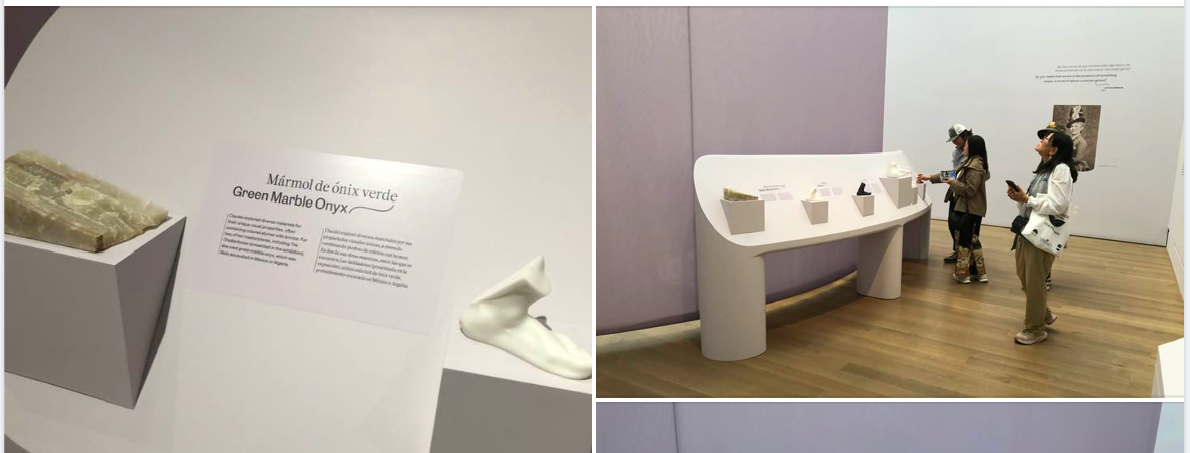
Recently Auvinen contributed to didactic displays at the Getty Museum's Camille Claudel exhibition and will have a show at monca later this year that features stone carving tools and techniques.
| | |
|
LEARN TO CARVE STONE WITH MATT AUVINEN
Enjoy the experience of carving a stone to create your own vision.
Learn to carve because: you are interested in art, might enjoy the stress-free and rhythmic activity of carving a piece of stone, explore your creativity or improve your existing skills.
I offer one on one and group workshops for beginners and advanced carvers. A carver since 1980, I have worked professionally in Italy and have done extensive research into ancient and early modern carving techniques.
| Matt Auvinen, photos from the Camille Claudel exhibit at the Getty Museum, L.A. Matt's contribution to the didactic display on materials used by the artist is the marble foot (lower right corner of the first photograph).. | Matt says Please contact me if you are interested in lessons in stone carving. I worked and taught in Pietrasanta, Florence, Rome and Venice for over 25 years where I learned the traditional techniques from master artisans. I offer training in direct carving, beginning to advanced techniques and pointing with the “macchinetta” (pointing instrument) and compass enlargement. Students can begin with a drawing, clay or plaster model or work spontaneously. I have a limited variety of stones available for purchase, including Italian marble, California soapstone, Texas limestone and a very rare California marble. | 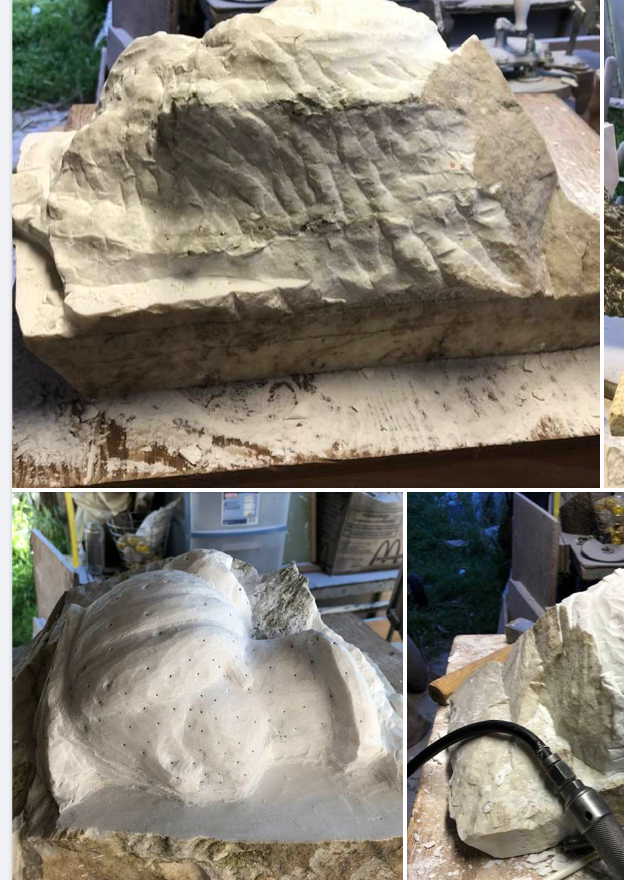 | Modern sculpture is frequently made with diamond disks and grinders. I feel that all students of sculpture can benefit from the study and practice of the sequence of traditional tools like point chisels, toothed chisels, pointed hammers and the full variety of flat and rounded chisels. I stress the value of understanding the most effective proportions of hammers and chisels for the various tasks of carving like rough out and finishing. Tool suppliers only offer standardized sizes and shapes. I offer the benefit of years of research and collecting old tools used by the experts. | |
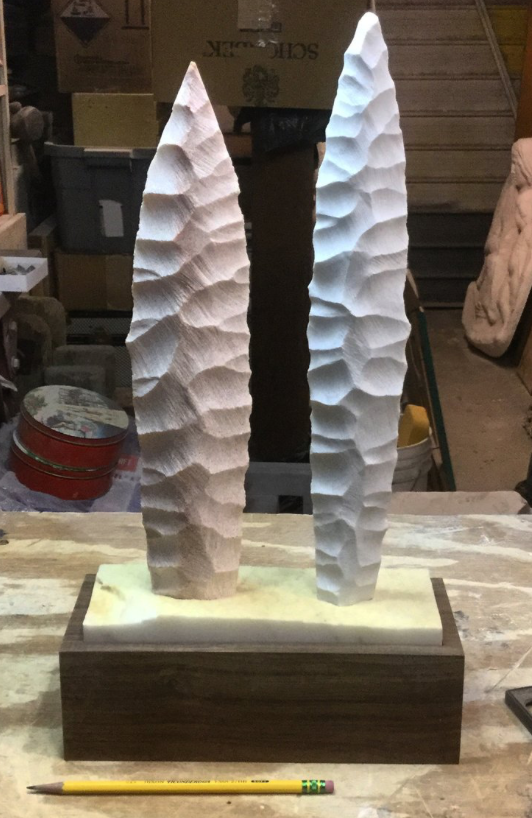
(below) Matt Auvinen, Sculptures from his "Tools and Weapons" series that was inspired by prehistoric Acheulean hand axes that scholars believe had aesthetic rather than utilitarian purposes.
Matt says. I began to make these “blade” forms with concave scallop shapes that look like what are known as “conchoidal fracturing.” The objective of this simulated chipping, or “bifacial reduction,” is to create a harmonious and beautiful organization of concave shapes that reference spearheads, arrowheads and stone knives.
| | |
| |
|
Matt says "Please contact me by phone or email if you want to know anything more about the type of workshop that would serve you best.
My website has additional information about my professional background, research into historic stone working tools and my own sculptures.
Matt Auvinen
www.mattauvinen.com
530-433=8436
mattauvinen@gmail.com
| | |
|
____________________________________
BETTY O'HARE: COLLAGE
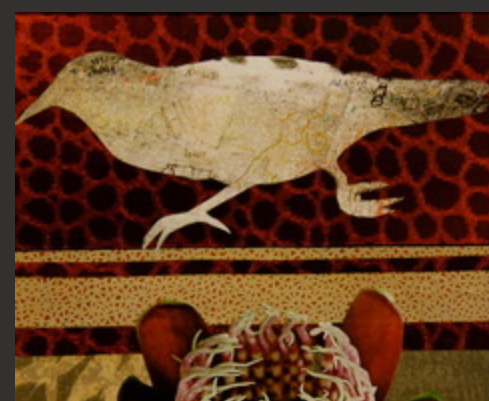
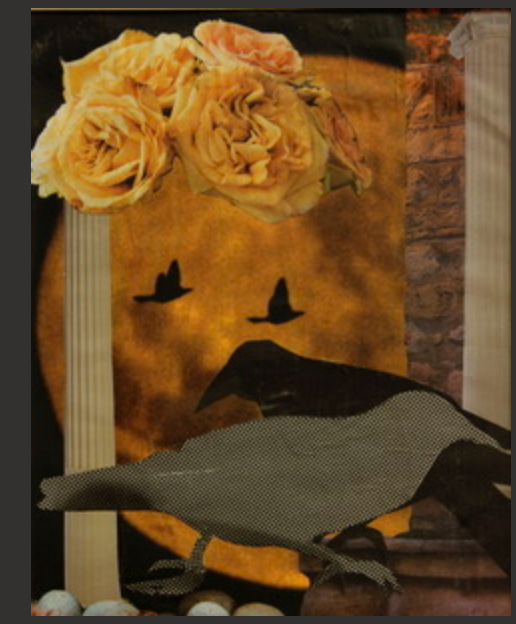
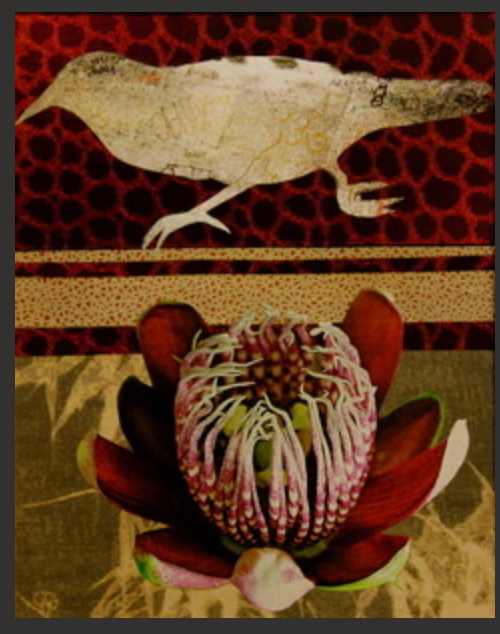
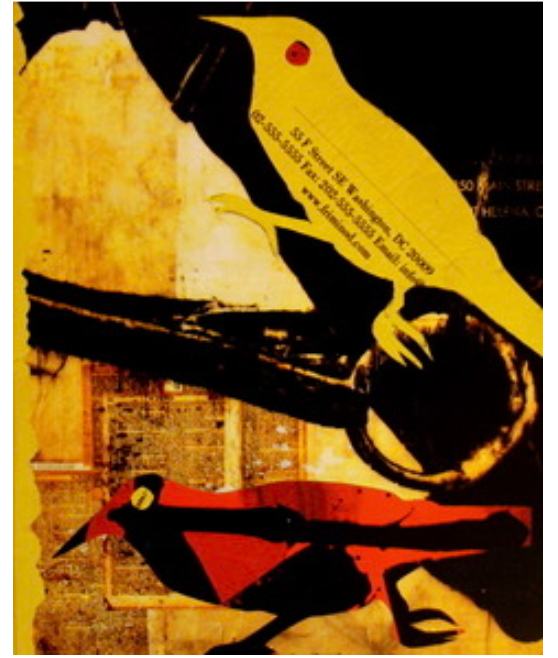
Dolores says: "Betty O'Hare is known in Chico for her large scale vibrant paintings that were featured at Avenue 9 Gallery. She also worked in large scale as a designer for theater. Betty is now experimenting with intimately scaled collages. Her recent work demonstrates how artists can give unresolved paintings new life by cutting them into collage pieces."
Betty says: "I love collage! From my small cut and paste bird pieces, that are story telling, to the larger collages that are more abstract and painterly, each has its own challenges! Sizes I use typically range from 10 by 8 inches to 27 by l9 inches.'
The cut and paste small collages are easier in that they start to tell a story pretty quickly as each cutout is assembled. I start larger collages by deciding on a color format and then just filling the page with scribbles, paint and found pieces of paper until something starts to develop. Abstraction is very difficult for me.. the process often somewhat hair pulling!"
| |
Betty explains: "I use Coventry Rag White Vellum paper because it can take a beating when using multiple layers of various papers, paint and matte medium for gluing. | |
|
'I mix acrylics with crayons, both watercolor and oil pastel, markers, pens and pencils for scribbles. Alcohol, rags and erasures are good for smearing and deleting as well as diluted gesso for that veiling effect.'
| | |
| |
|
"I often include scraps of my old watercolors, hand printed tissue or my marbled paper along with magazine cutouts and other various ephemera. I use rubber stamps, rollers and countless tools for mark making.
I love the multiple layers of paint and papers that create accidental and mysterious happenings. I often don't know what the outcome will be! I don’t title my work, preferring to leave it to the viewer to interpret my collages.."
Contact information for purchasing a piece or to chat with Betty O'Hare about the Collage medium: bettyoh@comcast.net
__________________________________
Cynthia Sexton: Journal Sketching & Marvey Muller, On-site Sketching.
Dolores says:
"Given the visual appeal of Chico and its surroundings, painting out-of-doors this summer is a fine way to nourish your spirits. However, If you are a novice artist or have had discouraging outdoor painting experiences, I've got a remedy to propose. It consists of taking a sketchbook journalling class with Cynthia, going on sketch outings with Marvey, and working towards a goal of participating in the Chico Art Festival's plein air painting competition in May of 2024. This competition thrills on-lookers, including children, as artists make the surroundings of St. John's Episcopal Church come to life on canvases and sketch pads."
| |
|
Cynthia Sexton
watercolor artist, head of ChiVAA (Chico Visual Arts Alliance). Cynthia manages the Chico Art Festival's yearly plein air painting competition.
| | |
|
Cynthia says: "Sketching, whether indoors or out, connects artists to their surroundings in ways that make lasting impressions. It's also a wonderful way to make friends and celebrate out community.
When I look at my own travel journals I'm transported back in time to where I created them. For me that is a profound eperience."
Contact information:
csexton19@gmail.com
530 381-2105
| | |
|
Cynthia says: "It makes me so happy to include a “Sketch Out” in our Chico Art Festival. It brings joy to both artists and the viewing public. The winner of the competition, chosen by public vote, receives art supplies donated by Ellis Art Supply, and by me, plus a $50 gift certificate.
I will be teaching a Sketchbook Journaling class this summer that includes advice on simplifying palettes and not being overwhelmed by choices.
| |
|
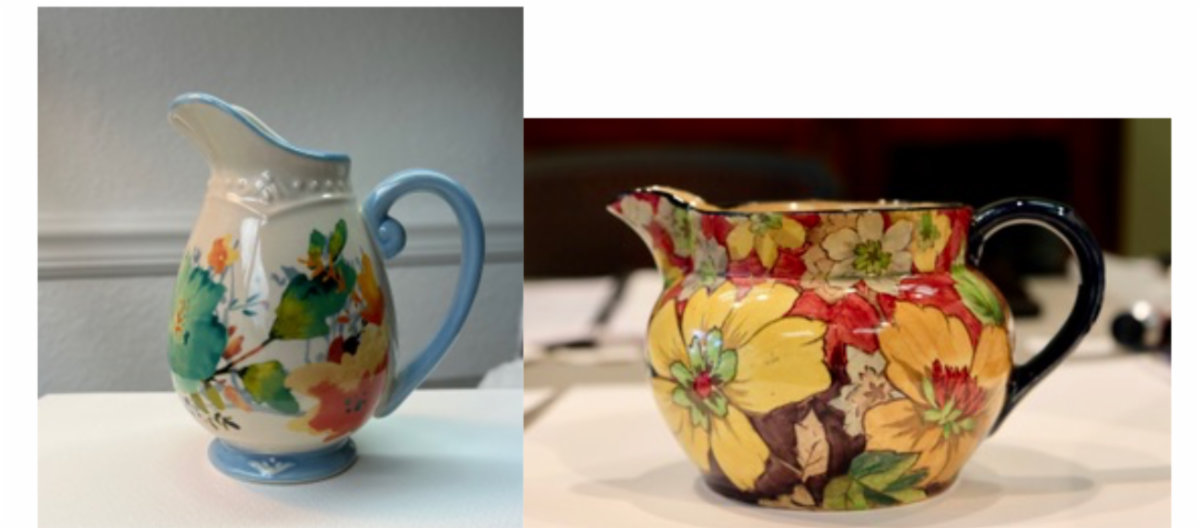
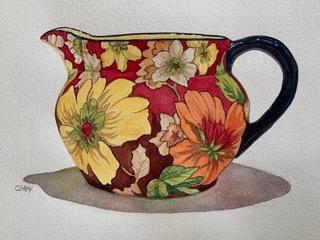
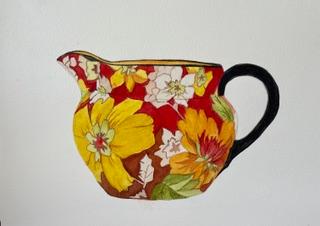
Cynthia says "Above are photos of the two vases I used as models for my students. Below, are two of the watercolors students made using my three color method.
Cynthia says: "Covid forced me to close my Ninth Avenue Studio and to stop teaching. It also gave me time to rethink color theory so that my students would really “get it.” I invited some past students to take my new “Three Pigment” class (red yellow and blue) at the Chico Art Center and give me a critique on it. At a thrift store I found two pitchers with strong patterns of multiple colors. The challenge was to paint them using mixtures of only three pigments.."
| |
|
Carol Gray,
pitcher watercolor
| | |
|
Katie Schwartz,
pitcher watercolor
| | |
|
Cynthia says: "As we were painting the pitchers a student exclaimed: I've just had a lightbulb moment! I could have kissed her! Now I don’t paint with three pigments only, but the three foundation colors will always be on my palette. This is a valuable skill for anyone who wants to paint out of doors."
In my upcoming Sketchbook Journaling class I'll share many ways to keep a sketchbook while traveling as a visual diary, or at home, or on sketching expeditions/ I encourage people to stop by the Chico Art Center to see what we are painting in classes that take place Tuesdays, Wednesdays and Thursdays 1-4pm.
| |
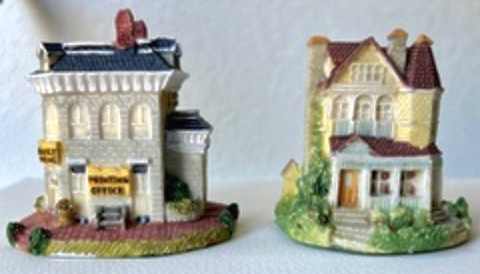
I love to sketch and paint buildings, a subject that many students find difficult. To help them, I set up miniature porcelain houses to sketch, then give them simple diagrams of architectural shapes to copy. Finally we go outside to sketch actual buildings. | | |
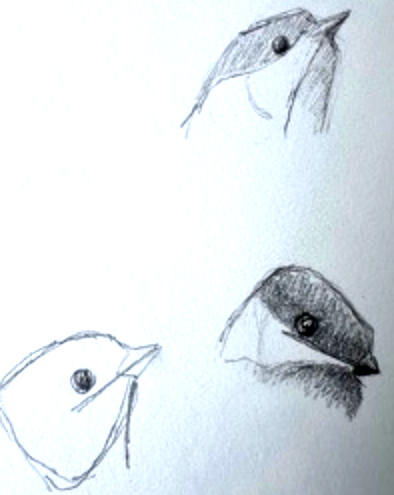
Cynthia comments: "If you keep a 3x5 inch journal plus pen and pencils in your purse you'll be able to whip them out and sketch such visual surprises as birds landing on a windowsill." | | |
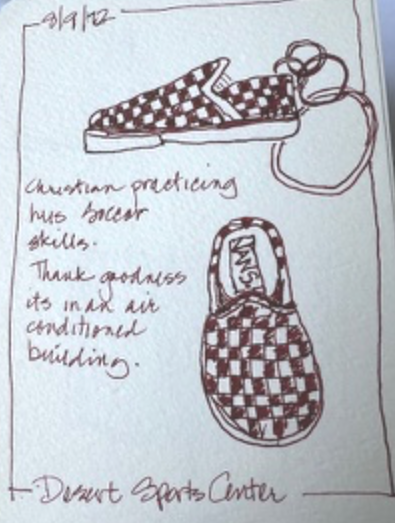
Cynthia explains: "Our shoes, formed by the pressure of our feet, can make fascinating subjects to draw." | | |
|
Marvey Mueller
Marvey thinks of herself "as much a sketcher as a painter." For twenty-five years she's been sketching from kayaks, airplanes, mountains, the streets of Chico, and the grounds of St. John’s Evangelist Church during the May Chico Art Festivals. She's led many a group of "Urban Sketchers" on her adventures.
https://www.youtube.com › channel
| | |
|
Marvey says: "I plan on a few meetups for outdoor sketching in Chico as my summer schedule allows. If interested, especially if prepping for the 2025 Chico Art Festival's on location painting competition, just send me your email and I'll include you in my notices. Marveychap@gmail.com.
Marvey says: "Learning to draw and paint quickly can be intimidating, but not so much when done with friends. Sketching meet-ups and gatherings can be the perfect place to gain confidence.
| | |
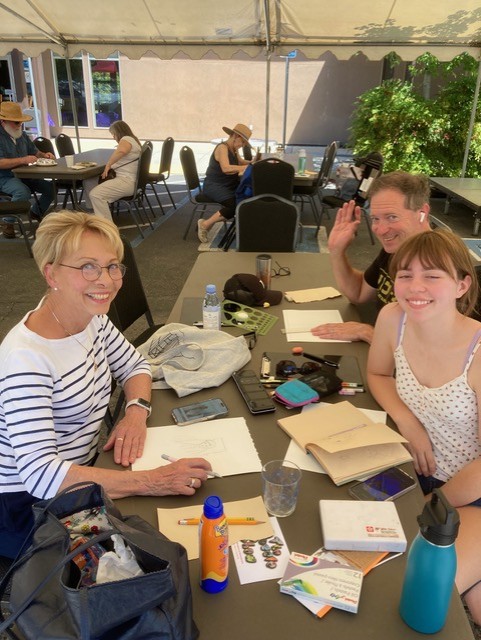
Marvey says: "Some participants in the Chiva Sketch-Out Contest on May 11, 2024 shared their works and thoughts with me. They were in unanimous agreement that sketching in a communal and supportive atmosphere had been a pleasure. Participant Cameo Cobery told me: 'It's fun to draw. It's playful and connects me to my youth.' Courtney Singer said 'I love socializing with other artists. I’ve never met a mean sketcher.' The 10 sketchers in my group who participated in the paint out competition ranged in age from 7 to 85." | |
Elizabeth Stewart wore her broad brimmed protective sunhat during the May 2024 Chico Art Festival painting competition. She says: "When I sketch on location I see things I wouldn't otherwise pay attention to." | | |
Val Bowby balances her sketch pad on her knees. She says: “I’m trying something I’ve never done in my life. If that isn’t learning, what is?" | | |
|
Marvey says: "One set of sketchers was the LaBadie Family, Grandmother Sandy, her son Ian, and his daughter Penny - sharing their love and learning as a family."
_-------------------------------------------------
| |
|
Richard Kennedy, Cartooning
Dolores says: My first art lesson came in the form of a correspondence course in cartooning. I was ten and had responded to a "Can You Draw This Woman's Profile?" ad in a "Wonder Woman" comic. The lessons, based on circles and squares were easy to follow. I loved making people and animals come alive on my drawing pad. And Readers, Richard Kennedy, an accomplished cartoonist who has taught Osher Lifelong Learning classes for years, will get you laughing and drawing from the start.
| |
Richard says: “CARTOONING is an activity that has given me enormous amounts of joy & satisfaction. It's a skill many people wish they had. I believe anyone can learn that skill & I'm willing to teach them. Drawing cartoons is too enjoyable to be left to professional cartoonists. It's fun stuff! If you haven't tried cartooning because you don't feel you have the talent, you might want to reconsider. I've designed this introductory course for people just like you.' | |
|
'In this course you'll learn the basics. You'll draw cartoon heads & bodies along with all their features. You'll discover that by moving around & exaggerating you can come up with many new looks. By exploring the possibilities you can make your character unique, different from all others in the class. Once you've designed characters you like, you can bring them to life with a shortcut that will give each character its own, unique personality. It's easy. All you need is a pencil, paper, and your sense of humor.”
Contact Dick for more information: dkartguy@yahoo.com
________________________________________________________
Janet Lombardi Blixt
Chico Art School
Dolores says: Janet's art school is a Chico treasure at a time of cuts to art instruction in public schools. She provides solid techical advice in drawing, composition and color theory in a variety of mediums, but just as important, she encourages personal expression in classes for all ages.
| |
|
Janet says: "Art has been a part of my life for as long as I can remember; it is just part of who I am. Inspiring others and creating on a daily basis is very fulfilling for me.
My art education began in the second grade when I started weekly pastel and oil painting lessons and continued through the ninth grade. I was taught by the same woman every Saturday morning, and loved learning and creating with her. In high school, art classes were always my favorites. I would spend hours in the dark room developing my photographs. The ceramic studio was one of my happiestl places to be."
| | |
|
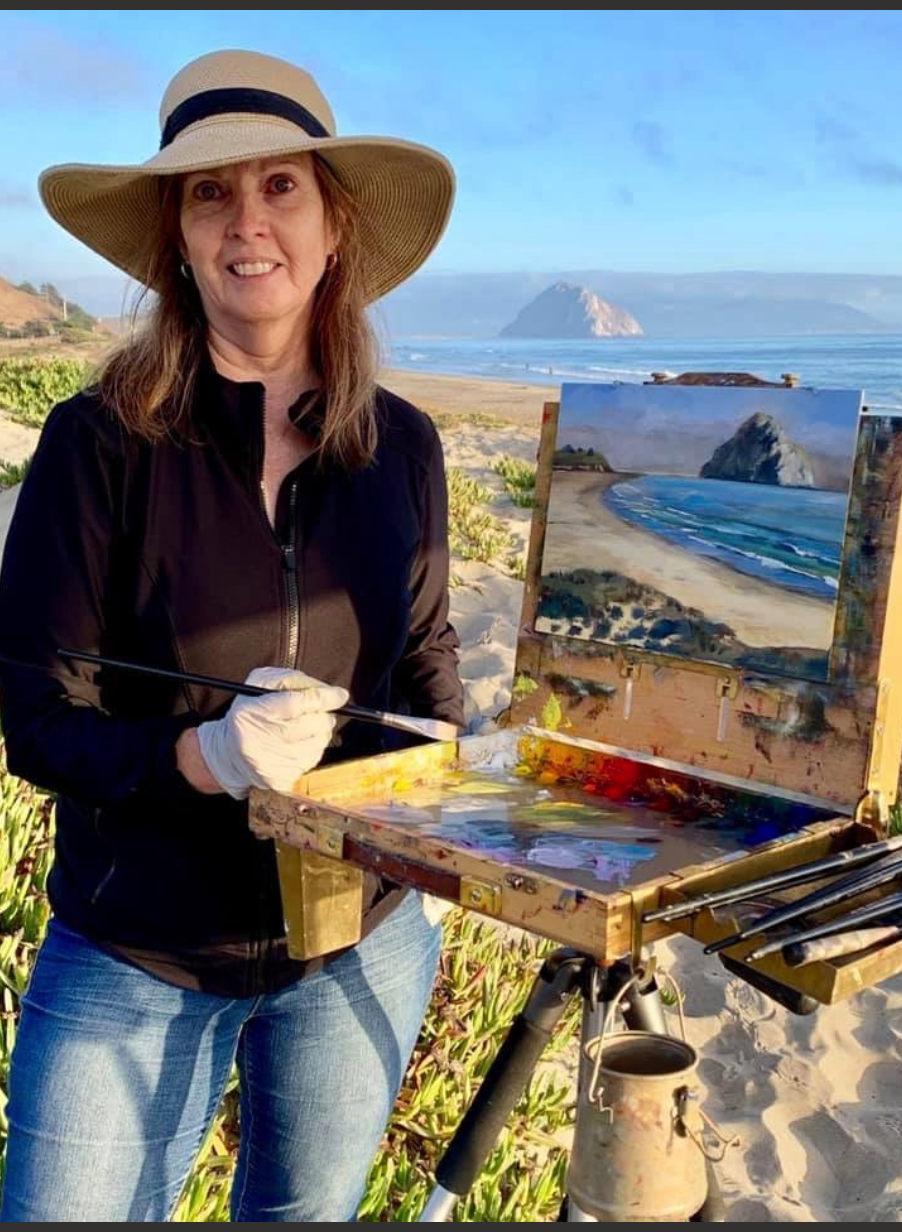
Janet Lombardi Blixt painting on location.
Janet says: "I graduated from college with a fine arts degree and a minor in graphic design. I then worked for advertising agencies and cosmetic companies where I designed logos, packaging, and advertisements before designing on computers was possible.
Going back to fine art while raising my three wonderful and creative children seemed like a good fit. I created art for interior design installations for many years. As my own children grew older, my love for children and learning led me to pursue a teaching career, which has become a most rewarding endeavor. For over ten years I've taught up to ninety students for six days a week."
| | |
|
Photo of a young student painting at Chico Art School
Janet says: "Currently, I am teaching four days a week at my Chico Art School. My students range from seven up to teens and adults, and from complete beginners to advanced artists. Students of all ages work on projects of interest to them, with an emphasis on drawing and painting and most importantly, having fun.
Most students work in oil, acrylic, pastel, colored pencil, watercolor, and charcoal, but I am always exploring new art ideas and new-to-me mediums such as stained glass, the cold wax medium, and 'shimmer drop' paints. whose colors change when viewed from different angles.
Right now I offer summer camp instruction, and my once a week lessons continue throughout the entire year as well. Weekly adult classes are three hours long to allow plenty of time for immersion in an art project without feeling rushed. I also offer birthday parties for children and paint night parties for adults."
| |
|
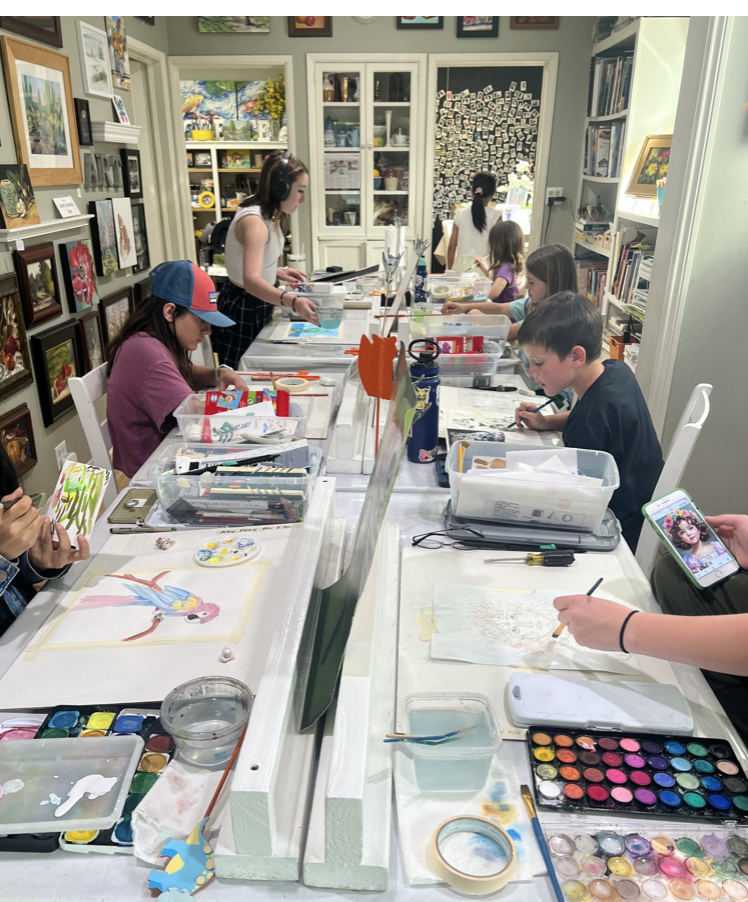
Photo of a class in progress at The Chico Art School.
"You'll find Chico Art School & Gallery at the corner of Third and Wall. It's a wonderful place to drop in and see art during Saturday’s Farmers Market. My paintings are on display together with work by other artists who offer paintings, ceramics, mosaics, jewelry, etc., for sale."
| |
|
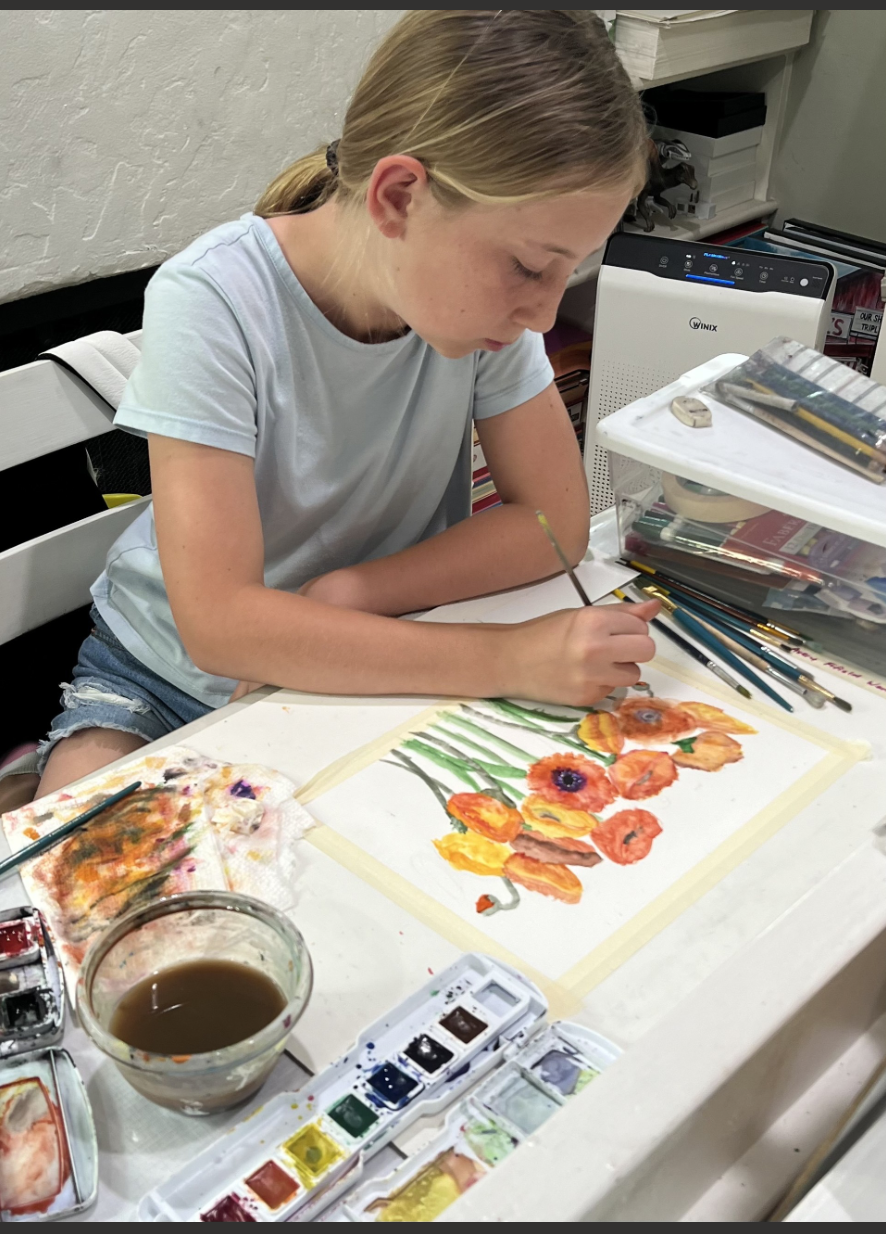
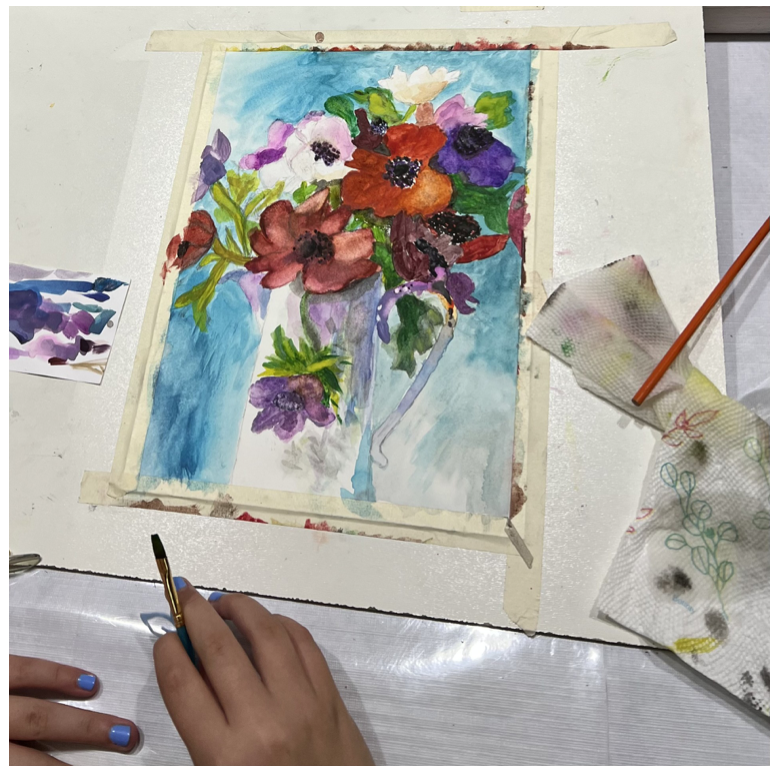
Photo: An adult student works on a floral painting at Chico Art School.
"My main focus with my adult students is to provide a safe and enjoyable environment for those exploring art or wanting to reintroduce it into their lives. Many students are eager to create, but struggle with anxiety and fear about art. I aim to transform that fear into excitement.
My classes offer a lot of freedom because I believe art should be a
personal expression, not restricted by strict rules. If you're looking for a fun and supportive atmosphere, consider the Chico Art School & Gallery.
Janet Blixt
Chico Art School, 261 E. 3rd Street,
530-570-3895. More information at:
www.chicoartschool.com
| |
|
SUBMISSIONS For the August issue of Art Talk on the theme of summer art activities are welcome (July 4 deadline).Feel free to email rough ideas to me: dmitchell@csuchico.edu
Art Talk" is a forum for the entire local art community including nearby towns. "Entire" means all ages and all levels of art-making from beginners to pros. Early submissions are welcome and I can chat with you by email or phone to help you get started: dmitchell@csuchico.edu.
Local media vehicles for art publicity have diminished drastically in the last decade. You can make "Art Talk" a more useful free communication outlet for our arts community by forwarding this copy to friends who can click below to subscribe.
https://docs.google.com/forms/d/e/1FAIpQLSf6d_A3vX1euAAXTzNHZepclpGCOFPirkUibW2b-m_62L4dSw/viewform
| | | | |