|
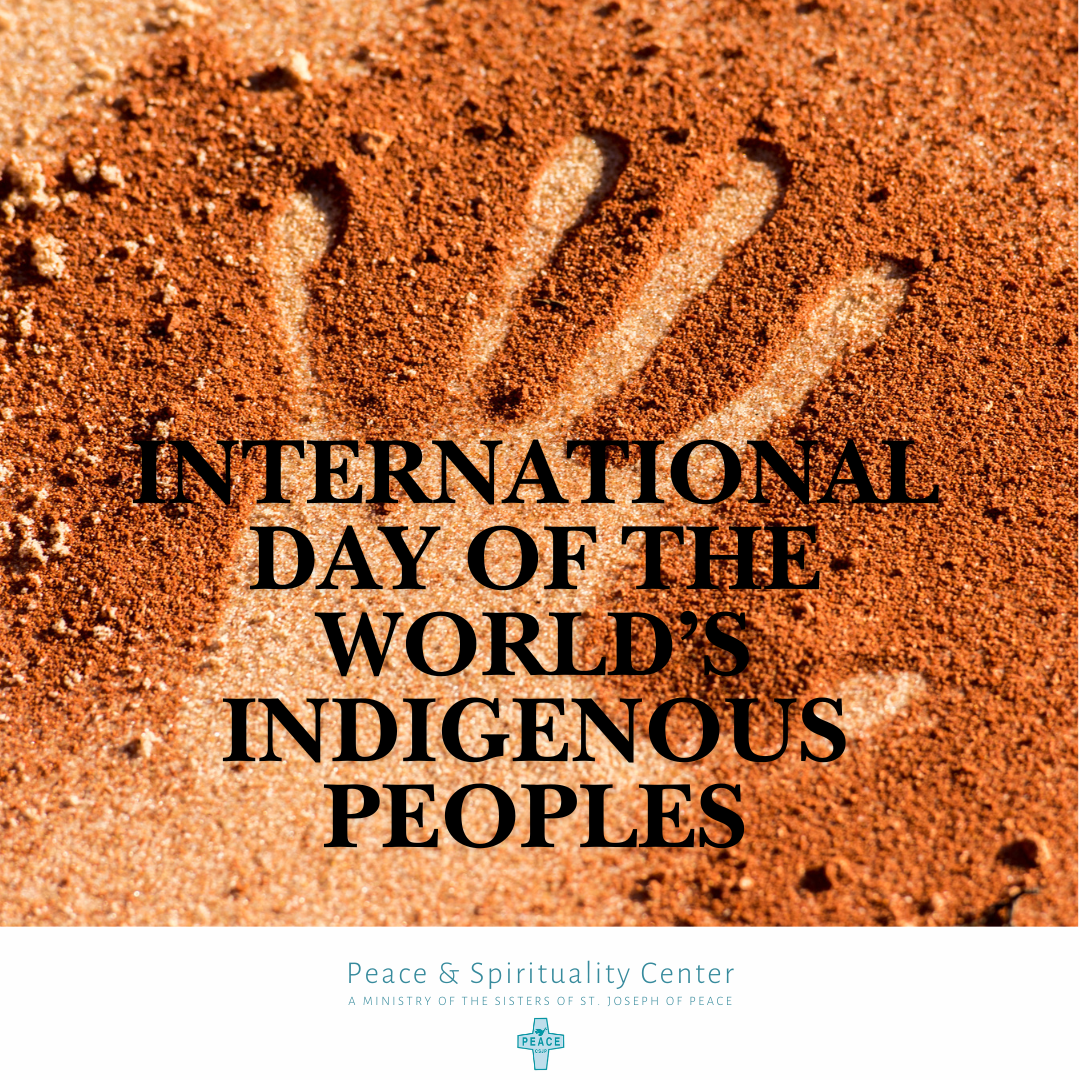
Each year on August 9, the United Nations observes the International Day of the World's Indigenous Peoples, a global observance dedicated to recognizing the cultures, histories, wisdom, and contributions of Indigenous peoples around the world. It is different from Indigenous Peoples' Day, observed in many parts of the United States on the second Monday of October, which focuses more specifically on the history and experiences of Indigenous peoples in our own country.
While the observances are different, they share a common invitation: to recognize the dignity of Indigenous peoples, to learn from their rich cultural heritage, and to reflect on what it means to share this world—and this land—with one another.
Here in Washington, that invitation is especially meaningful.
Every day we travel roads, cross rivers, admire mountains, and visit communities whose names come from the Indigenous peoples who have lived on this land for thousands of years. Yet many of us know surprisingly little about the people whose history and presence continue to shape the place we now call home.
And perhaps, if we're honest, we may even wonder: Why does this matter now? After all, we share the same cities, the same schools, the same roads, and the same future. Isn't that enough?
It is a fair question.
Many of the conversations surrounding Indigenous peoples today involve topics such as federal recognition, treaty rights, language preservation, or stewardship of the land. These conversations can seem distant from our daily lives, and it is easy to assume they are simply political debates about events long past.
Yet, these conversations are not primarily about the past.
- They are about preserving languages that are in danger of disappearing.
- They are about protecting places that hold deep cultural and spiritual meaning.
- They are about caring for rivers, forests, and wildlife that have sustained communities for generations.
- They are about honoring agreements that continue to shape relationships today.
- They are about ensuring that future generations inherit not only the land itself, but also the stories, traditions, values, and identity that help a people know who they are.
And why should that matter to the rest of us?
Perhaps because every one of us hopes that what we love will endure. We hope our children and grandchildren will know where they came from. We preserve family photographs, pass down recipes, celebrate traditions, and tell stories that remind us who we are. We restore old churches, protect historic buildings, and preserve places that carry meaning. We understand that memory is more than remembering the past—it is how we carry what we value into the future.
So... the hopes of Indigenous communities are, in many ways, not so different.
They, too, seek to preserve language, culture, sacred places, traditions, and ways of caring for creation so that future generations will inherit not only a place to live, but a sense of identity and belonging.
And that is something every human heart can understand.
While people may disagree about laws, policies, or the best ways to address these complex issues, and we do not all have to arrive at the same conclusions; we can all agree that every community deserves to have its story heard, its dignity respected, and its gifts valued.
Supporting Indigenous communities does not always require extraordinary action. Often it begins with ordinary choices.
- Take time to learn the name of the Indigenous nation whose ancestral homeland you now inhabit.
- Visit a local tribal museum or cultural center such as the Duwamish Longhouse or the Hibulb Cultural Center.
- Read books by Indigenous authors. Support Indigenous artists and businesses.
- Attend public cultural events.
- Learn about the ways Indigenous communities continue to care for the forests, rivers, salmon, and waterways that sustain us all.
- If conversations about Indigenous communities arise, choose understanding before assumptions, and listening before judgment.
- And pray—for healing where there has been division, for wisdom where difficult decisions remain, and for relationships marked by justice, respect, and hope.
None of these actions will resolve every challenge. But each one strengthens the kind of community in which people feel seen, heard, and valued.
And, maybe, for many of us, that is the deeper invitation of the International Day of the World's Indigenous Peoples. Not to carry the weight of history we cannot change, but to help shape the future we still can.
The place we call home has a story much older than our own. The more we learn that story, the more we discover that being good neighbors means caring not only for the land itself, but also for the people who have loved it, cared for it, and continue to call it home.
Disarming our hearts begins whenever we choose relationship over indifference, listening over assumptions, and respect over fear. Every act of genuine listening becomes a quiet step toward peace.
With gratitude,
The Peace & Spirituality Center
|