|
As another summer along the Severn comes to a close, we saw familiar challenges and encouraging signs of resilience. Periods of intense heat punctuated by heavy rains and the resulting nutrient runoff once again stressed the river. At times, contributing to algae blooms, reduced water clarity, and low dissolved oxygen in areas. As in 2025, more than half the days of summer in 2026 experienced a no-swim advisory somewhere along the river due to bacterial pollution.
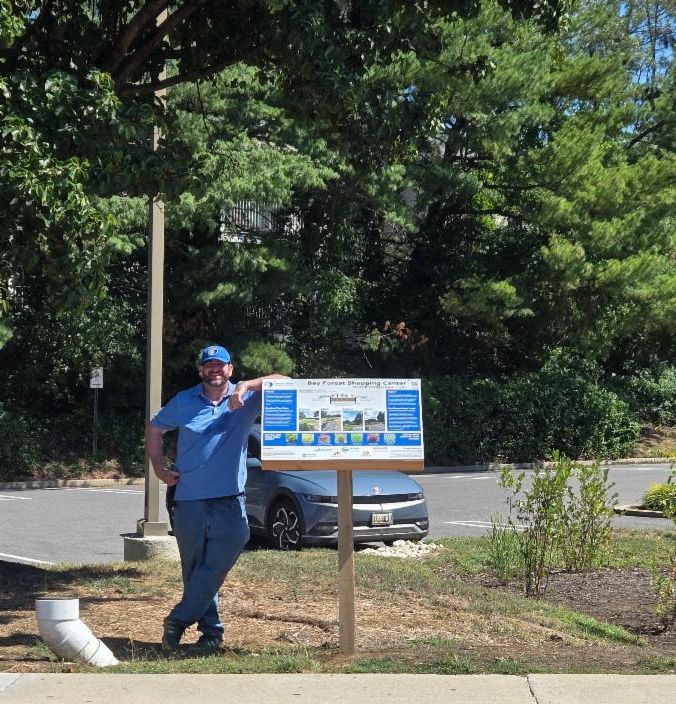
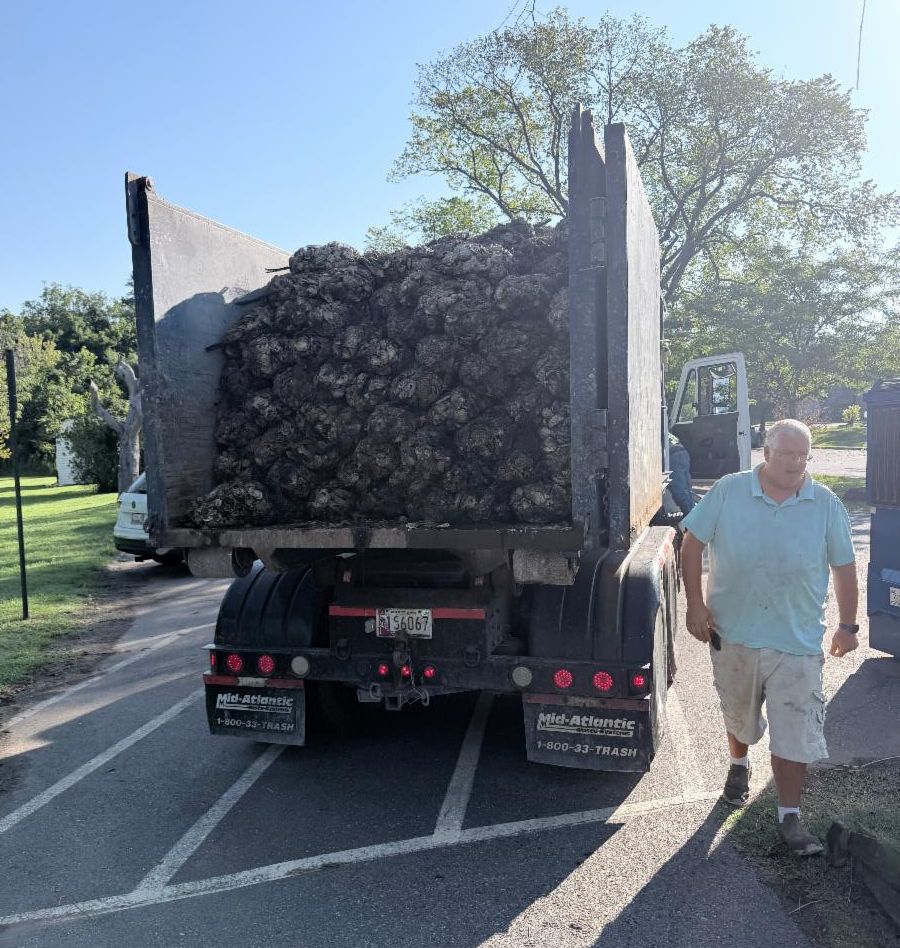
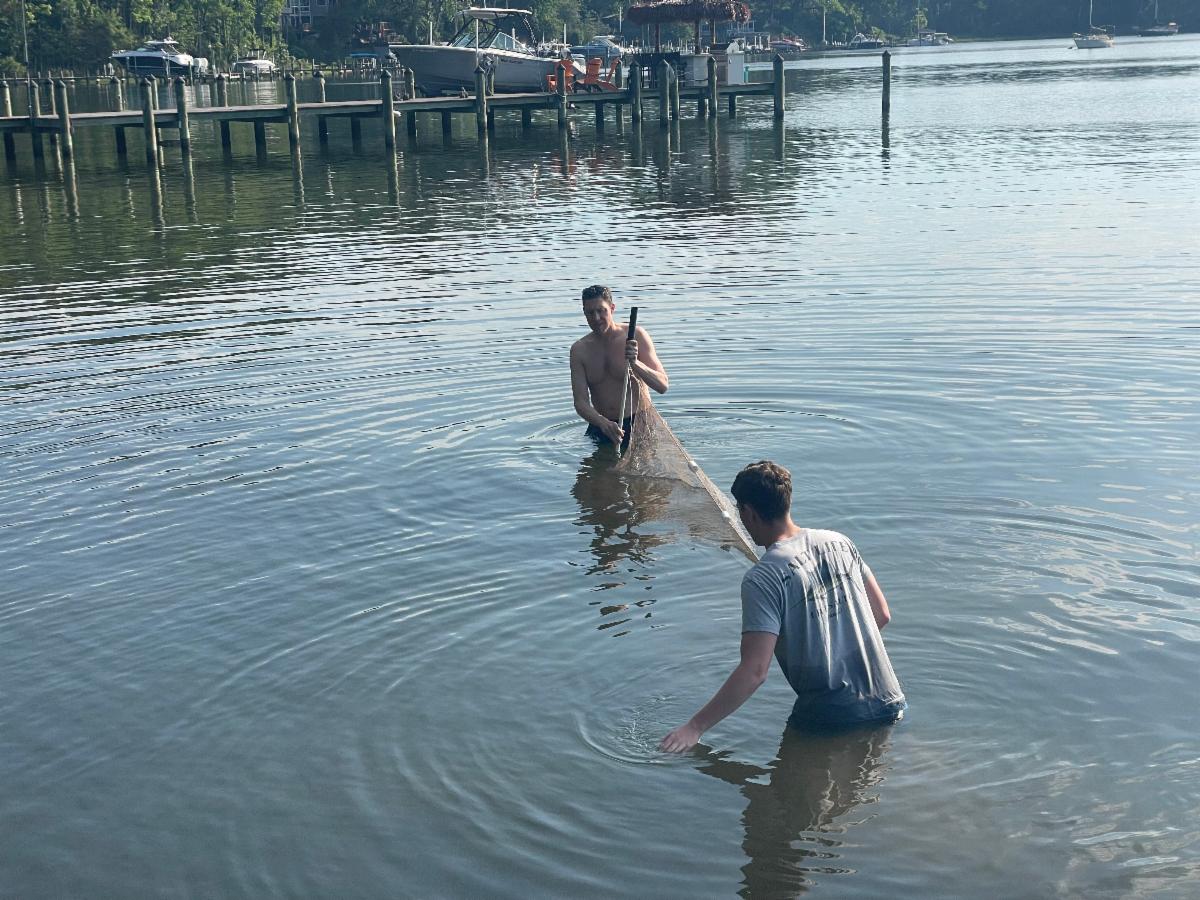
Understanding the river is the first step toward restoring it. Week after week, SRA's water quality monitoring team collected critical data throughout the watershed, helping us track conditions and identify emerging trends. That information is available on our interactive data portal SRA-WQDAS. For the first time in 2026 we also monitored nitrogen, phosphorus, and chlorophyll to deepen that understanding. The data we collect guides restoration efforts across the river, from stormwater retrofits and living shorelines to oyster restoration and watershed planning.
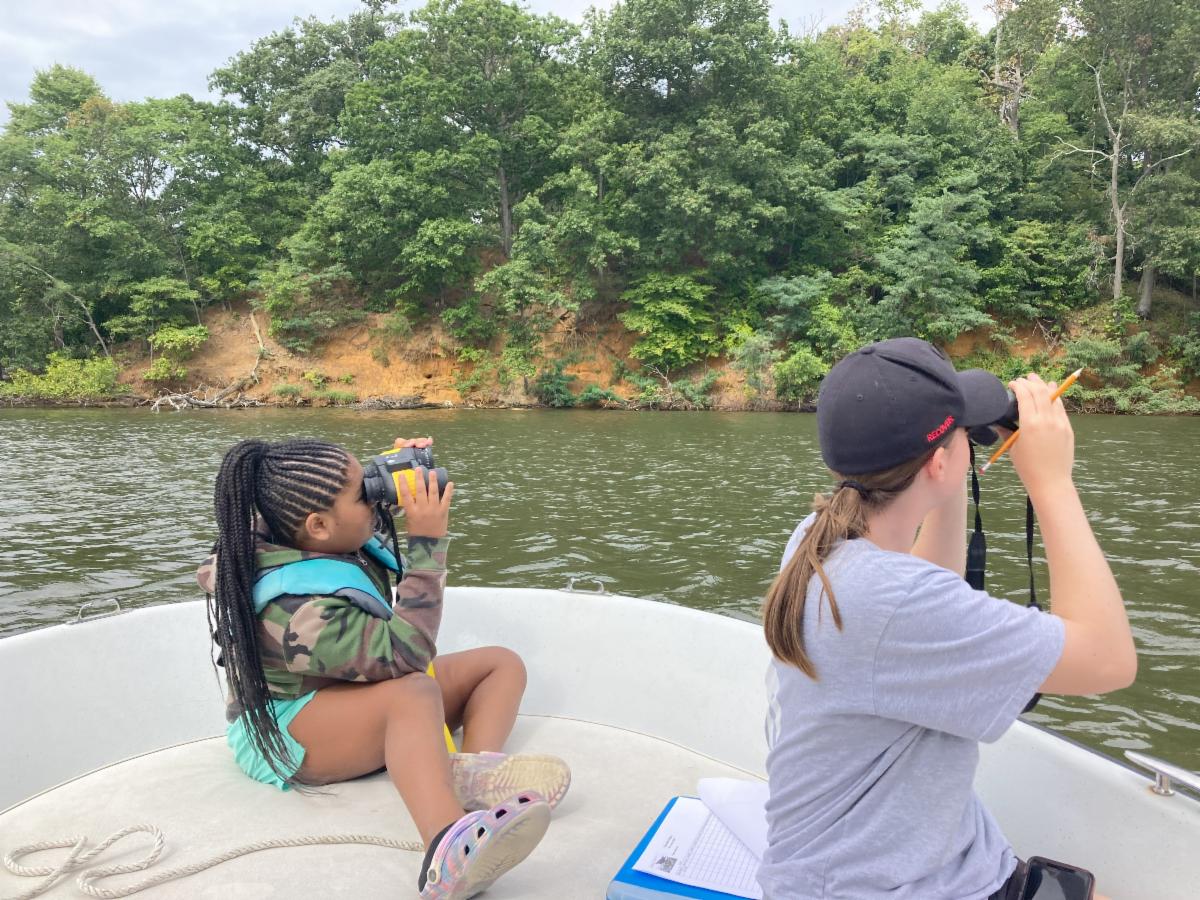
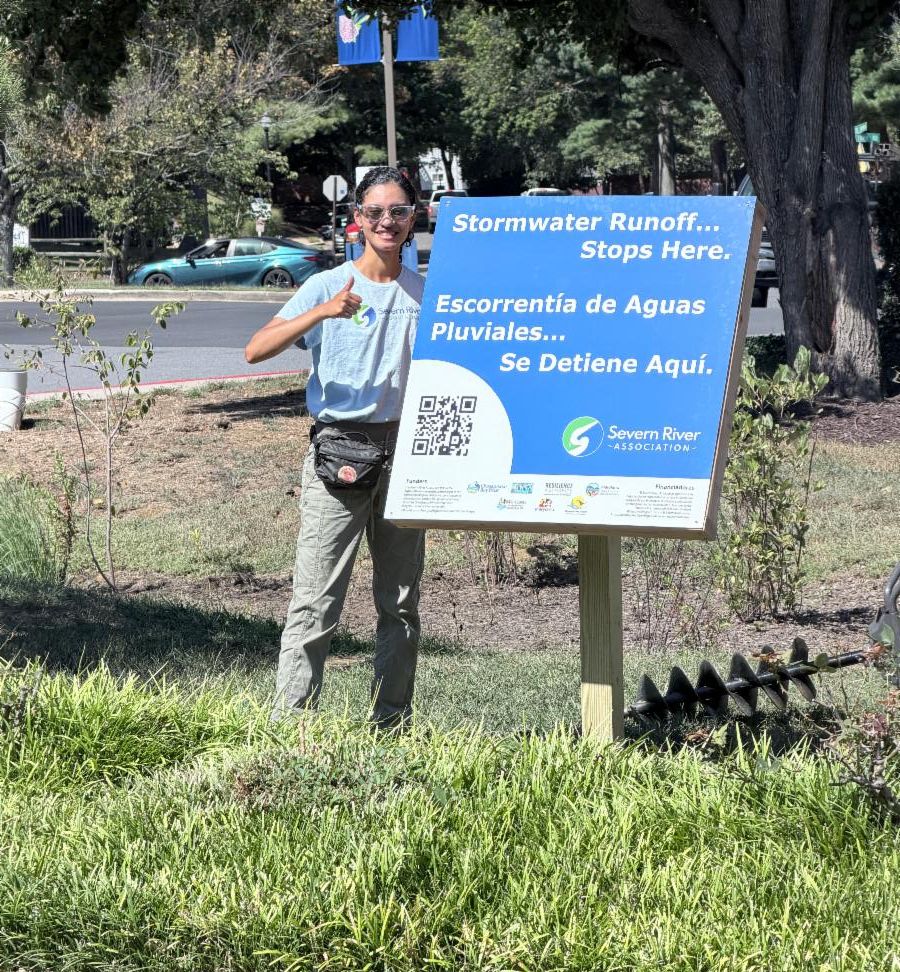
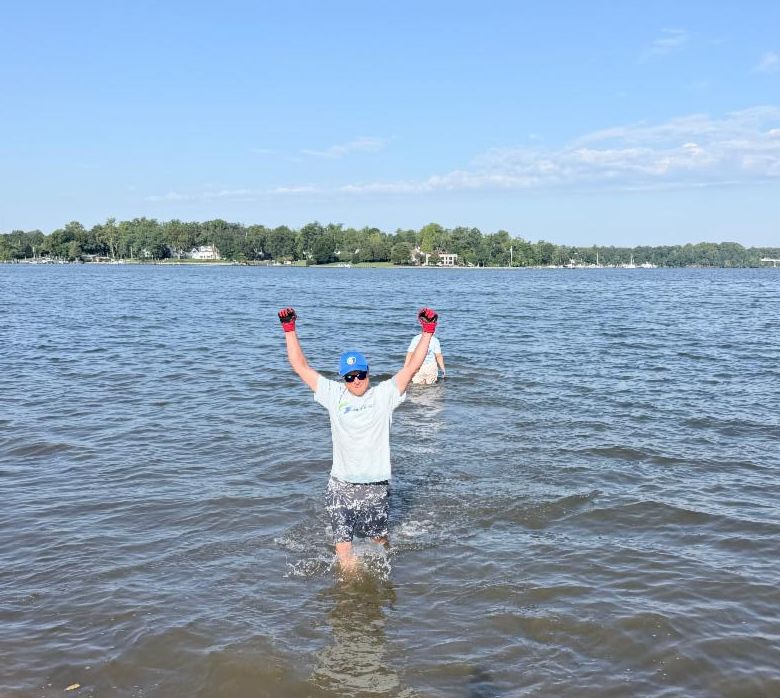
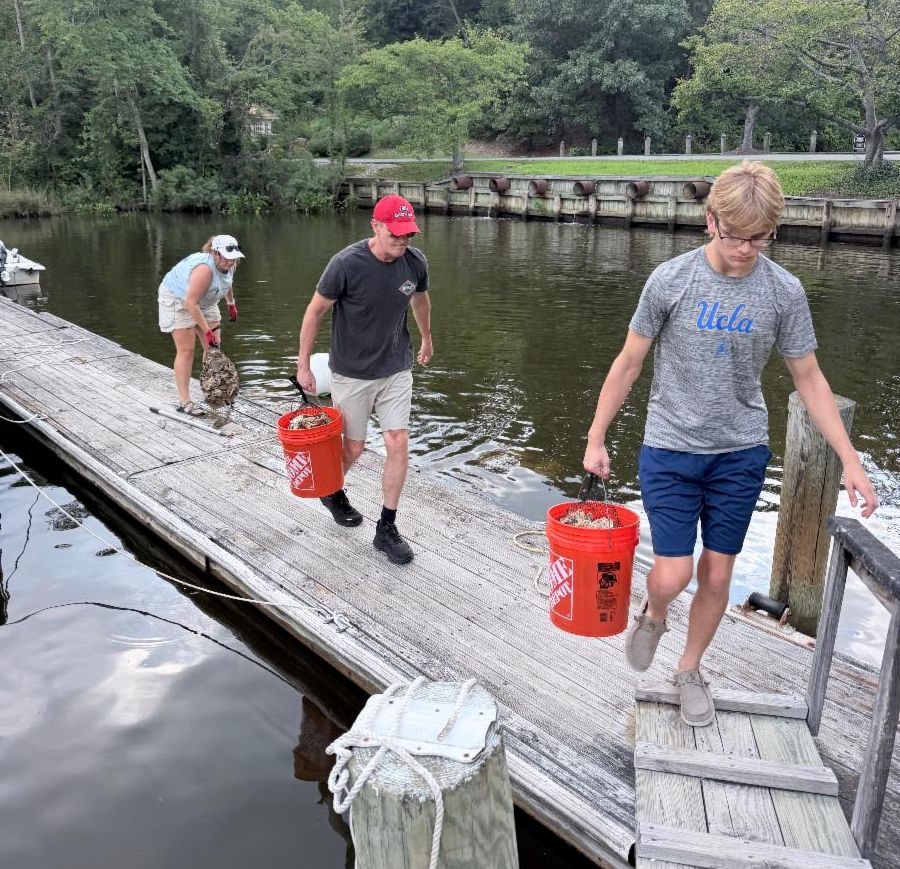
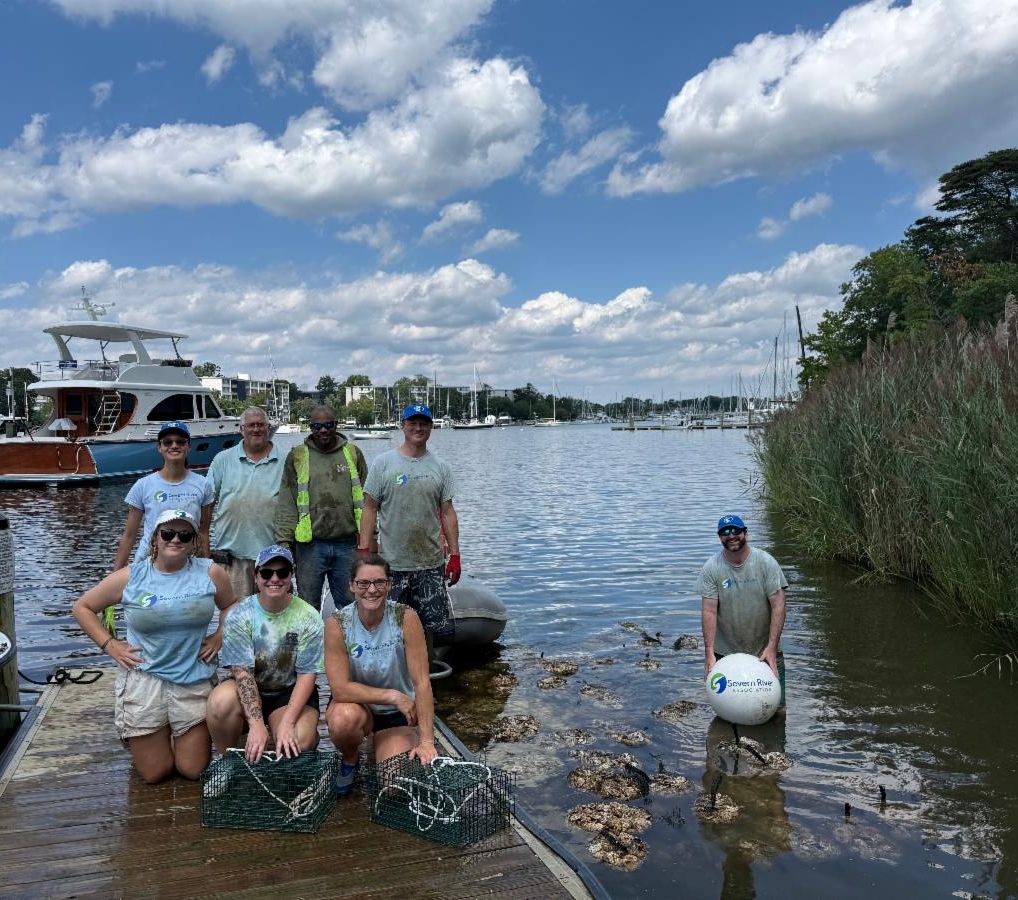
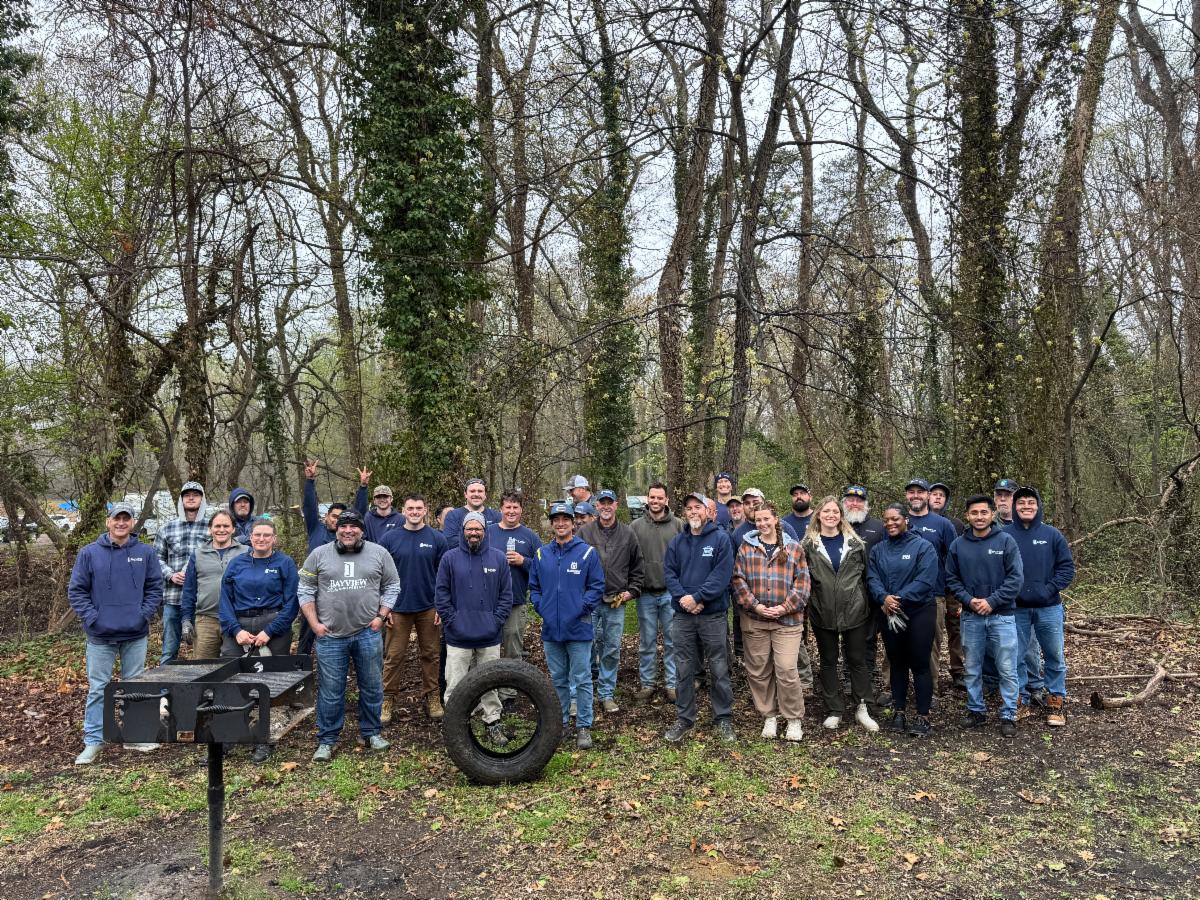
Looking back on the summer, we are grateful not only for the progress made, but for the community that makes it possible. Throughout the warmer months we were blessed by volunteers contributing hundreds of hours to cleanups and invasive species removals, and interacted with over one hundred children at summer camps and through our floating classroom programs.
While challenges remain, there is reason for optimism. The work of restoring the Severn is measured not just in data points and projects, but in a growing commitment to ensuring that future generations can experience a river that is cleaner, healthier, and more vibrant than the one we inherited.
|