Property Tax Bills Up in House and Senate Today

CS/SJR 2-F (Avila) and HJR 1-F (Overdorf) propose amendments to the Florida Constitution relating to property tax assessments, homestead exemptions, assessment limitations, and the use of local ad valorem tax revenues. The joint resolution would place a proposed constitutional amendment before the voters at the 2026 General Election in November.


CS/SJR 2-F passed the Senate Appropriations Committee last night by a vote of 13-5. HJR 1-F passed the House State Affairs Committee by a vote of 20-7.


Both House and Senate Joint Resolutions were amended to remove schools from the increased homestead tax exemption. The creation of the Trust Fund to provide grants to local governments was also removed from the bills.


The bills were also amended to allow property tax revenue to fund operations of county and municipal governments, including constitutional county officers, county commissions, city governments, and expenditures approved by local elected officials, unless a specific expenditure is prohibited by state law.

Floor sessions are underway in both chambers:

  • CS/SJR 2-F and SB 4 - The full Senate began consideration this morning at 9:00 a.m.
  • HJR 1-F and HB 3 - The full House began consideration at 10:00 a.m.


Watch live on The Florida Channel.

The time is NOW! Legislators will be voting very soon. Text your state legislators now and urge them to vote NO. House ContactsSenate Contacts


It is imperative that legislators understand the real-world impact these proposals could have on your city’s budget, services, and residents.


If you’ve engaged a contract lobbyist, now is the time to use them.

Key Talking Points


As you engage with your legislators, here are key points to communicate:


Why Property Taxes Are Essential

  • Property taxes fund the services that keep communities safe and functional. Property taxes fund core public safety and infrastructure, including police, fire, emergency response, and roads. These services make communities safe, insurable, and economically viable.
  • Florida is already a national leader in taxpayer value. Florida consistently ranks among the best states for taxpayer return on investment, meaning residents receive strong public services for the taxes they pay. Local governments deliver disciplined, efficient spending even as costs rise, which is why Florida's effective property tax rate is roughly half that of Texas. This balance of affordability and service is a competitive advantage worth protecting.
  • Property taxes provide stable and predictable revenue, particularly during economic downturns when sales taxes and tourism-related revenues are volatile.
  • Florida's property tax system was designed by voters, not politicians. Florida voters already approved caps for annual homestead assessment increases at 3%, protecting full-time homeowners from sudden tax spikes even when market values soar. That's not a loophole; it's a voter-approved safeguard.
  • Cities are partners in the state's prosperity. Cities are committed to fiscal discipline, local accountability, and keeping Florida an affordable and secure place to live.


What's at Stake

  • This proposal is a tax shift, not a tax cut. Eliminating property taxes doesn't eliminate the cost of government — it shifts the burden onto renters and small businesses through higher fees, new taxes, or reduced services.
  • Smaller communities face the steepest impact. An independent property tax study, modeling a $250,000 homestead exemption, found that some cities could see their tax base reduced so significantly that maintaining current levels of essential services would be at risk — with smaller communities facing the steepest impact.
  • Many Florida cities would have to dedicate nearly all remaining property tax revenue to public safety and still face funding shortfalls.
  • Eliminating property taxes without a sustainable replacement threatens the services residents depend on every day. Experts estimate it would blow a $43 billion hole in local budgets. To replace that revenue, Florida would need to double the state sales tax to 12% — the highest in the nation.
  • Local governments have made long-term commitments and issued bonds for critical infrastructure projects. Those obligations remain regardless of changes to the tax structure.
  • The proposal shifts financial decision-making from locally elected officials to Tallahassee, reducing local control and forcing cities to compete with each other for state funds. Florida voters have demonstrated their trust in local decisions, approving 89% of local tax referenda in the 2023-24 cycle.
  • There is no guarantee that this newly created trust fund will not be swept like other trust funds have been throughout Florida's history.

Thank You to Our Members


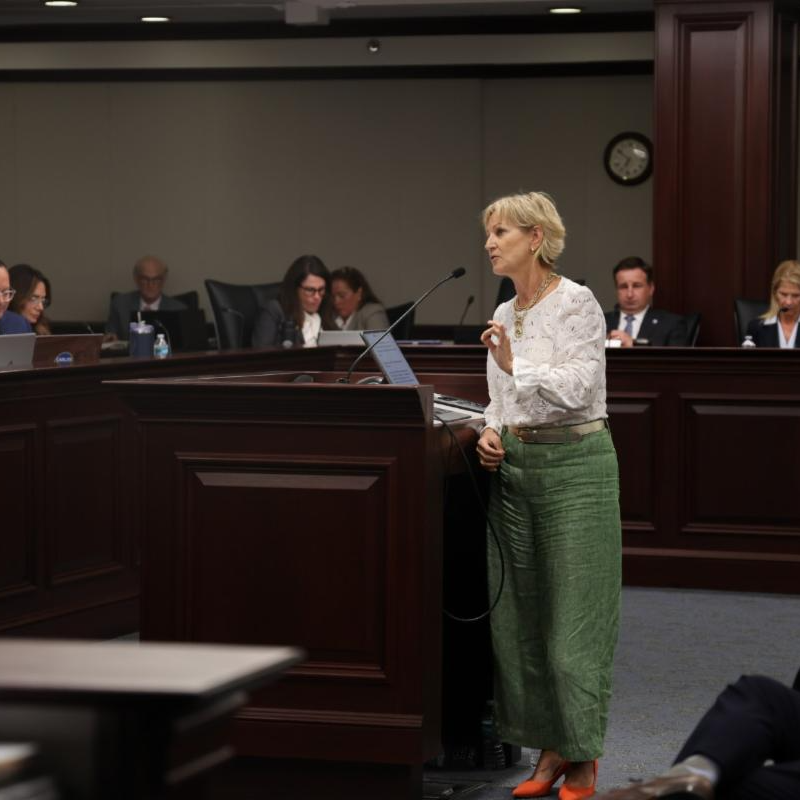
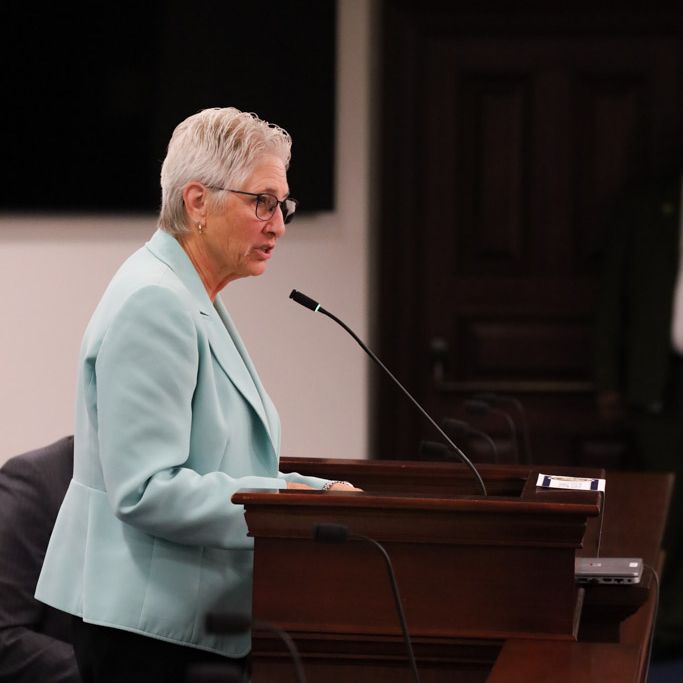
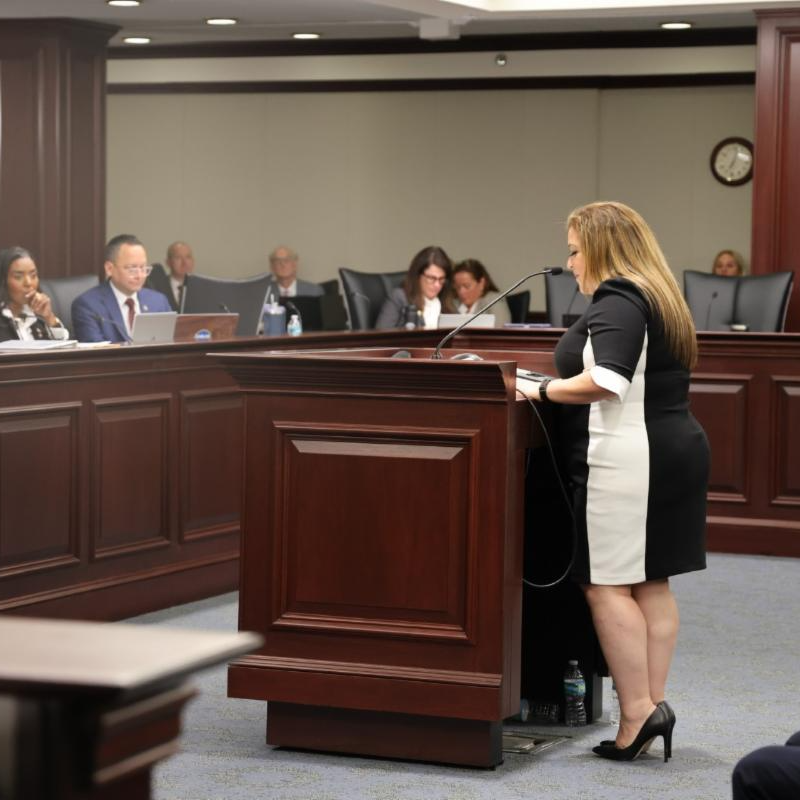
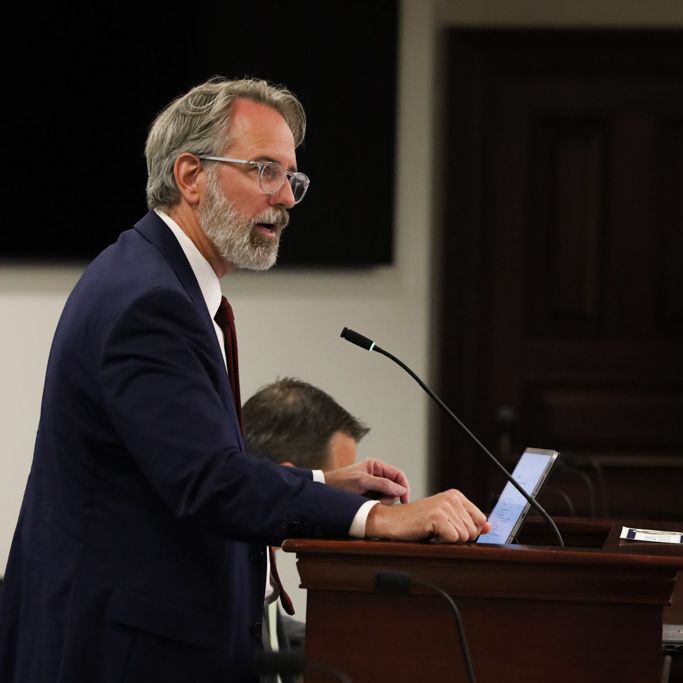
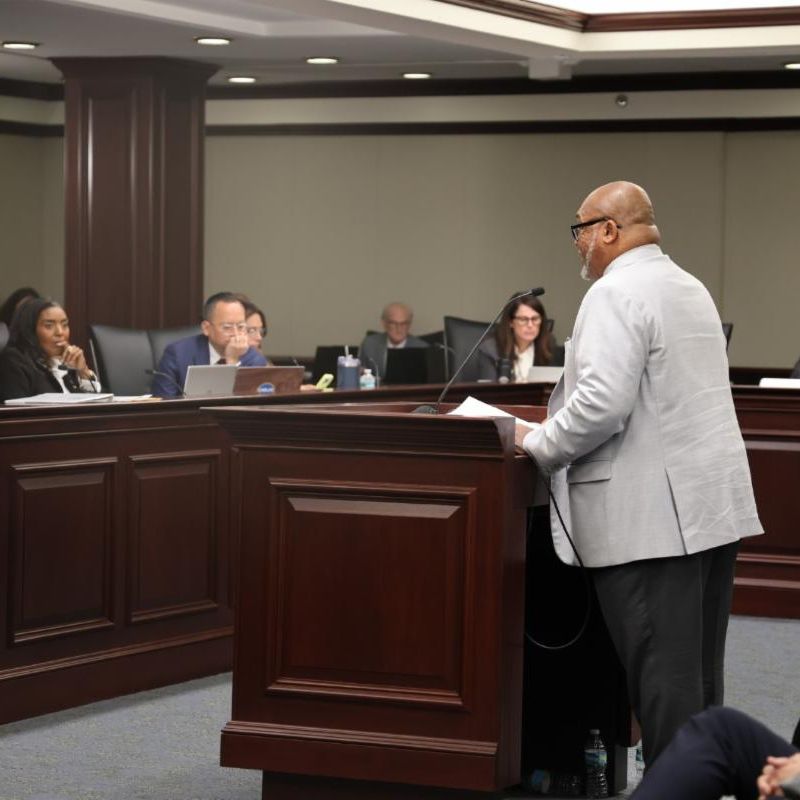
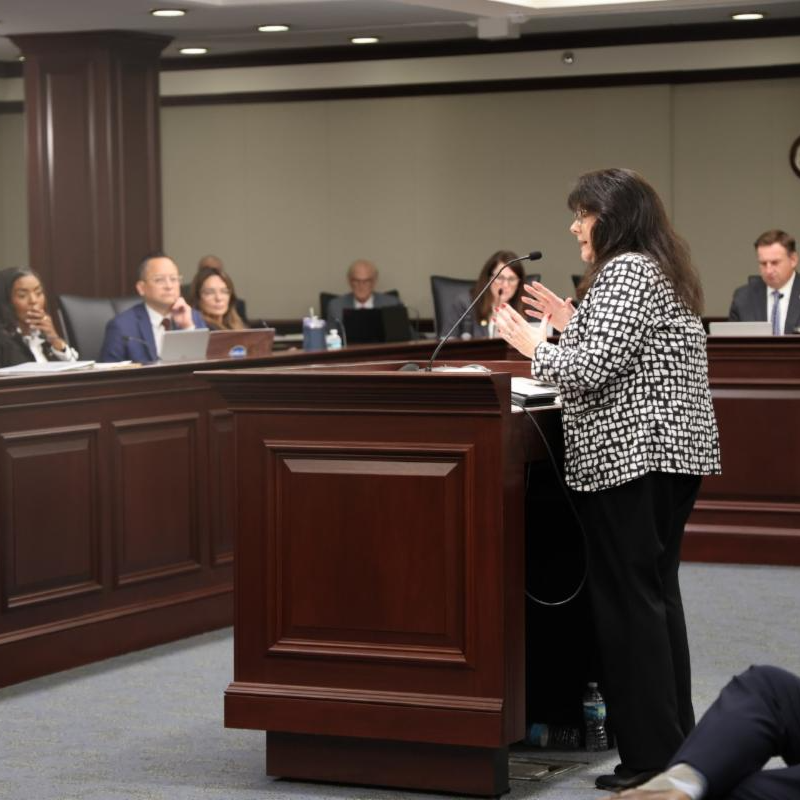
The League extends its sincere thanks to the city officials who traveled to Tallahassee to testify before the committees:


  • FLC President, Councilwoman Holly D. Smith, City of Sanibel
  • Vice Mayor Jolien Caraballo and Finance Director Stephen Okiye, City of Port St. Lucie
  • Councilman Shaun Ferguson and City Manager Brenda Fettrow, City of Rockledge
  • City Manager T. Michael Stavres, City of Winter Haven
  • City Manager Ann Toney-Deal, City of Seminole

Resources


The League has developed a Property Tax Toolkit with ready-to-use messaging materials, talking points (available in English, Spanish, and Creole), shareable videos, and key messages to help you communicate clearly about property taxes with your community and legislators.

Please contact Charles Chapman with any questions.

Facebook  Instagram  X  LinkedIn  YouTube