Header

Legislative Update               April 13th, 2026

Public safety and protecting children lead the week as Senate nears adjournment


The Senate is continuing to wrap up committees as the Commerce and Labor Committee closed

Last week.


Key legislation that advanced includes protections for law enforcement, guardrails for AI platforms to protect children, curbing the use of harmful substances and improving

medical care for patients.


This week attention will shift to budget negotiations and wrapping up legislative business as the Senate is set to meet every day for floor sessions.

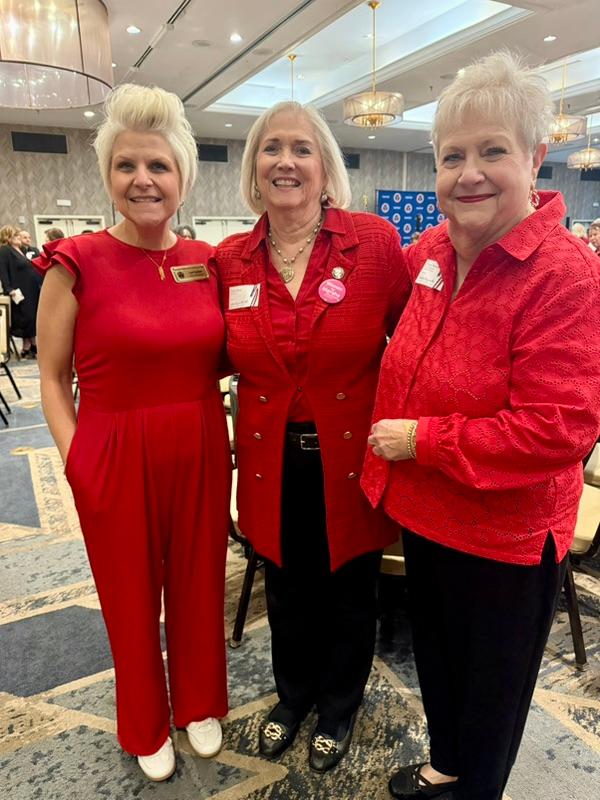
Lori Hullett and Carol Thousand with the Knoxville Federated Republican Women's Club came to Nashville for the statewide meeting of Republican women.


Last Week in the Senate


Legislation passed to protect churches from public disruption


To protect the sanctity of religious gatherings, the Senate passed Senate Bill 2327. The legislation establishes a Class A misdemeanor offense for intentionally interfering with lawful religious services, including trespassing, disruptive demonstrations, or other acts that disturb or obstruct the order and solemnity of a service.


Committee advances measure to combat youth vaping and invest in prevention


To increase awareness of the dangers of vaping among young Tennesseans, the Commerce and Labor Committee passed Senate Bill 2066. The legislation would set aside 30% of tax revenue from vapor products for youth nicotine prevention programs and services across Tennessee.


Vapes contain high levels of nicotine, which is highly addictive and can harm the parts of an adolescent’s brain that control attention, mood and impulses. They are the most commonly used tobacco products among U.S. youth, according to the Centers for Disease Control and Prevention.


The bill now heads to the Finance Committee for fiscal review.


Senate passes legislation to help children reach permanent homes sooner


The Senate passed legislation to reduce delays in the adoption process and help children in stable home placements achieve permanency more quickly.


Senate Bill 1751 allows courts to waive a preliminary home study and six-month waiting period in certain non-relative adoptions if the child has already been living in the home for at least twelve months. Current law gives courts similar flexibility for some relative adoptions, but not in cases where a child is already safely established in a non-relative home.


The measure is intended to remove unnecessary barriers in the adoption process while still allowing courts to ensure placements are safe and appropriate.


This legislation builds on the work of the General Assembly to make the adoption process in Tennessee quicker, easier and cheaper to ensure more children are in loving stable homes.


Legislation establishes AI safety standards to protect children


To establish guardrails for child safety with artificial intelligence (AI), the

Commerce and Labor Committee passed Senate Bill 2171.


The legislation requires large, consumer-facing AI chatbot companies to publish child safety risk assessments and mitigation plans. If a child safety incident occurs that

results in death, bodily injury or damage to mental health, companies must report it to the attorney general, with civil penalties of up to $50,000 per violation.


The bill now heads to the Senate Floor for final consideration.


Legislation advances to expand biomarker testing coverage


To expand access to precision medicine and improve patient outcomes, the Commerce and Labor Committee passed Senate Bill 435. The legislation would require state-regulated health insurance plans to cover biomarker testing when ordered by a healthcare provider for diagnosis, treatment or ongoing monitoring of a patient’s disease or condition. The legislation does not include coverage for the cost of screenings, but does offer provisions to ensure testing is supported by medical and scientific evidence.


Often used in cancer care to help physicians identify the most effective treatment for a patient, biomarker testing is increasingly used to guide care for other serious conditions such as autoimmune and neurological diseases, cardiovascular disorders, arthritis and preeclampsia.


The bill now heads to the Senate Floor for final consideration.


Legislation creates certification process for IVF clinics to ensure patient safety


The Senate passed legislation requiring all fertility clinics in Tennessee to obtain a certificate from the Department of Health (DOH) to perform Assisted Reproductive Technology (ART) services. Senate Bill 2461 establishes a certification process to ensure clinics meet professional standards, maintain proper emergency plans, and follow current clinical practice guidelines. IVF treatment helps build families who have been unsuccessful conceiving naturally.


To receive a certificate, a clinic must verify its membership with the Society for Assisted Reproductive Technology (SART), provide an emergency plan for embryo transfer in case of permanent closure, and show proof of passing its most recent laboratory inspection by the College of American Pathologists or the Joint Commission on Accreditation of Healthcare Organizations. Clinical directors must be licensed physicians, board-certified in obstetrics and gynecology, have completed a fellowship in reproductive endocrinology and infertility (or equivalent training), demonstrate substantial clinical experience with ART, and maintain continuing education in the field.


Committee advances legislation to support live music venues


To support Tennessee’s live music industry and ensure fair contributions from ticket resellers, the Commerce and Labor Committee passed Senate Bill 2456. The legislation establishes the “Tennessee Live Music Support Act,” directing five percent of the sales price from tickets sold on secondary markets to the Live Music and Performance Venue Fund.


Under the bill, third-party ticket resellers like StubHub, Vivid Seats, and SeatGeek must register with the Department of Revenue to collect and send in these funds. The money will go to support local music and performance venues across Tennessee. Resellers who don’t comply may face added interest penalties set by the Commissioner Revenue.


The bill now heads to the Finance Committee for fiscal review.


Senate passes bill to protect jobs and businesses in tourist

development zones


The Senate passed legislation to protect jobs, support local businesses and preserve customer access in Tennessee’s tourist development zones. Senate Bill 2157 prohibits local governments from blocking streets or rights-of-way within a tourist development zone (TDZ) in ways that disrupt business operations. The bill allows temporary closures only for limited purposes such as construction, maintenance, repairs, infrastructure improvements, emergencies or approved events outlined in the legislation.


The measure is intended to ensure businesses in high-traffic tourism areas remain accessible to customers, employees, delivery drivers and ride-share services without unnecessary interference from local governments.


It also allows the Tennessee Highway Patrol to work alongside local agencies within TDZs and directs the Tennessee Department of Tourist Development, in collaboration with the Tennessee Department of Economic and Community Development, to establish rules designating those areas as economic protection zones.


Senate passes legislation increasing mobility of lineworkers during states of emergency


To support utility lineworkers restoring power during emergencies, the Senate passed Senate Bill 2658. The bill allows utility lineworkers to travel on public roads and enter areas under curfew or restricted access during a declared state of emergency.


It also designates these workers as first responders and provides civil immunity for actions taken in good faith while restoring power, protecting them from liability for injury, death, or property damage.


Senate passes legislation aimed at preventing deed fraud by strengthening requirements for recording property deeds


To help prevent deed fraud and protect property owners, the Senate passed legislation strengthening requirements for preparing and recording property deeds. The bill requires that any deed transferring real property be prepared by a licensed attorney, a licensed title insurance agent, the property owner, or someone legally authorized to act on the owner’s behalf.


Senate Bill 1707 also requires an affidavit with each deed confirming who prepared it and that it was properly signed and notarized, adding an extra layer of verification before it can be recorded. The legislation comes in response to growing concerns about deed fraud, including reported attempts to unlawfully transfer ownership of properties.

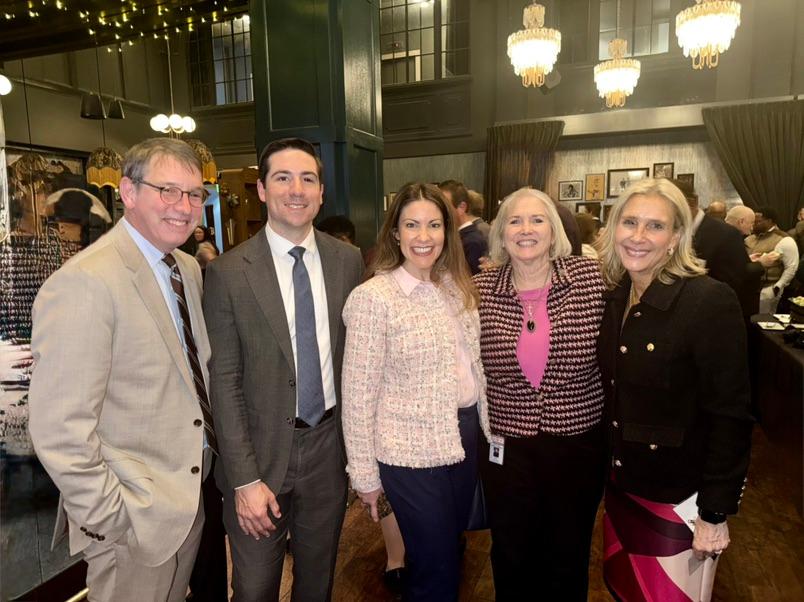
Members of the Knoxville Bar Association were in Nashville for their Day on the Hill.

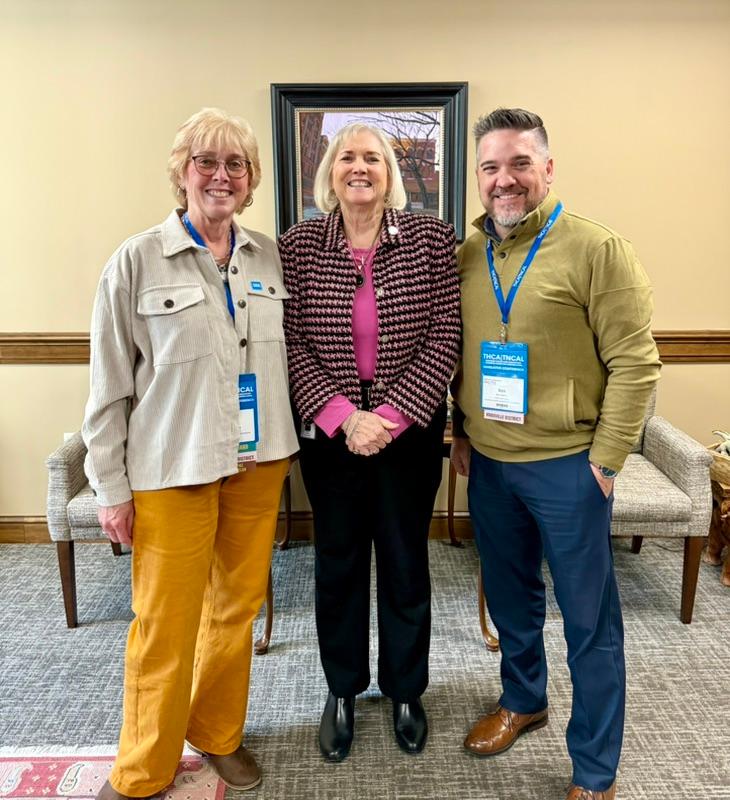
Trudy Durham and Ben Stiefel stopped by during the Tennessee Health Care Association Day on the Hill.

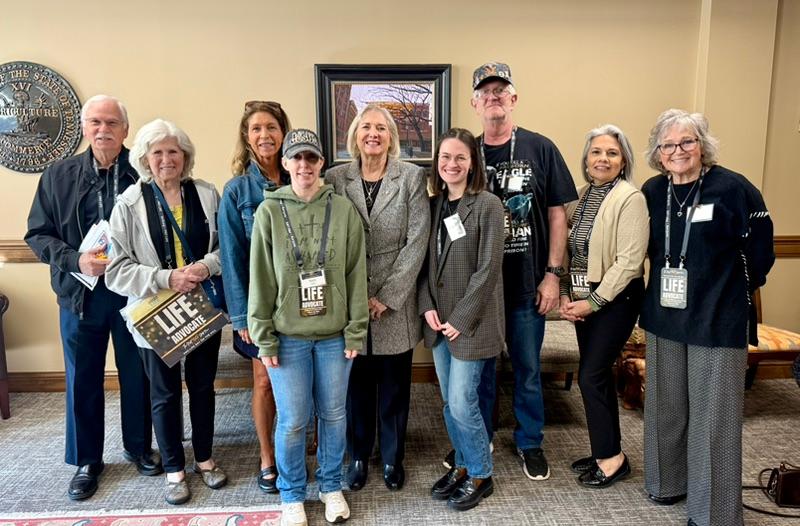
Volunteers with Right to Life stopped by for a visit while in Nashville.

Legislative Progress


Reducing cost and delay of annexations - To make it easier for cities to expand without the cost and delay of a full referendum, the Senate passed legislation allowing certain annexations with written property owner consent. Senate Bill 997 allows annexation without a public vote if at least two-thirds of the property owners agree in writing, those owners collectively own more than half of the land being annexed, and the annexation involves nine or fewer parcels. The bill is aimed at facilitating industrial or small-scale expansions while avoiding the expense of a referendum, which under current law requires 50% of voters to approve.


Increasing accountability for hit-and-runs resulting in death – The Senate passed legislation to add minimum sentencing requirements to those convicted of leaving the scene of an accident if the person knew or should reasonably have known resulted in death, which is a Class E felony. Senate Bill 1602 mandates a minimum one-year prison sentence that must be served at 100% and a fine ranging from $5,000 to $10,000.


Protecting sensitive homeland security information - The Senate passed legislation to protect the privacy of certain Homeland Security records that, if made public, could threaten public safety. Senate Bill 1881 specifies that records related to critical infrastructure, terrorism prevention, threat assessments and security operations are confidential and not subject to public disclosure under the Tennessee Public Records Act. It also protects detailed security information such as vulnerability assessments, emergency response plans, and cyber security configurations that could be used to exploit weaknesses if disclosed. To maintain legislative oversight, it requires annual reporting to the General Assembly on threats against public officials. It does not\ broadly close records or limit access to routine law enforcement information, but instead would narrowly protect specific categories of sensitive security information.


Redeeming property after a tax sale - To make it easier for homeowners to buy back property after unpaid taxes, the Senate State and Local Government Committee passed legislation that changes how long people have to redeem a property after a tax sale. Senate Bill 1983 gives homeowners with three years or less of unpaid property taxes one year to reclaim their property, and those with more than three years of unpaid taxes 90 days. The bill shortens and standardizes the redemption period so properties don’t stay on the tax sale list too long. Senate Bill 1983 now goes to the full Senate for a vote.


Providing financial flexibility to seniors with reverse mortgages - To modernize Tennessee’s reverse mortgage laws and provide older homeowners with additional financial flexibility, the Commerce and Labor Committee Senate Bill 2190. Known as the “Tennessee Reverse Mortgage Innovation Act” the legislation will recognize additional reverse mortgage products beyond those currently insured through the Federal Housing Administration (FHA). Currently, only FHA-insured reverse mortgages are authorized in Tennessee. The measure would allow reverse mortgages on homes that exceed the FHA maximum lending limit and expand eligibility to borrowers as young as 55, compared to the FHA minimum age requirement of 62. The bill would also extend eligibility to homeowners living in condominiums that do not meet FHA approval guidelines, increasing access for property owners. The bill now heads to the Senate Floor for final consideration.


Protecting property rights and supporting EV infrastructure - To ensure homeowners can embrace new technology without unnecessary barriers, the Commerce and Labor Committee unanimously passed Senate Bill 1787. The legislation prevents condominium and homeowners associations from banning electric vehicle charging stations on private property or designated parking spaces. The bill now heads to the Senate Floor for final consideration.


Workforce Pell Grant programs - To expand access to high quality job training and maximize federal resources, the Commerce and Labor Committee passed Senate Bill 2193. The legislation requires the Governor, in coordination with the State Workforce Development Board to approve workforce training programs eligible for federal Workforce Pell Grants. It also ensures coordination across state and federal workforce initiatives to prevent duplicative payments for costs already covered by Pell Grants. The bill now heads to the Finance Committee for fiscal review.


Standardizing non-compete agreements - To create consistent and fair standards for non- compete agreements, the committee advanced Senate Bill 995. The legislation sets clear guidelines for how long non-competes can last, giving businesses and courts more certainty. It also protects lower-wage workers by banning non-competes for employees earning $70,000 or less. If an agreement is too broad, courts can adjust it to make it reasonable instead of throwing it out entirely. The bill now heads to the Senate Floor for final consideration.


Vehicular assault – The Senate passed legislation to expand the definition of vehicular assault to protect public safety. Senate Bill 375 ensures that vehicular assault applies to any person, regardless of age, who receives a broken bone from a vehicle. The bill removes the age restriction from vehicular assault, which currently only applies to children 12 years of age or younger who have broken a bone. The other elements of the definition remain unchanged: a substantial risk of death, protracted unconsciousness, extreme physical pain, or protracted loss or substantial impairment of a function of a bodily member, organ or mental faculty.


Tougher DUI penalties in active school zones – Legislation to increase penalties for impaired driving near schools passed the Senate. Senate Bill 1658 establishes a mandatory minimum 30-day jail sentence for individuals convicted of a DUI if the offense occurs within a marked school zone while warning flashers are active. The measure is aimed at strengthening protections for children, school staff and families during high-traffic school hours by imposing stricter consequences for dangerous driving in areas where pedestrians are most vulnerable.

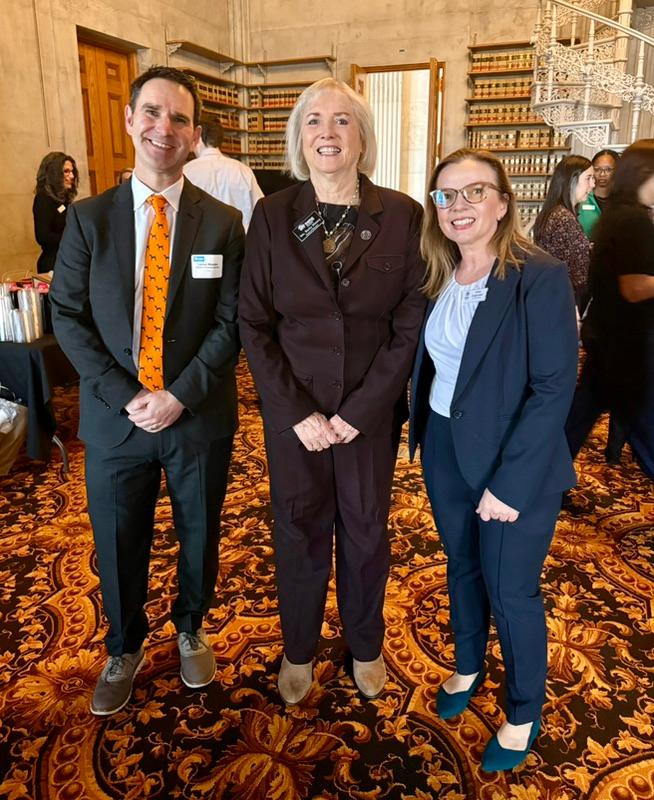
Anna Englestad and Lance Weeden, with Habitat Knoxville, visited during their Day on the Hill. I am honored to serve on the State Habitat Board.

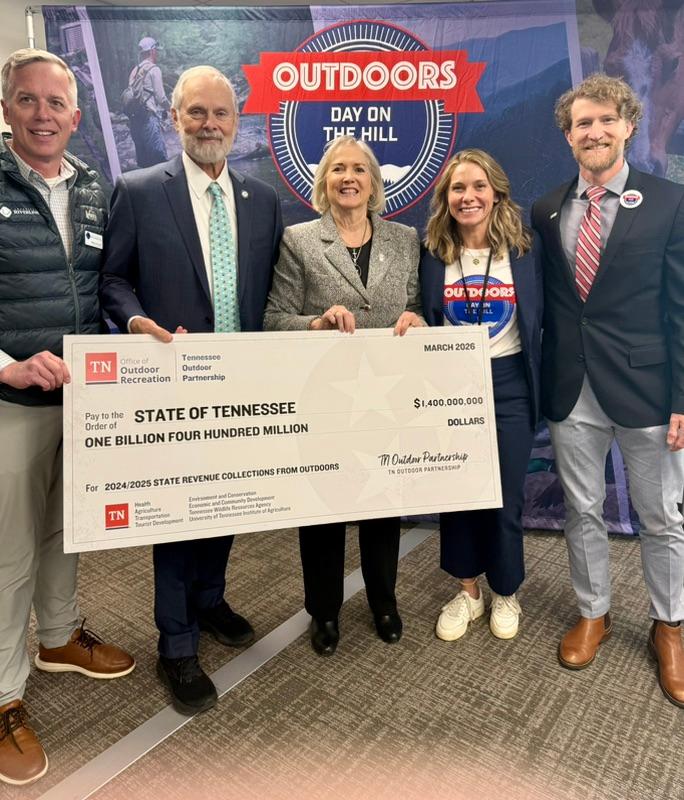
Rep. Dave Wright and I helped celebrate Outdoor Day on the Hill and it's contributions to our state and quality of life.

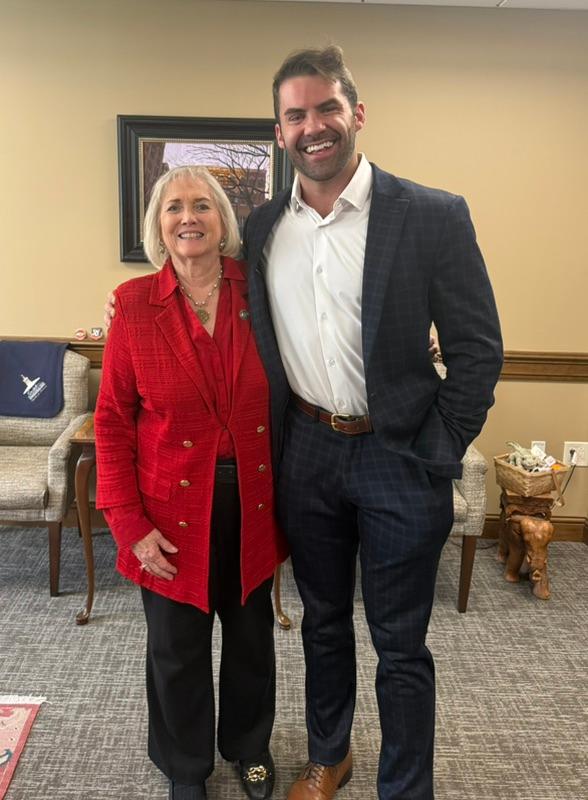
Garrett Holt stopped by for a visit while in Nashville.

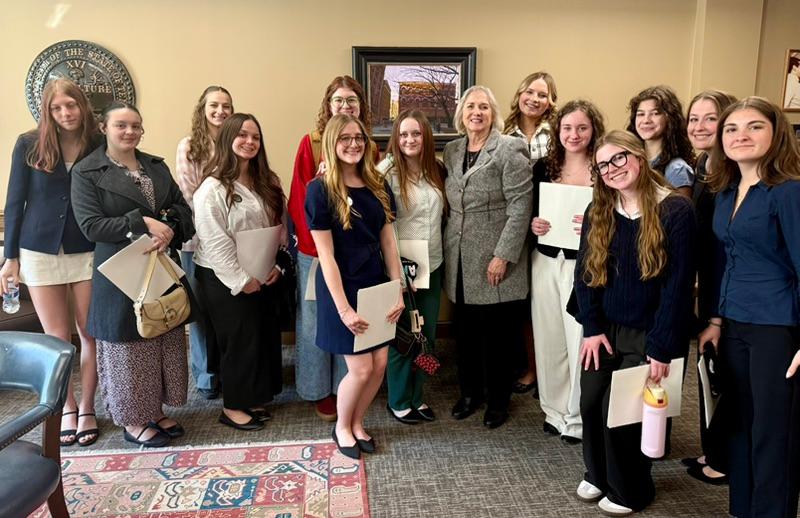
Students from West High School stopped by for a visit to discuss legislation of importance to them. 

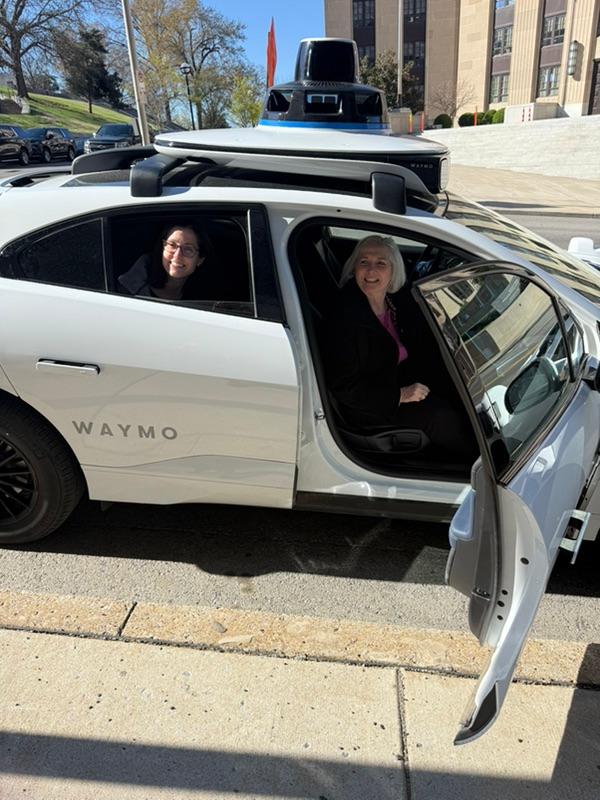
Carly Nelson, with my office, and I were able to take a test ride in one of the new Weymo autonomous vehicles that have begun operations in Nashville. I felt totally safe during our driverless ride.

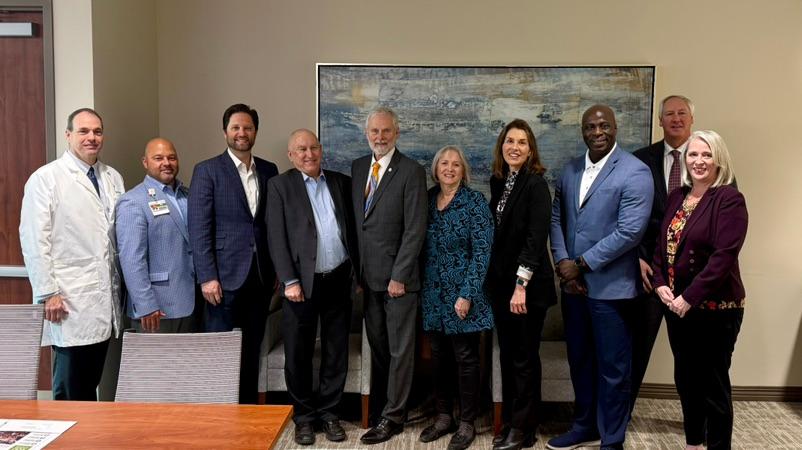
I joined area elected officials at Tennova Turkey Creek to discuss healthcare in our community.

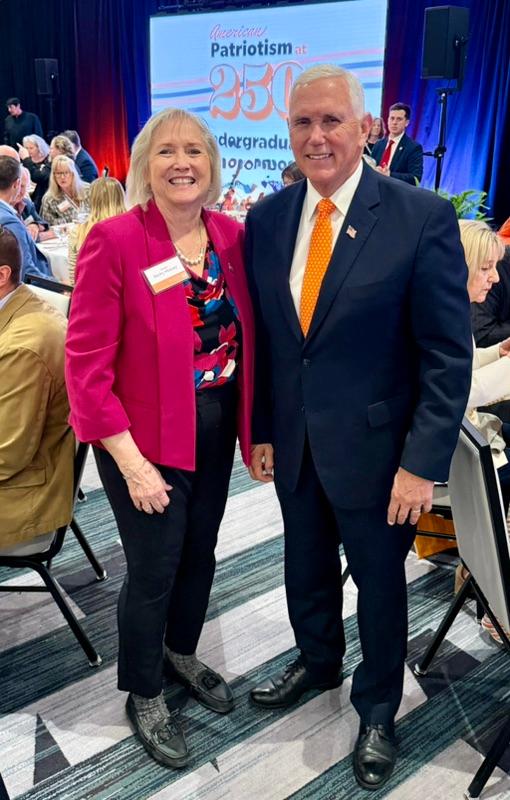
UT hosted a Civics Symposium with Former Vice President Mike Pence as the main speaker.

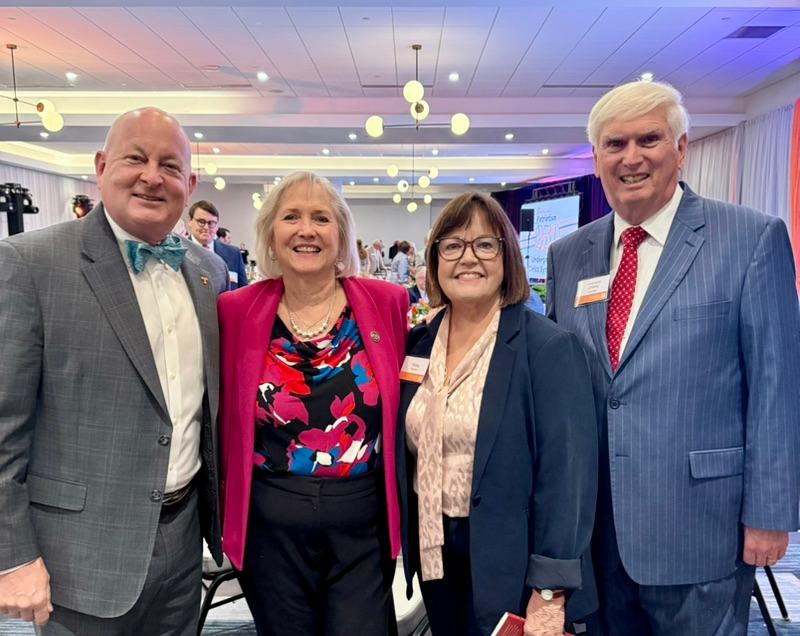
I was joined at the Symposium by Keith Carver, Sr. Vice Chancellor of the Institute of Agriculture, and my brother and his wife, former Congressman Jimmy and Vicki Duncan.

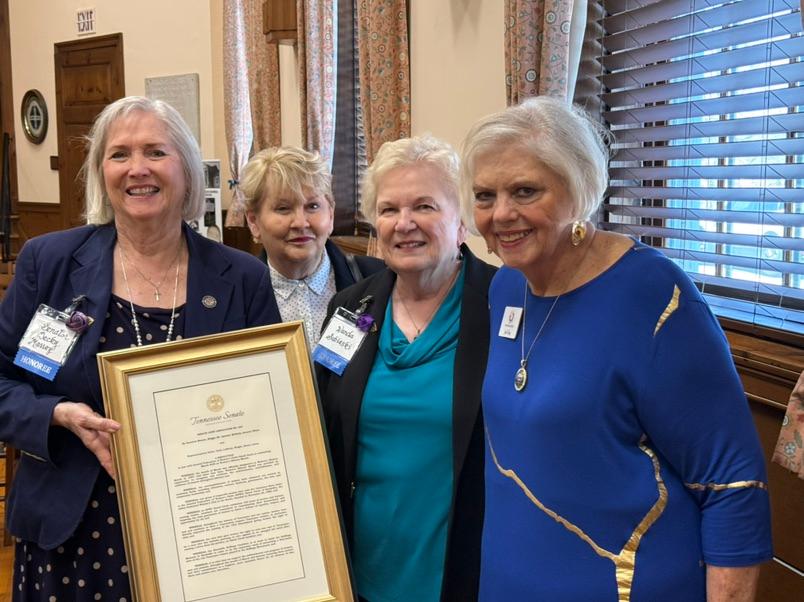
The General Federation of Women's Clubs Ossoli Circle celebrated Women's History Month by honoring Knoxville women.

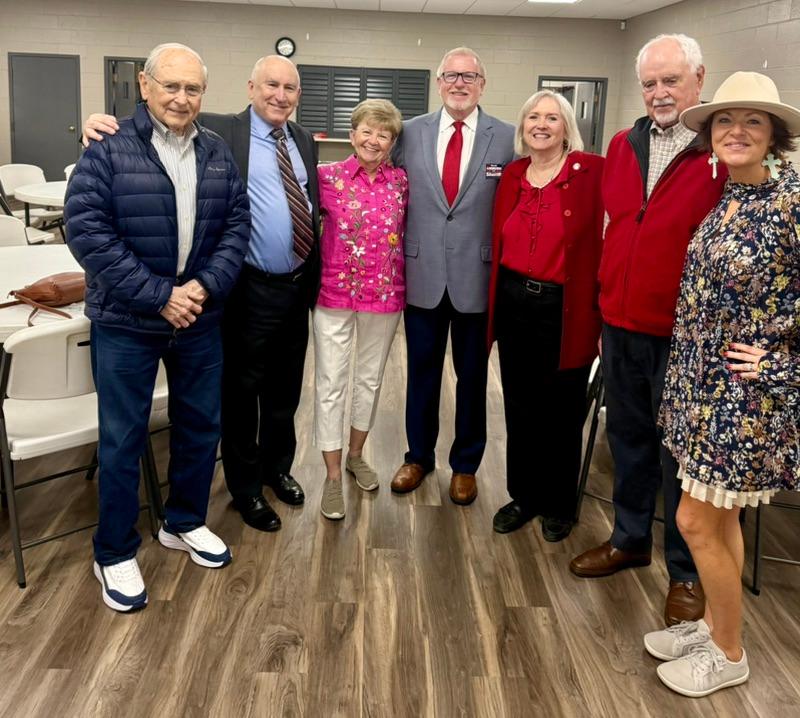
I enjoy attending the Halls Business & Professional Association's annual Easter Prayer Breakfast.

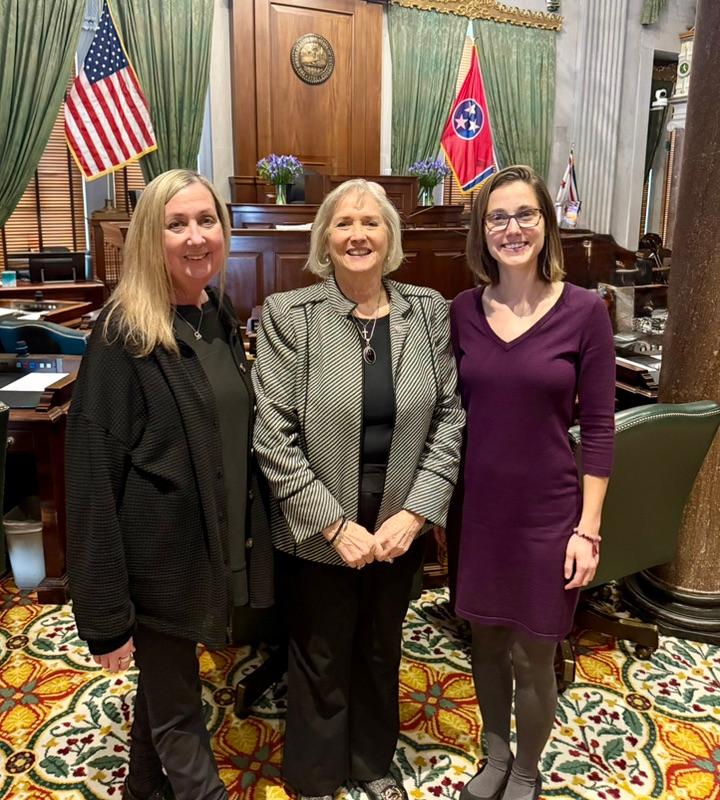
If our office can ever be of service to you or your family, please don't hesitate to contact us. On the right is Carly Nelson, my Legislative Assistant. On the left is Debbie Gazzaway, our Research Analyst for the Transportation and Safety Committee. We can help with issues with a state department, information on legislation, setting up a tour of the Capitol or scheduling an appointment or speaking engagement.


For information on State Senators including phone numbers and email addresses, click Tennessee State Senators.


For House members, click Tennessee House Members

For all other information on the General Assembly including legislation, schedules and videos, click Tennessee General Assembly


As always thank you for continued support!


Sincerely,


Becky Massey

District 6 Senator

615-741-1648

sen.becky.massey@capitol.tn.gov