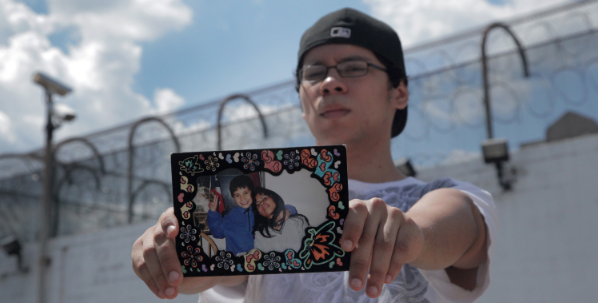
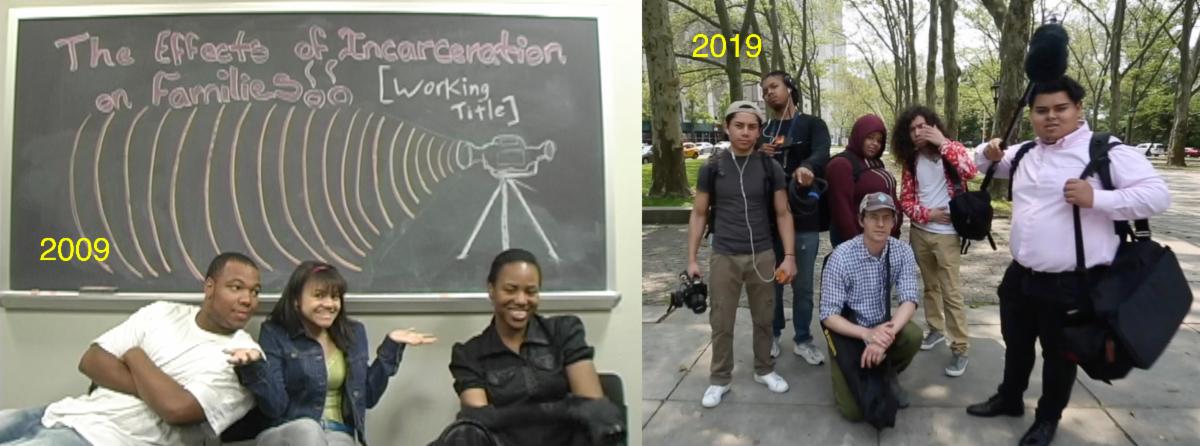
Echoes is 10 years old this year. We're looking back at all we've learned over that time and also looking forward to 2020 when we're planning to become a registered not-for-profit, and building our infrastructure so we can work deeper and smarter in the years ahead.
If you've ever benefitted from our work, received one of our free DVDs, had one of our youth speak in your classroom, or been moved by one of our films,
please consider making a tax-deductible gift to carry us into our second decade.
Your support is essential in strengthening our work training young people, educating stakeholders, and making powerful documentaries and video journalism to change the conversations around criminal justice and youth.
And now for 10 lessons from our first 10 years...
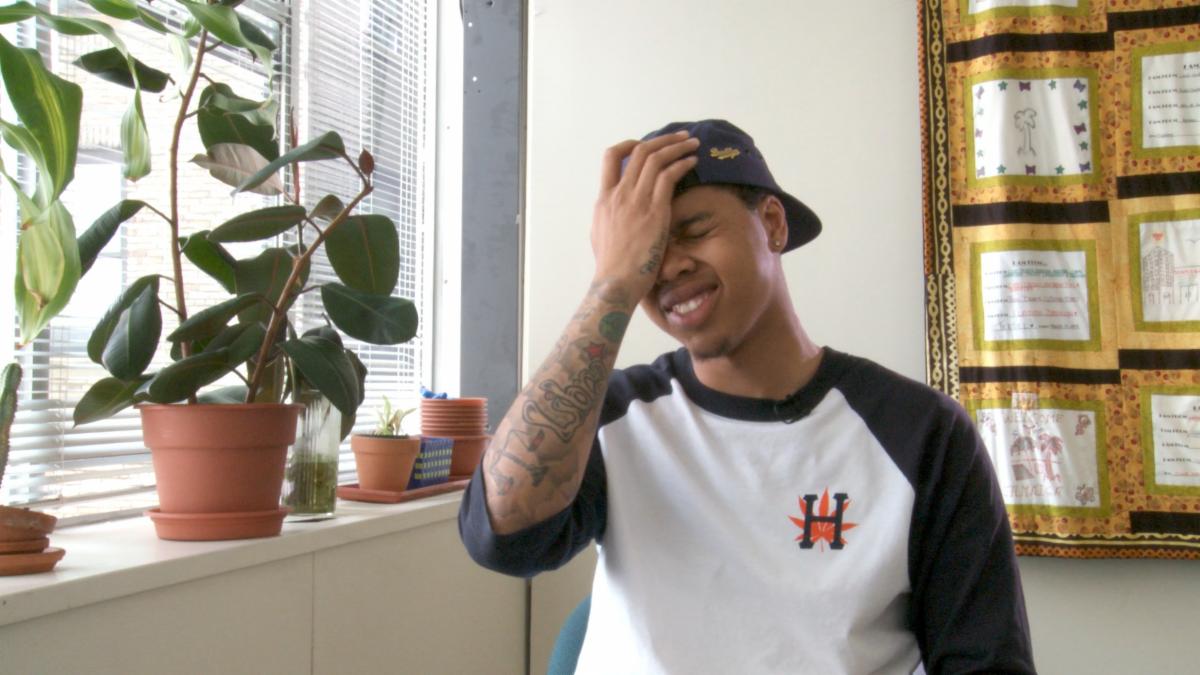
Lesson 1: Practice everything, make lots of mistakes.
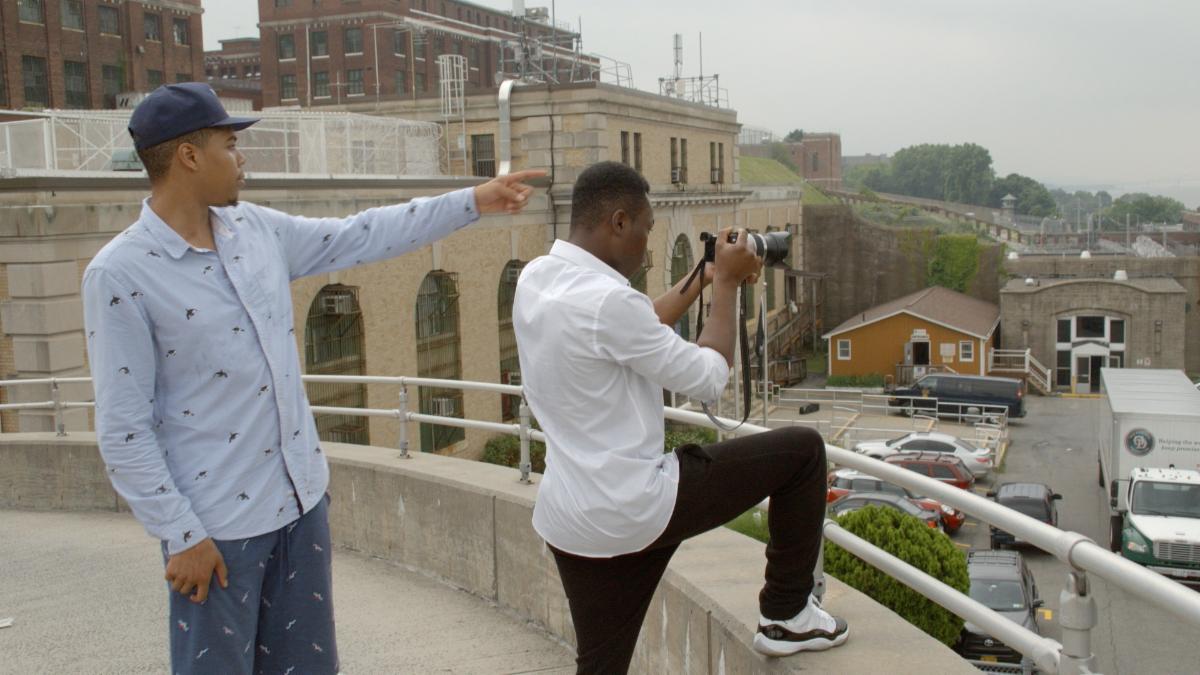
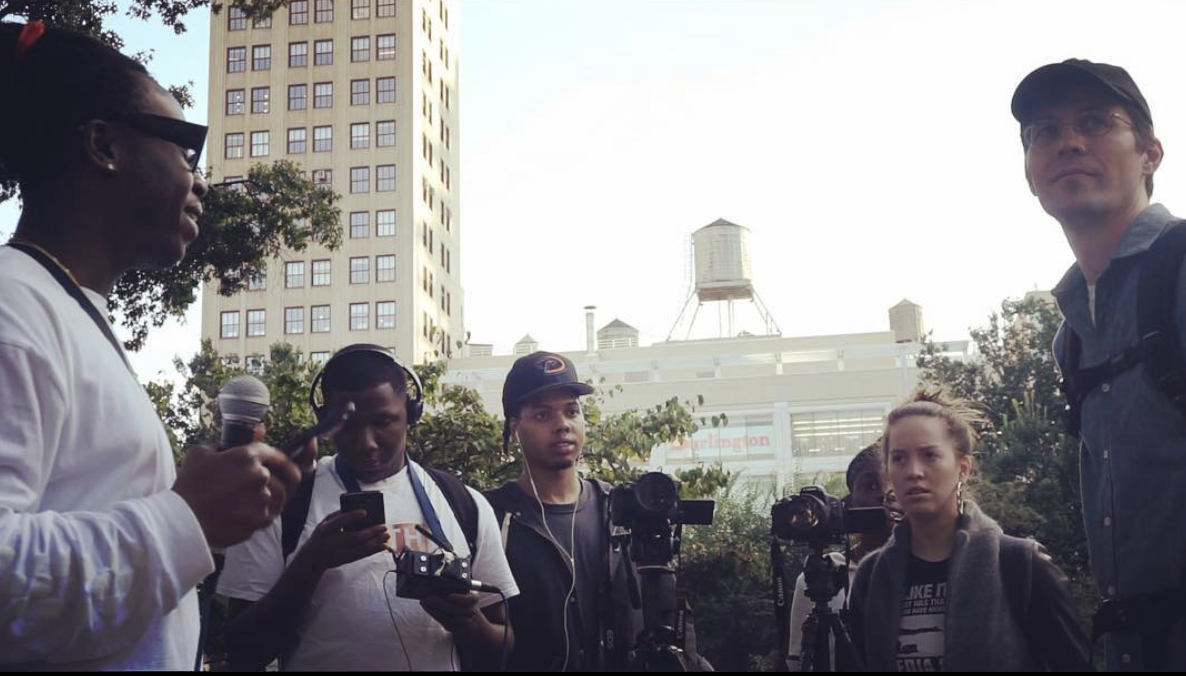
I once took a woodworking class and the instructor said "Becoming a better woodworker is really about one factor: how many hours you spend working with the tools." I realized the same was true for video. Echoes puts a lot of energy in to curriculum, but most of it is about creating practice projects and then real opportunities to try everything out. And of course it means making tons of mistakes (hopefully only once) and losing a lot of lens caps.
Lesson 2.
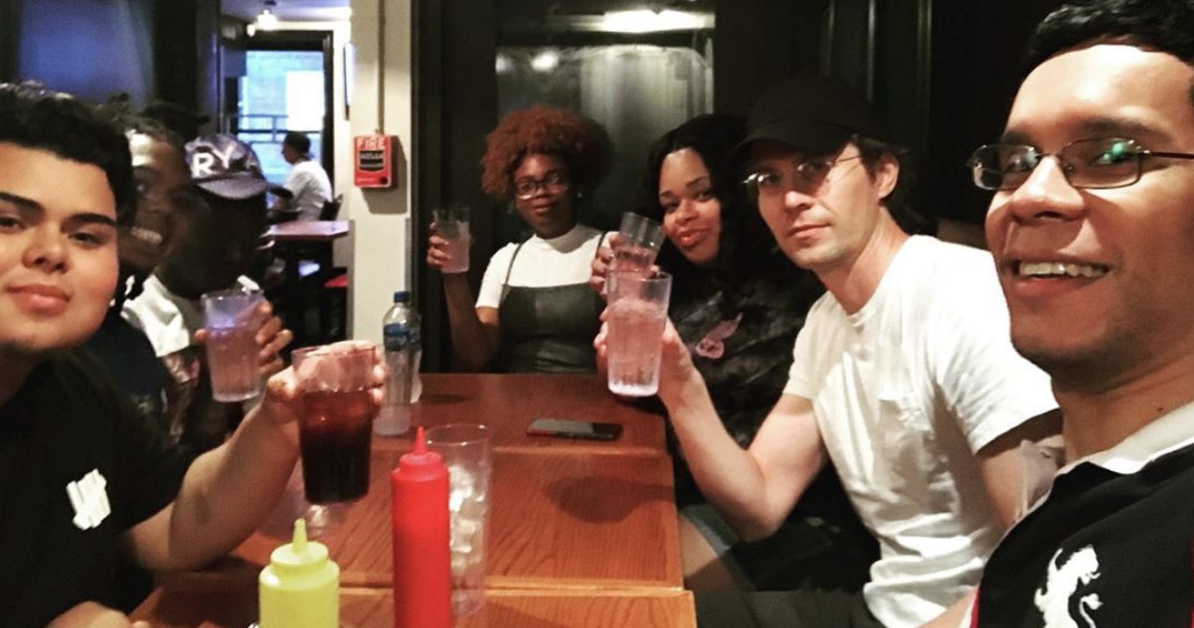
Food is good - or as a colleague once pointed out "pizza is the life-blood of youth development."
Food is where we come together and ground ourselves before getting to work.
Lesson 3. Pitch ideas
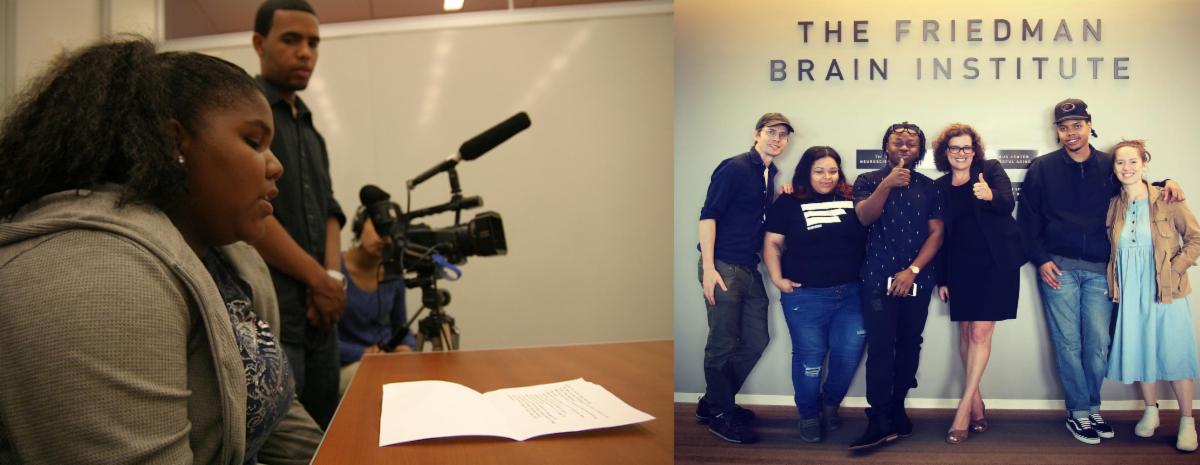
early and often! For each film we invite panels of experts to come in so the crew can pitch their ideas and receive feedback. It's always a turning point, where we things "get real." They're forced to think more deeply about their audience, and it's when they learn if the ideas hold up. It's also a nerve-wracking challenge that bonds the crew and gets them ready for production.
Lesson 4. The process is therapeutic. Sharing you story can feel exposing, and creating a film is always stressful. However with the right crew supporting you and and the right process, it can be an amazing chance to grow, learn, and heal.
Lesson 5. Directly-impacted young people may not be "experts" but they have a gut-level expertise. We always do a lot of research to understand the issues involved in our films, but when a youth has experienced the issue in their own life, the have a level of nuance and intimacy that keeps the films grounded, honest, and real.
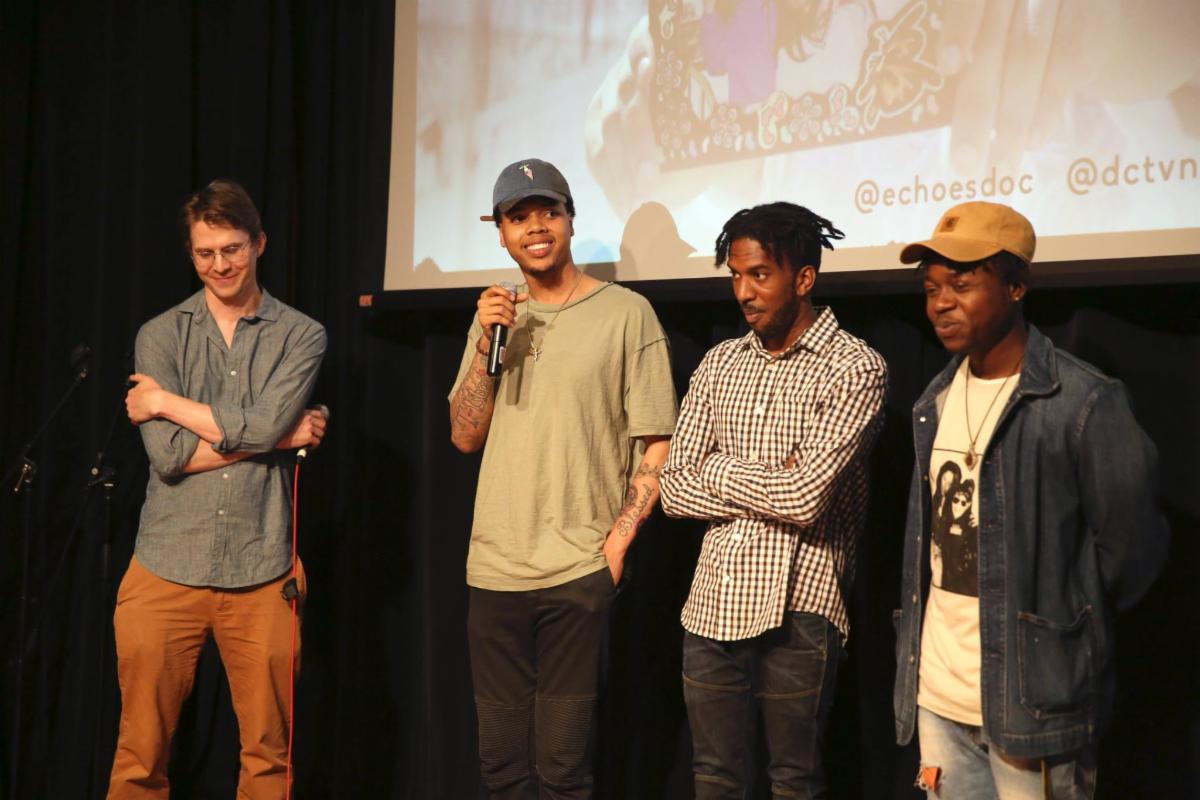
Lesson 6. Young reporters can sometimes get the best interviewers. At first I worried that if we sent a 16 year old to interview a nationally recognized expert, it might be awkward or condescending. In fact, a well-prepared youth producer can elicit an interview that's clear and accessible but also heart-felt and sincere - exactly the qualities you most want.
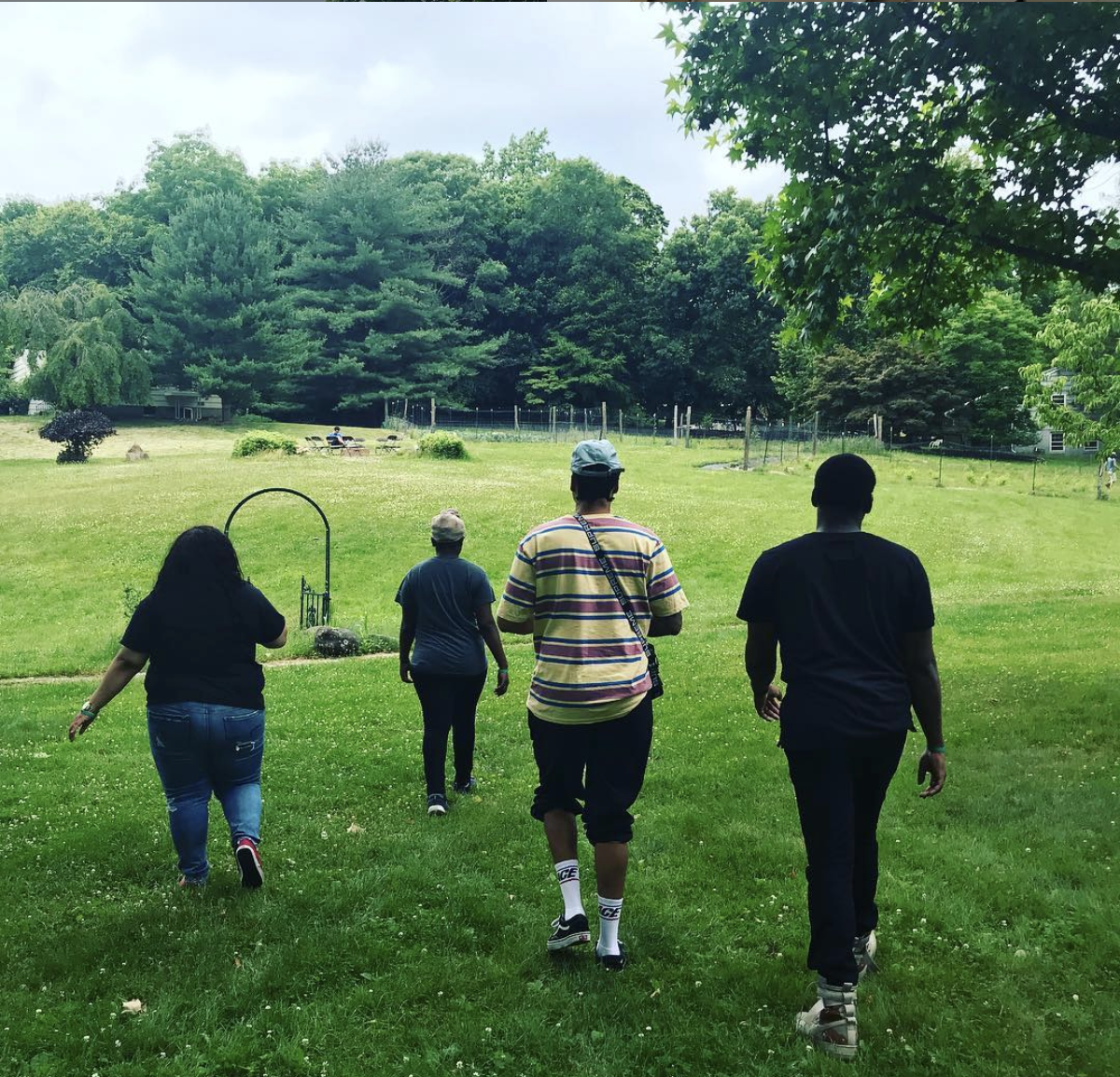
Lesson 7. TREES! We went on our first crew retreat in 2018 and the impact of getting out into nature was obvious right away. We could all relax, feel our nervous systems start to unwind, and our planning sessions were a lot more clear and focused than ever before.
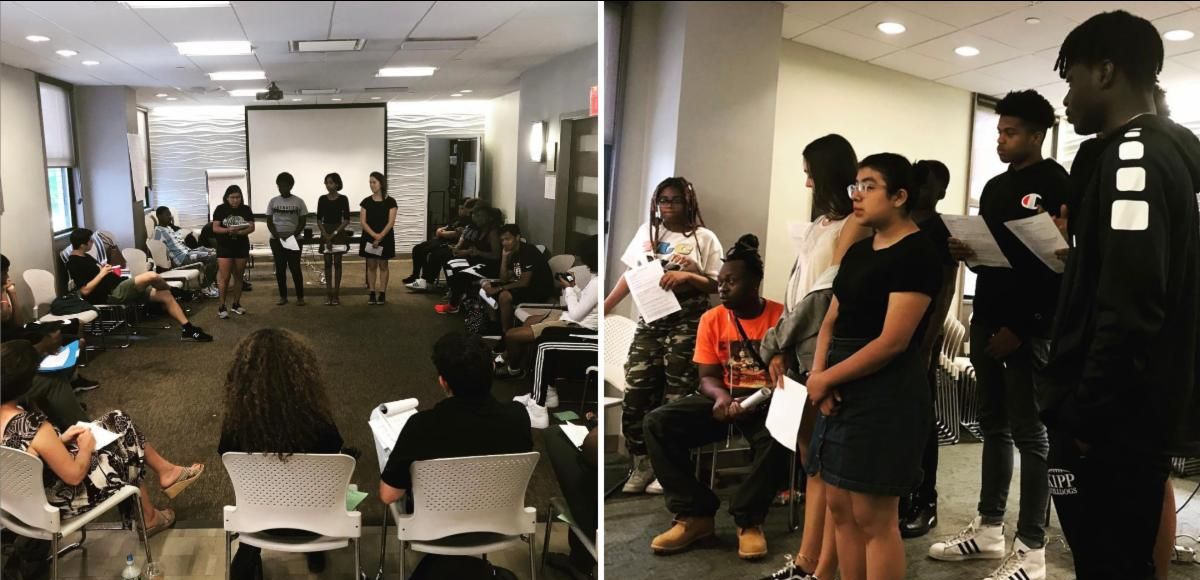
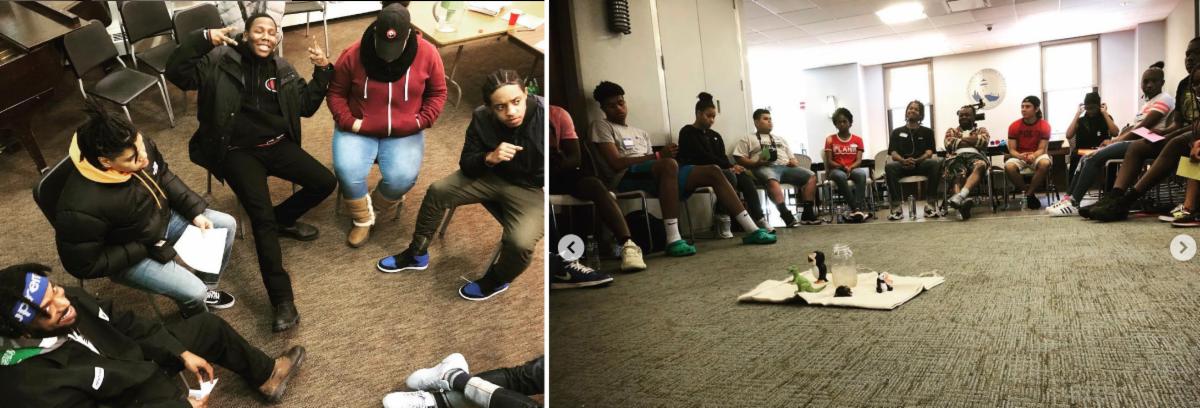
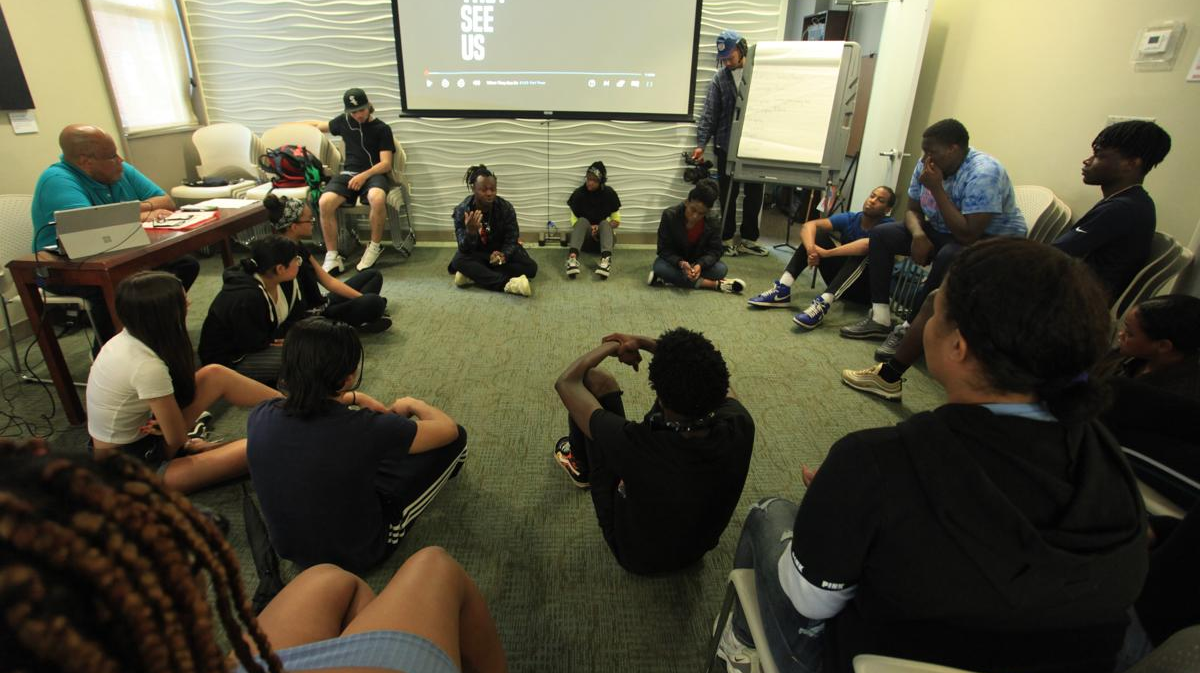
Lesson 8. Circle up, always. We started using restorative justice circle in 2016. I worried the crew would find it corny or forced. Instead they loved it, and would complain if we went more than a few weeks without circle. We started using them in summer camps with the idea that if any conflicts came up, we'd have a space to resolve things. The thing was, once we started using circles we stopped having any conflicts!
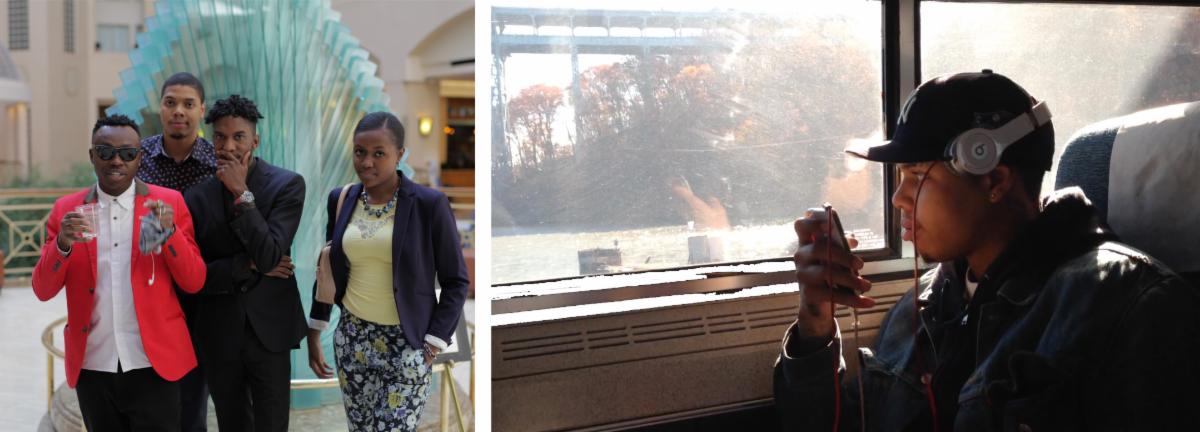
Lesson 9. Travel can be the best teacher. During our end-of-year reflections, the crew often lists travel as a highlight of the year - whether it's individual crew members traveling to speak at a conference, or a group road trip for a production or film festival. We're always reminded of the magic that happens when travel: our world gets bigger, we connect with people living in a completely different reality, and return with a fresh perspective on our own lives. One goal of growing the Echoes project is to be able to take more trips and travel more often.
Lesson
10. A strong crew is the most powerful tool. There's an amazing phrase in the Healing Justice movement that "healed people heal people." Each year Echoes becomes less about formal instruction, and more about a strong, grounded crew who lead by example, help each other learn and grow, and model the qualities we want to put out in the world.
These are a few things we've learned in our first 10 years, and these are the lessons we want draw on to grow Echoes and deepen our work. Please HELP US GROW by making a deductible donation. With your support we can serve more youth each year, expand our stakeholder trainings, and tackle more ambitious films that center the powerful voices of youth in conversations about criminal justice reform.
Thanks always for your support!