|
Learnings from Evaluating Neighborhood Quality of Life Initiatives
|
|
By: Amy Minzner, Senior Associate
|
Most neighborhood-focused change efforts are designed to improve residents' overall quality of life. The assumption is that if we are able to improve neighborhood conditions such as housing quality and affordability, employment options, the quality of local schools, and the sense of community among residents, then residents' lives will improve. This thinking is grounded in research that has shown, over and over, that environmental factors affect our lives and the quality of our lived experiences (Ilić et al., 2010; McCrea, Shyy, & Stimson, 2006; McCrea, Walton, & Leonard, 2014). Improving neighborhood quality of life is complex, though, and requires local leaders to intentionally decide on the structure of implementation efforts, the problems that are addressed, and the process for shifting priorities. Drawing upon Community Science staff's experience observing and evaluating neighborhood change efforts, as well as a review of recent literature, the following article highlights learnings to help guide funders, community-based organizations, and community members endeavoring to implement neighborhood quality-of-life initiatives.
Make sure residents are central to design and implementation. Meaningful resident participation in neighborhood change efforts is critical for their success. And for it to be meaningful, residents must hold power and have a vote in key decisions. This may include resident participation in planning sessions and on committees. It definitely includes resident leaders holding seats on any created governing committee. Experience has shown that an additional step is also needed - local efforts must build capacity of both the residents and any coalition partners. Residents may need training on the collaboration structure and how it functions, information on group norms, and offline support to navigate issues that arise. Coalition partners need education and support to help them stretch into sharing power, including understanding why it is critical and best practices for doing so.
|
Project Spotlight:
Measuring the Impact of Habitat for Humanity's Quality of Life Approach on Neighborhoods
|
Community Science has worked closely with Habitat for Humanity International (HFHI) to support the expansion of its neighborhood revitalization strategy and to deepen the field's understanding of best practices for improving neighborhood quality of life. This work builds on HFHI's previous investment in developing and refining its model for neighborhood revitalization, the Quality of Life Framework (QLF). Read more to learn how Community Science is working with HFHI to evaluate this framework and support their learning.
Community Science is conducting a five-year outcomes and implementation evaluation in partnership with the Center for Urban and Regional Studies at the University of North Carolina at Chapel Hill. We are observing the ten participating coalitions as they implement the framework and are providing technical assistance to these local communities as they collect data from residents. We are also advising HFHI Neighborhood Revitalization staff as they consider the best ways to modify the evaluation design so that it is accessible to HFHI affiliates who may not have an external evaluator to guide them.
Read More |
|
Community Science Announces New Projects
|
We are pleased to announce that Community Science has been recently awarded contracts to implement the following projects in support of our mission to help develop healthy, just, and equitable communities.
Robert Wood Johnson Foundation's Integrative Action for Resilience Initiative
A study that is a part of Robert Wood Johnson Foundation's (RWJF) Integrative Action for Resilience Initiative, focusing on intergenerational leadership training to help youth and adults address stressors (e.g., chronic flooding; food insecurity; crumbling education system) that are most pressing in their community in North Montgomery County, MS.
Institute of Nonprofit Practice's Theory of Change
Community Science is working with the Institute of Nonprofit Practice (INP), to develop an organizational learning agenda to facilitate a culture of adaptive learning; as well as, articulate a long-term vision for research and evaluation to serve as a roadmap to guide investments and activities for continuous program improvement. The project will build the organizational capacity to integrate the use of continuous data use, robust research and feedback mechanism in service of equity.
Tides' Philanthropic Initiative for Racial Equity
Community science is providing evaluation support to the Philanthropic Initiative for Racial Equity (PRE), whose mission is to increase the amount and effectiveness of philanthropic resources aimed at combating institutional and structural racism through capacity building, education, and convening of grantmakers and grantseekers. Our team will evaluate PRE's resource guide, Grantmaking with a Racial Justice Lens, aimed at advancing racial justice grantmaking. Evaluation findings will be used to help PRE make improvements to future resource guides and tools for philanthropy.
|
|
Staff Profile: Valeria Richarte
|
Valeria Richarte, AAS, Operations Manager 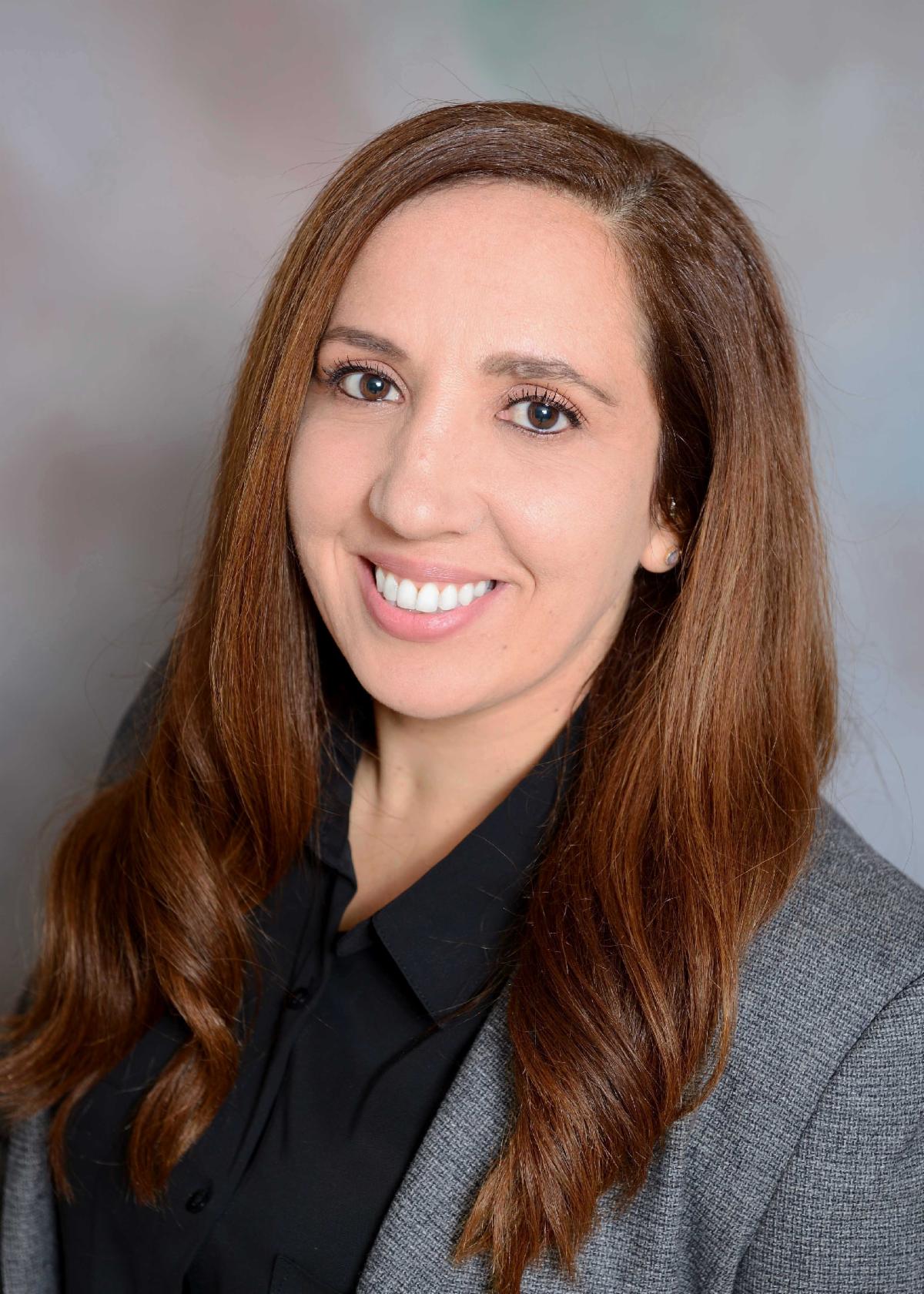
As an Operations Manager at Community Science, Valeria is responsible for the company's facilities and office management. Her responsibilities include coordinating human resources and financial management as well as providing marketing and event management and facilitating report production. The primary function of this position is the general operation and well-being of the office and developing and maintaining a healthy work environment. Ms. Richarte also provides administrative assistance to the company CEO.
Ms. Richarte previously worked as an office manager and immigration paralegal for several law firms in the Washington metropolitan area. She assisted attorneys in removal, employment, and family-based immigration cases. Besides her decade of experience in the legal field, she has also worked as a translator and interpreter for the Spanish-speaking community.
In her free time, she enjoys traveling, photography, hiking, live music, volunteering, and spending time with family and friends.
|
|
|
|
|
|
Community Science Engagements
Urban Affairs Association
50th Annual Conference
Dates:
April 2-4, 2020
Location:
Washington, D.C.
Theme:
Shaping the Future of Urban Research
Presenter:
Jasmine Williams-Washington
Learn More:
|
|
Other Conferences of Interest
2020 National Interagency Community Reinvestment Conference
Dates:
March 9-12, 2020
Location:
Denver, CO
Theme:
Strategies to advance equitable growth
Learn More:
Unite for Sight 17th Annual Conference
Dates:
April 4-5, 2020
Location:
New Haven, CT
Theme:
Global Health and Innovation
Learn More:
AEA Summer Evaluation Institute
Dates:
June 7-10, 2020
Location:
Atlanta, GA
Theme:
Finding Your Path In Evaluation
Learn More:
Aurora, CO
Theme:
Changing How We Work: Capacity Building for Social Change
Learn More:
American Evaluation Association
Dates:
October 26-31, 2020
Location:
Portland, OR
Theme:
How Will You Shine Your Light?
Learn More:
|
|
|
|
|