|
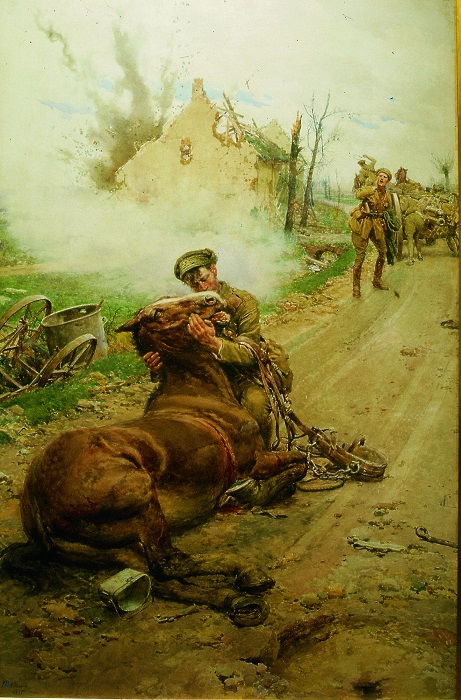
"I'm only a cavalry charger,
And I'm dying as fast as I can,
(For my body is riddled with bullets -
They've potted both me and my man)."
- Excerpt from "The Cavalry Charger's Appeal" by Scots Grey, A Book of Poems for The Blue Cross Fund
Galloping into enemy machine gun fire and almost certain death, they led the cavalry charges. Struggling through thick, sometimes belly-deep mud, freezing rain, and shell fire, they hauled heavy artillery. Exhausted and malnourished, they continued to supply the soldiers in the trenches with food, water, and ammunition. Throughout the Great War, horses fought and laboured alongside the soldiers, sharing many of the same hardships and dangers...
|
|
By Margaret Evans
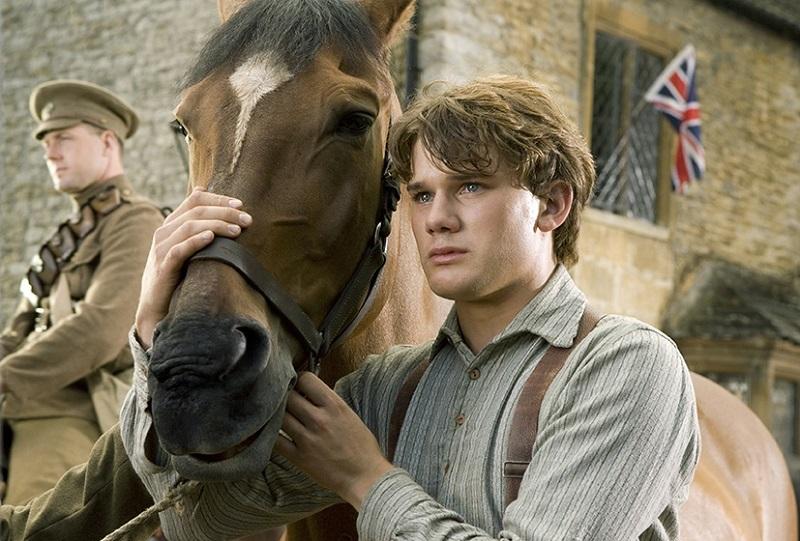
From the moment of birth of a spunky Thoroughbred foal in the rolling green fields of Devon, England, Albert Narracott (played by lead actor Jeremy Irvine) is captivated as he watches the colt grow from weanling to yearling. His father, Ted (Peter Mullan), buys the young horse at auction to plough the farm fields and Albert, totally smitten, trains "Joey" under saddle and in harness.
Spielberg's War Horse centers around the powerful friendship between a boy, Albert, and his horse, Joey. The story follows the adventures of Joey as he struggles to survive as a war horse during World War I
...
|
|
By Margaret Evans
In the July/August 2017 issue of Canadian Horse Journal, we celebrated Canada's 150th anniversary with stories of 20 exceptional horses that have reflected our values and fired our national pride. One of those horses was Bunny.
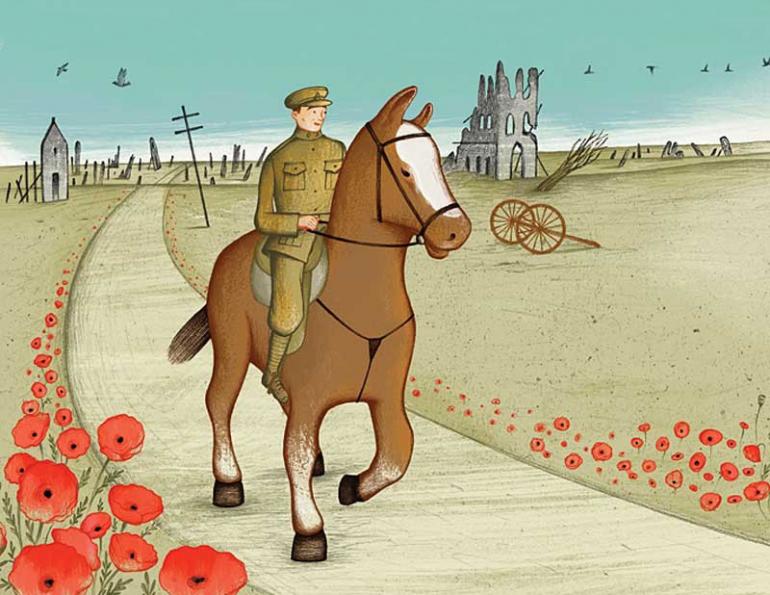
In 1914, just over one hundred years ago at the start of World War I, Bunny, a strawberry roan gelding from the Toronto Police Mounted Unit, was called upon to serve his country. The Canadian military needed suitable horses to send overseas and the City of Toronto offered to donate mounts to the Canadian artillery
...
|
|
"The stable environment invariably presents challenges of dust, mould and proper ventilation," says Susan Raymond, instructor of Equine Guelph's Management of the Equine Environment online course. "Most horses are well equipped for living outdoors and thrive, provided certain provisions are met."
The ideal environment for most horses is to live outside with herd mates 24/7. This satisfies their need for locomotion and provides their digestive system with the optimal conditions to function as nature intended...
|
|
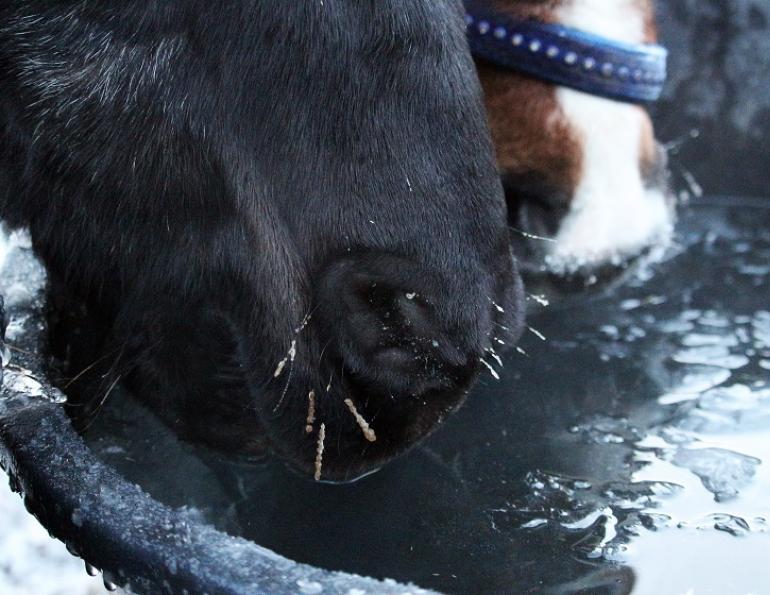
Winter can make the most mundane tasks challenging. This reality is clearly illustrated when it comes to watering animals. For as long as man has worked alongside horses and livestock, there have been different watering methods and their seasonal variations.
Fresh, clean water is critical to good health, and freezing temperatures can make providing this very difficult. During cold months, the horse's digestion converts feedstuffs into energy that results in body heat. This process is critical to winter survival. As animals switch from moisture-rich grass to drier hay, water consumption is important not only for hydration but also to keep feed moving through the digestive tract
...
|
|
By Dr. Wendy Pearson, PhD (Dr. of veterinary toxicology)
Since it's cold out and my horse doesn't sweat much when I ride him, should I still give him electrolytes?
The main reason to give electrolytes at any time of year is to keep the horse hydrated. Dehydration can occur for a number of reasons, not just because of sweating during exercise and hot ambient temperatures. As the cold weather settles in, many horses will drastically cut back on the amount of water they drink. This is one of the main reasons why there is a spike in incidence of impactions and gas colics at this time of year. One of the best ways to encourage drinking is to increase the amount of electrolytes in the horse's diet...
|
|
By Purina Canada
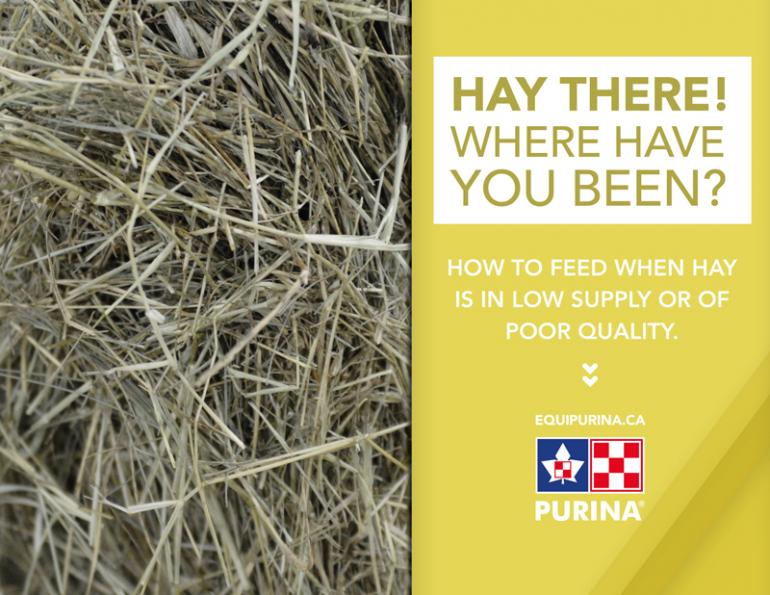
This past summer had no shortage of sunny, dry days. While the weather may have been ideal for the show season, or for trail riding with your favourite horse, 2018 was not a great summer for growing hay in Ontario and parts of Quebec. With only around half the normal days of rain between May and August for most parts of Ontario, hay yields are low and, in some places, very low.
So, what does that mean for the horse owner? The shortage of hay in many areas is already causing an increase in prices...
|
|
By Margaret Evans
Whether or not to give supplements to horses has always been the topic of lively and enduring conversation. But, there is a growing community of riders and horse owners who choose to provide their horses with the supplemental balance of vitamins, minerals, and trace elements to help with health issues and augment the well-being of their animals.
While some may think that the use of supplements is a trendy, contemporary approach to equine nutrition, in fact the history of supplements for horses goes way back.
In 1833, Thomas Day began manufacturing animal medicines at Wantage, Oxfordshire, UK, and expanded into London a year later. In 1834, he launched the first known equine tonic called Days' Black Drink to relieve colic, gripes, chills, and low condition in horses
...
|
|
By Lynne Sandmeyer DVM, DVSc, DACVO
Professor of Ophthalmology
Dept of Small Animal Clinical Sciences
WCVM, University of Saskatchewan
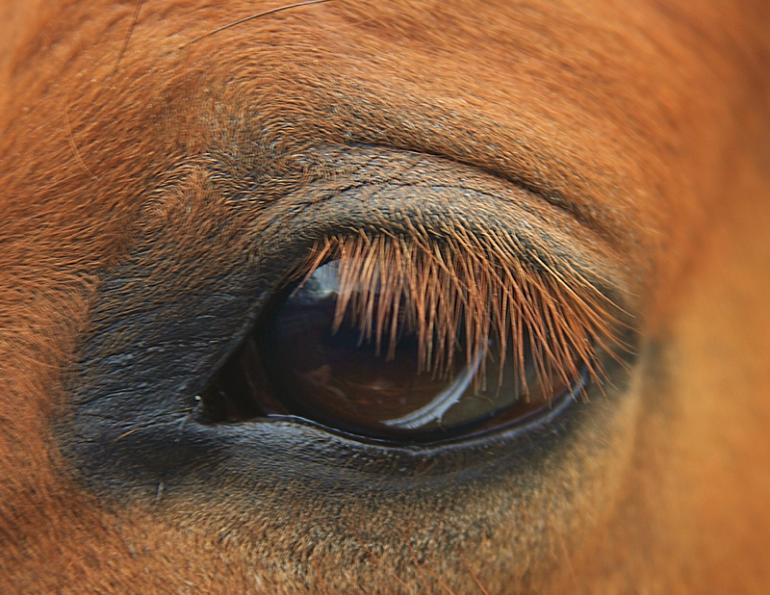
The equine eye is a complex and elegantly designed organ that functions to allow capture of light and conversion of light into an electrical stimulus, which is then transmitted to the brain and interpreted into vision. This function is reflected in the structure of the eye.
Horse vision is particularly adapted for peripheral motion detection and low light conditions. This is likely due to the evolution of the horse as a prey species and the need for constant monitoring of the environment while grazing. The horse has very large eyes and a horizontally elongated pupil which allows for maximum light capture...
|
|
...
The best-selling I Love Horses Adult Colouring Book is the perfect gift for your favourite horse lover. It features 32 illustrations, each with an inspirational quote, with single-sided pages removable for framing. A quality gift you'll be proud to give.
Order Today - Until December 4th, SAVE 20% with Coupon Code PROMO20 (enter during checkout).
|
|
Find Them With A Fire Safety Site Visit
By Jackie Bellamy-Zions
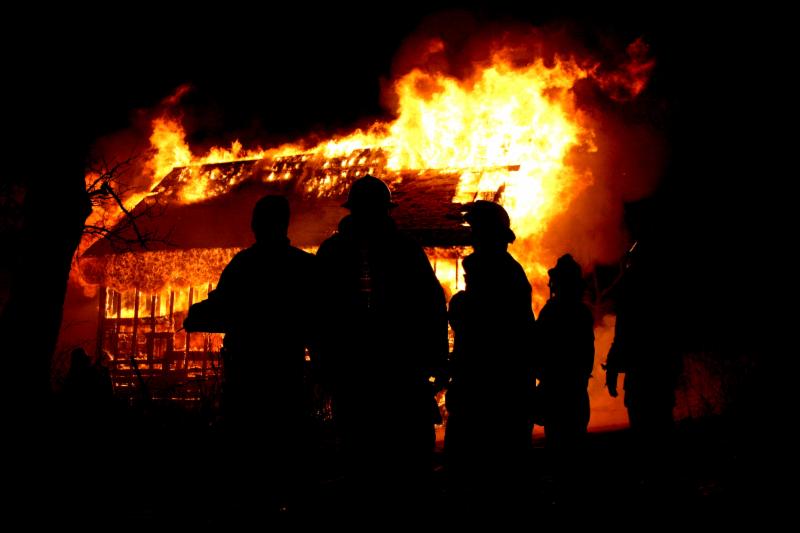
No one sees the hidden hazards in your horse barn quite like an expert. One simple call to your local fire department for a site walk through may be the best investment you make to protect your herd. As advocates of prevention, featuring the Barn Fire Prevention Tool as Equine Guelph's Tool of the Month for November, Equine Guelph and tool sponsor, Heartland Farm Mutual set out to discover the benefits of making that call.
After picking up the phone and speaking with Assistant Fire Chief, Jason Benn of the North Perth Fire Department in Ontario, it became crystal clear that having your local department out for a site visit is not only painless but the best way to create a solid pre-plan...
|
|
Focus on Professionalism and Standards
By Margaret Evans
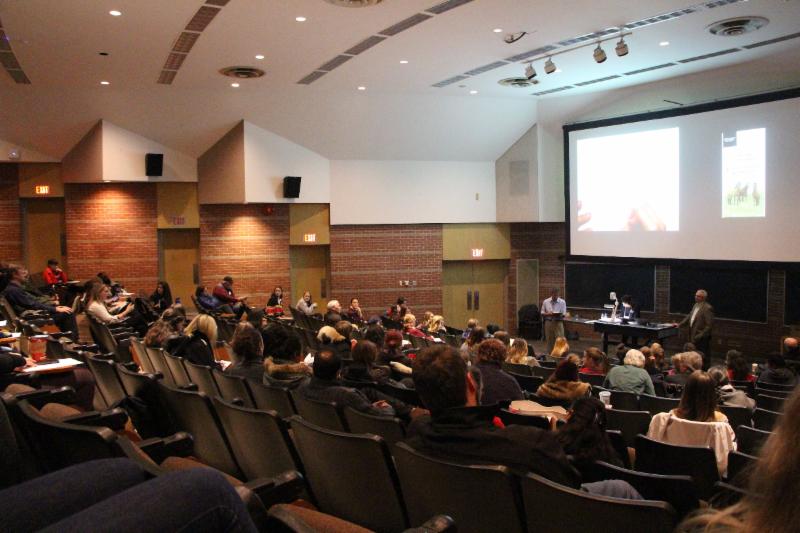
On October 27, the University of Guelph held its third annual Equine Industry Symposium in which horse enthusiasts from all backgrounds in the industry set their sights on issues in our highly diverse $19 billion industry. The symposium was organized by Equine Management students in the Bachelor of Bio-Resource Management degree at the University of Guelph, and they chose professionalism and standards as the focus of a community-wide discussion for the day-long event.
The event was packed with speakers who shared their expertise in satellite topics around the core theme. Catherina Geci, Business Development Manager, University of Ottawa, spoke on the importance of professionalism in building connections and partnerships
...
|
|
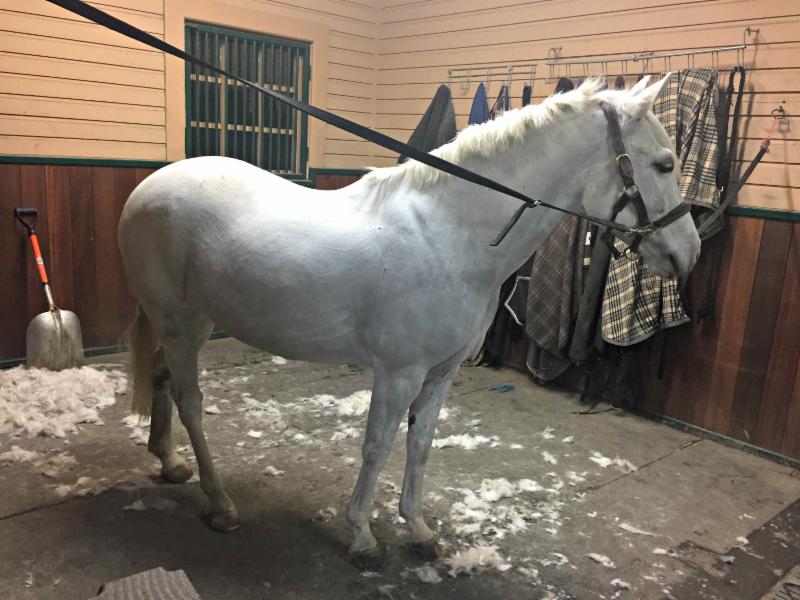
Poll: Do you body clip your horse for the fall and winter months?
|
|
|
See what's happening on our social sites
|
|
|
|
|
|
|
|
|