The Wyoming Health Council works to ensure that all people can access equitable, inclusive, high-quality, and affordable reproductive and sexual health care. | | |
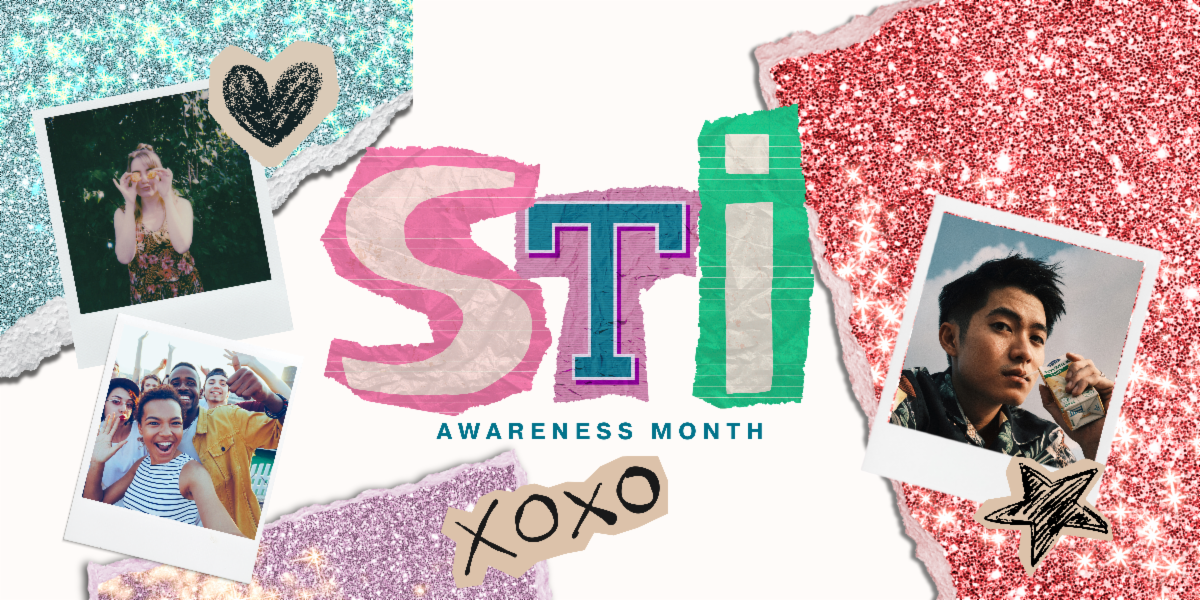
April is STD Awareness Month!
This month serves as an important reminder that while progress is being made, continued education and access to care remain critical. Knowing your status, having open conversations, and seeking care at your local Title X Family Planning clinic are key steps in protecting your health and your future.
The overall burden of STIs in the United States remains significant, though there are encouraging signs of progress. In 2024, the combined number of reported cases of chlamydia, gonorrhea, and syphilis declined by 9% from 2023—marking the third consecutive year of decline.
However, more than 2.2 million STIs were still reported in 2024. Compared to a decade ago, overall cases have increased by 13%, and congenital syphilis has risen dramatically—nearly 700%.
Key findings include:
- Chlamydia cases declined for the second year in a row, down 8% since 2023
- Gonorrhea cases declined for the third consecutive year, down 10% since 2023
- Primary and secondary syphilis cases declined for the second year in a row, down 22% since 2023
- Congenital syphilis increased for the 12th consecutive year, with nearly 4,000 reported cases in 2024
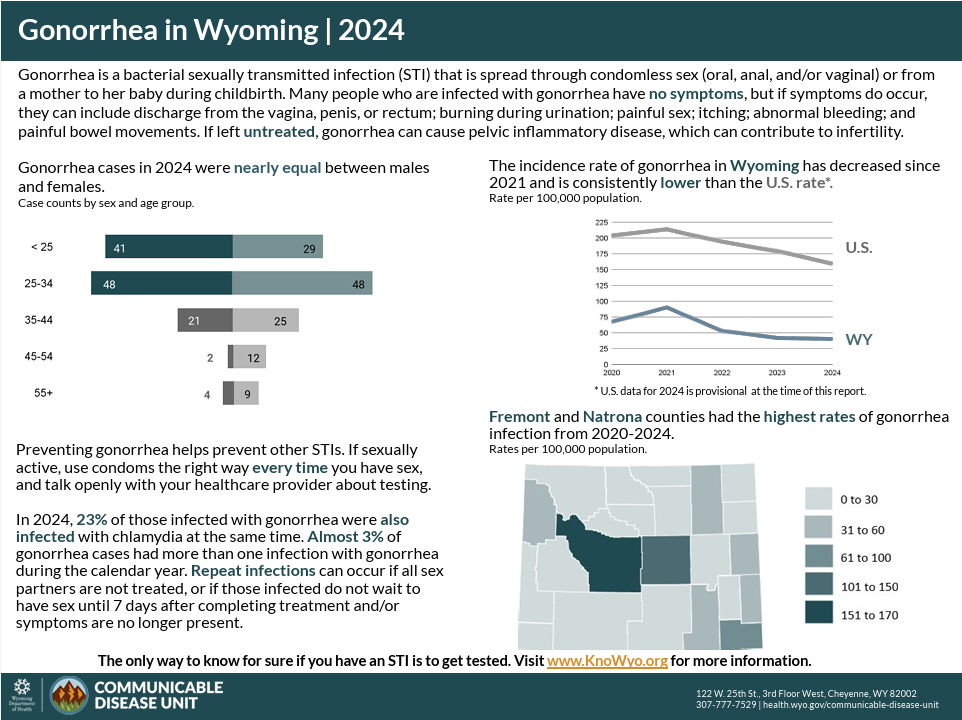
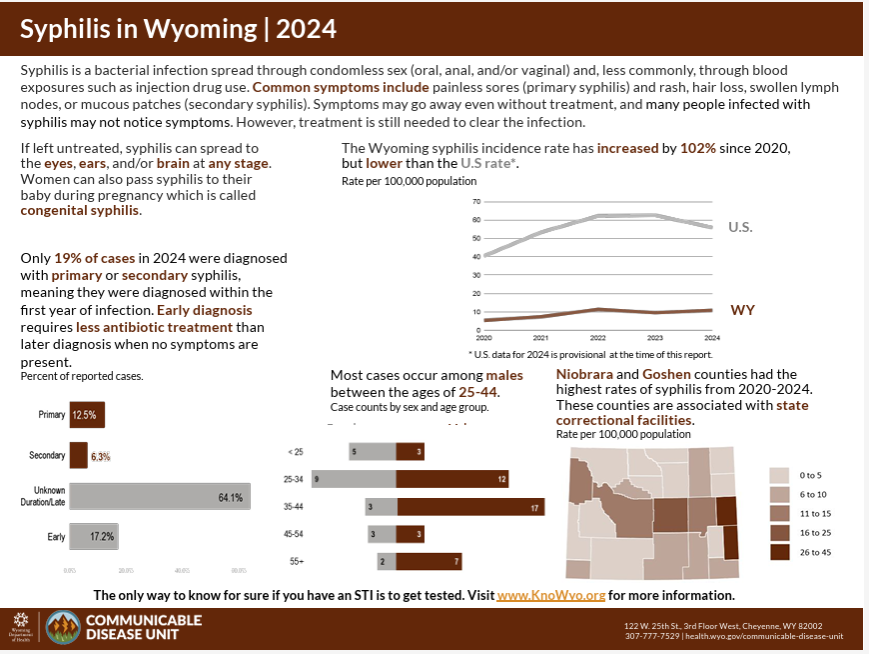
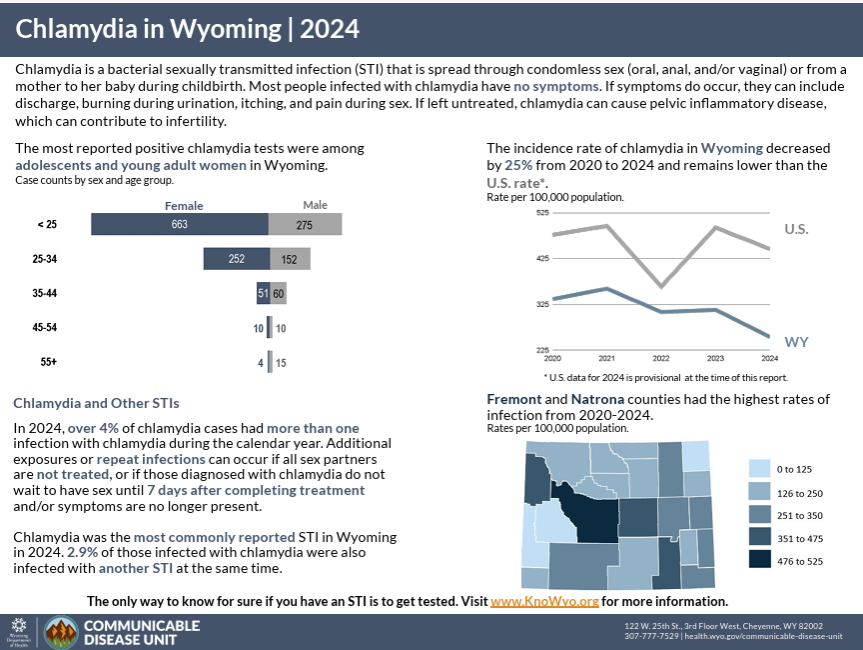
While STIs impact communities nationwide, trends can vary by region and population, and local data may differ from national patterns.
| | |
Silent STIs: When there are no symptoms
It’s time for the hard truth—when it comes to sexually transmitted infections (STIs), what you don't know can hurt you. Many of us think we'd definitely notice if something was wrong "down there," but the truth is far more complicated. Some of the most common STIs can silently hang out in your body without causing a single noticeable symptom, potentially causing harm or being passed to partners without your knowledge.
So, we’ve provided you with this guide into the surprisingly common world of asymptomatic STIs—what they are, why they matter, and how to protect yourself when your body isn't giving you obvious warning signs.
| | |
How to Talk to Your Partner About Getting Tested With Minimal Weirdness
You’re pressed against the wall of a new date’s apartment as they kiss your neck and reach to undo your pants. Every atom in your body is ready for more, but then your brain kicks in: Shit. We haven’t talked about STIs yet.
Or perhaps it happens when you’re on cloud nine after defining your new relationship. You’ve gone over whether or not you want kids, proper toilet paper orientation, basically everything except sexually transmitted infections. It’s the only nagging thought dampening your excitement.
As much as you’d like to tell your brain to shut up in these moments, discussing STIs with sexual partners is essential for taking care of your health, even if it does seem incredibly awkward.
| |
National Coalition of STD Directors Merch
Located in the nation’s capital, NCSD is a national public health membership organization representing health department STD directors, their support staff, and community-based partners across 50 states, seven large cities, and five US territories.
| | | |
25 Years Stronger: Looking Back, Moving Forward
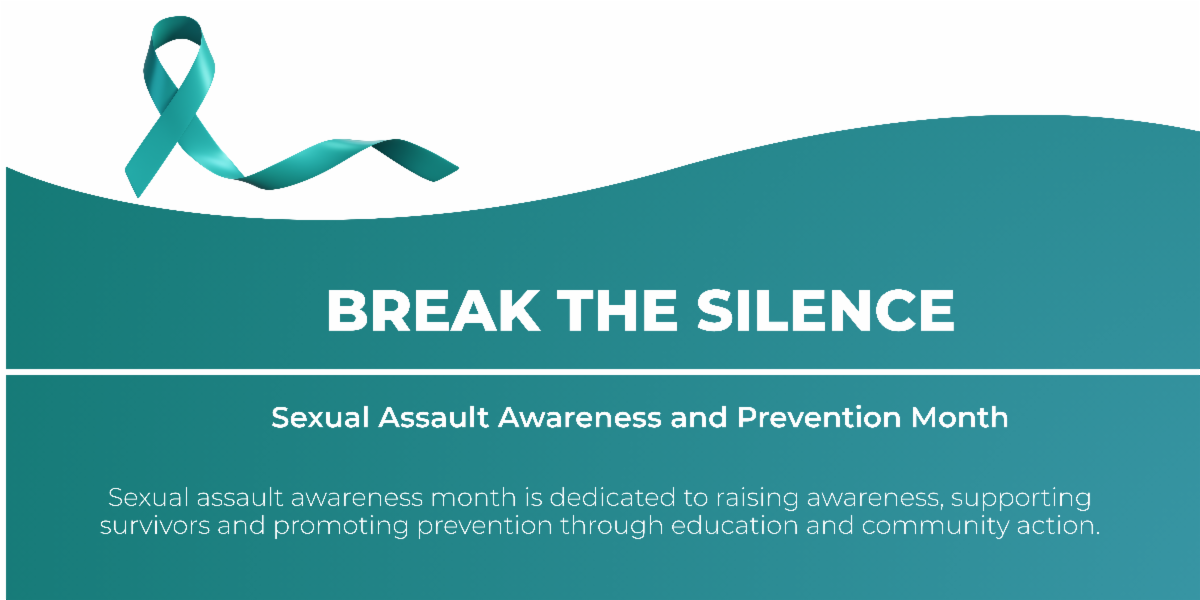
For 25 years, Sexual Assault Awareness Month (SAAM) has united survivors, advocates, and communities in the shared commitment to end sexual assault, abuse, and harassment. This milestone is both a celebration of progress and a call to keep moving forward.
The theme “25 Years Stronger: Looking Back, Moving Forward” honors the history and growth of the movement while reaffirming our commitment to a safer future for all. Looking back, we remember the survivors and advocates who laid the foundation for change. Moving forward, we renew our focus on prevention, healing, and action.
As we celebrate 25 years of SAAM, we recognize how far we’ve come and the work still ahead. Together, we can continue to shift culture, strengthen prevention, and create a world free from sexual violence.
By standing in solidarity, we can build a future free from sexual violence and create a world where everyone is safe, valued, and respected.
| | |
The Role of Consent Education in Preventing Sexual Violence and Promoting Healthy Relationships
Sexual violence is still a major problem in the world today, with serious consequences for both the health of the person and the community. In order to address this pressing concern and promote the growth of healthy relationships, this abstract examines the vital role that consent education plays. The capacity of consent education to challenge deeply ingrained attitudes and ideas about gender, power relations, and entitlement highlights its efficacy in avoiding sexual violence. The research investigates the multiple effects of consent education programmes in reducing sexual assault and fostering positive sexual behaviours, drawing on an extensive evaluation of the body of existing literature.
| | |
‘Faced with the unthinkable, we must fight back’:
Gisele Pelicot’s daughter is combating drug‑facilitated sexual abuse
Her mother’s call on the day of her father’s arrest is, of course, a defining memory for Darian (a pen name), who bears “a crushing double burden” as “child of both the victim and her tormentor”. Memory is at the heart of her memoir, which she describes as a “chronicle of horror and survival”.
But the book is also a call to action, with an eye on the future. As a domestic violence researcher, currently undertaking a history of domestic violence in Australia, I know the Pelicot case raises the spectre of a form of violence rarely discussed.
In the first year of knowing her father’s crimes, Darian (a senior communications manager of a large firm in France) began to research the prevalence of sexual abuse involving chemical submission. This is known in Australia, and other parts of the English-speaking world, as drug-facilitated sexual assault. It is “the preferred weapon of sexual predators”, she writes, yet it is poorly understood, barely visible in official statistics.
Everyone has heard of GHB (gamma-hydroxybutyrate), the “date-rape” drug, but who is aware of the risk of being chemically subjugated by a spouse, lover, relative or friend […] with the contents of the family medicine cabinet?
In May 2023, Darian launched the movement Don’t Put Me Under, or #MendorsPas, to support victims of drug-facilitated rape and raise awareness, including among medical professionals.
| | |
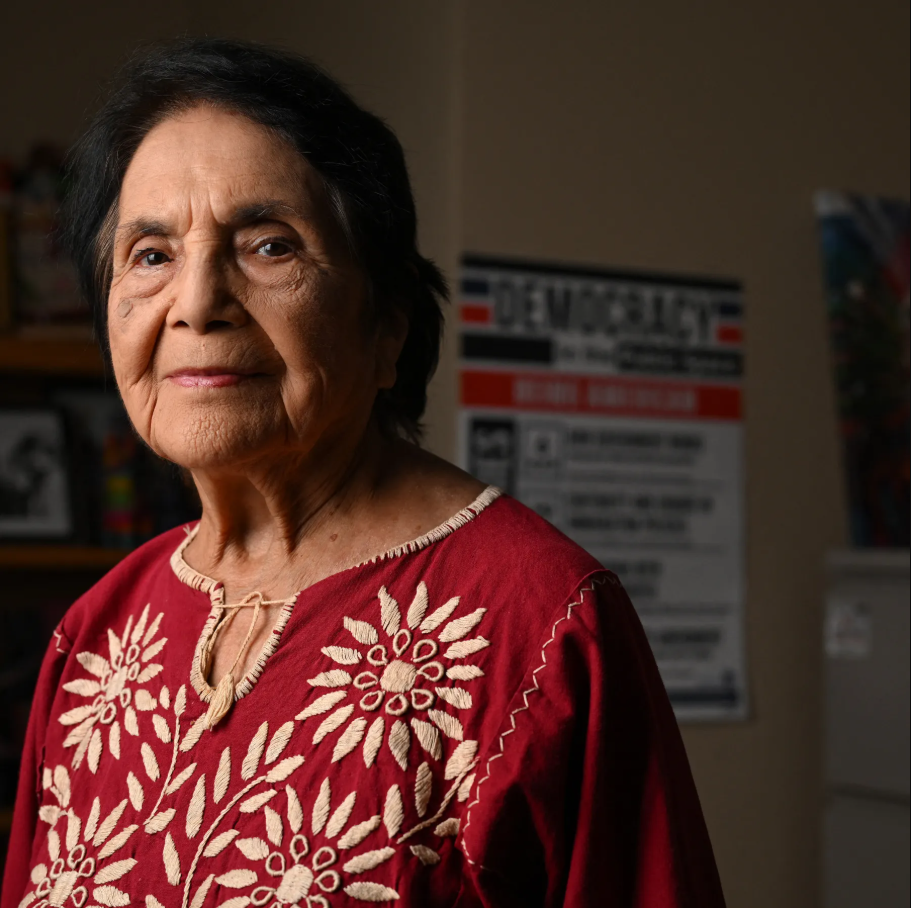
Dolores Huerta, sexual violence survivors speak out against Cesar Chavez
Civil rights icon Dolores Huerta is one of several women in the United States speaking out against the sexual violence they say they endured at the hands of labour leader Cesar Chavez.
In a statement on Wednesday, Huerta said she was motivated to speak out after being contacted for an investigation by The New York Times, which revealed that children as young as age 12 were abused by Chavez.
“I am nearly 96 years old, and for the last 60 years have kept a secret because I believed that exposing the truth would hurt the farmworker movement I have spent my entire life fighting for,” Huerta wrote.
“Following the New York Times’ multi-year investigation into sexual misconduct by Cesar Chavez, I can no longer stay silent and must share my own experiences.”
| | Counseling Adolescent Clients to Resist Sexual Coercion
Video and Training Guide
Under the federal Title X Family Planning Program guidelines, clinics are required to provide age-appropriate, medically accurate counseling to all patients, including adolescents. This includes helping young people understand healthy relationships, recognize and resist sexual coercion, and develop skills to make voluntary, informed decisions about their sexual and reproductive health. Providers must ensure that services are delivered in a confidential, nonjudgmental setting that prioritizes the adolescent’s safety, autonomy, and well-being, while also complying with applicable state laws related to reporting and consent.
| | | Through a collective voice, the Wyoming Coalition Against Domestic Violence and Sexual Assault is committed to provide leadership, education, and systems advocacy to advance social change and end violence. | | |
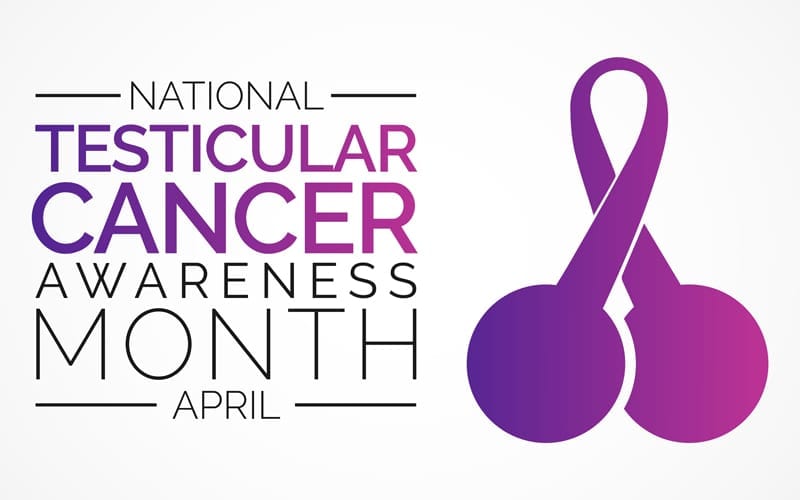
Cancer Survivor Spreads Awareness Through Legos
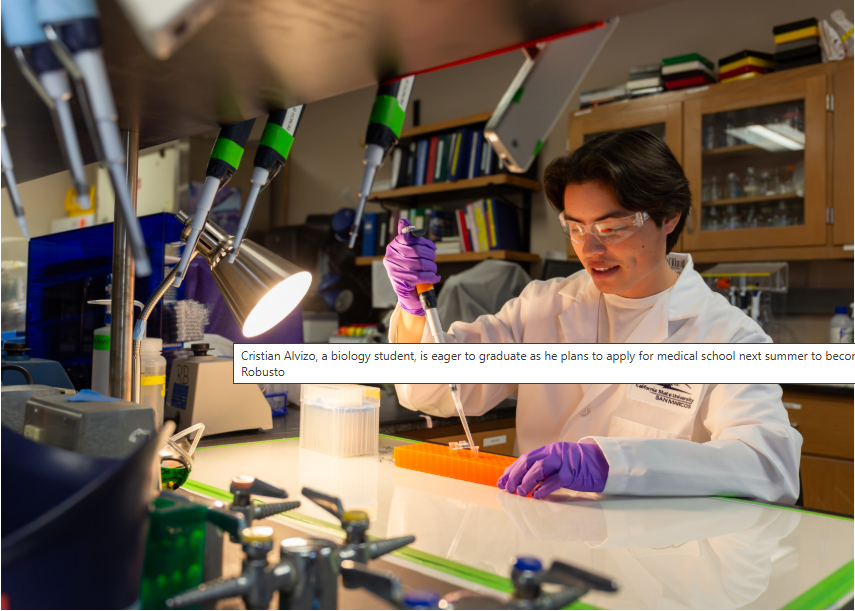
When asked why he wants to be a doctor, Cristian Alvizo would often answer, “Because I like science and I love to help people.” But there was always so much more hidden behind that answer, including a diagnosis that altered Alvizo’s entire outlook on life.
It wasn’t until he met one of his colleagues and mentors in a lab at Cal State San Marcos that Alvizo realized he needed to change his answer to that question.
Alvizo was diagnosed with testicular cancer the day before his high school graduation. He attended a physical required for his high school golf team that didn’t thoroughly examine for testicular cancer. After his appointment, he felt the need to self-screen, and that’s when he noticed something was off.
He requested another appointment – disguising it as an HPV vaccination so his parents wouldn’t worry – where he was advised to receive an ultrasound and meet with a urologist. After a month-and-a-half of anxiously waiting, Alvizo met with Jeffrey Zeitung, a urologist at the Scripps Clinic in La Jolla, who delivered devastating news: Alvizo had testicular cancer and needed an orchiectomy, which is the removal of one or both testicles.
Alvizo remembers thinking: “I'm 18, I graduate tomorrow, my mom is in the waiting room, I was just told I have testicular cancer and now I have to get an orchiectomy next week. This is a lot at once.”
But Zeitung made Alvizo feel comfortable in a very uncomfortable situation, assuring him that they would get through this diagnosis together. He guided Alvizo through the process, teaching him about the disease and comforting him with the knowledge that 99% of testicular cancer patients end up fine.
| | |
Broncos LB Alex Singleton on his testicular cancer discovery
"Cancer ... the word still freaks me out a little bit," Denver Broncos linebacker Alex Singleton said. "And then you hear it ... and your mind just goes."
On Monday, Nov. 3, Singleton and his wife, Sam, listened intently as a doctor explained that Alex almost certainly had testicular cancer. The cancer was discovered when a random NFL drug test flagged an abnormally high level of a hormone (hCG) in Singleton's sample.
The ensuing surgery was scheduled four days later on Nov. 7. Scenarios unfolded: worst cases, best cases, the forks in all the roads that might be on the horizon as they hoped the cancer hadn't spread to other parts of the body.
"You do hear the word cancer, it is shocking, so shocking," Sam Singleton said. "... You go from not even thinking about something like that, living and working and everything in your day, and then you're listening to [doctors] tell you about cancer."
Since his announcement, Singleton said his social media accounts, phone and face-to-face interactions with people he has never met before have been filled with the commonality of cancer. Battalions of people who either have or had cancer themselves or know somebody who does/did -- Singleton said it feels like cancer has one degree of separation from so many in a way he had not seen before or understood.
| | |
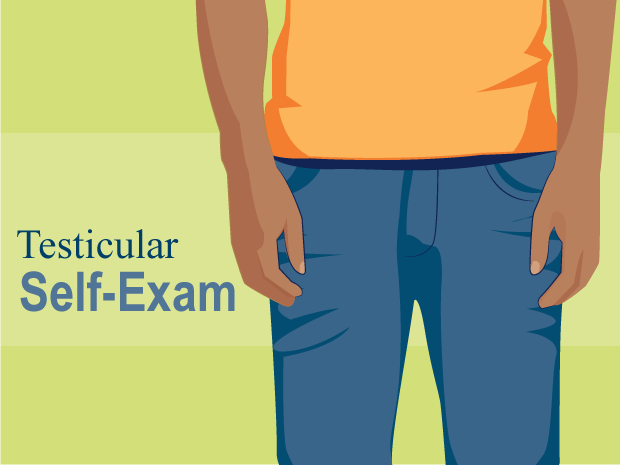
Testicular Self-Exam
Testicular self-exams help you become familiar with your testicles so you can easily detect changes. Most lumps are benign (not cancer). But talk to a healthcare provider anytime you notice changes. You should start examining your testicles at least once a month, starting around age 15.
A testicular self-exam (TSE) is a step-by-step method to check the appearance and feel of your testicles (testes). It’s important to be familiar with your testicles — and your body in general — so you can more easily notice changes or potential problems, including testicular cancer. A healthcare provider may also conduct a testicular exam during a physical examination.
Schedule an appointment with a healthcare provider right away if you notice a lump on your testicles or any other changes or abnormalities in your scrotum (the sac of skin and muscle between your penis and anus, or butthole, that holds your testicles) during a testicular self-exam.
| | |
Once a luxury for moms, doula care is going mainstream
Shaquoiya Stewart held one of her 6-month-old twins on her lap while Shanille Bowens held the other. As the women caught up and the babies stared at each other quietly, Bowens came around to the key question she asks all the mothers she works for: “Do you think there’s anything you need more support with?”
Bowens is a doula, a provider of physical and emotional support before, during and after birth — care that used to be seen as a luxury and was available only to those who could afford it. But doulas are becoming mainstream.
The country’s once-reluctant medical establishment is increasingly welcoming the way doulas complement doctors and nurses, and with insurance coverage growing fast, parents from across the economic spectrum can now take advantage.
More than 30 states reimburse doulas through Medicaid or are in the process of implementing such coverage, up from 14 in late 2022, according to the nonprofit National Health Law Program. Private insurers are starting to do the same, with industry giant UnitedHealthcare launching a new benefit this year. Without insurance, costs vary widely but can exceed $2,000.
| |  | |
8 Low-Cost Ways To Transform Maternal Health
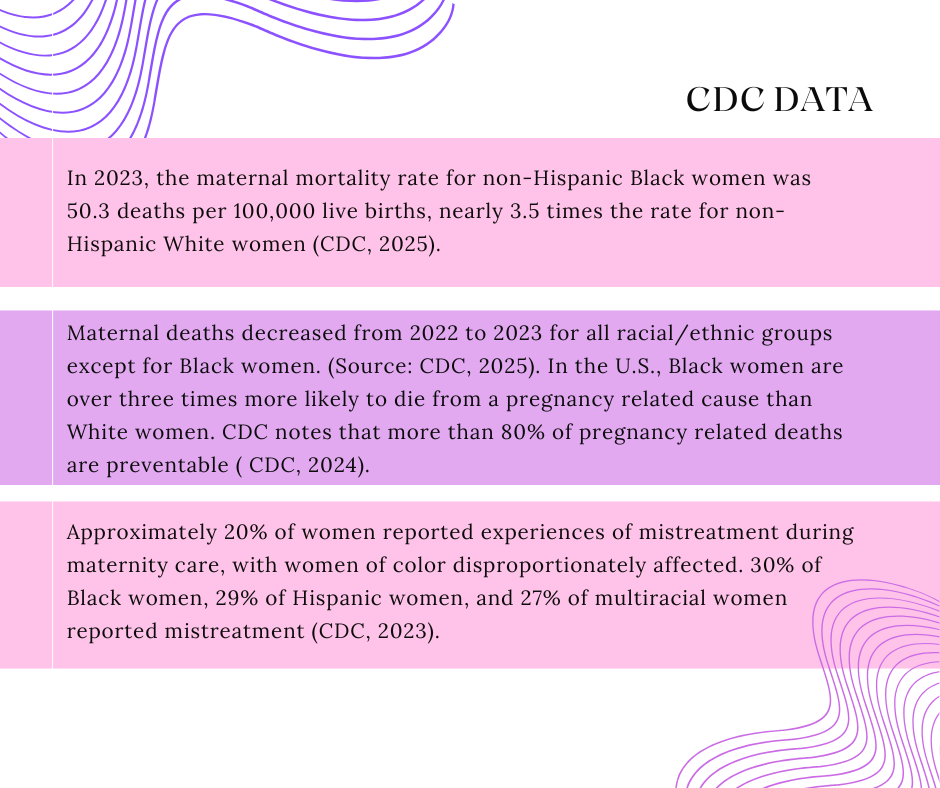
Too many women and newborns are dying from preventable causes, and the world is failing them. Maternal and neonatal mortality rates remain unacceptably high, with progress stagnating. At the current pace, the world is nowhere near meeting its goal of reducing maternal mortality below 70 deaths per 100,000 live births by 2030.
The world does not lack solutions, but it does lack sufficient investment and action. Access to quality maternal and neonatal health care is a human right, yet compounding crises — war, economic instability, and pandemics — make it increasingly difficult to implement effective solutions. Here are eight strategies that can significantly reduce maternal and neonatal mortality, even in low-resource health settings.
1. Expand Midwifery-Led Care Models
The World Health Organization (WHO) recently endorsed midwifery models of care as the best choice for improving maternal health outcomes. Despite this, many health systems rely heavily on a doctor-centered model, which is less cost-effective and creates more access challenges.
Despite being critical for more complicated cases, doctor-centered care often leads to unnecessary medical interventions such as cesarean sections, instrumental births, and episiotomies. Meanwhile, midwifery models are associated with greater community access, personalized care, and a stronger focus on empowering women through education and counseling, all leading to better maternal and neonatal health outcomes at lower costs.
| | | |
National Foreskin Day
April 4th
Foreskin is a moveable layer of skin that covers the head of your penis. It helps protect your penis and aids in sexual pleasure. But it may also increase your chances of getting some conditions. It’s tight to the penis through early childhood. As you age, it loosens so you can retract it. Proper care is important to prevent infections and other conditions.
| | |
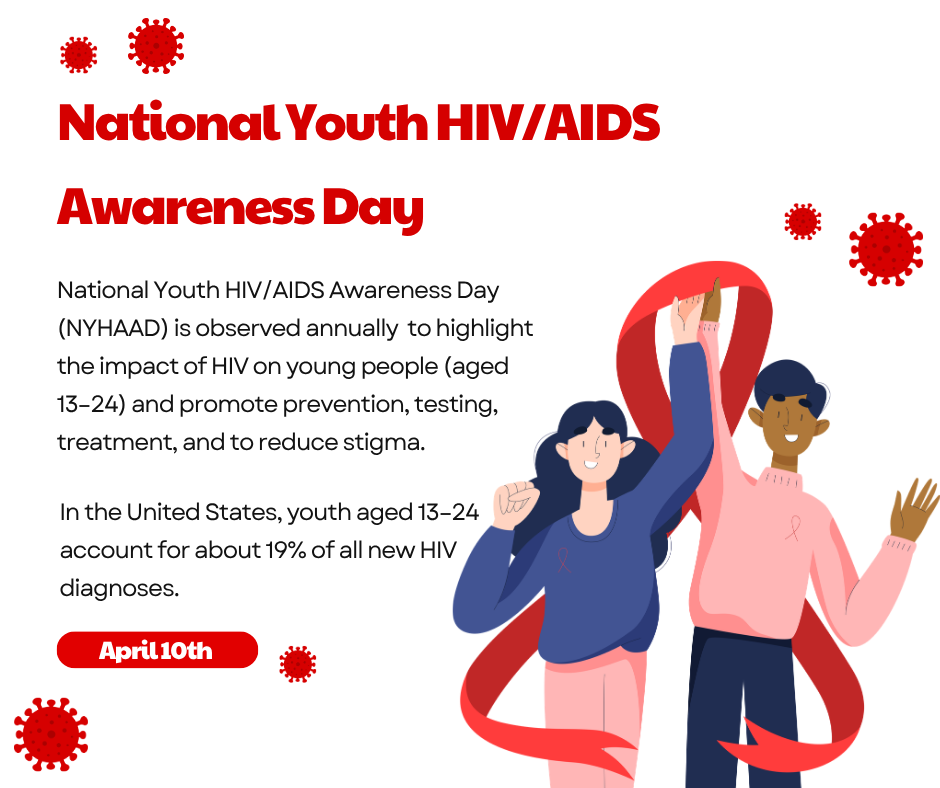
National Youth HIV/AIDS Awareness Day
April 10
The teen years bring a variety of physical, mental, and emotional changes that can be both exciting and challenging. As a teen living with HIV, the transition into adulthood can be even more challenging because you have to live and cope daily with a chronic medical condition. Life may seem overwhelming at times. However, learning about teen development and how these changes affect your feelings and behavior can help make things a little easier.
It is common for teens to feel self-conscious about these changes, especially if they grow at a faster or slower rate than others at the same age. Teens living with HIV may have additional physical issues.
If you would like to find out more about teens’ risk of acquiring HIV, see our fact sheet on What Parents and Providers Need to Know about HIV Risk and Teens.
| |
The Pretzel Dip Sex Position is an Intimate Twist on Doggy Style. Here's How to Try It.
When you want to add something new to your sexual menu, nothing satisfies quite like the pretzel dip position. While the name might sound like a yummy app, it's actually one of the most comfortable, intimate, and versatile sex positions out there. With the deep penetration of doggy style and the intense eye contact of missionary, the pretzel dip does what a lot of other positions can't. Plus, it works as a grinding, non-penetrative position, too—it all depends on how the back partner chooses to press against the front partner.
But however you decide to dip, trying a new sex position isn't just a fun thing to do with your beau—it's legitimately good for your relationship. New sexual experiences give couples an opportunity to learn about each other, feel connected, and experience different types of pleasure and arousal, sex therapist Rachel Needle, PsyD, previously told Women's Health.
And while you already know that good sex makes your body feel good, believe it or not, it also does the body good. Specifically, a healthy sex life has been associated with less stress, better sleep, and increased longevity. All great reasons to get dipping!
| | | | The Title X Family Planning Program is a foundational component of U.S. public health, established in 1970 as part of the Public Health Service Act. It acts as a crucial public health safety net providing voluntary, confidential, and low-cost reproductive health services to millions, with a focus on low-income individuals. | | |
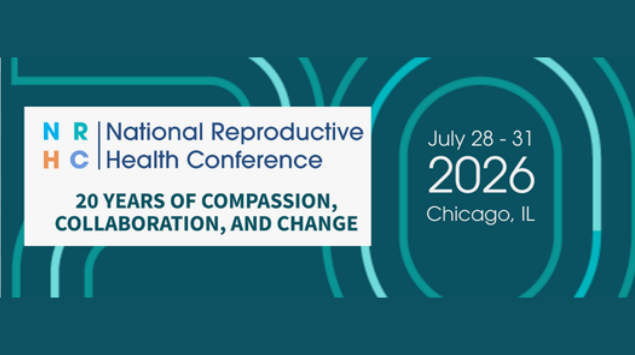
Join the Clinical Training Center for Sexual and Reproductive Health for an impactful learning experience designed for Title X clinical providers. This conference will deliver the latest evidence in sexual and reproductive health, and practical strategies for integration and implementation.
Topics will include updates in gynecologic care, contraception, STI prevention and management, restorative fertility, and cancer screening. Register to attend July 28-31, 2026.
| |
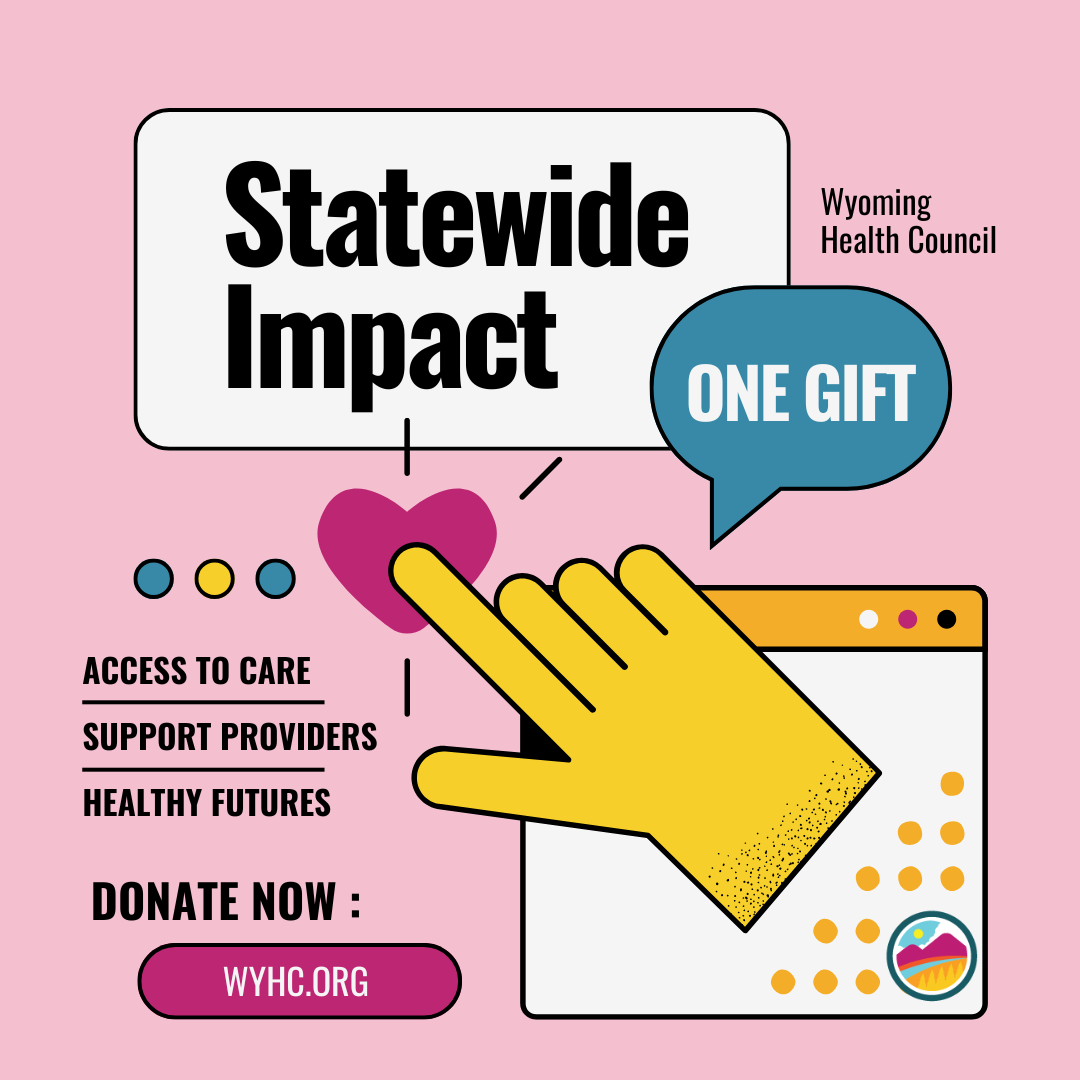
Please consider supporting reproductive and sexual health care in Wyoming!
You can donate directly to us—100% of your contribution goes toward supporting health care access in our state.
| | |
This newsletter was developed (in part) with federal funds from the Office of Population Affairs. For more information on the rules and regulations that apply to our programs, please visit
https://opa.hhs.gov/grant-programs/title-x-service-grants
This project is supported by the Office of Population Affairs (OPA) and the Office of the Assistant Secretary of Health (OASH) of the U.X. Department of Health and Human Services (HHS) as part of a financial assistance award 1 FPHPA 006541-0-00 totaling $978,380 with 100 percent funded by OPA/OASH/HHS. The contents are those of the author and do not necessarily represent the official views of, nor an endorsement, by OPA/OASH/HHS or the U.X. Government.
| |
WYOMING HEALTH COUNCIL
111 S. Durbin, Suite 200
Casper, WY 82601
Call Us: (307) 439-2033
| | | | | |