|
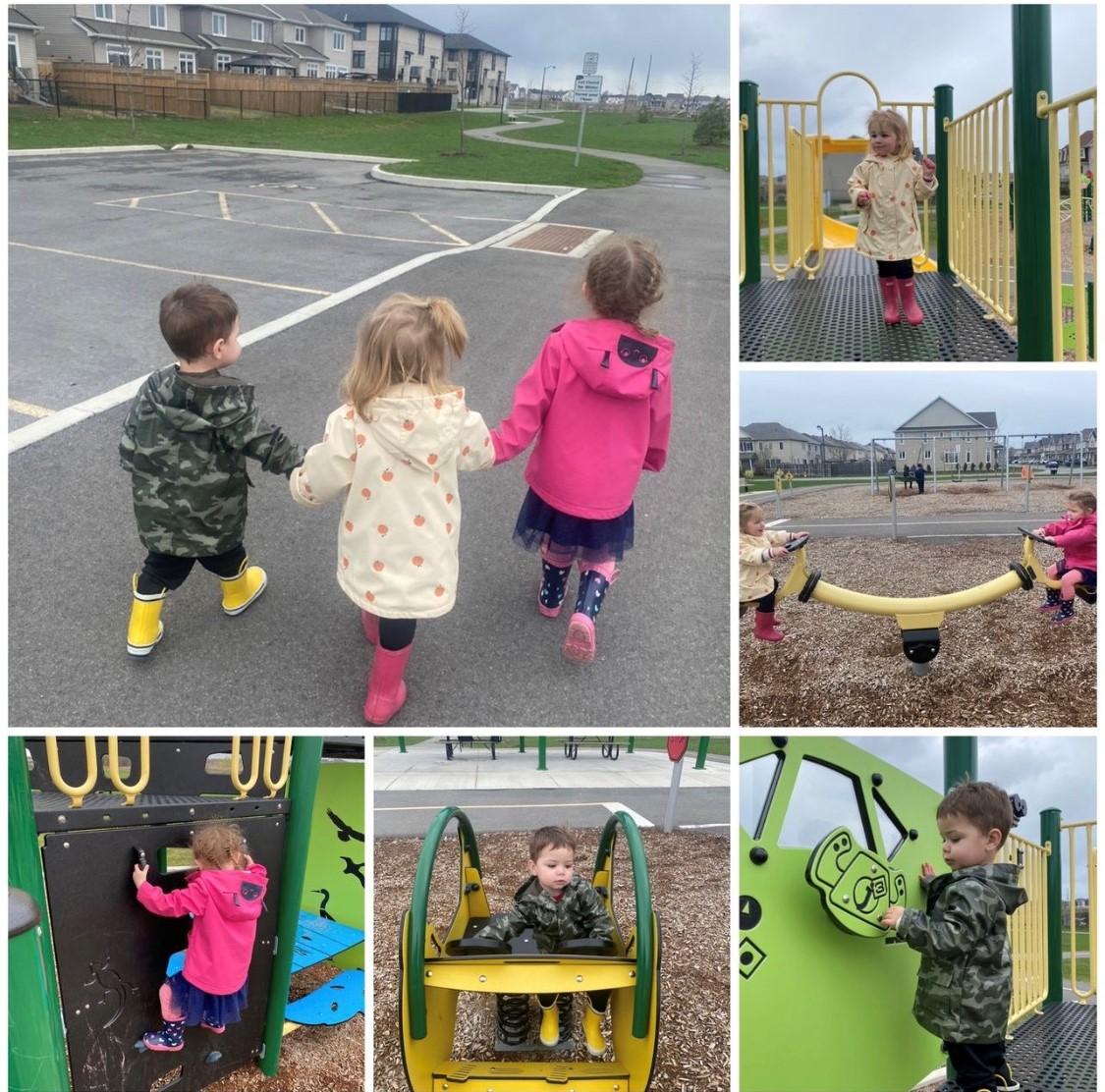
When you think back to your favourite childhood play experiences, chances are they took place outdoors, unsupervised and while hanging out with friends. Children today by contrast seem to spend far less time playing outdoors than their parents did at their age. Today’s parents are also more risk averse and can tend to overmanage play time. It may be time to try and loosen up a bit and give our children an opportunity to experience ‘risky play’. Experts confirm that the benefit of such play outweigh the concerns associated with it. It might sound worse than it is - ‘risky play’ is simply any play that involves kids experimenting and pushing themselves to figure out what will happen, without knowing the exact outcome. It can also help develop a child’s self-confidence, resilience, executive functioning abilities and even risk-management skills.
Risky Play includes:
- Playing with heights, such as climbing trees or structures
- Playing at high speeds, such as a game of tag or riding a bike
- Playing with tools – like making a fort or building something with stones or sticks
- Tumble play such as rolling and leaping
- Play with a chance of getting lost (playing hide and go seek or walking in the neighborhood)
Depending on the age of your child and your own comfort level, you can introduce different aspects of play that are risky. Risky doesn’t always mean the child is unsupervised, it could mean that you provide them the materials or support them in the type of risky play vs guiding them in exactly how to play or do something.
Here are some tips to help you encourage your child to take safe risks during outdoor play:
Emphasize Personal Safety - educate your children on personal safety when they are outdoors but still allowing them to make mistakes and possibly getting hurt (i.e., wearing a helmet when riding a bike), and teaching them to be aware of their surroundings
Provide Guidance - it can be helpful to take the time to point out any potential dangers around the area your child may be playing around, so that they gradually reach a point where they have enough knowledge to stay safe. This will build on their confidence and prepares them to take risks when playing.
Practice 20 Second Rule - instead of telling your child “that is too dangerous”, take a step back and wait 20 seconds to see how your child reacts to the situation and/or environment. This will let you get a better sense of what they’re capable of doing or not doing. This allows your child to learn about problem solving and risk management, and it also shows them that you trust them and will step in if they need help.
Provide Space for Play - carve out enough quality time in the day for your child to play outdoors even if they have extracurricular activities or homework. High-quality play also requires space, both physical and psychological. In terms of physical space, enough space and opportunity for risky play, and for psychological space, being available for your child when they need help but letting them explore on their own as well.
It is natural to worry about your child when they are playing outdoors, but this should not keep you or your child from having fun and taking risks. Allow your child to push the play boundaries, where they have room to run faster, climb higher, or go on adventures. It might mean there may be some tears, scrapes, or falls, but risky play helps your child learn from their mistakes and build their resiliency.
|