|
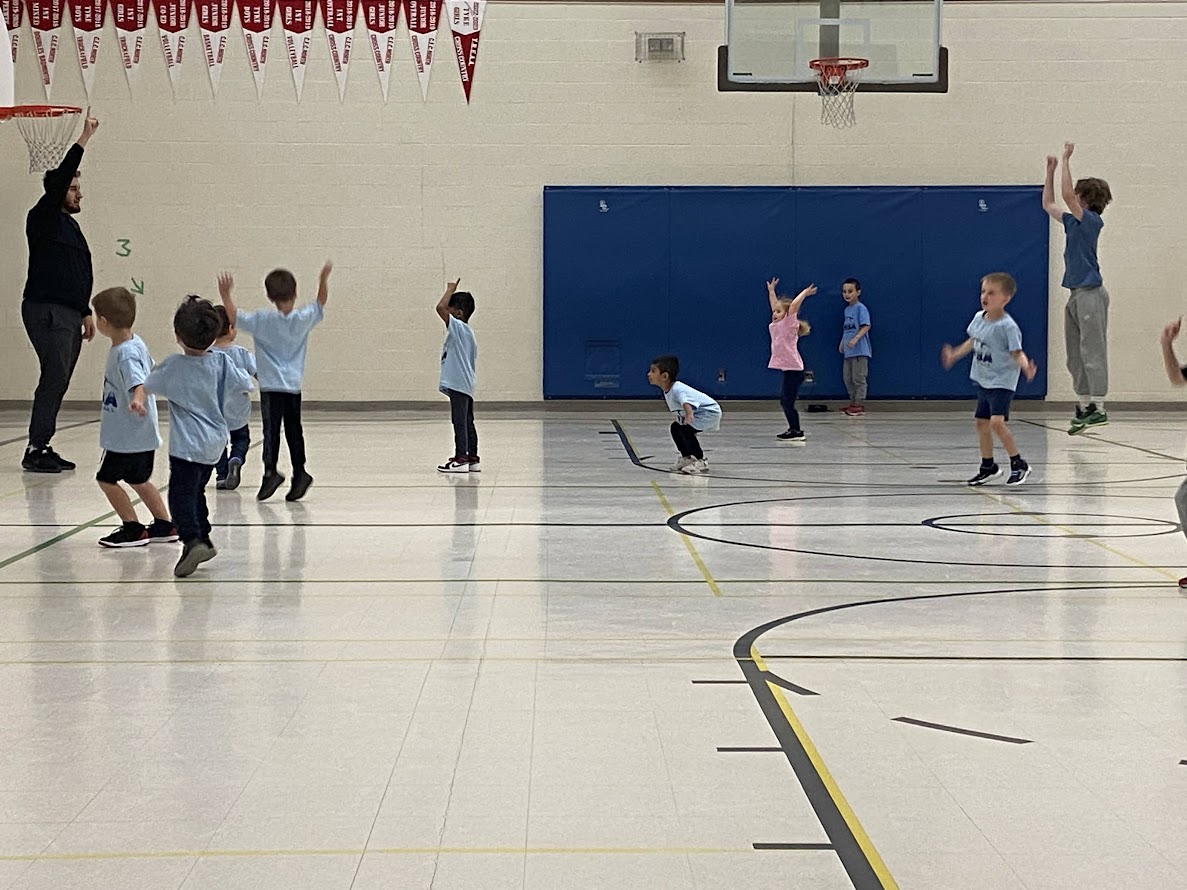
You signed your child up for t-ball or soccer this summer, but at the first practice your child refuses to get out of the car! Getting your child to actively participate can be a challenging endeavor, but a rewarding one that fosters their development. Understanding why children might not want to participate in activities is key to finding ways to encourage their engagement.
The most common reasons are something that we can all relate to, for example: fear of being judged, low confidence or a lack of understanding of the activity. Your child might be afraid of not performing well and being judged by others. They may feel they lack the understanding and proper skills to participate properly. And this could all lead to concerns about fitting in and being accepted by peers. Another common reason is a lack of interest in the activity. The activity may not be engaging or stimulating enough and therefore they fight participating.
As with anything, emphasizing the importance of effort over perfection creates a supportive environment. Provide encouragement, celebrate small achievements, and gradually introduce new activities/more challenging tasks as their confidence grows. Finally, where possible, arrange activities with close friends to ease social anxiety and provide a sense of belonging.
Here are some additional strategies to encourage participation:
-
Involve Them in Decision-Making: Allow children to have a say in choosing activities to ensure they align with their interests and preferences.
-
Create a Positive and Supportive Environment: Foster a safe space where they feel valued and supported regardless of their performance.
-
Set Realistic Expectations: Start with simple activities and increase the complexity as they gain confidence and skills.
-
Offer Praise and Encouragement: Regularly acknowledge their efforts and achievements to build their self-esteem and motivation.
-
Encourage Peer Interaction: Facilitate opportunities for them to engage in activities with friends or peers to enhance enjoyment.
-
Balance Structured and Unstructured Time: Ensure they have a healthy balance between organized activities and free play to prevent burnout.
-
Communicate Openly: Maintain open lines of communication to understand their feelings and address any concerns or issues they might have.
By adopting these strategies, you can create an environment that encourages your child to actively participate in activities, helping them to grow, learn, and enjoy new experiences.
|