|
Flip the Script on Disability
The Inaugural Lois Curtis Lecture Presented by the Paul K. Longmore Center at The Arc San Francisco
May 7, 2026
The Paul K. Longmore Center at The Arc San Francisco welcomed disability advocates, filmmakers, writers, artists, and community members for Let's Flip the Script on Disability, the inaugural Lois Curtis Lecture, and the first official Longmore event at The Arc SF.
The evening marked an exciting milestone. Together, attendees reflected on the legacy of Paul K. Longmore, celebrated the unveiling of a new logo, and explored how disability has been represented in film and media.
From conversations about disability history and culture to discussions about storytelling, representation, and advocacy, the event brought together people committed to building a more inclusive future.
Whether attending in person or online, participants helped launch a new chapter rooted in community, leadership, and the belief that disabled people deserve to tell their own stories.
| | |
Watch or Listen
Missed the event or want to revisit the conversation?
We've adapted the event recording into a podcast-style episode so you can watch or listen at your convenience. Whether you're interested in disability representation in film, the future of disability storytelling, or the launch of the Paul K. Longmore Center, we invite you to join the conversation.
| | |
Longmore: Past, Present, and Future
The evening began with reflections on the legacy of Paul K. Longmore and what it means to carry that legacy forward.
Emily Beitiks, former Interim Director of the Paul K. Longmore Institute at San Francisco State University, encouraged attendees to think boldly about advocacy beyond academic spaces. Drawing from her years working with the Institute, she challenged us to be brave, elevate marginalized voices, and continue building on the leadership and activism that Paul championed throughout his life.
Historian Trevor Getz shared personal stories that painted a picture of Paul not only as a scholar and activist, but as a friend with a sharp sense of humor. One story recalled Paul approaching a March of Dimes donation display and joking, "I'll just take the money now!" It was a reminder that behind the scholarship and advocacy was a person who brought wit, perspective, and humanity to everything he did.
Melissa Crisp-Cooper, new director of the Longmore Center, shared her vision for the future: a place that nurtures leaders with developmental disabilities, advances disability justice, and creates opportunities for connection across the disability community.
As this work continues to grow, that vision will guide future programs, conversations, and partnerships while creating opportunities to elevate disability voices, foster leadership, and build community.
Want to support the Longmore Center? You can do so here.
| | | | A New Logo for a New Chapter | |
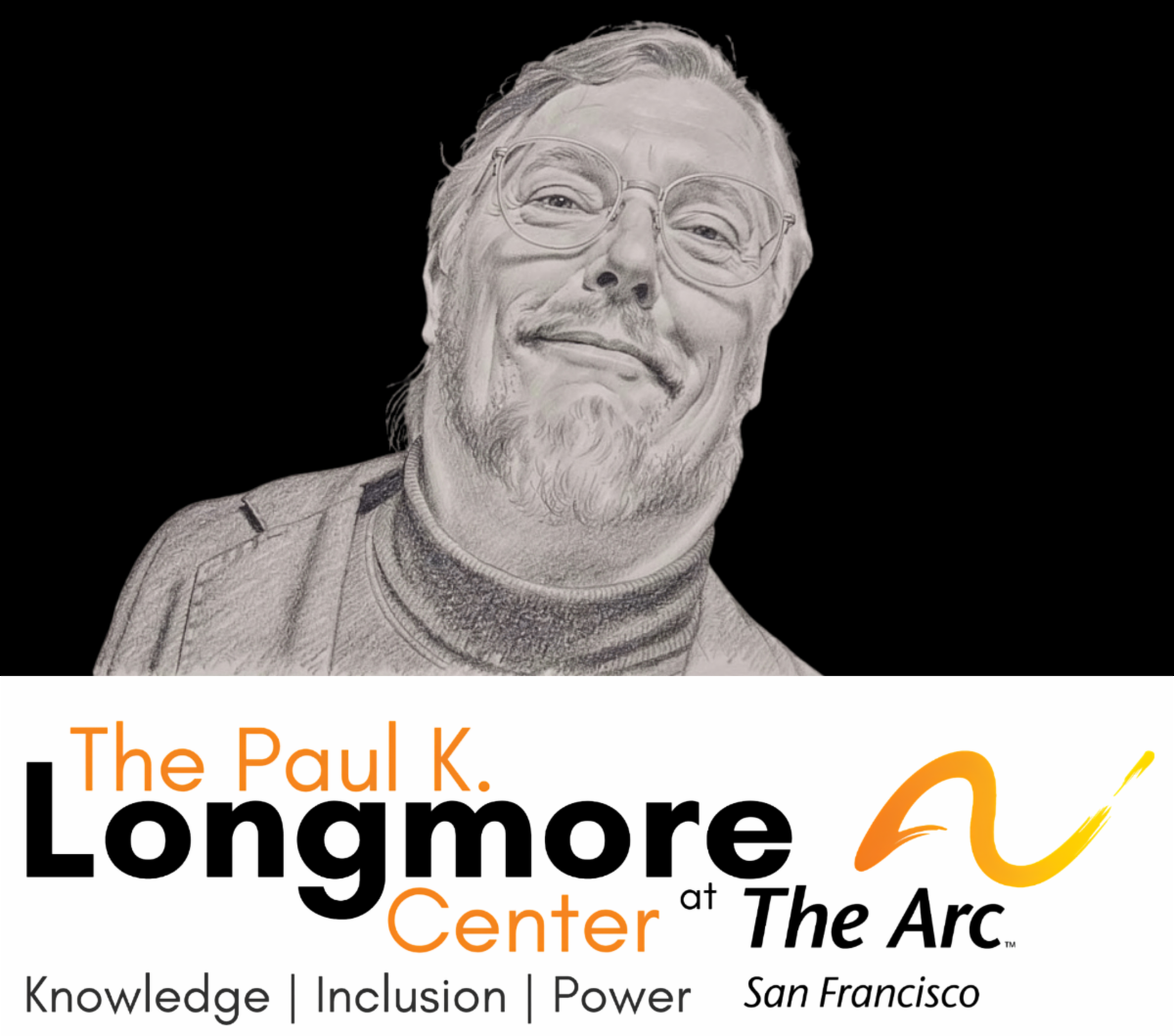
The evening also featured the unveiling of the new Paul K. Longmore Center logo, marking an important milestone in the Center's next chapter at The Arc San Francisco.
To create the new visual identity, The Arc San Francisco
| | |
invited disabled creatives from across the country to participate in a logo design competition.
The goal was not simply to create a new logo, but to find a design that reflected the values, history, and future of the Center.
The winning design was created by disability advocate, organizer, and designer Parker Glick.
For Parker, the project was about much more than aesthetics.
"Design to me is never just about making something look good. It's about communication. It's about access. It's about making people feel seen."
As Parker researched Paul Longmore's life and work, he reflected on the legacy Longmore left behind and the generations of disabled leaders, organizers, storytellers, and advocates who have shaped disability culture and pushed for visibility and justice.
"I thought about legacy, about how disability history is often overlooked, even though it has been built by powerful organizers, storytellers, educators, and community members who've pushed for visibility and justice."
One of the most striking elements of the design is its portrait of Longmore himself.
"The portrait element was important to me because it represents presence, a reminder that disability history is shaped by people whose voices and leadership continue to influence us today."
Parker also spoke about the importance of representation and visibility within the disability community.
"When people recognize themselves in a space, in leadership, or even in a piece of design, it changes how they understand their possibilities and their future."
The logo serves as both a tribute to Paul Longmore's legacy and a symbol of the work still ahead. It reflects a future where disability culture, advocacy, leadership, storytelling, and community continue to grow and thrive.
Thank you, Parker, for creating such a thoughtful, welcoming, and inspiring design as we launch this exciting new chapter for the Paul K. Longmore Center.
| | |
Flip the Script on Disability
The evening's featured panel explored how disability is represented in film and media, what happens when disabled people tell their own stories, and why representation matters both on screen and behind the camera.
Featured Panelists
| | |
Kristen Lopez
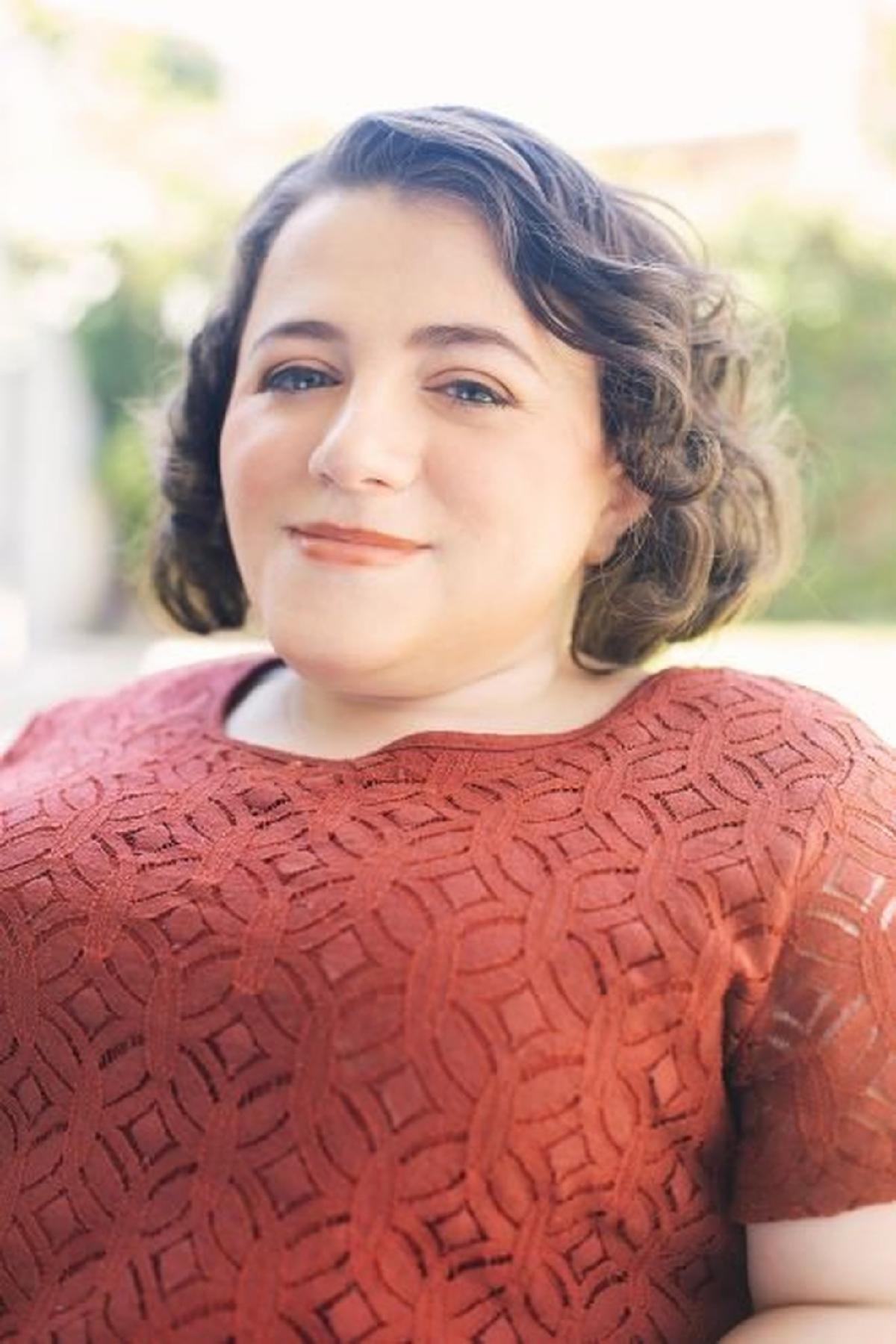
Film critic, journalist, and author, Kristen Lopez examines how disability has been represented in movies and television and advocates for more authentic storytelling on screen.
| | |
Reid Davenport
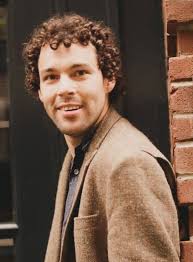
Award-winning documentary filmmaker Reid Davenport creates films that challenge audiences to think differently about disability, identity, and justice.
| | Rosemary McDonnell-Horita: Disability advocate, organizer, and impact producer, who has helped bring disability stories to broader audiences. | | |
Moderators
Gladys Rodriguez
A longtime participant at The Arc San Francisco, Gladys Rodriguez is a peer advocate, community leader, and passionate movie fan. She has shared her experiences on panels focused on healthcare, employment, and disability advocacy, bringing insight and lived experience to conversations about representation and inclusion.
Toby Dixon
Producer, comedian, disability advocate, and arts leader, Toby Dixon is an Internship Coordinator at The Arc San Francisco. His work is driven by a belief that humor, creativity, and authentic representation can help people see one another in new ways.
Together, the panelists and moderators explored the stories society tells about disability, the stereotypes that continue to appear on screen, and the importance of ensuring disabled people have opportunities to tell their own stories.
| |
Ten Takeaways from the Conversation
1. Representation Matters
As young people, both Kristen Lopez and Reid Davenport identified with the disabled characters they saw in movies. Sometimes those portrayals were meaningful, and sometimes they were uncomfortable, but they left a lasting impression.
2. Stories Can Change How We See Disability
Rosemary McDonnell-Horita shared that the first film she worked on was Crip Camp. The experience changed the way she thought about storytelling and its power to shape how people understand disability.
3. Disability Stereotypes Have a Long History
Kristen discussed the longstanding trope of disabled characters being portrayed as childlike or in need of care. One example she pointed to was Tiny Tim from A Christmas Carol.
4. Disability Is Political
Reid explained that he makes documentaries to expose the politics of disability and the systems that shape disabled people's lives.
5. Disability Does Not Need to Be Fixed
Reid spoke about how film often reinforces the ableist idea that disability is something that needs to be cured or overcome. He expressed hope that more documentaries by disabled filmmakers will continue challenging that narrative.
6. Disabled People Deserve to Tell Their Own Stories
Rosemary emphasized the importance of creating opportunities for people with lived experience of disability to tell stories through their own lens. More authentic storytelling helps audiences see disabled people as individuals with rich and complex lives.
7. Representation Should Reflect the Diversity of the Community
Kristen called for broader representation of people with disabilities on screen, including more stories that reflect different identities, backgrounds, and lived experiences.
8. Disabled People Deserve Full Lives on Screen
Rosemary challenged audiences to think beyond traditional portrayals of disability and expressed a desire to see more disabled people depicted in romantic and sexual relationships on screen.
9. We All Have Assumptions to Challenge
Kristen shared that writing Popcorn Disabilities required her to confront some of her own ableism, particularly while researching and writing the chapter on intellectual and developmental disabilities in film.
10. Support Disabled Creators
The panel encouraged attendees to explore the work of disabled filmmakers, writers, artists, and advocates. One recommendation was the Superfest Disability Film Festival, a longstanding showcase for films created by and about people with disabilities.
| | |
Resources from the Conversation
Interested in exploring the work of our panelists? Here are some of the books, films, and resources mentioned during the discussion.
| | |
Films Recommended by the Panelists
Throughout the conversation, panelists shared films that have influenced their thinking about disability representation, storytelling, and lived experience.
-
Coming Home (1978)
-
Wuthering Heights (2026)
-
Sign of the Ram (1948)
-
Patrice: The Movie (2024)
-
Sinners (2025)
-
Unseen (2023)
-
Goodbye CP (1972)
-
Still Tomorrow (2017)
-
The Tuba Thieves (2023)
| | |
Superfest Disability Film Festival
One recommendation that came up during the discussion was Superfest, the longest-running disability film festival in the world. The festival showcases films created by and about people with disabilities and continues to be an important platform for disabled storytellers. After years of being a program of the Longmore Institute, Superfest's home is now the Disability Cultural Center in San Francisco.
| | | | | |