A regional resource for climate advocates
February 5, 2022
|
|
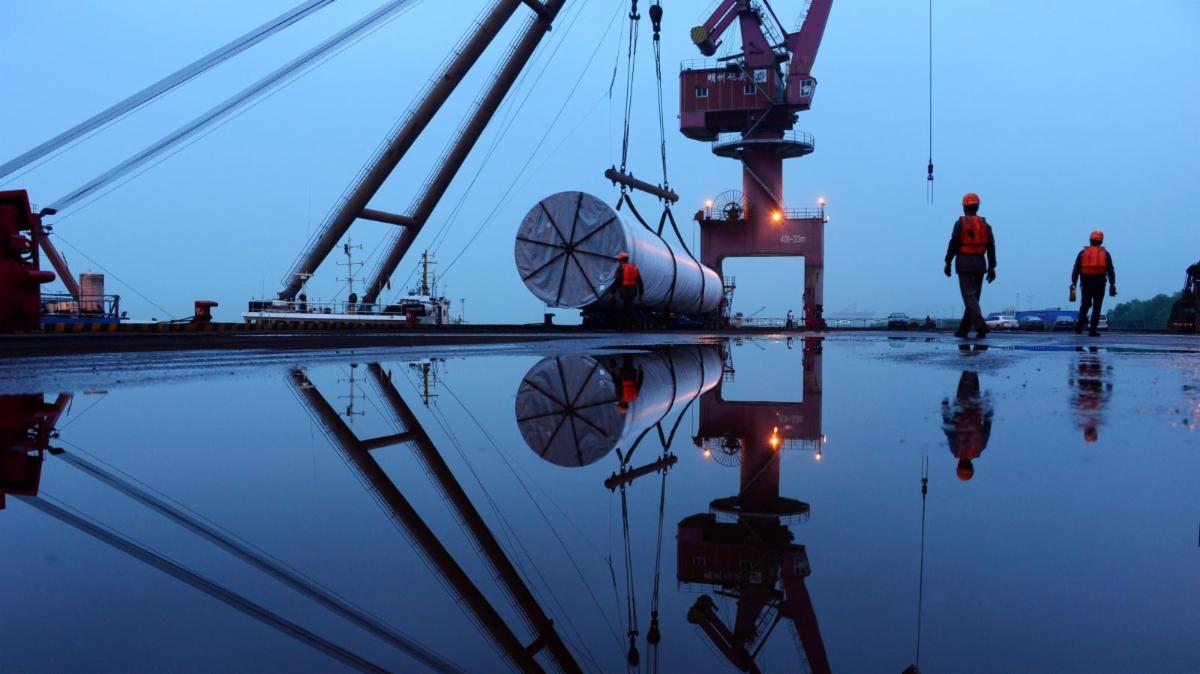
China built more wind power than the rest of the world combined in the run-up to the Olympics
By Aurora Almendral, Quartz, February 3, 2022 (Photo - REUTERS)
The Olympics are hard on the environment: new construction, athletes and spectators flying in by the thousands, and the energy required to operate a massive sporting event.
|
|
Olympians Worry as "Winter" Disappears from Winter Games
By Howard Fendrich, Pat Graham, Associated Press, Jan. 31, 2022
BEAVER CREEK, Colo. (AP) — Ski racers settling into the start gate for Alpine World Cup events in the Rocky Mountains in early December squinted through sunshine that carried the temperature toward 50 degrees and glanced down at a course covered with pristine — and manufactured — snow.
If they looked up and across the way, beyond the finish line, they saw adjacent hills that were brown and barren as can be, with nary a trace of powder or any indication that this was a setting for athletes who would be heading to the Beijing Olympics that begin Feb. 4.
It is a troubling reality and — given their own reliance on the production of snow, continent-hopping flights powered by diesel fuel and other environment-unfriendly offshoots of their careers — hard-to-reconcile push-and-pull for many of those who will be competing in Alpine skiing or freestyle skiing or snowboarding or Nordic combined events or other outdoor sports that helped put the disappearing “Winter” in Winter Games. Read more.
|
|
Baker-Polito Administration Awards Over $13 Million for Electric Vehicle Fast-Charging Stations at 150 Locations Across the Commonwealth
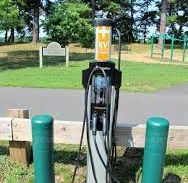
Press Release, Massachusetts Department of Environmental Protection, February 3, 2022 | Photo - Framingham Source
BOSTON — In an effort to create additional infrastructure across the Commonwealth, the Baker-Polito Administration today announced that $13.1 million in grants have been awarded to 54 government and private entities under the Massachusetts Electric Vehicle Incentive Program (MassEVIP) to install 306 Direct Current Fast Charging (DCFC) electric vehicle charging ports at 150 locations.
The MassEVIP DCFC program, administered by the Massachusetts Department of Environmental Protection (MassDEP), provides grants covering 100 percent of the eligible cost to acquire and install publicly accessible DCFC electric vehicle (EV) charging stations at government-owned properties and 80 percent at all other locations, up to $50,000 per charging port.
“Our administration understands the importance of reliable infrastructure supporting the Commonwealths energy future,” said Governor Charlie Baker. “Today’s announcement is a step towards the increased deployment of these clean vehicles, which will reduce greenhouse gas emissions, improve air quality and public health, enhance energy diversity and promote economic growth.” Read more.
|
|
MassEVIP Workplace & Fleet Charging Incentives
MassEVIP Workplace & Fleet Charging is one of several MassDEP rolling grant programs aimed at making electric vehicles (EVs) and EV charging stations more widely available across Massachusetts.
The Workplace & Fleet Charging Program provides incentives for employers and fleet operators to acquire and install Level 1 and Level 2 EV charging stations. Applicants with 15 or more employees in non-residential places of business are eligible. Learn more.
|
|
The win-wins of climate and biodiversity solutions
What’s better for plants and wildlife is better for the climate. But where do we start to accomplish the best results?
By Paul C. West, The Revelator | Photo by Ray Bilcliff from Pexels
.
The climate is changing, and species are going extinct faster than any time since civilization began. The two crises are not independent. That’s good news—it means there are solutions that benefit both biodiversity and climate.
Nature is already our best defense against runaway increases of greenhouse gas emissions. Earth’s lands and waters currently absorb about 40 percent of the carbon dioxide human activity and natural processes release into the atmosphere. That can’t continue, though, without our oceans acidifying and plants reaching the limit of what they can absorb. Read more.
|
|
Our Planet-Forests
A magnificent film, narrated by David Attenborough
A Netflix original documentary series and groundbreaking collaboration between World Wildlife Foundation, Netflix and Silverback Films, Our Planet showcases the world's natural wonders, iconic species and wildlife spectacles that still remain.
We're all a part of this amazing planet, but we're changing it like never before. Discover the story of the one place we all call home.
IN THIS EPISODE: We are uniquely reliant on forests – without them, life as we know it would not exist. Watch the film here.
|
|
Central Park Is Opening a Lab to Study Climate Change
New York’s most famous park is leveraging its brand and its data to fight against the deterioration of urban forested areas.
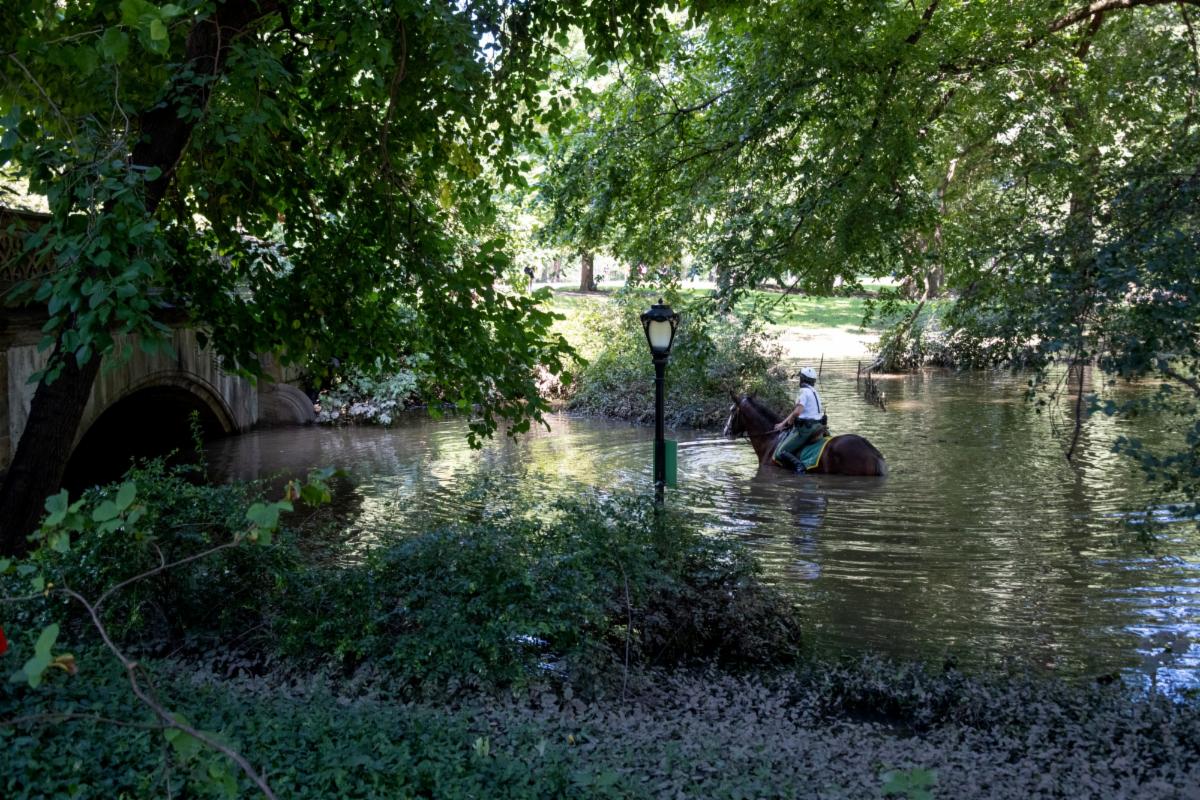
By Maxwell Adler, Bloomberg News, January 27, 2022 | Photographer: Alexi J. Rosenfeld/Getty Images
For Norman Selby, last September’s Hurricane Ida was a call to action. Selby, a member of the Central Park Conservancy Board of Trustees and a former senior partner at McKinsey & Co., knew that something had to be done to mitigate future damage caused by extreme weather events after Ida dumped a record 3.15 inches of rain on the park over the course of an hour, flooding the famous Boathouse and damaging roughly 50 trees.
His solution was to establish the Central Park Climate Lab — a new research facility that will leverage decades of Conservancy data recorded about the health of its wildlife, vegetation and soil to study climate change-induced deterioration of urban parks and natural forested areas. Read more.
|
|
In the Spotlight: Habitat for Humanity Cape Cod
|
|
Habitat for Humanity’s 6 Cape Cod homes score high on energy efficiency
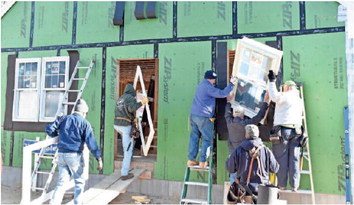
Denise Coffey, Cape Cod Times USA TODAY NETWORK, February 2, 2022 | Photo - Steve Heaslip, Cape Cod Times FILE
HARWICH – The six homes under construction on Murray Lane are examples of how strongly Habitat for Humanity has embraced energy efficiency. When completed, each will be equipped with a Mitsubishi HVAC system and LG solar panels. They will have 6-inch exterior walls with room for plenty of insulation.
Using a framing technique called a California corner, the home’s corners will allow for more insulation in an area that traditionally loses the most heat. Cement–based clapboard siding is economical, durable and made from materials often tossed into landfills, according to Habitat.
Also, flooring is made from sustainably harvested bamboo. Appliances are “Energy Star” rated and windows are double paned. LED lights are used in all fixtures. Where possible, homes are oriented to the south, so solar panels can capture the most hours of sunlight. Some homes are so energy efficient that they return more energy to the grid than they use. Read more.
|
|
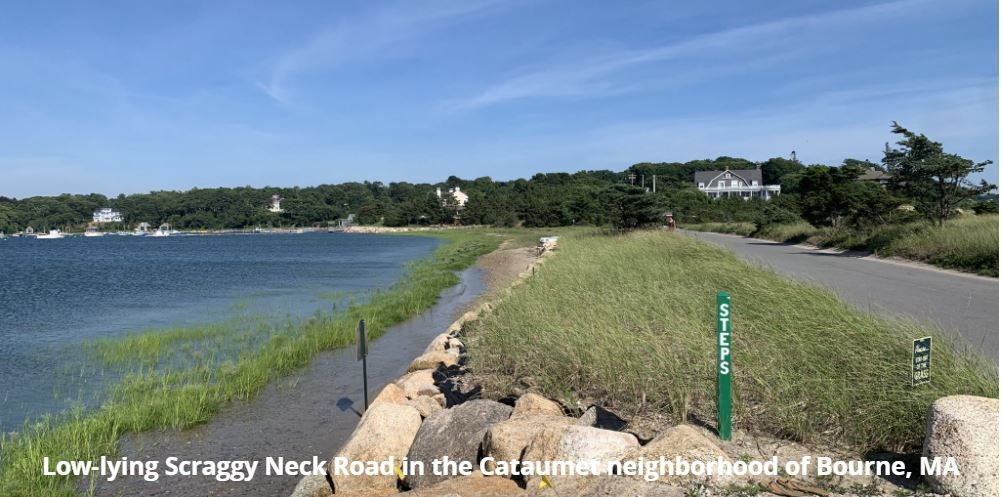
Innovative Resiliency Fund Positions Bourne, MA for Long-Term Climate Preparedness
By Courtney Greene and Kyle Gray/Throwe Environmental (Photo: Kyle Gray)
BRISTOL, R.I. — With broad support from community residents, the Town of Bourne, Massachusetts has approved a $150,000 Climate Resiliency and Infrastructure Stabilization Fund to mitigate and/or adapt to the risks posed by climate change.
The Fund serves as a unique and innovative example of how vulnerable municipalities can sustainably commit fiscal resources to address the long-term implications associated with sea-level rise, more frequent and intense storms, coastal erosion, and other climate hazards.
The initial $150,000 investment, adopted at a November Town Meeting, comes as an annual transfer from the Town’s Reserve Fund. Future investments in the Fund could come by way of additional transfers, funds borrowed, or through other revenue sources. Read more.
|
|
"Quotes of Note"
Out of nearly 1,000 ratings from 2018 to present, Habitat Cape Cod homes
have consistently received the best HERS ratings of any Habitat affiliate
in the United States, according to Molly Berg, building science
specialist at Habitat for Humanity International.
Habitat’s Construction Director Bob Ryley said the last three Habitat homes
built on the Cape scored in negative numbers: –18, –20, and –21 respectively.
Grevelis calls the numbers remarkable. “To get from 55 to negative 15,
that’s extraordinary,” he said. “When you get a negative HERS rating,
it means the house is so energy efficient that it generates
more energy than it draws from the grid.”
|
|
The U.S. Is Behind On Its Climate Goals. Here’s What We Need To Do In 2022 To Get Back On Track
By Mindy Lubber, Forbes, Feb 1, 2022
Progress. That’s what 2021 brought to climate action. During the past year, the U.S. returned to the Paris Agreement reaffirming our commitment to reach ambitious targets that will reduce planet warming emissions this decade. Companies and investors across the economy stepped up with bold commitments to put us on the path to a net zero future. Investors, in particular, achieved historic shareholder votes and we saw critical wins on climate and clean energy policies. In a signal that the climate movement is growing, the world’s three largest asset managers (all based in the U.S.) and the six largest U.S. banks are now among those committed to net zero. Read more.
|
|
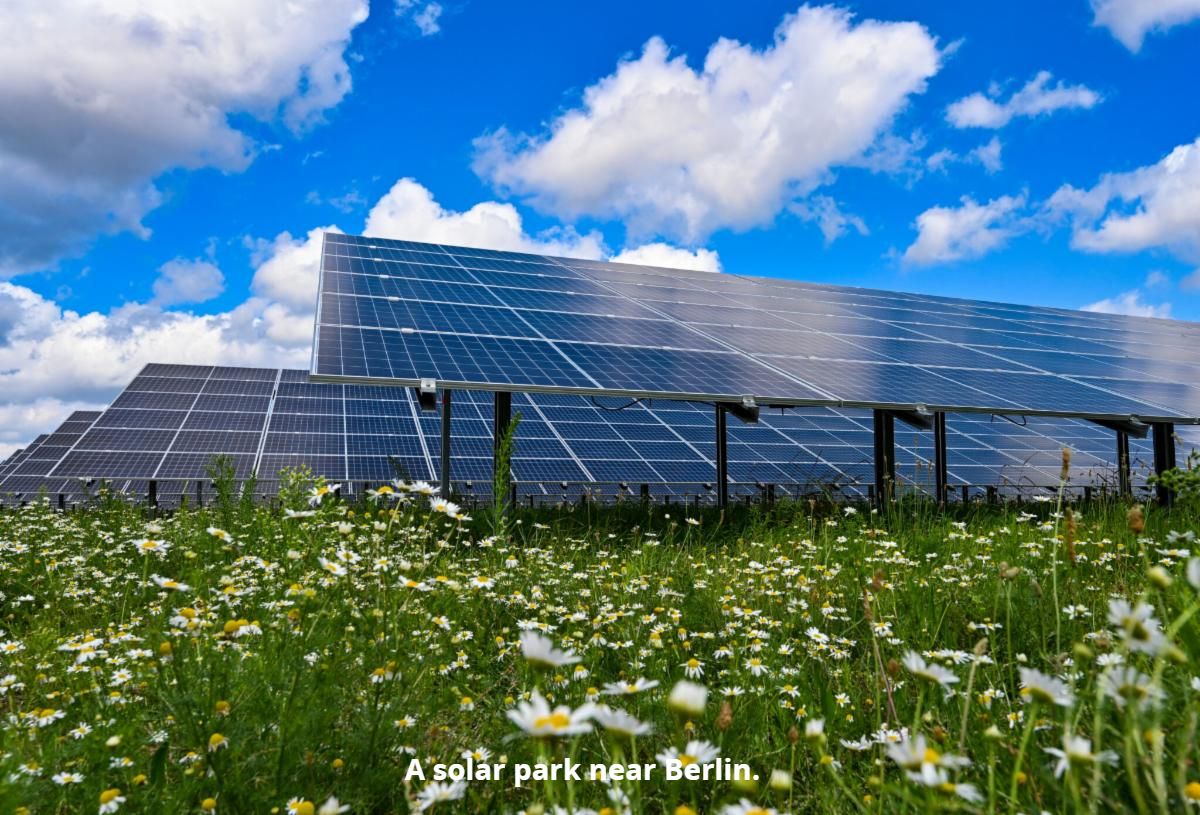
Inside Clean Energy: As Efficiency Rises, Solar Power Needs Fewer Acres to Pack the Same Punch
Research shows a big improvement in generating capacity per acre of solar panels, with implications for how much land is needed for an energy transition.
By Dan Gearino, Inside Climate News, January 27, 2021 Credit: Patrick Pleul via Getty Images
Utility-scale solar power today is much more efficient than it was a decade ago in how much land it uses, according to new research.
The paper, by lead author Mark Bolinger of Lawrence Berkeley National Laboratory, is timely because utility-scale solar is a big part of plans to make a transition to carbon-free electricity, and because there have been few recent studies about solar’s efficiency in land use. Read more.
|
|
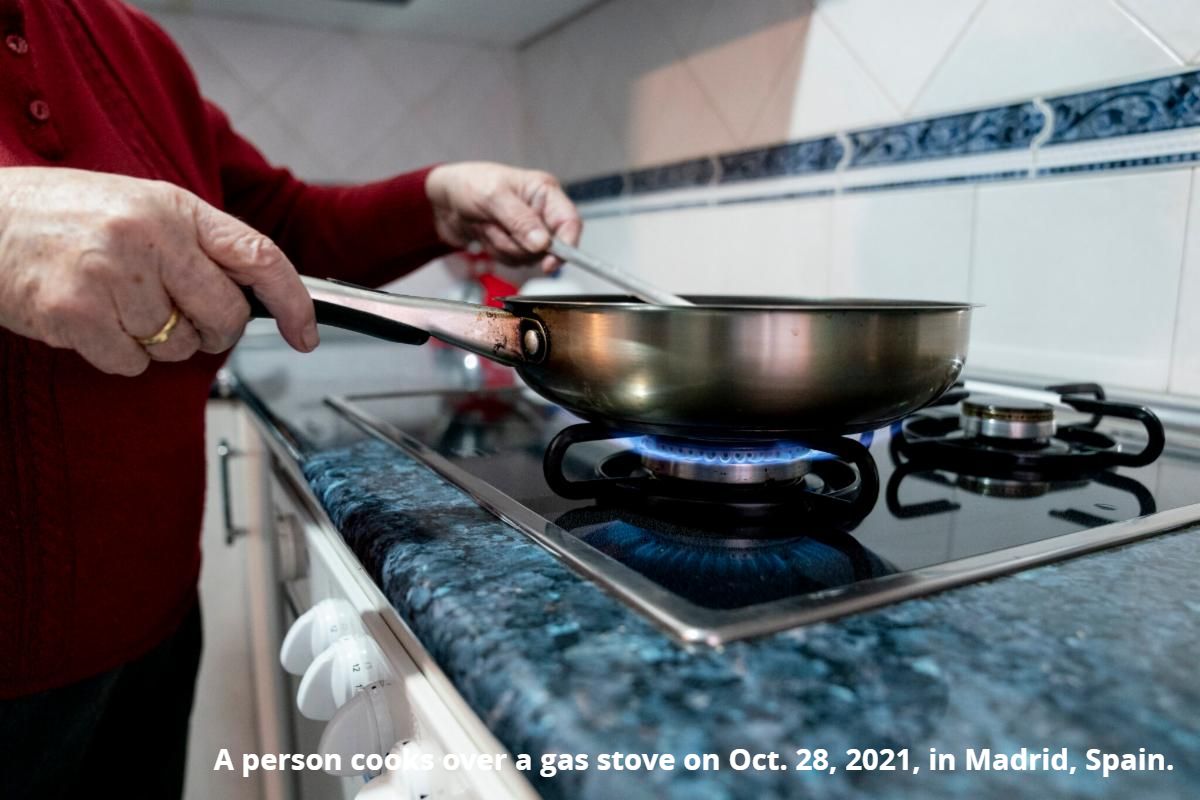
Gas Stoves in the US Emit Methane Equivalent to the Greenhouse Gas Emissions of Half a Million Cars
Cooking with gas is heating up the climate and filling some homes with hazardous nitrogen oxides in excess of EPA safety standards for outdoor air concentrations.
By Phil McKenna, Inside Climate News, Jan 27, 2022
Natural gas stoves emit far more methane than previously thought, as well as harmful nitrogen oxides in concentrations that can quickly exceed federal safety standards, researchers at Stanford University report.
The findings, published Thursday in the journal Environmental Science and Technology, come as a growing number of cities and states look to phase out gas-fueled appliances in homes in favor of more climate-friendly electric alternatives. Read more.
|
|
Events, Webinars & Trainings |
|
Is Your Community Climate Resilient? – Bylaws and Best Practices
A free webinar hosted by the SNEP Network
Wednesday, February 16, 2022
12:00 – 1:30 pm
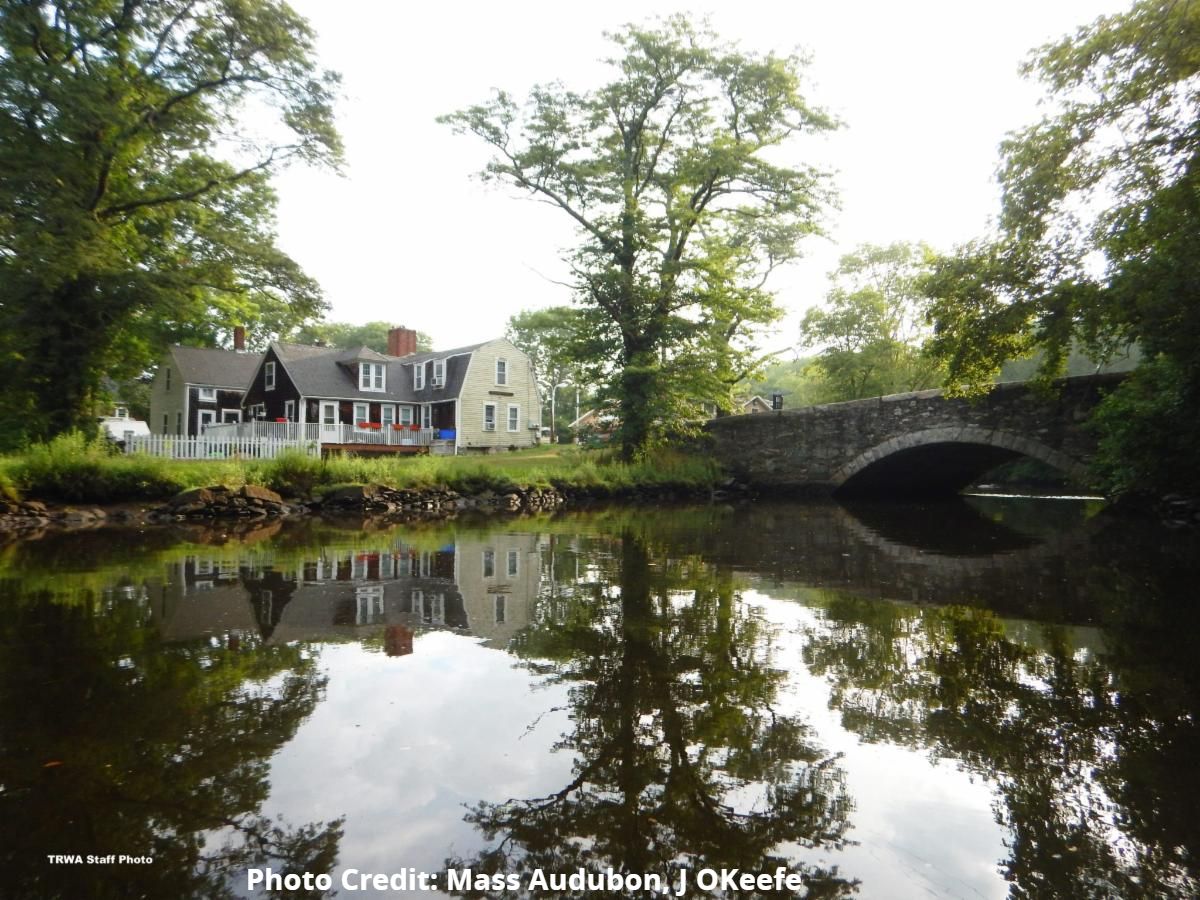
Local land use rules that support nature-based solutions to climate change have many benefits, including reduced flood risks, protection of water quality and supplies, reduced costs of road and stormwater maintenance, open space protection, and preserving community character. Outdated bylaws and regulations can prevent communities from implementing these win-win solutions. Learn about a Bylaw Review Tool that can help you give your community’s land use regulations a tune-up to ensure they support cost-effective best practices. We’ll help you identify priorities for local action, share successful examples, and provide resources to support implementation. Speakers include representatives of Mass Audubon, EPA Region I, Cape Cod Commission, SRPEDD, The Blackstone Watershed Collaborative.
|
|
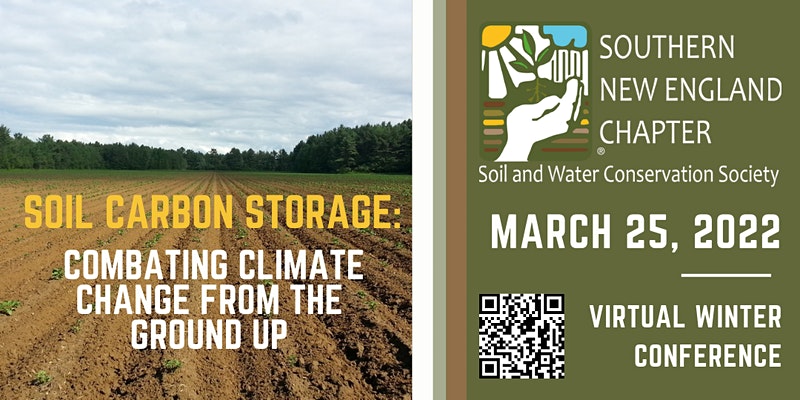
Soil Carbon Storage: Combatting Climate Change From the Ground Up
Friday, March 25
Join soil scientists and environmental professionals from across New England on Friday, March 25th at SNEC’s annual Winter Conference. Dr. Rattan Lal -- a globally renowned soil scientist whose research ranges from regenerative agriculture, soil carbon sequestration, soil restoration, natural resource management, and global food security -- is the keynote speaker.
|
|
Energy PLUS: Wind, Solar, Heat Pumps & More |
|
With new Mass Save three-year plan, Massachusetts sharpens its best climate-fighting tool
By Sabrina Shankman, The Boston Globe, Updated February 1, 2022
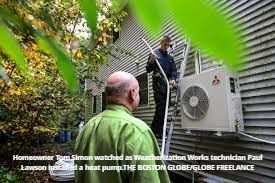
In a move hailed as a sea change in the state’s climate fight, Massachusetts regulators approved a plan that would dramatically expand incentives for homeowners to invest in electric heat pumps as the state races to shift people off fossil fuels.
On Monday, the Department of Public Utilities approved a major rewriting of the state plan that provides energy efficiency incentives to consumers. Unlike previous versions of the Mass Save plan, the new one centers on curbing global warming by encouraging people to switch from oil or gas to electric heat or renewable sources, and also includes provisions to help make the transition more affordable to people in disadvantaged communities. Read more.
|
|
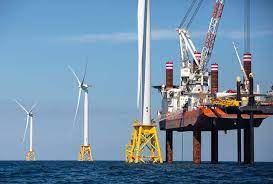
Offshore wind farms could help capture carbon from air and store it long-term – using energy that would otherwise go to waste
By David Goldberg, Columbia University, January 25, 2022 | AP Photo - Michael Dwyer
|
|
Climate Action: Solar And Wind Take A Foothold
By Judith Holt, The Sandwich Enterprise, January 27, 2022
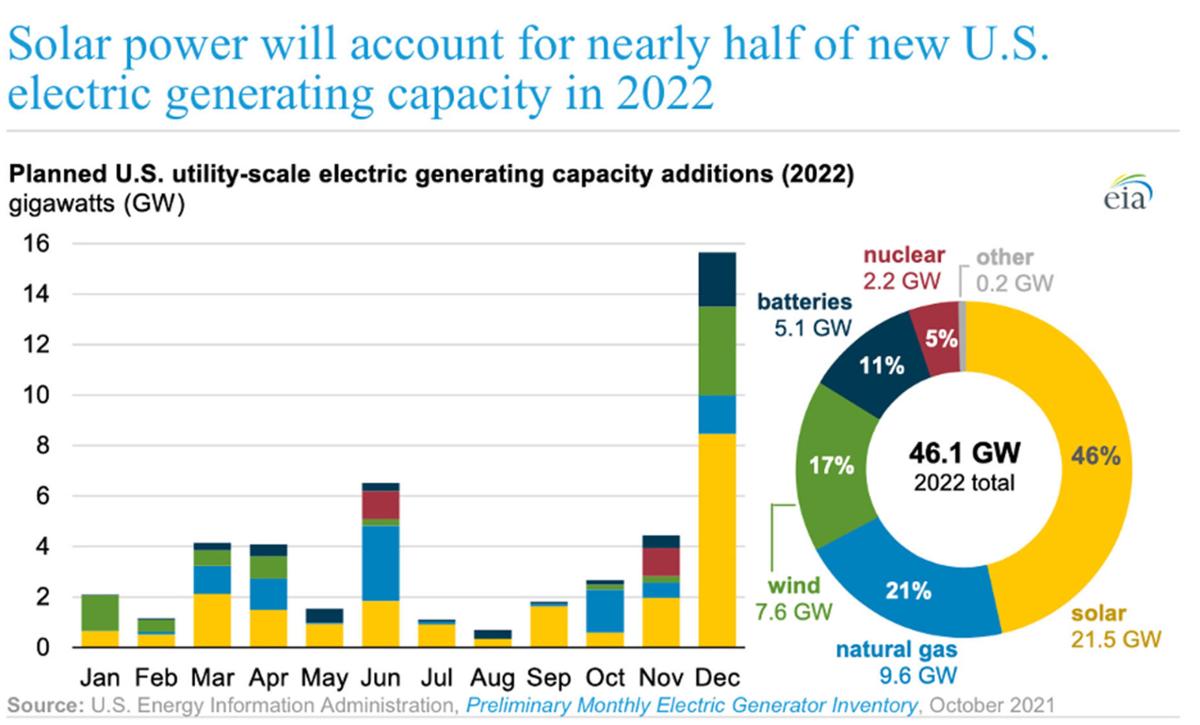
Good news on the renewable energy front: According to the US Energy Information Administration (EIA), renewable energy will account for nearly half of the new electricity-generating capacity in the United States by the end of 2022. Coal is still the largest source of generating electricity, but solar and wind are taking a foothold.
The EIA is the accounting department for energy in the United States. They provide independent reporting and analysis of all energy produced. Read more.
|
|
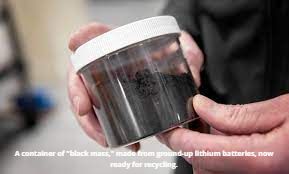
Mass. startup transforms old electric car batteries into better-than-new ones
By Bruce Gellerman, WBUR, January 25, 2022 | Photo credit: Robin Lubbock/WBUR
The switch to electric vehicles is accelerating worldwide. There are about 10 million battery-powered vehicles on the road today, and by the end of the decade, the International Energy Agency predicts there could be 230 million.
But there's a problem down the road. All those EVs are powered by batteries, and when they come to end of their life cycles, they could end up as toxic trash.Read more/listen here.
|
|
NZ-21 CONFERENCE
Missed the conference?
Not to worry!
|
|
Climate Education & Communication |
|
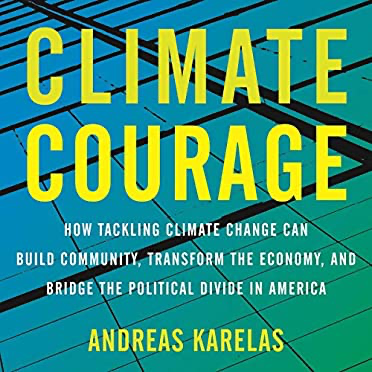
How Americans can take action in their own communities and unite across the political spectrum in pursuit of solutions to climate change.
Andreas Karelas has a message we don’t often hear: We have all the tools we need to solve the climate crisis, and doing so will improve our lives, our economy, and our society.
But to engage people in the climate fight, we need stories that are empowering, inclusive, and solutions-oriented, not based in fear. Karelas digs into the latest data on the rapidly falling costs and increased efficiencies of clean energy technologies compared to fossil fuels, looks at the rate of job creation in the clean energy sector, and introduces the listener to the inspiring work of climate heroes on both sides of the aisle - from Republican mayors and governors to activists, from businesses to faith communities.
Climate Courage shows us how we can move past our collective inaction on climate change and work together in our communities to create a more sustainable, just, clean energy - powered economy that works for everyone. Learn more.
|
|
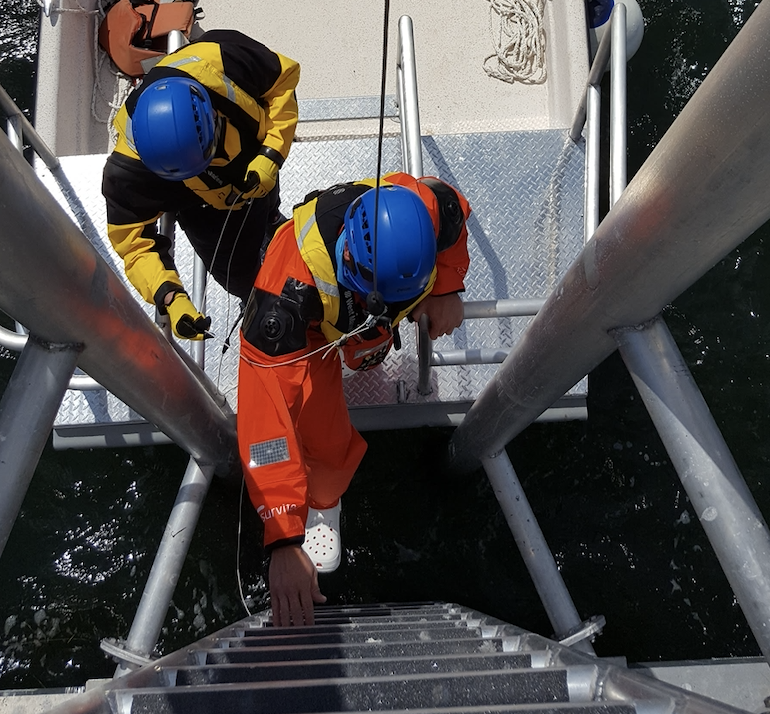
Massachusetts Maritime Academy Trains More Than 120 Individuals To Work in Clean Energy Industry
By Capt. Mike Burns, Executive Director of the Academy’s MCRE, December 8, 2021
The United States Department of Energy estimates 43,000 new jobs will be created in the offshore wind market by 2030. A Massachusetts Clean Energy study estimates that offshore wind farms will create 2,000-3,000 jobs and generate economic impacts between $1-2 billion in the region.
Massachusetts Maritime Academy (MMA) saw a unique opportunity to be involved in this growing industry and thought one of the most important ways we could contribute would be by training the men and women who will be on the front lines of this new industry. Read more
|
|
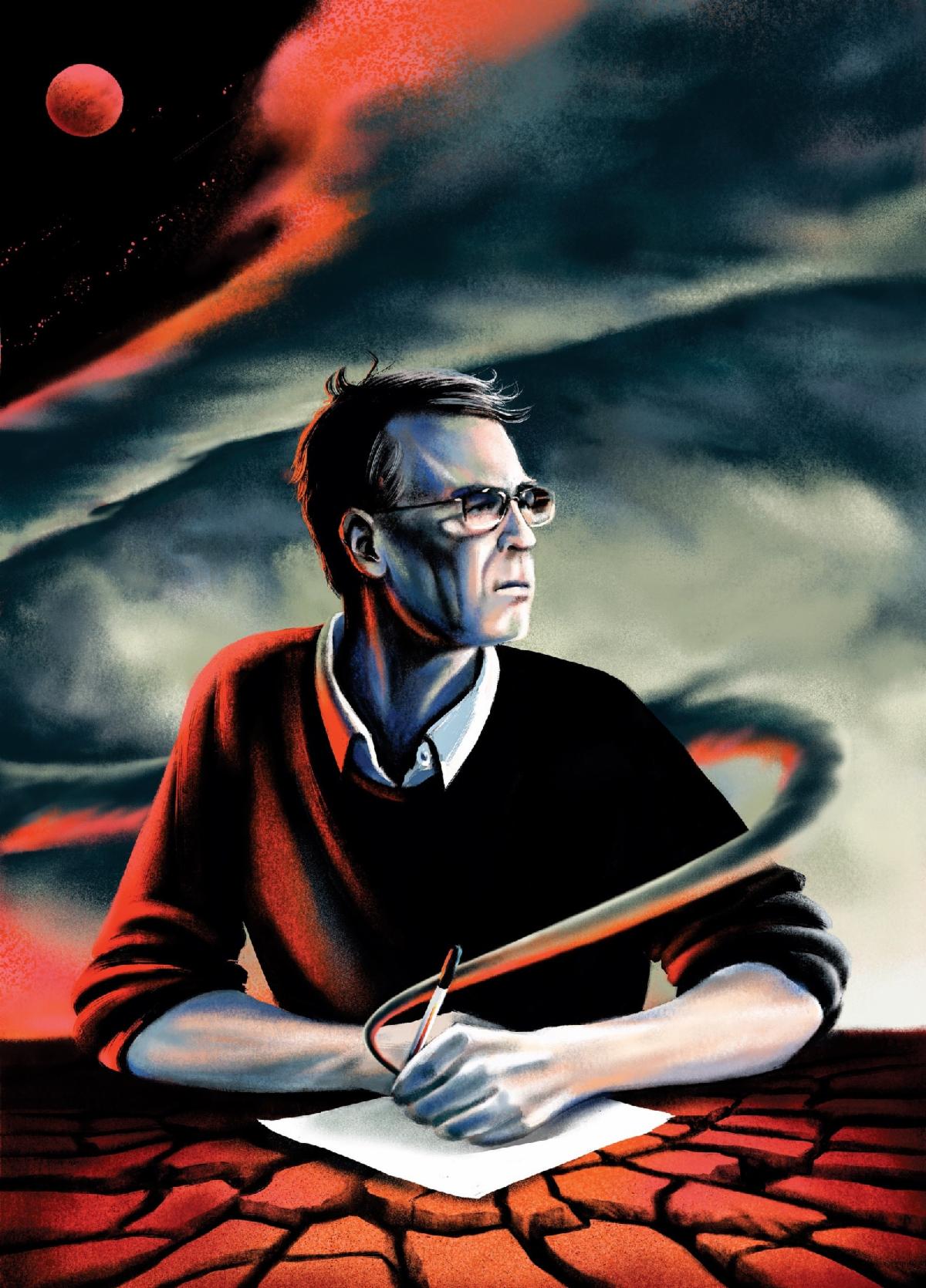
Can Science Fiction Wake Us Up to Our Climate Reality?
Kim Stanley Robinson’s novels envision the dire problems of the future—but also their solutions.
By Joshua Rothman, The New Yorker, January 24, 2022
Last summer, the science-fiction writer Kim Stanley Robinson went on a backpacking trip with some friends. They headed into the High Sierra, hiking toward Deadman Canyon—a fifty-mile walk through challenging terrain. Now sixty-nine, Robinson has been hiking and camping in the Sierras for half a century. At home, in Davis, California, he tracks his explorations on a wall-mounted map, its topography thick with ink... But as the group hiked they found no water. Streams that had once carved elegant oxbows in the canyon floor were now dusty lacerations. Read more.
|
|
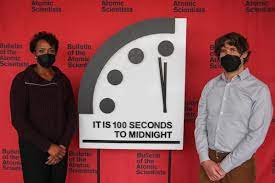
At doom’s doorstep: It is 100 seconds to midnight 2022
Editor, John Mecklin, Bulletin of the Atomic Scientists, January 2022
Last year’s leadership change in the United States provided hope that what seemed like a global race toward catastrophe might be halted and—with renewed US engagement—even reversed. Indeed, in 2021 the new American administration changed US policies in some ways that made the world safer: agreeing to an extension of the New START arms control agreement and beginning strategic stability talks with Russia; announcing that the United States would seek to return to the Iran nuclear deal; and rejoining the Paris climate accord. Perhaps even more heartening was the return of science and evidence to US policy making in general, especially regarding the COVID-19 pandemic. Read more.
|
|
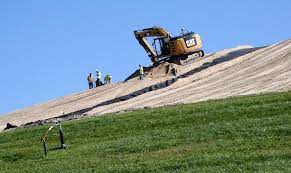
Debate to continue on massive Bourne landfill expansion
By Paul Gately, Special to Cape Cod Times USA TODAY NETWORK, February 4, 2022 | Photo: Ron Schloerb, Cape Cod Times
BOURNE — A Board of Health hearing on the possible expansion of the disposal facility off MacArthur Boulevard – both vertically and horizontally – has been continued to Feb. 16, when up to seven hours of discussion are expected following a four-hour hearing on Wednesday.
The plans being debated at the Bourne Landfill Site Assignment hearing call for a total added waste volume of 5.175 million cubic yards. The landfill would be expanded on two parcels off Route 28 with no additional daily disposal tonnage, and facility operations would be expanded, maximizing facility usage through 2035. Read more.
|
|
|
|
We are an all-volunteer 501(c)(3) organization whose mission is to reach carbon neutrality — or net zero — on Cape Cod and the Islands of Massachusetts by enhancing communication, collaboration, and activism among organizations, programs, and individuals committed to mitigating the climate crisis. We depend upon the generosity of our stakeholders to conduct our work. All donations are tax deductible as allowed by law.
|
|
The Climate Action Alerts newsletter is curated and crafted by Fran Schofield. If you have a climate story from your home, school, workplace, town or organization, please be in touch! And don't forget to share this action alert with your friends and suggest they subscribe here.
|
|
|
|
|
|
|