July 10, 2026

Numbers: A Look Back as We Move Forward

Aloha my dear Siblings in Christ, 


During a recent visitation, I was asked by a parishioner what I thought the impact of the Pandemic and disasters have had on the Diocese. It gave me a moment of pause to reflect on the past few years and all that has happened. The impact of the Pandemic and Maui fires have been profound.  


For the first ten years of my time as Bishop, we were one of the few Dioceses that was growing (slowly) in average Sunday attendance. Some will remember articles in the Episcopal News Service noting that reality. Part of the reason is that demographically we do have parishioners who live to amazing old ages. It was also a time of growth as the world recovered from the financial crisis of 2008. The visitor industry was thriving.  


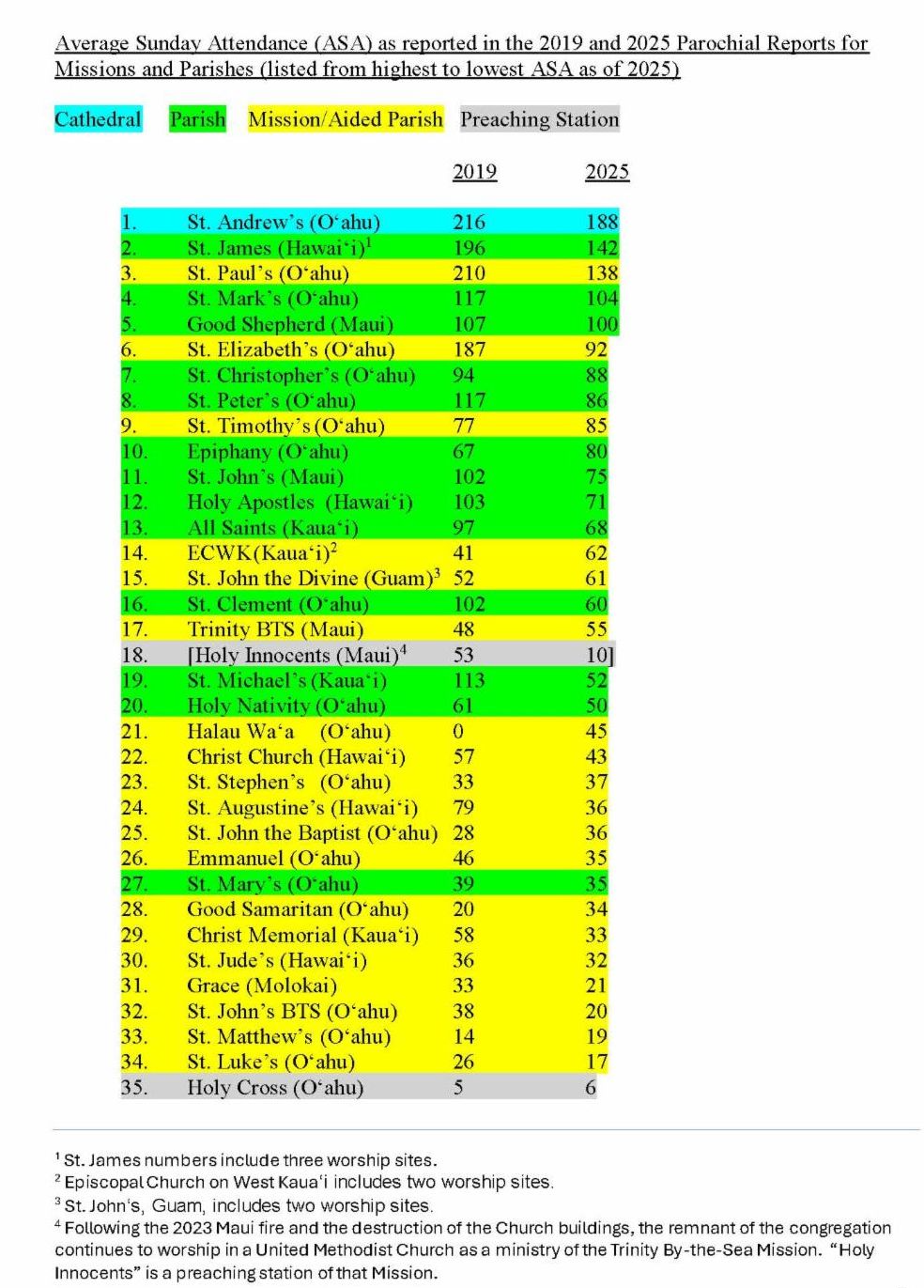
As I look at the numbers, there were some major changes in average Sunday attendance from 2019 to 2025. I am considering average Sunday attendance as a key indicator here because for congregations the core leadership and energy come from those physically at worship. Congregations may have a significant online presence that can reach many people, which is great. Likewise, congregations may have essential outreach programs and impactful small group ministries beyond Sunday worship. I appreciate the additional work that goes into those ministries. It is, however, still the case that the life blood of the vast majority of congregations (in terms of commitment, leadership, financial support, and spiritual vitality) is provided by those who gather regularly in worship on Saturdays (evenings) and Sundays (mornings and evenings).


I should note that for many churches, there has been significant growth from 2020 (and the arrival of the Pandemic with shutdowns and changes in lifestyle) to 2026, but we have not recovered from the Pandemic and other negative factors. I am also aware that congregations have had transition in clergy and lay leadership over this time. We have lost significant Kupuna. There are many factors that impact any individual congregation’s life. Overall, however, congregational life has changed.  

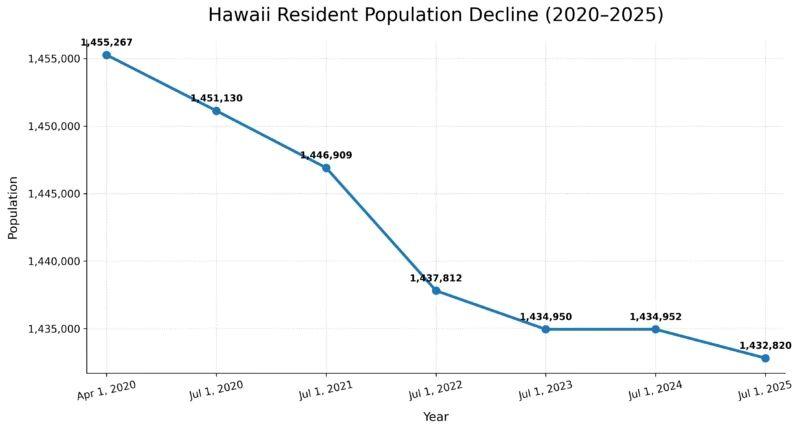
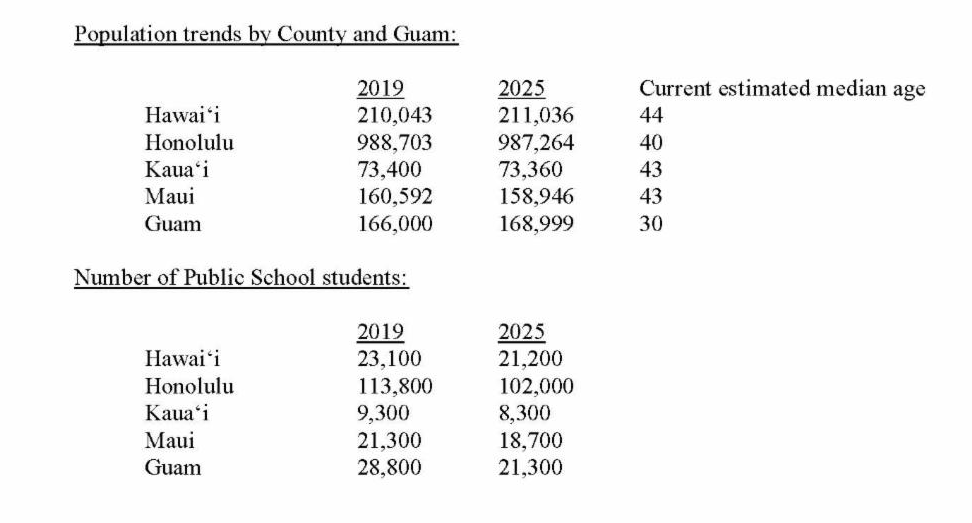
We must also be aware that we live in changing communities. The State of Hawaiʻi is declining in population and quickly aging. Guam less so, but that island is impacted by a recent massive construction of military facilites. All of the counties and Guam are seeing a reduction in the populations of the public schools [the same is true for most (except of a select few) independent and parochial schools as well]. I think these realties are due to the ongoing impact of the Pandemic and disasters (especially the fire on Maui, recent floods, and typhoons). We have also seen a significant decrease in immigration. That has impacted several of our congregations and the workforce statewide. Taken together, we live generally in older communities than in 2019 and with fewer people. There is also the very high cost of living and lack of affordable housing. There are, therefore, shifts in population on each island as people move to developing areas seeking more affordable housing. Some corners also have had a significant increase in retirees moving here from North America.  


So, the question was a good one. I have lived this changing reality with you. The question gave me a moment of pause to reflect on how much has changed in our islands. I share this reflection and the numbers as Bishop-elect Libby prepares to the lead Diocese into a new time and essential planning during 2027. She is taking up ministry in a different time than I did in 2007. As I consider the crash of 2008, the Pandemic, the Maui fires, and floods/storms, I realize the reshaping of our common life and ministry has been very real.   


I deeply appreciate how much the clergy and lay leaders have given during some difficult times. Mahalo! The resilience and faithfulness of our Diocese is amazing. You have made me proud to be your Bishop.  

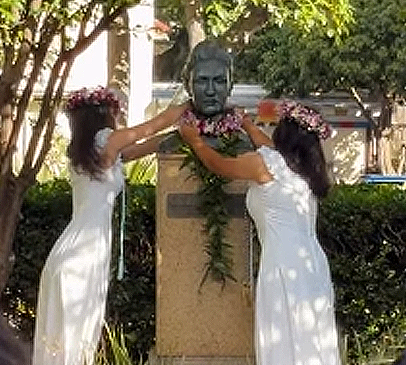
The girls of St. Andrew’s Priory have reminded me through the years that Queen Emma was guided by a Hawaiian proverb: Kūlia i ka nuʻu, (which translates into English as "Strive for the highest”). As we look to our new Bishop and a time to re-evaluate and plan for the next phase of our Diocesan common life and realistically understanding our current ministry environment, let us keep this proverb in mind. Whatever her difficulties, the Queen is the example of one who continued to strive for her people and with a profound faith.  


As always, I leave with St. Paul’s admonition:


"No ia mea, e nā hoahānau, e kūpaʻa ʻoukou, me ka nāueue ʻole, me ka hoʻomau i kā ʻoukou hana nui ʻana i ka hana a ka Haku, no ka mea, ua ʻike nō ʻoukou, ʻaʻole i make hewa kā ʻoukou hana ʻana ma ka Haku." Korineto I 15:58


"Therefore, my beloved, be steadfast, immovable, always excelling in the work of the Lord, because you know that in the Lord your labor is not in vain." I Corinthians 15:58


Finally, be sure to keep Bishop-elect Libby and the Diocese in your prayers as we discern God’s mission in our islands.

Aloha ma o Iesu Kristo, ko mākou Haku,

+Bob


The Right Reverend Robert L. Fitzpatrick


Bishop Diocesan 

The Episcopal Diocese of Hawai'i

The Episcopal Church in the Hawaiian Islands, Guam and Saipan

To download a pdf version of the Bishop's letter and report below, click HERE.

Stay Informed! Quick Links to the Diocesan Websites:

Contact Information

Sybil Nishioka, Editor & Communications Specialist

The Episcopal Diocese of Hawai'i

229 Queen Emma Square, Honolulu, HI 96813

(808) 536-7776

www.episcopalhawaii.org

news@episcopalhawaii.org