News From Lever Press
Summer 2020
|
|
Welcome. When I started as Oversight Committee Chair in January 2020, I thought that by this time we would be in the thick of our Phase 2 membership drive. Instead, we are all immersed in figuring out how to move our college libraries forward during a global pandemic. I have to admit that one of my earliest thoughts back in late February when the pandemic became a reality was that Lever Press work might have to move to the back burner. In one sense, I was right: our membership drive has been postponed. However, what quickly became clear to me and to my Oversight Committee colleagues in the move to remote teaching and learning is that Lever is more vital to our campuses than ever. The coronavirus pandemic has issued a clarion call for open access and long-term sustainability. Nonetheless, our libraries continue to get hit with steep increases from publishers, many of whom are driven by profit margins rather than the teaching, learning, and research missions of our colleges and universities.
Colleagues, we are at an inflection point: we can head down the path to business as usual or we can choose to pursue the transformation of the scholarly communication infrastructure. I hope that our collective efforts to bring about this transformation are not the first thing we cut during this budget crisis. Instead, perhaps we can consider membership in Lever both to affirm the value of the liberal arts and to consider how best to build a more sustainable and equitable scholarly communications ecosystem.
In a April 7, 2020 blog post, Samuel A. Moore pointed to governance structure as the key to sustaining open access scholarly publishing in the present moment. He writes,
“One strategy to intervene in the market may take the form of governance, and COVID-19 is the perfect illustration of this. As publishers unilaterally decide which content to make available, should the research community not have a say in when and how they do this? After all, we create the content, though often in exchange for the copyright. Editorial boards should be able to demand a say over when content is made freely available and under what conditions, while librarians might request the same in their negotiations. These interventions in governance could form part of a broader strategy of increasing oversight by the academic community rather than governance by the market and control by commercial publishers.”
It struck me that Moore was describing the Lever vision for shared governance. Lever’s own governance model has helped to ensure that our response to the new circumstances we all find our institutions in is driven by commitment to our mission and to what works for our libraries, not by profit.
And Lever is fulfilling its mission to make high quality, born digital monographs available worldwide. A look at our usage map (leverpress.org/impact) shows readers on six continents over the past four weeks, far broader reach than a traditional print run. We did not have to temporarily open up our content due to the pandemic because our books are always freely available worldwide. Responding to another passage from Moore’s piece, our own Charles Watkinson observed recently that
Though Charles was wearing his University of Michigan hat while speaking to the need for more recognition of rising demand for scholarly monographs online, his comments reflect Lever Press’ reality.
The Oversight Committee has decided to suspend our Phase 2 membership campaign. In the fall we will reevaluate the situation. Meanwhile, to sustain member libraries, the Oversight Committee has determined that we can bridge operating costs for at least six months of 2021 in order to make Phase 2 member commitments due in July 2021 without sacrificing our ability to commit to new book contracts. To this end, the University of Michigan will be issuing an extension addendum to existing member contracts. Members who have funds available now and who would prefer to pay the first year of your Phase 2 commitment before July 2021 can do so; please contact Terri Geitgey (tgeitgey@leverpress.org) so that she may get your Phase 2 pledge agreement completed and process your payment. The Lever Oversight Committee will continue to deliberate as we get more information and will keep you apprised of further decisions regarding our Phase 2 membership campaign.
Our community, and its shared values, underscore the contribution of Lever Press now and for the future. Together we are making a difference.
—Marta Brunner, Lever Press Oversight Committee Chair
|
|
|
|
The Covid-19 pandemic has highlighted many of the stark inequities that exist within our scholarly communications system; consistent and stable access to scholarship has never been more urgently needed, and by so many, than right now. For a small press, we make a significant impact. As the demand for open access electronic scholarly content skyrockets, we are happy to have published five new titles since our last newsletter. As with our other Lever titles, the authors of these books have published with some of the best journals and university presses. I am proud that the quality and scholarly contribution of these works equals the work published by traditional university presses. Because scholarly book publishing operates in a reputation economy, it is paramount that we establish our standing as a press that produces high caliber books such as these.
Jeffrey R. Di Leo’s Vinyl Theory looks at why vinyl records are making a comeback and what that might tell us about the resiliency of neoliberalism. In a volume edited by Christine Henseler from Union College, Extraordinary Partnerships: How the Arts and Humanities are Transforming America, contributors explain how individuals, groups, and organizations use humanistic principles to explore novel ways of interacting to reimagine society. For New Materials: Towards a History of Consistency, Amy E. Slaton gathers eight cases of industrial materials development, broadly conceived, from North America, Europe, and Asia over the last 200 years. It is our hope that faculty will assign chapters from these edited volumes because they can pick and choose what is relevant for their courses. They will no longer face the conundrum of having to decide if they are using enough of a book to justify the cost to students purchasing it.
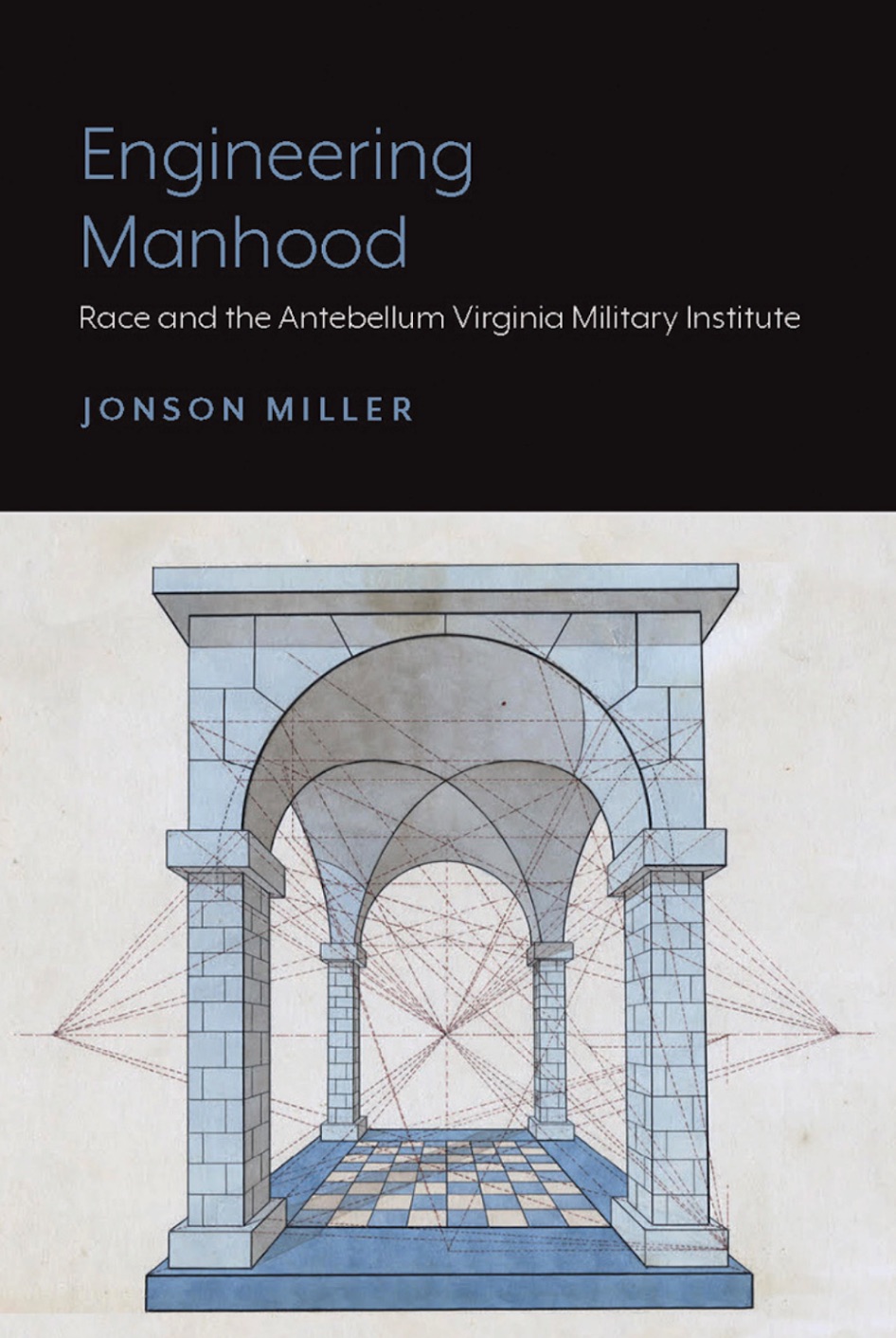
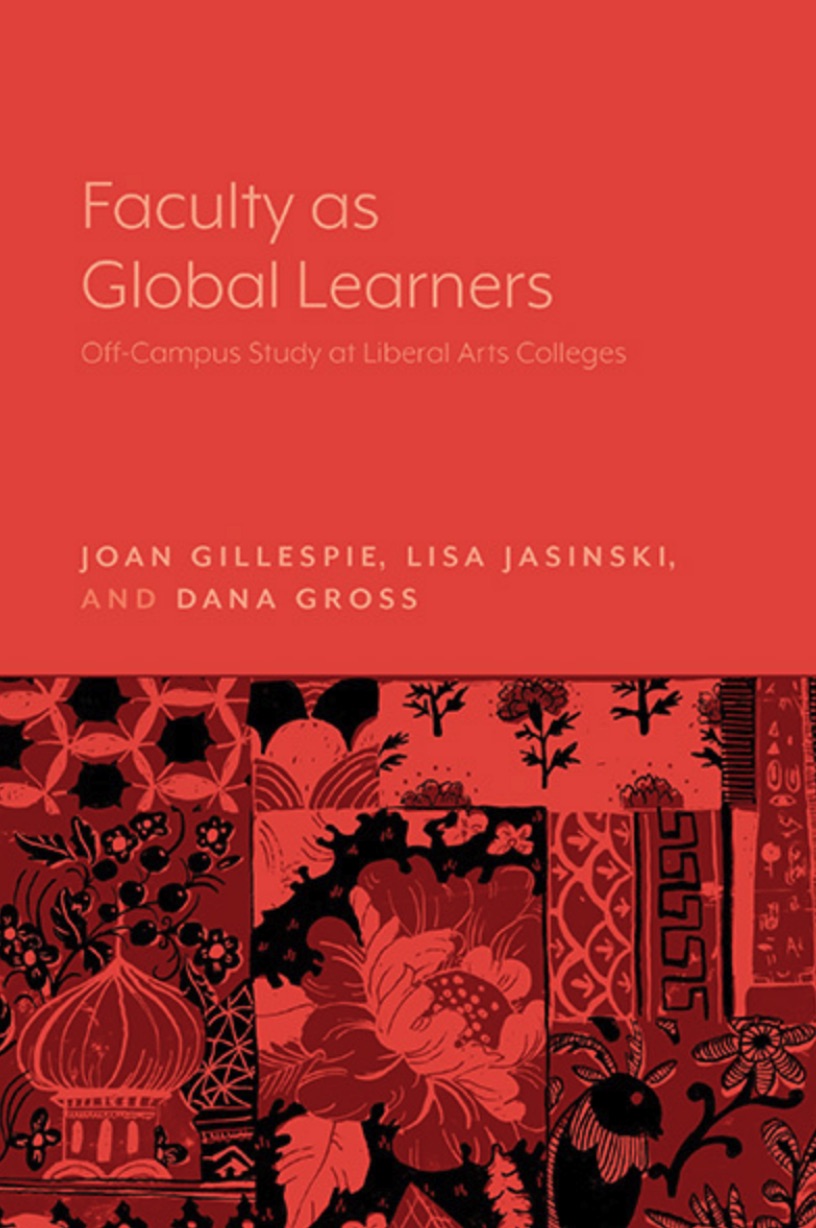
Despite the difficulties of the current moment, we were able to release two titles this past month. We are grateful for the efforts of our colleagues at Michigan Publishing who worked tirelessly to push these projects through the production process, even after switching to remote work. The first title to come out in June was Engineering Manhood: Race and the Antebellum Virginia Military Institute by Jonson Miller. It demonstrates how engineers of the antebellum VMI cultivated whiteness, manhood, and other identities as essential to an engineering professional identity. Our latest title is a co-authored volume titled, Faculty as Global Learners: Off-Campus Study at Liberal Arts Colleges by Joan Gillespie, Lisa Jasinski, and Dana Gross with contributions from professors at many of our participating Lever institutions. The volume offers valuable insights about the impact of leading off-campus study on faculty leaders’ teaching, research, service, and overall well-being. We recently hosted a blog post from the authors that speaks to how liberal arts colleges can use what they have learned from study away programs in this current crisis.
I am also pleased to report that the first volume in our Open Access Musicology project was transmitted into production and will be published this fall. Daniel Barolsky from Beloit College and Louis Epstein from St. Olaf College edit this innovative ongoing digital volume. This series highlights our strength as a Press driven by a liberal arts ethos: chapters were vetted not only by expert scholars in the field, but also by students who used the draft chapters in class. The editors gave students a set of questions and then, in the words of the series editors, they “summarized the comments (keeping the students and their institutions anonymous) and integrated them into our initial response to the authors, along with the peer reviews.” This novel student engagement with the peer review process represents just one of our contributions as a press with a unique perspective.
Although the remainder of our spring conferences were canceled, we continue to meet with scholars by phone and video. We are hearing from many of them that they are far more aware now of open access and also see more clearly why our model is essential. We will continue to publish transformative scholarship that is accessible to scholars, teachers, students, and general readers everywhere.
As we move toward the end of summer, we will start to put together our fall catalogue to announce our new titles. As always, I urge you all to follow Lever Press, Hannah, and me on Twitter to help us get the word out about our titles and how our work is advancing! @Lever_Press, @BBouloukos, @hmbrooksm
|
|
It is not an accident that American engineering is so disproportionately male and white; it took and takes work to create and sustain this situation. Engineering Manhood: Race and the Antebellum Virginia Military Institute examines the process by which engineers of the antebellum Virginia Military Institute cultivated whiteness, manhood, and other intersecting identities as essential to an engineering professional identity. VMI opened in 1839 to provide one of the earliest and most thorough engineering educations available in antebellum America. The officers of the school saw engineering work as intimately linked to being a particular type of person, one that excluded women or black men. This particular white manhood they crafted drew upon a growing middle-class culture. These precedents impacted engineering education broadly in this country and we continue to see their legacy today.
|
|
This co-authored collection offers valuable insights about the impact of leading off-campus study on faculty leaders’ teaching, research, service, and overall well-being. Recognizing that faculty leaders are themselves global learners, the book addresses ways that liberal arts colleges can more effectively achieve their strategic goals for students' global learning by intentionally anticipating and supporting the needs of faculty leaders, as they grow and change. Faculty as Global Learners offers key findings and recommendations to stimulate conversations among administrators, faculty, and staff about concrete actions they can explore and steps they can take on their campuses to both support faculty leaders of off-campus programs and advance strategic institutional goals for global learning. This collection includes transferrable pedagogical insights and the perspectives of faculty members who have led off-campus study programs in a variety of disciplines and geographic regions
|
|
We often are asked how people can discover Lever Titles in the complex world of search and discovery. All of the books that Lever Press publishes can be found at our website https://www.leverpress.org/, which is built on top of the Fulcrum publishing platform based at Michigan Publishing. For example, this is how the title “Make it New” appears on Fulcrum.
Because we know most people will not go to the Lever Press website to find our publications, to improve the discoverability of our titles, we:
- create MARC records for each title and add them to WorldCat
- create CrossRef DOIs for each title
- send metadata and the books themselves to both MUSE and JSTOR Open
- list our titles with the Directory of Open Access Books
As a library, if you want to ensure that your patrons can discover Lever publications, you can:
Because titles are exposed with well-structured metadata on Fulcrum, we are also indexed by Google, Google Scholar, and other search engines.
|
|
From the blogosphere and twitterverse |
|
As an organization committed to transforming the scholarly communication system, Lever Press regularly participates in conversations about the value of Open Access, highlighting Lever's unique Platinum OA model. Many of these conversations occur online, often via twitter feeds, for instance when the Lever funding model was touted in a panel at the virtual AUPResses 2020 meeting.Twitter has been a lively place for conversations about OA in times of crisis and closed campuses, with use of OA titles soaring and Lever title usage up 300%, as Beth tweeted in June in response to a thread about tracking the value of OA through usage metrics.
Lever has also responded nimbly to the current crisis with blog posts from our authors who point to how their work can help liberal arts institutions and faculty pivot in order to continue serving our students. Early in the crisis, St. Lawrence Associate Professor of Education Jeff Frank addressed the vital importance of being present for students even in an online classroom in his blog post on the Lever website, "Liberal Education and Pedagogy's Value in Challenging Times."
Faculty as Global Learners was released just as campus leaders were engaging in conversations about off-campus study during the pandemic, and authors Joan Gillespie, Lisa Jasinski, and Dana Gross responded to this need with a blog post on the Lever website accompanied by a podcast series that explicitly addresses "Off-Campus Study in the Age of COVID-19."
|
|
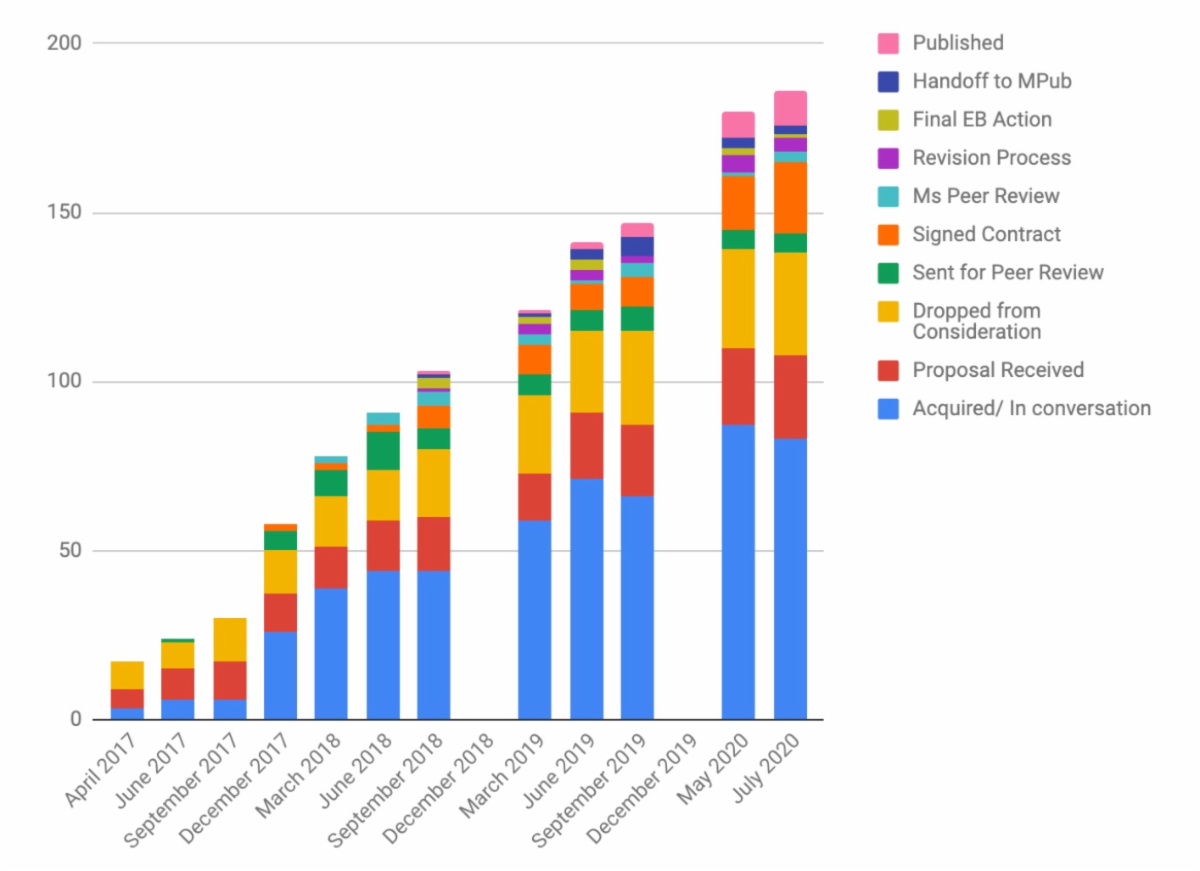
Since we began tracking our work in July of 2017, we’ve seen a steady growth in the number of projects under consideration, and in the number of titles published. The graph below shows the path a title follows on its way to publication, starting with a conversation, then proceeding to a proposal, various stages of peer review, the signing of a contract, revision, final editorial board approval, production by the Michigan Publishing team, and then finally, publication. |
|
|
|
Trying to Explain Lever to Your Colleagues? |
We’ve made this 3 minute video to help explain what Lever Press is and why it matters.
|
|
The Oversight Committee is keenly aware of the new financial pressures being faced by all member libraries—after all, we are facing the same pressures at our own institutions. We’ve decided that now is not a good time for us to pursue on-going commitments. We have suspended the new membership campaign for the moment, and will restart when we have a better sense of how the pandemic has affected all of our campuses. In the meantime, we will use some of our budget reserves to get Lever Press through the first part of 2021. In doing so, we can buy all of our libraries time in which to stabilize our respective budgets. We may need to recalibrate Lever’s publishing output goals accordingly, depending on the cost of upcoming individual titles. |
|
|
|
|
|
|