'Life in the Lavender'

Let the Season Begin


Was that a Derby race or what? Not only did Golden Tempo make history as the first horse to win the Derby having been trained by a woman (more proof for the value of women in agriculture) but it was an exciting two minutes...my heart couldn't take any more. Even the stoic husband was on the edge of his chair!


Congratulations to Alma's own, Micky Johnston for winning the prize for predicting the most winning horses in the Kentucky Derby. Micky took home two lovely Italian lavender-themed placemats to remind her of her Derby win!


But more importantly, we launched the 2026 Lavender Season! We're still awaiting anxiously to see the field turn all shades of blues, purples and periwinkles and to see you again this summer on the farm.


Take Note of our 2026 Hours:


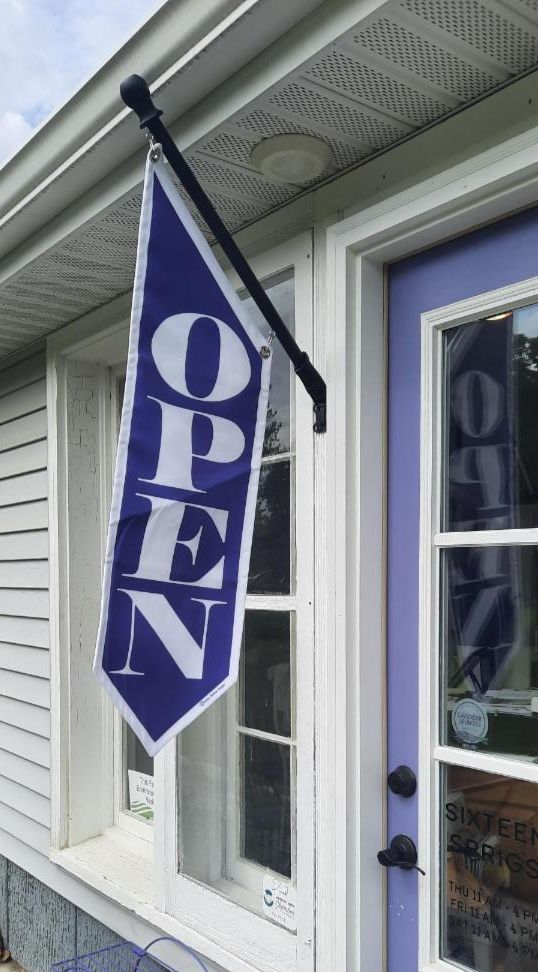
Beginning May 1st we will be open Wednesday – Saturday 11 am - 4 pm. When bloom season begins (approximately June 16) we will be open Tuesday – Sunday 11 am – 4 pm. Bloom season will end around July 25, and after the 25th we will return to our regular hours, Wednesday – Saturday 11 am - 4 pm. We'll close the farm August 29th for the 2026 season.


Fun was had by all...

Lunch in the Lavender

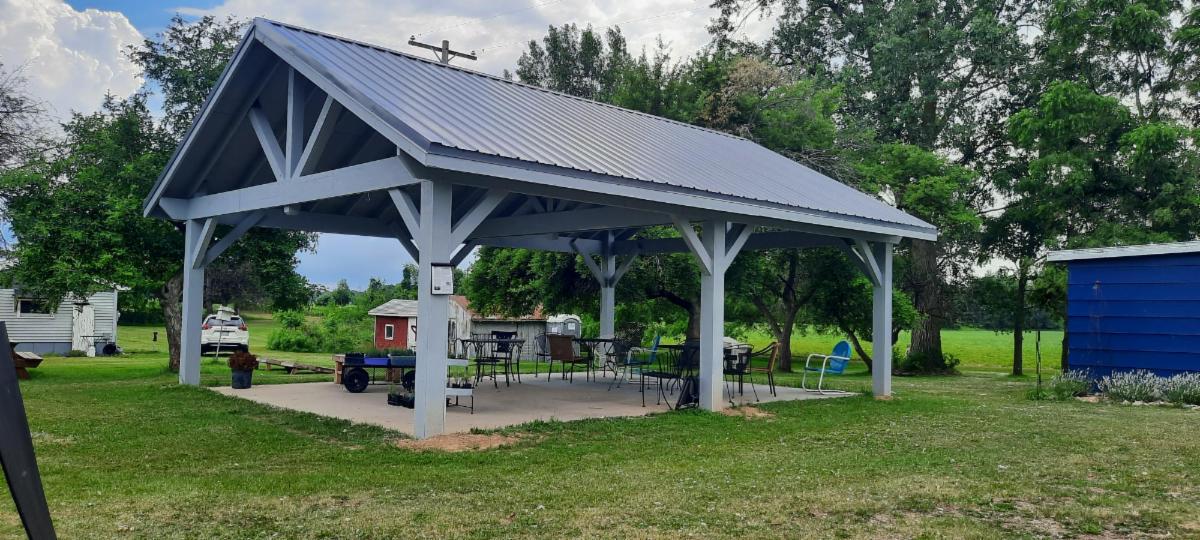
Thanks to all of you who were able to join us for lunch in the lavender on the 16th. What a fun day. I definitely hope we can do it again.


We had great participation and clever ideas that have stimulated a lot of brainstorming and new plans to grow our relationship with the broader community. Ideas such as opening the farm to welcome others via knitting circles, birthday parties, book clubs and open mic nights - there was a broad array of ideas. You will see some of these ideas unfold over the next few months. And if you have other ideas that occur to you on how we can be a more integral part of our community and grow our space to become a welcoming space for others, please send an email or text and let us know.


Remember, my goal is for you to think of this farm as yours - and visit and use the space to bring peace and calm into your life. I hope this will be an on-going conversation. But for now, thanks to those of you who came and shared your thoughts...my heart is full. Also please consider using our space for your next event - at no charge of course. Whether it is a baby shower, Bible study or a school field trip, let us help you out. And also, spread the word!

Discount of the Month ...

Culinary Lavender

What makes culinary lavender, culinary?


Culinary lavender is a type, not a grade of lavender as often is implied in some advertising. It is generally a L. angustifolia - any type of L. angustifolia - even though some are better tasting that others. I like to use "Melissa" and "Folgate" in my blend. Each cultivar has a distinct taste. ‘Melissa’ is slightly peppery. ‘Croxton’s Wild’ has an earthy, cinnamony taste. ‘Miss Katherine’ and 'Folgate' are sweet and floral. Notice these are all True lavenders.


Lavandins (or x-intermedia), on the other hand, can be eaten but they are not too tasty. It's flavor can be resinous and pungent. A lavandin type will make a dish taste bitter. Provence is one of the few lavandins that can eaten because they are sweeter, but in general, most lavandins are bitter due to the camphor in the oil. So, if you are going to eat your lavender, which I encourage, be sure you are eating L. angustifolia as they are tastier.


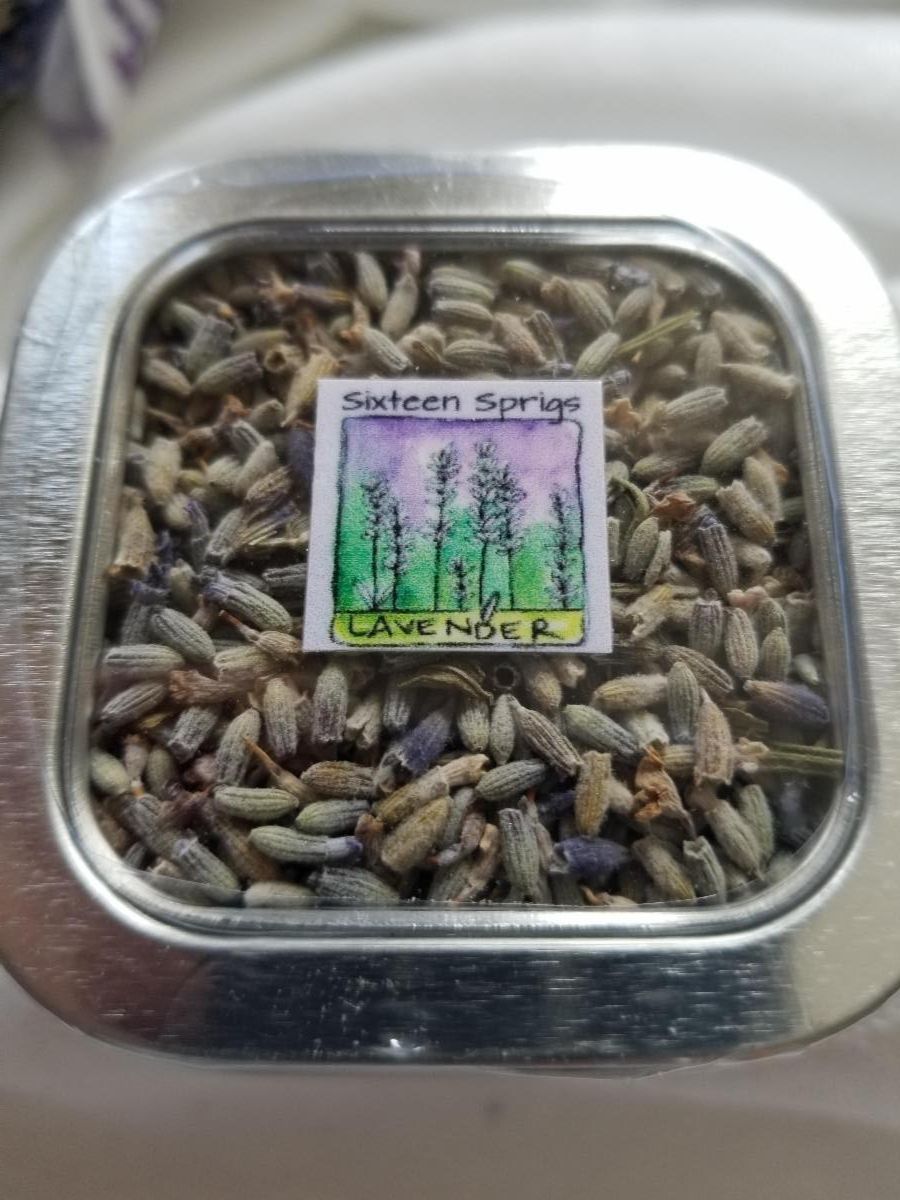
Are you trying any of the recipes I have been including in this newsletter? What's your favorite? Maybe you just want to add something different to your culinary repertoire. Good edible lavender highlights the pleasant floral notes; but use too much and it might taste like soap, so be mindful to follow the recipe and do not get carried away. If you want to add some lavender to your recipes, pop in the shop with this discount in the Month of May for a 10% on our culinary lavender. Not need to actually bring in this paper, just tell us you saw the ad in our newsletter.

Continuing our theme celebrating the International Year of the Woman Farmer for 2026, I would like to introduce you to another woman farmer, this time from Zambia.


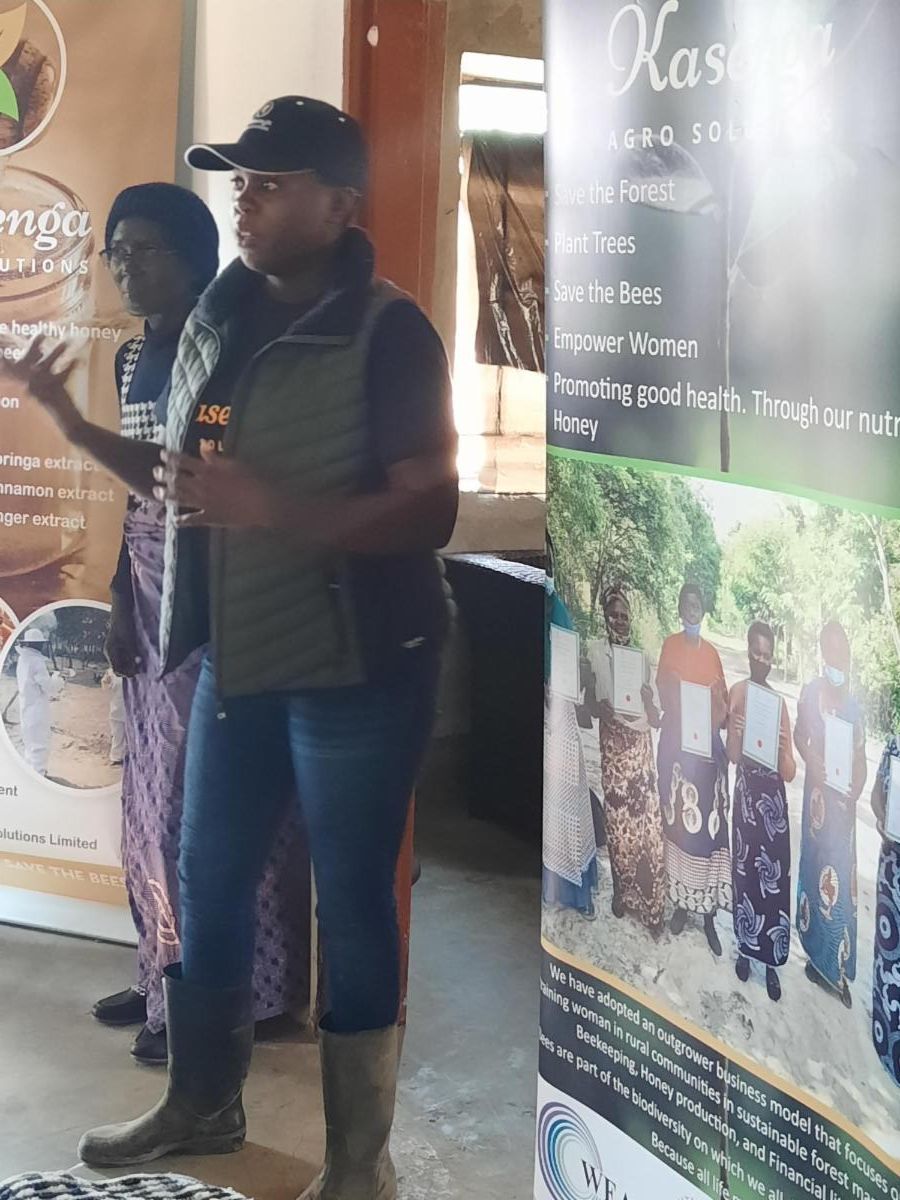
Meet Sipiwe Lukama, called Sipi.


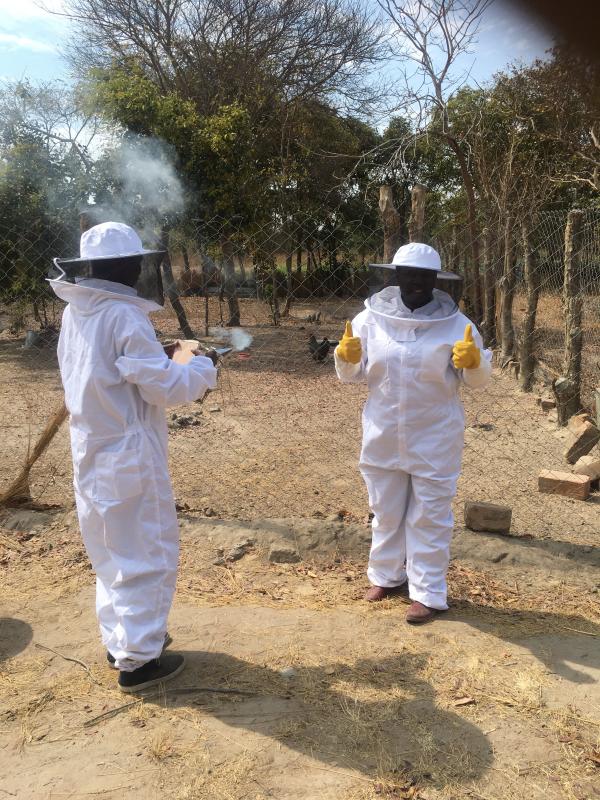
Sipi is a honey producer in the south of Zambia. She runs Kasenga Agro Solutions with help from her mom (pictured). The honey bee operation focuses on making the best quality raw honey in the country. Sipi has about 50 hives from which she collects honey and then processes it in her 'honey house'. Once processed, it is bottled and then delivered to local stores for retail sales. But producing honey is not all Sipi does.


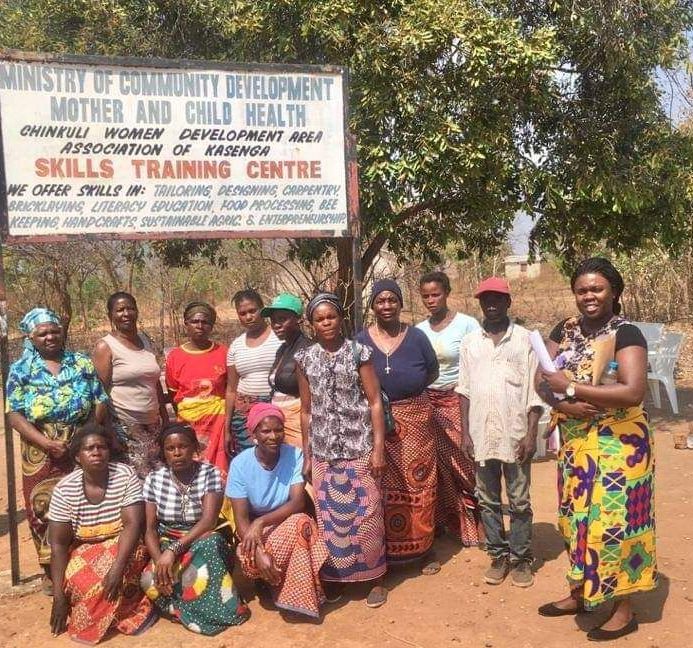
At Kasenga Agro Solutions, her focus is also uplifting other rural women. She has implemented initiatives to partner with local women, to help share entrepreneurial skills, prioritizing skill development and alternative income generation. She's committed to sharing her knowledge with other women to help combat common challenges faced in the region that threaten sustainability and economic empowerment.


According to the United Nations, Food and Agriculture Organization (FAO), women make up over 70% of Zambia’s agricultural workforce, yet often have little access to the resources they need. Only about 15% of Zambian women own land in their own name, and fewer than 10% have access to formal credit or farming inputs.


If we add to this that only 60% of women in sub-Saharan Africa are literate, that means farming is often the only occupation left open to them. They are often not choosing to farm but doing so because of the lack of choices. In this way, Sipi's efforts to empower rural women to start their own honey producing farms and develop the business and financial acumen to excel at their business is very much needed and in line with the United Nation's Sustainable Development Goals. Goal 5 sets out a historic undertaking to “achieve gender equality and empower all women and girls by 2030”. So in this way, Sipi is trailblazing a new form of empowerment for herself while also lifting up others along her way. This is just one of the ways that women farm differently than men; women frequently taut their desire to use their farm to educate, support and uplift others. In this way, they are closing the gender gap between female and male farmers. 

Thought for the Day


"Amidst the chaos, lavender brings serenity

to the heart." - Unknown


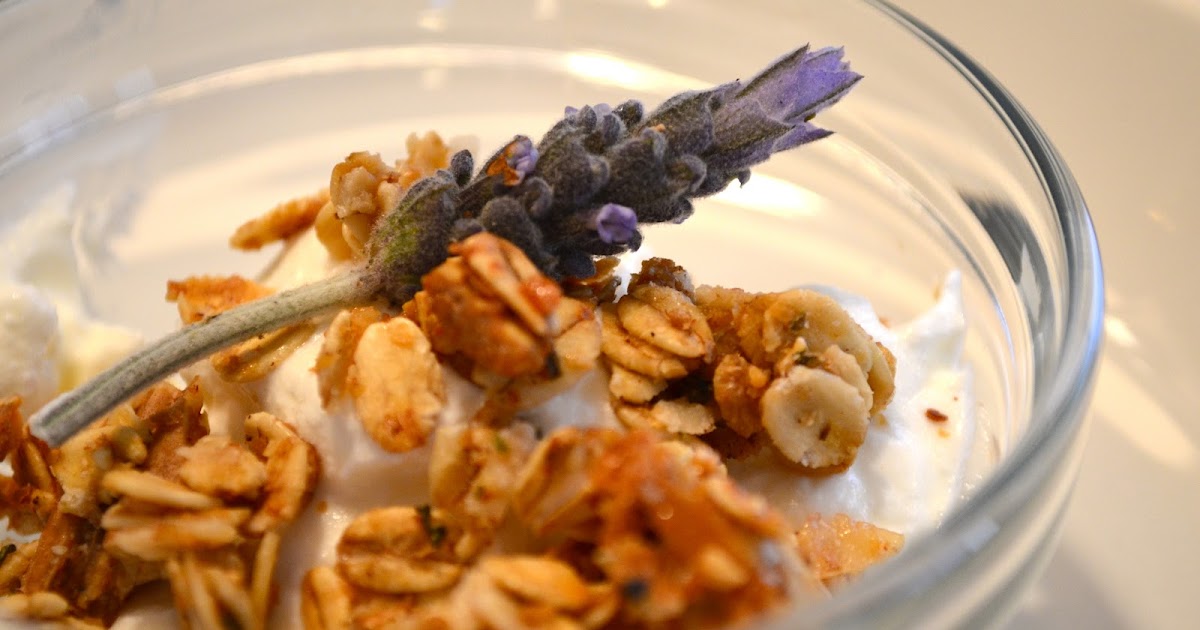
This twist on granola adds a hint of floral essence that elevates your breakfast or snack. It's healthy, yummy and will stand out as unique to your guests! This recipe was given to me by my friend Janene who started Shades of Lavender Farm in Mattawan, and I make it frequently to give as gifts. Give it a try.

INGREDIENTS

6 cups rolled oats

1 cup coconut flakes

2 5 oz. packages sliced nuts (I prefer percans)

2/3 cup brown sugar

1 tsp kosher salt

2/3 cup coconut milk

1 tsp vanilla extract

3 tbs culinary lavender buds


INSTRUCTIONS: Preheat oven to 300 degrees. Mix all ingredients together thoroughly and then divide onto two foil lined cookie sheets. Bake for 45 minutes stirring every 15 minutes. Allow to cool completely. This is yummy with vanilla yogurt.


Source: Janene Rawlison, Mattawan (formerly, Shades of Lavender)


Sixteen Sprigs Lavender Farm | 4851 N. State Rd. | Alma, MI 48801 US

Our mailing address is: 1245 W. Washington Rd. | Ithaca, MI 48847


Facebook  Web

Copyright @ 2026, Sixteen Sprigs Lavender Farm, All rights reserved. You are receiving this email because you opted in at our website or in person or because you have registered for a previous event on our farm. Please it 'unsubscribe' above if you would like to be removed from this list.

Constant Contact