'Life in the Lavender'

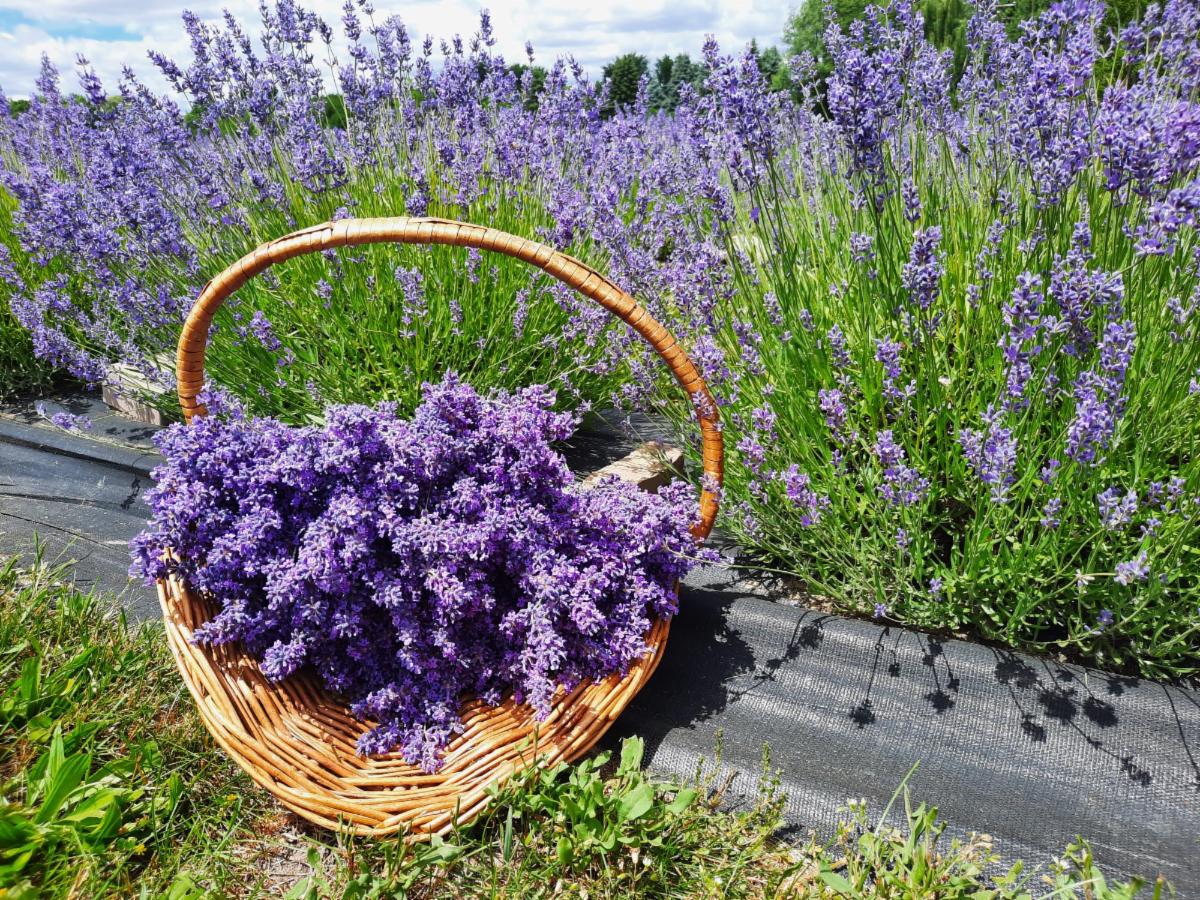
Longing for days of purple here on the farm!


Winter is slowly moving into the rearview mirror and we're finally in the transition stage. As frigid days make way for cold days, and the occassional cool day, you may be thinking of removing frost cloths from your lavender. Not quite yet! Next week is forecasted to be quite cold so leave them on for another week or two if you are in mid-Michigan. I remove my frost cloths when the days regularly reach the 40s and lows around 30 and above. This looks to be the last week in April. Fingers crossed for these temps to visit us soon.


In addition to studying the forecast daily, I'm also spending my time thinking about preparing for a bountiful farm season and looking forward to seeing you enjoy it with me, but March is my month for academic work. It's also International Women's month! So, if you'll indulge me, I want to share a little of my academic interests as they collide with farm work. Of course, I have a new recipe for roasted chicken using lavender and don't forget to RSVP to our Sixteen Sprigs luncheon (see below).

Its’ Women’s history month! Yea! And 2026 happens to be the International Year of the Woman Farmer! It’s a time to celebrate the accomplishments of women to society today and throughout history so I thought I would share a bit this week about the role of farm women. Many of you know as an academic this was a research topic dear to my heart. Having spent the last 30 years studying farm women I can tell you it's a complex subject and highly dependent on where in the world you’re discussing, so lets start here, in the U.S.


Women farmers have longed play a vital role in American agriculture and producing the food and fiber to feed and clothe us. That role is often contingent upon where and in what time period you are exploring. For example, black women in the south had little choice but to be in the field producing crops under slavery in the 18th and 19th centuries. Whereas white women in the midwest might have been working in the fields but were often hidden by men. To have any woman in your family seen working the fields was a sign of weakness or poverty so men had them do work that would not be visible to outsiders.


The first thing most people think of when they think of women in agriculture is to view women as helpers or as "the farmer's wife"...in the back seat supporting a male farmer, typically the husband or other male relative. This approach has rendered farm women invisible and hampered our ability to understand women's work and impeded progress. Because of this assumption that farmers are men and women are helpers, the USDA didn't even count women farmers in the ag. census until 1978. Beginning in the 1970s we started to take notice of the vital role of women in agriculture and their importance to the survival of the American family farm. To be clear, today I'm discussing women who farm...women who are actively engaged in the daily production and decision-making practices on their farm, whether they run it solo or in concert with others. These women have a direct financial stake in the outcome of their work and decisions.


Women who farm make up 36% of all farmers in the U.S. but only 14% of female headed farms where they’re the principal operator/decision maker. This number is even smaller for women of color (5%). Why so few?


One of the things that women, regardless of location, have in common is that they all face quite similar constraints that limit their opportunities to produce agriculture products and excel at it. When youth come to my farm I often ask them, “what ‘s the most important ingredient needed in a successful farming operation?”. It’s good quality land, freely owned and controlled by the farmer so they have full decision-making rights. Women weren't allowed to independently own land in Michigan and much of the U.S. until the mid 1800s.


In part women were marginalized from independent farming through the denial of access to land and other material resources needed for success such labor, capital, technology, and training. Land transfer and inheritance practices have historically favored men. So, accessing land is a hurdle women have to first solve before planting can begin. Many lease, borrow, or work for years at paid labor to be able to save and buy land later in life. When I first starting lavender farming I ‘squatted’ on a friend's farm for three years, then I leased land in a program designed to help beginning farmers. I was 58 years old before I could buy my own land and I am very typical in this regard. This partly explains why women have historically tended to be older than men when they start farming.


When women do break that 'grass ceiling' barrier they often are faced with other challenges. As a result of these collective hurdles, it means than women farm differently from male farmers in a number of ways. This is a topic in which I have been particularly interested, but we'll take that up another day. I’ll come back to this next month, but I suspect you might know some of the reasons for how they differ. Stay tuned!


Have you RSVPed for...

Lunch in the Lavender

I have committed to kicking off the new season by sharing a meal with my Sixteen Sprigs Newsletter subscribers. You’ve been with me for a while, followed my journey and demonstrated interest in lavender and the farm’s development. Some of you have been with me since the early days on Harper Road in Mason (where I squatted) and followed my journey to my little plot on Clark Street in Lansing (where I leased). I appreciate you and the ways you have supported my dream over the past 14 years, so, come to lunch May 16th, 2026. There's no charge – no need to buy anything just come with a willingness to share, network and grow our community in this lavender space. We can get better acquainted and start to build the community we deserve. I am not opening this invitation generally to all my social media followers, but for your eyes only. I want to keep this more intimate so we can interact more meaningfully. My goal is that we will add other opportunities to connect, but let’s start with lunch on me. I do need you to RSVP – you can let me know if you can make it by emailing me at sixteensprigs@gmail.comPlease expect a confirmation email. I will have to limit attendance so I can manage numbers so the first 20 will be accepted and if needed, we can add another date. Please RSVP by May 1st.


The 2026 Season is around the Corner


First, make note we are changing our hours to better serve you this year. The bloom time is so short I want everyone to have plenty of chances to experience it. Starting in May we will be open Wednesday – Saturday 11 am - 4 pm. When bloom season begins (approximately June 16) we will be open Tuesday – Sunday 11 am – 4 pm. Bloom season will end around July 25, and after the 25th we will return to our regular hours, Wednesday – Saturday 11 am - 4 pm. We will close the farm August 29th for the 2026 season.


Opening Day – Friday, May 1st

We’ll start the new season with our annual Kentucky Derby celebration on Friday and Saturday May 1st and 2nd. You know this Kentucky girl needs her bourbon balls on the first Saturday in May. Join us to enjoy the flutter of the fastest two minutes in sports. Games, snacks, and lavender products to fill your senses.


Thought for the Day


In the world of chaos, let lavender be your calm oasis. - Anonymous


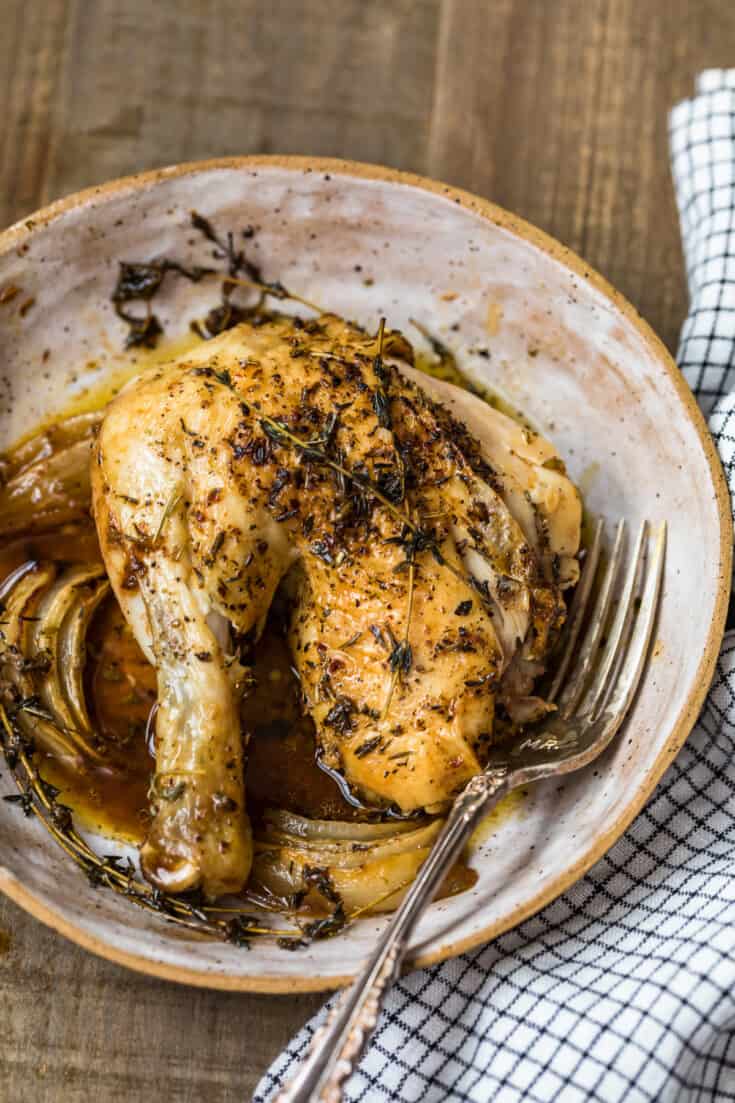
This is another favorite at my house because I'm lazy and this recipe is so simple...roasted chicken with Herbes de Provence. Herbes de Provence is a blend of variety of herbes that originated in the Provence region of the South of France and spread to the U.S. when Julia Child touted it's utility and included it in her famous cookbook, "Mastering the Art of French Cooking." If you haven't eaten this before, do give it a try. It's very simple to make and keep on hand (or we sell in the shop on our farm).


Ingredients:

1 T. Herbes de Provence

4 t. fresh lemon juice

8 t. extra virgin olive oil

2 garlic cloves, crushed

1 t. hot sauce (opt)

1 t. salt

4 chicken breasts


Herbes de Provence:

1 t. majoram

1 t. thyme

1 t. rosemary

1 t. oregano

1 t. savory

1 t. basil

1 t. lavender

(Blend all dried herbes above and place in small container).


Instructions: Preheat oven to 400 F. Combine first six ingredients to create a marinade. Add chicken breasts and allow to marinate for at least two hours in the frig. Bake uncovered for 40 minutes for boneless breasts. You can also grill until cooked thoroughly, using the marinade to baste frequently. Enjoy!


Sixteen Sprigs Lavender Farm | 4851 N. State Rd. | Alma, MI 48801 US

Our mailing address is: 1245 W. Washington Rd. | Ithaca, MI 48847


Facebook  Web

Copyright @ 2026, Sixteen Sprigs Lavender Farm, All rights reserved. You are receiving this email because you opted in at our website or in person or because you have registered for a previous event on our farm.

Constant Contact