|
|
HUMANS IN SPACE
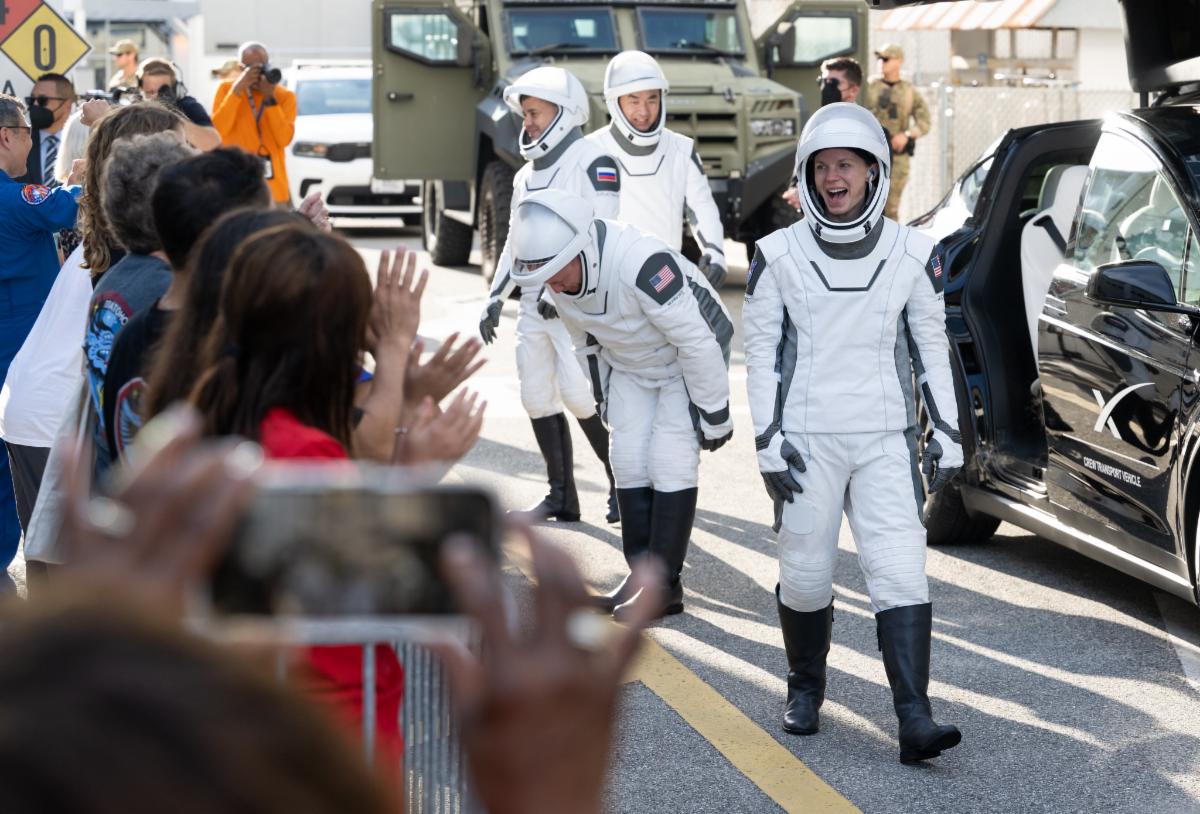
Liftoff! NASA’s SpaceX Crew-11 Launches
| | |
The four crew members of NASA’s SpaceX Crew-11 mission launched at 11:43 a.m. EDT Friday from Launch Complex 39A at the agency’s Kennedy Space Center in Florida for a science expedition aboard the International Space Station. A SpaceX Falcon 9 rocket propelled the Dragon spacecraft into orbit carrying NASA astronauts Zena Cardman and Mike Fincke, JAXA astronaut Kimiya Yui, and Roscosmos cosmonaut Oleg Platonov.
The Dragon spacecraft will dock autonomously to the space station at approximately 3 a.m. EDT on Saturday, Aug. 2. NASA’s live mission coverage will resume at 1 a.m. EDT on NASA+.
During their mission, Crew-11 will conduct scientific research to prepare for human exploration beyond low Earth orbit and benefit humanity on Earth. Participating crew members will simulate lunar landings, test strategies to safeguard vision, and advance other human spaceflight studies led by NASA’s Human Research Program. The crew also will study plant cell division and microgravity’s effects on bacteria-killing viruses, as well as perform experiments to produce a higher volume of human stem cells and generate on-demand nutrients.
MISSION UPDATES
| | | | |
EARTH
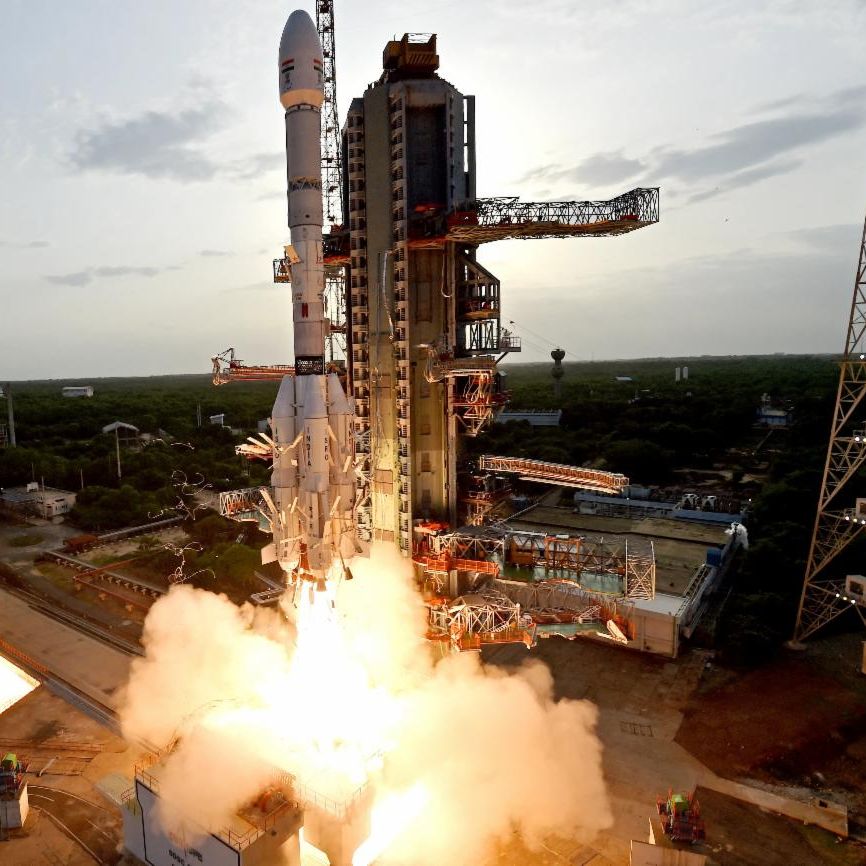
An Unprecedented View
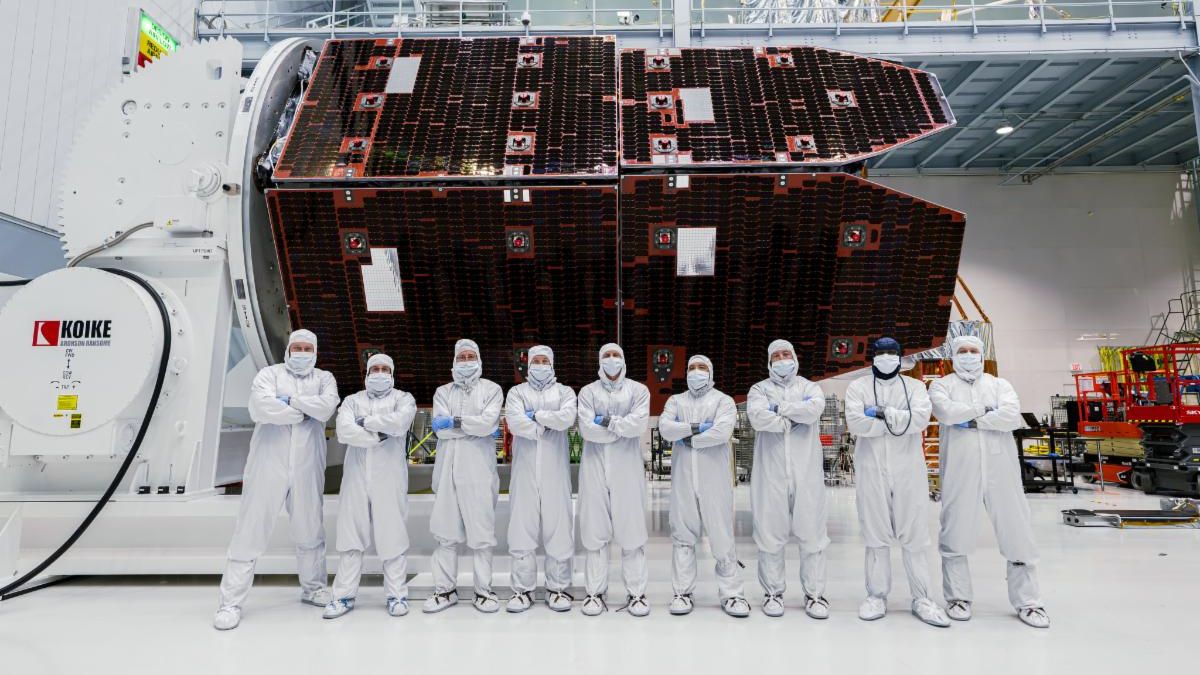
Carrying an advanced radar system that will produce a dynamic, three-dimensional view of Earth in unprecedented detail, the NISAR satellite launched from Satish Dhawan Space Centre in Sriharikota, Andhra Pradesh, India, at 8:10 a.m. EDT on Wednesday. NISAR will measure some of Earth's most complex processes, including ecosystem disturbances, ice-sheet collapse, natural hazards, and sea level rise.
MISSION UPDATES
| | |
PODCAST
The First Galaxies
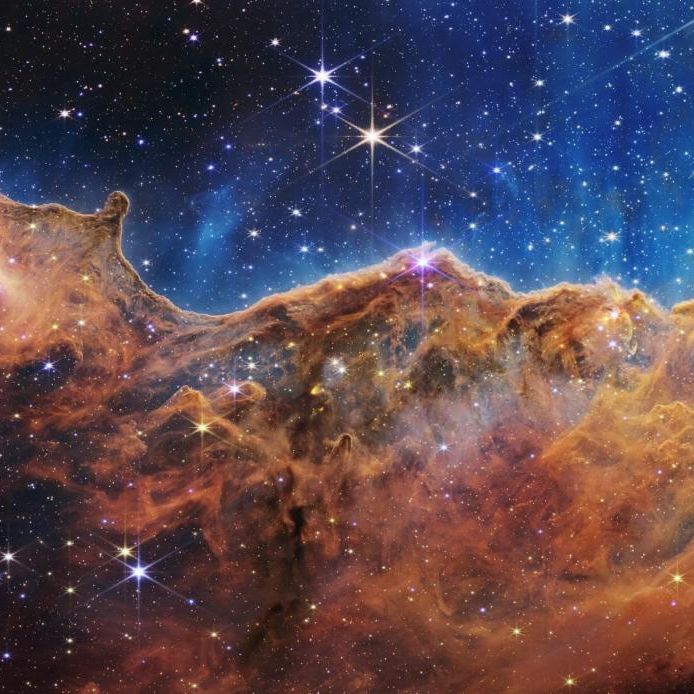
With the James Webb Space Telescope, we are seeing the early universe like never before. In the latest episode of NASA's Curious Universe podcast, NASA scientist Mic Bagley tells the story of a remarkable galaxy discovered in the early days of Webb’s science mission and explains why Webb is teaching us “everything” about how galaxies form and evolve.
LISTEN
| | | |
AERONAUTICS
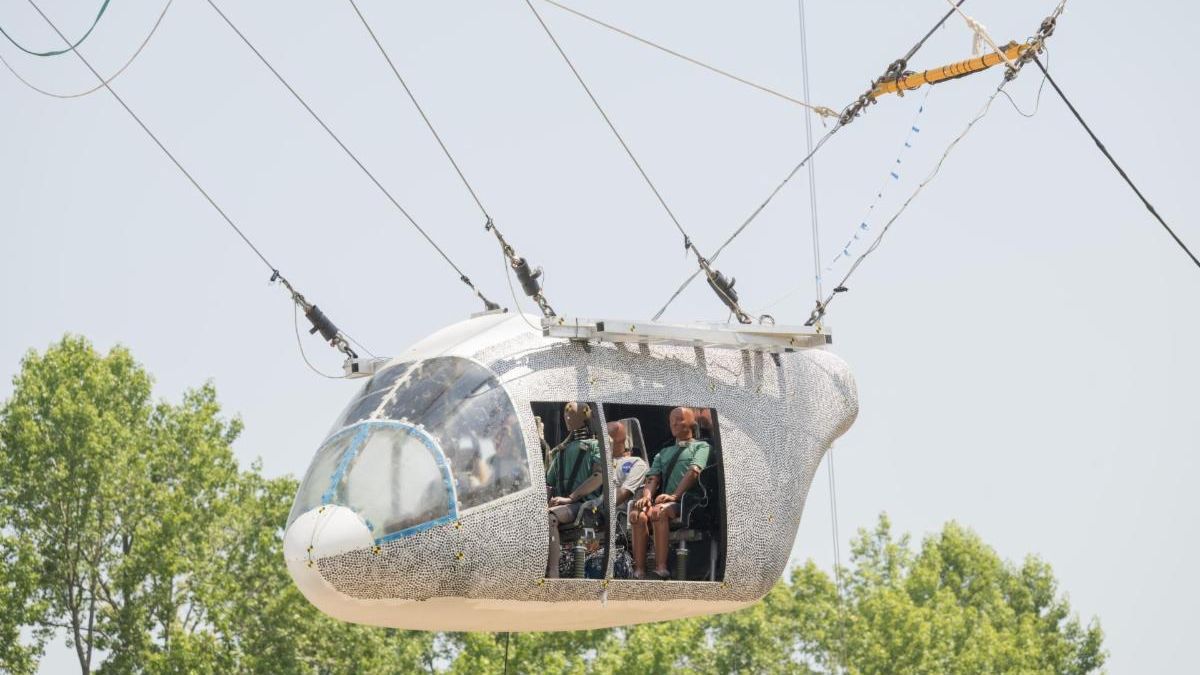
Testing Air Taxi Design
On Thursday, June 26, researchers at NASA's Langley Research Center in Hampton, Virginia, performed a drop test on a full-scale aircraft body modeled after an air taxi. Lessons learned from this test will help the aviation industry evaluate the crashworthiness of aircraft designs before flying over communities.
LEARN MORE
| |
THE UNIVERSE
Keeping It Cool
NASA technicians have successfully installed two sunshields onto the Nancy Grace Roman Space Telescope’s inner segment. The panels will block sunlight, keeping Roman’s instruments cool and stable as the mission explores the infrared universe.
LEARN MORE
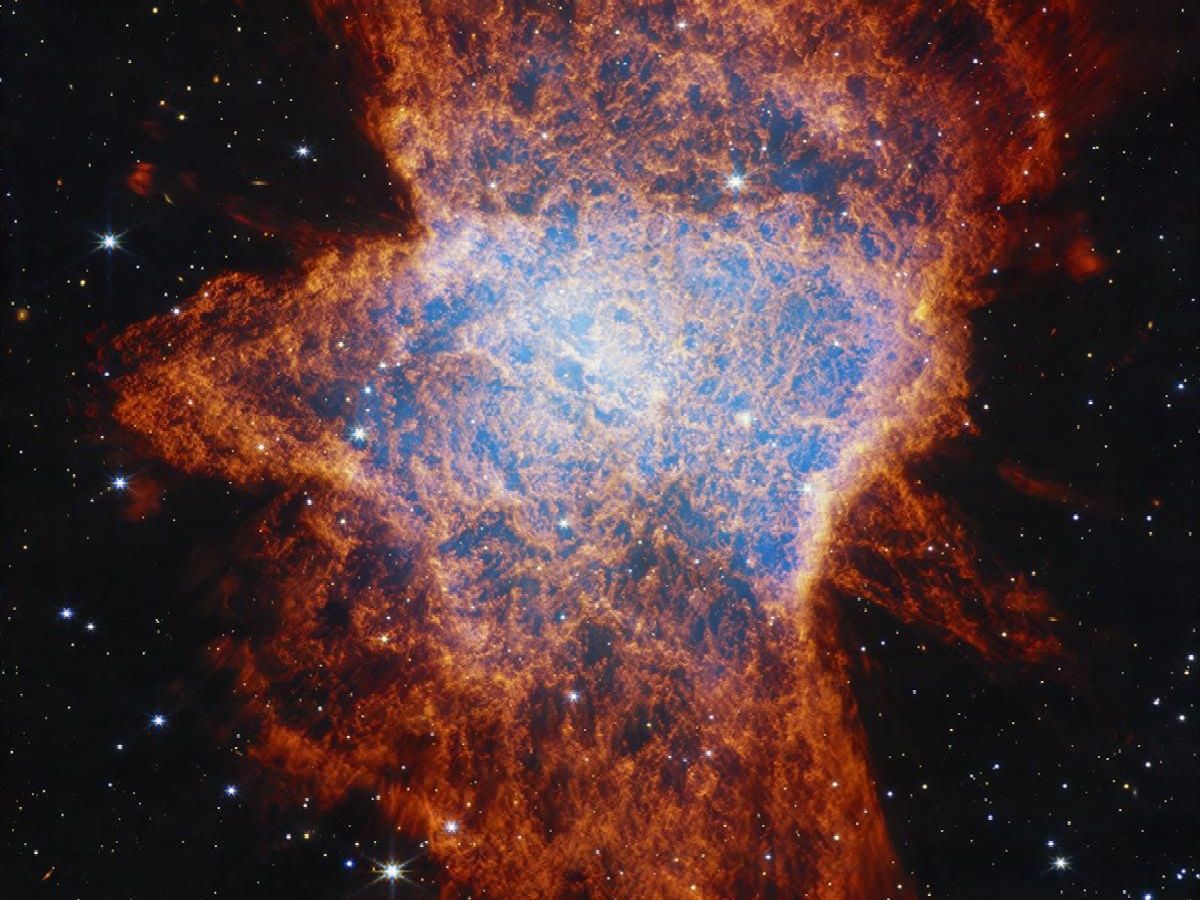
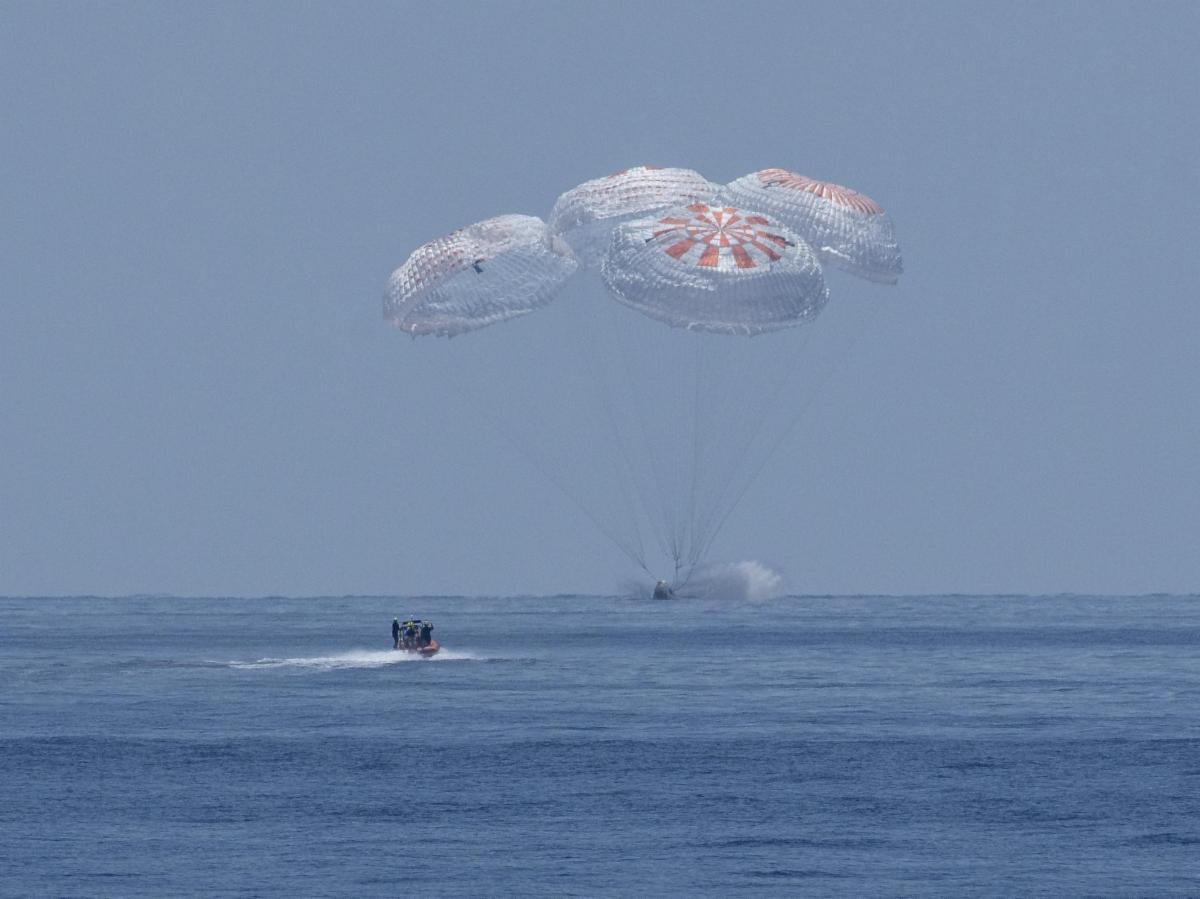
| | | | James Webb Space Telescope's newest look at planetary nebula NGC 6072 shows what may appear as a very messy scene resembling splattered paint. However, the unusual, asymmetrical appearance hints at more complicated mechanisms underway, as the star central to the scene approaches the very final stages of its life. | | Saturday is the fifth anniversary of the first crewed landing of a SpaceX Crew Dragon spacecraft. NASA astronauts Bob Behnken and Doug Hurley splashed down off the coast of Pensacola, Florida, on August 2, 2020, after spending 64 days in space. They were the first astronauts to return from space with a splashdown in quite some time. | |
| How long had it been since a U.S. crew had landed with a splashdown? | | | | Find out the answer in next week's NASA newsletter! 🤓 | | |
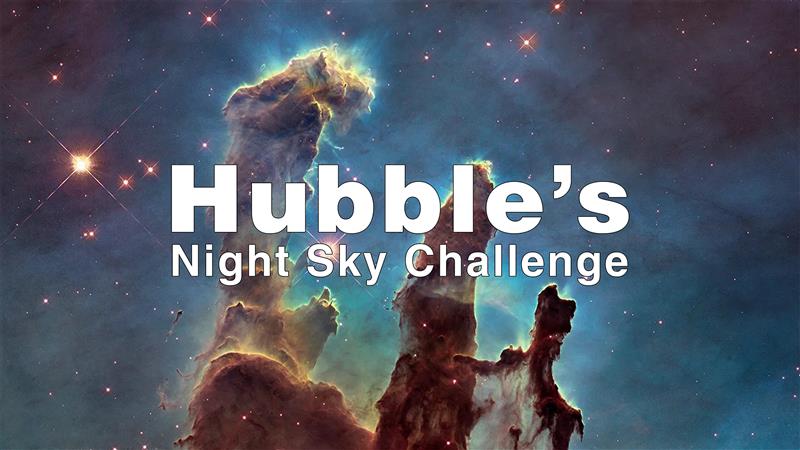
Do you have a telescope? Would you like to see some of the same night sky objects from the ground that Hubble has seen from space? We invite you to commemorate the Hubble Space Telescope’s 35th anniversary by accepting our yearlong stargazing challenge! New challenge objects will be featured weekly.
This week’s object features the iconic Pillars of Creation—the aptly named towering tendrils of cosmic dust and gas that sit at the heart of Messier 16, or the Eagle Nebula. Stretching roughly 4 to 5 light-years tall, the Pillars of Creation are a fascinating but relatively small feature of the entire Eagle Nebula, which spans 70 by 55 light-years. The nebula, discovered in 1745 by the Swiss astronomer Jean-Philippe Loys de Chéseaux, is located 7,000 light-years from Earth in the constellation Serpens. In August, the star cluster in the Eagle Nebula can be spotted through a small telescope; however, a large telescope and optimal viewing conditions are necessary to resolve the Pillars of Creation within the nebula.
JOIN THE CELEBRATION
| | |
National Aeronautics and Space Administration
NASA explores the unknown in air and space, innovates for the benefit of humanity, and inspires the world through discovery.
Visit nasa.gov
| | | | | |