|
Dear Covenant Friends,
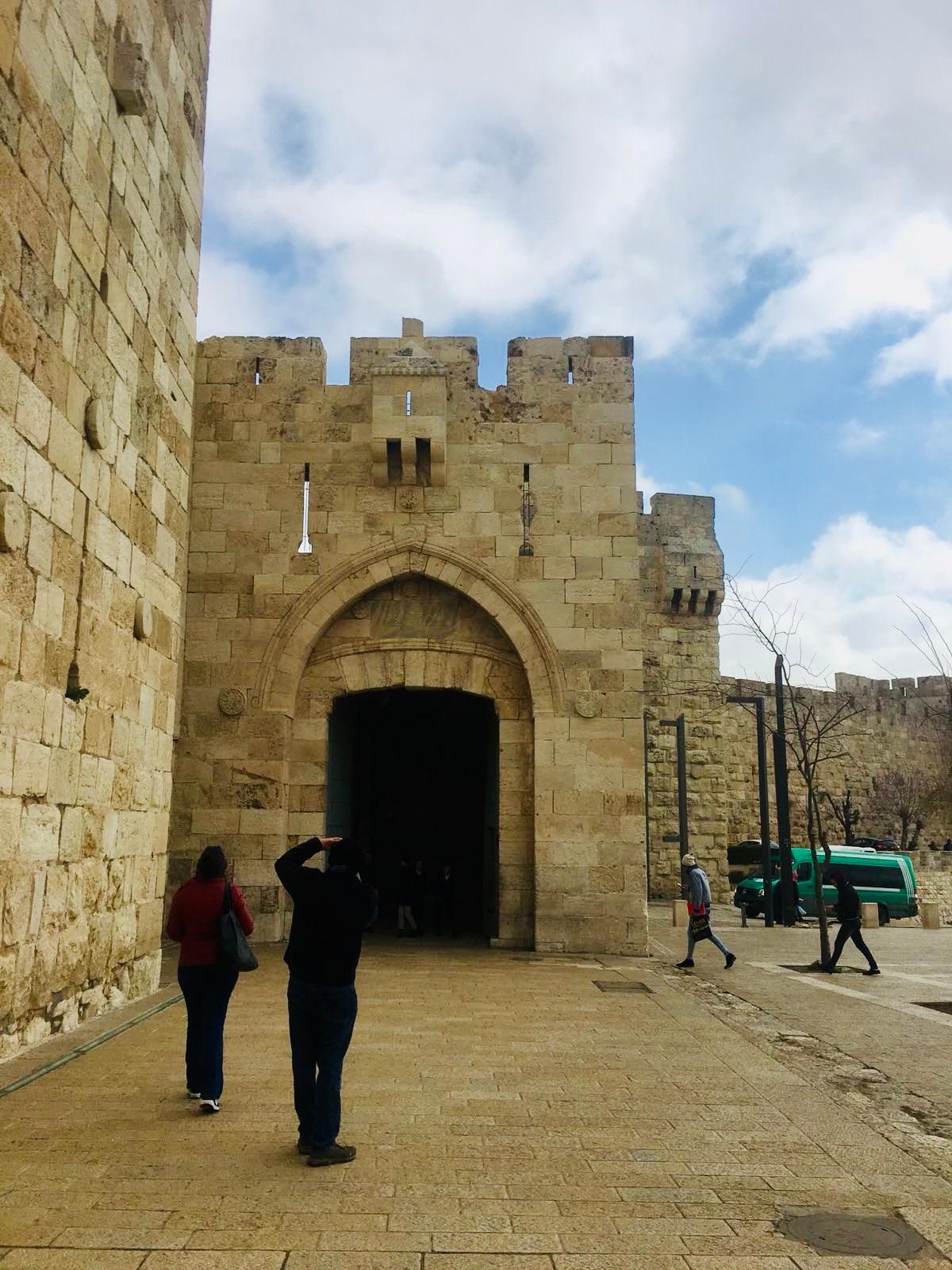
The Jaffa Gate is the primary historic entrance to Jerusalem’s Old City, though there are seven others set into the ancient walls. When I studied at the Shalom Hartman Institute during the summers of 2015 and 2016, I walked there most mornings before class began. A mile from our hotel in modern Jerusalem—less than twenty minutes—and yet it felt like stepping into another world: ancient streets, carefully held within Jewish, Christian, Muslim, and Armenian quarters.
Psalm 118 was often on my mind as I approached the imposing gate. Even on the hottest July mornings, I felt grateful just to be entering in. Every day felt a little like Palm Sunday as I whispered hosannas.
Open the gates of righteousness for me, the psalmist sings—
and then, in the poetry of Hebrew parallelism, says it again:
This is the Lord’s gate; those who are righteous enter through it.
But what is righteousness?
In Hebrew, the words tzedek and tzedakah (צְדָקָה) carry meanings of fairness, integrity, and justice—both personal and communal. In the New Testament, the Greek dikaiosune points to right relationship: with God, with neighbor, and with all creation.
In many places, “righteousness” might just as easily be translated justice—not only what we believe, but how we live; not only personal morality, but care for neighbor, stranger, and the world God loves. Jesus says, Blessed are those who hunger and thirst for righteousness, for they will be filled. (Matthew 5:6)
And yet, as Paul reminds us, no one is righteous, not even one. (Romans 3:10) We all fall short.
Which is precisely where grace enters in.
For Paul, righteousness is not something we achieve, but something we receive—through the faithfulness of Jesus Christ. Therefore, we have peace with God… and we have obtained access to this grace in which we stand (Romans 5:1–2).
Which means this: the gate is not opened by our perfection, but by God’s mercy.
As we come to the end of Holy Week, we are reminded that none of us consistently wins the struggle against sin—no matter how earnest our Lenten disciplines. We all need grace. That is what brings us to the foot of the cross: not our righteousness, but our need.
There, we offer our confessions and open ourselves to receive God’s mercy and extend compassion to the world.
This year, in Jerusalem, Holy Week is subdued and tense amid ongoing conflict. The Old City where pilgrims once crowded now stands largely quiet, with restrictions, checkpoints, and limited access to holy sites. The disruptions ripple outward—affecting Ramadan prayers at Al-Aqsa, worship at the Western Wall, and the rhythms of Passover just beginning.
And so we pray—for peace, for justice, for righteousness and justice that is more than words.
In the next few days, we have opportunities here at Covenant to walk a sacred path together. On Maundy Thursday, we will gather for communion and Tenebrae, hearing the story of the Passion as the light fades into darkness. On Good Friday, we will reflect on the seven last words of Christ and offer our prayers. In both services, music will accompany us as we draw near to the cross.
The psalmist’s prayer is still ours:
Open the gates of righteousness.
And the good news of the gospel is this—
in Christ, those gates are already open.
Walk gently into these holy days, trusting that grace has already gone ahead of you. Just a few more days...
Peace,
Pastor Jessie
pastor@covenantweb.org
|