|
-
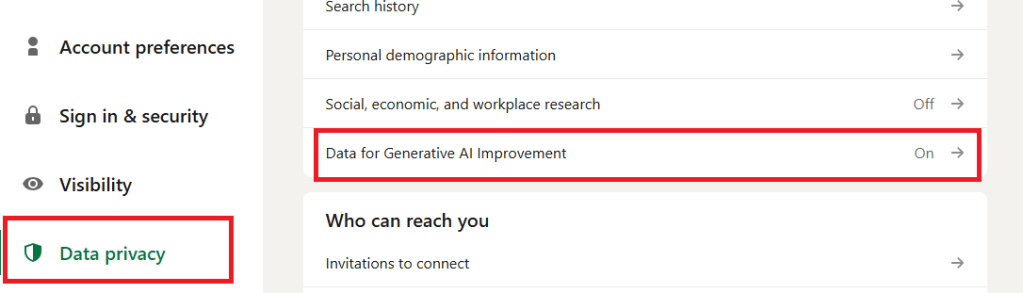
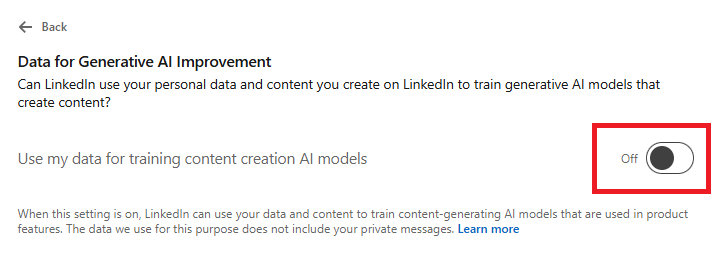
Optionally, file a Data Processing Objection request to formally object. To do this, access the Data Processing Objection Form, select Object to processing for training content-generating AI models, and send a request. Non-members can also file an objection if their personal data was shared on LinkedIn by a member.
You should also review and clean up older or sensitive posts, profiles, or resumes to reduce exposure. Again, opting out only stops future training on new data; it does not retract data already used.
The data LinkedIn might share is pretty extensive:
-
Profile data, which includes your name, photo, current position, past work experience, education, location, skills, publications, patents, endorsements, and recommendations.
-
Job-related data, such as resumes, responses to screening questions, and application details.
-
The content you posted, such as posts, articles, poll responses, contributions, and comments.
-
Feedback, including ratings and responses you provide.
Who is affected and how?
There are some contradicting statements going around about in which countries the new update to LinkedIn terms will apply. The official statement says members in the EU, EEA, Switzerland, Canada, and Hong Kong have until November 3, 2025, to opt out. (EEA is the EU plus Iceland, Liechtenstein, and Norway). Other sources say that UK users are affected as well. We’d advise anyone who has that setting and doesn’t want to participate to turn the “Use my data…” setting off.
Reportedly, a quarter of the over 1 billion LinkedIn users are in the US, so they can provide a lot of valuable data. In the terms update, users in the US are included in the part where it says:
“Starting November 3, 2025, we will share additional data about members in your region with our Affiliate Microsoft so that the Microsoft family of companies can show you more personalized and relevant ads. This data may include your LinkedIn profile data, feed activity data, and ad engagement data; it does not include any data that your settings you do not allow LinkedIn to use for ad purposes.”
You can review those settings and act as you prefer your data to be handled.
|