This newsletter is distributed by Public Health Law Watch as part of Act for Public Health, a working group of the Public Health Law Partnership that is convening to provide law and policy research, analysis, and expertise in support of public health authority.
This week's case updates:
Thursday, July 7: A federal judge in Virginia dismissed the complaint of parents alleging that Fairfax County Public Schools' quarantine policy unduly favored vaccinated children over unvaccinated children.
Monday, July 11: A federal judge in Virginia dismissed as moot a complaint by Americans Against Mask Mandates challenging the CDC transportation mask mandate.
Monday, July 11: A federal judge in South Carolina prevented a college from expelling a nursing student for not adhering to its vaccination mandate.
Wednesday, July 13: A district court denied a preliminary injunction of plaintiffs seeking to enjoin the enforcement of Puerto Rico's executive orders requiring proof of a COVID-19 vaccine for health certificate issuance.
Thursday, July 14: A federal judge in Ohio certified a national class action lawsuit against the entire U.S. Air Force worldwide and issued a temporary restraining order preventing the Biden administration from enforcing the COVID-19 vaccine mandate on any servicemembers who requested religious exemptions.
Spotlight: What West Virginia v. EPA could mean for public health authorities
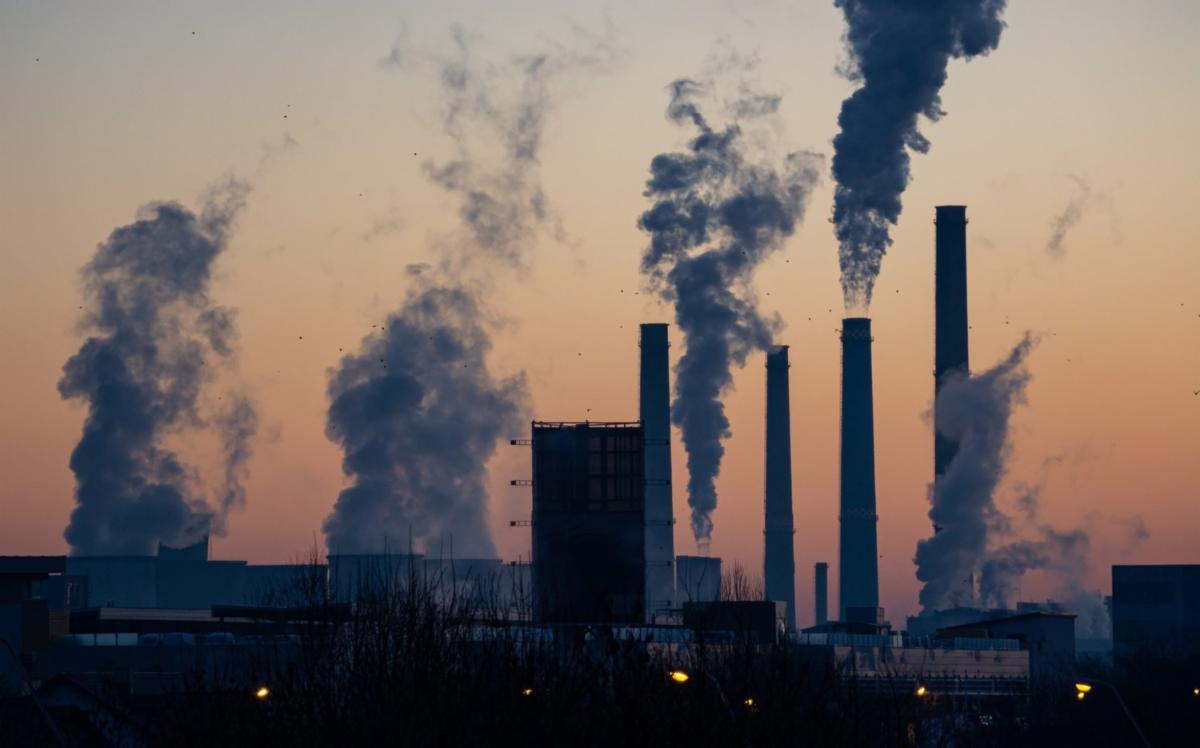
On Thursday, June 30, 2022, the Supreme Court in West Virginia v. EPA held that the Environmental Protection Agency (EPA) did not have the authority to enact the Clean Power Plan, an Obama-era climate change regulation (that was not actually in effect) that aimed to reduce carbon dioxide emissions from existing coal and natural gas power plants.
The Court’s decision limits the EPA’s ability to regulate emissions on a wide scale, and has the potential to further hamper the ability of federal agencies to issue regulations that protect health. In its decision, the Court invoked the major questions doctrine, which serves as a type of “clear statement rule” that bars agencies from issuing regulations on matters of major economic and political significance without explicit Congressional authorization.
What this means for public health
The Court’s decision hobbles the EPA’s ability to address climate change. More broadly, the Court’s reliance on the major questions doctrine in this case, as well as in its decisions blocking CDC’s eviction moratorium and OSHA’s vaccine-or-test mandate, threatens the ability of all federal agencies, including the FDA, CDC, and HHS, to protect the public’s health. For generations, Congress has granted agencies broad authority to promulgate regulations to achieve the goals set forth in statutes. This is especially necessary during public health emergencies, when authorities must act quickly, and potentially in innovative ways, to respond to a crisis. But the doctrine’s impact will be felt more broadly. Congress has long relied on agencies’ expertise to determine the best ways to achieve its goals. Requiring Congress to provide detailed instructions to agencies on the ways in which they can achieve these goals will hamstring the government’s ability to act effectively.
The major questions doctrine also opens the door to confusion, leaving agencies in the dark about what may or may not be allowed, as there are no clear guidelines for what constitutes a “major” question. In his concurring opinion in West Virginia, Justice Gorsuch attempted to lay out several factors that the Court, in his view, considers when invoking the major questions doctrine: that the matter is of great political significance; affects a significant portion of the economy, and touches upon a “particular domain of state law.” These criteria are themselves open-ended and could potentially apply to a wide range of federal regulations. As a result, the doctrine has the potential to transfer policymaking power from the federal government to the courts.