This newsletter is distributed by Public Health Law Watch as part of Act for Public Health, a working group of the Public Health Law Partnership that is convening to provide law and policy research, analysis, and expertise in support of public health authority.
Updates this week:
Thursday, 4/14: The Arkansas Supreme Court ruled that a school district can require students to wear masks.
Wednesday, 4/13: The Biden administration extended the public transportation mask mandate until May 3.
Wednesday, 4/13: A state judge dismissed a lawsuit challenging Utah’s restrictions on mask mandates in schools.
Spotlight: Indiana's fight over emergency powers
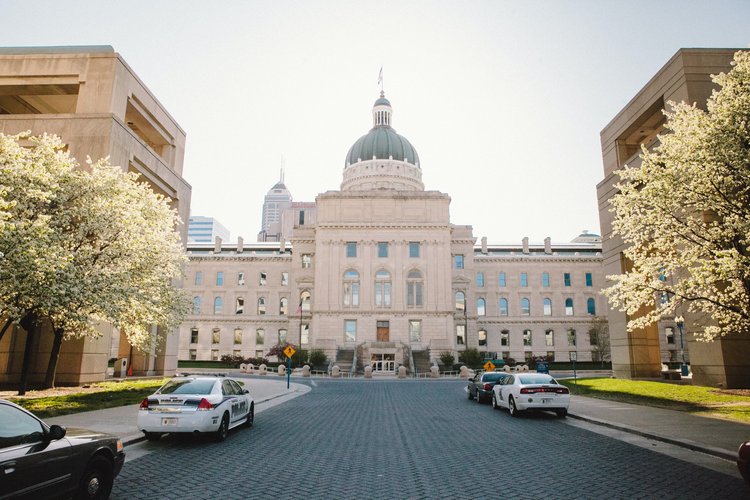
Last Thursday, the Indiana Supreme Court heard arguments in a case determining the constitutionality of a law giving state legislators the authority to call themselves into special legislative sessions during public health emergencies.
What this means for public health
This case follows a line of cases raising separation of powers issues relating to public health emergency orders. In several states, including Louisiana, Michigan, New Hampshire, and Wisconsin, state legislatures that were unhappy with governors’ emergency orders during the COVID-19 pandemic attempted to limitexecutive powers. These cases raise important issues about the balance of power during a public health emergency. They also have the potential to weaken the executive branch’s ability to act quickly during a public health emergency. Governors and other health officials might be wary of imposing public health measures knowing they could be quickly overruled by the legislature. Under Indiana law, the Legislature can end the Governor’s emergency orders with a majority vote.
Background
Unlike many intrastate power struggles between the state executive branch and legislature, such as that in Wisconsin v. Palm, the fight in Indiana is not a partisan one. Both Governor Eric Holcomb and legislative leaders are Republican.