Astronomical Arachnids

On clear days at Griffith Observatory, three telescopes gather sunlight from the Coelostat's mirrors and project live solar images into the historic west rotunda for the public to enjoy. But as staff and visitors were fascinated (and horrified) to learn: One telescope also manages to gather spiders.


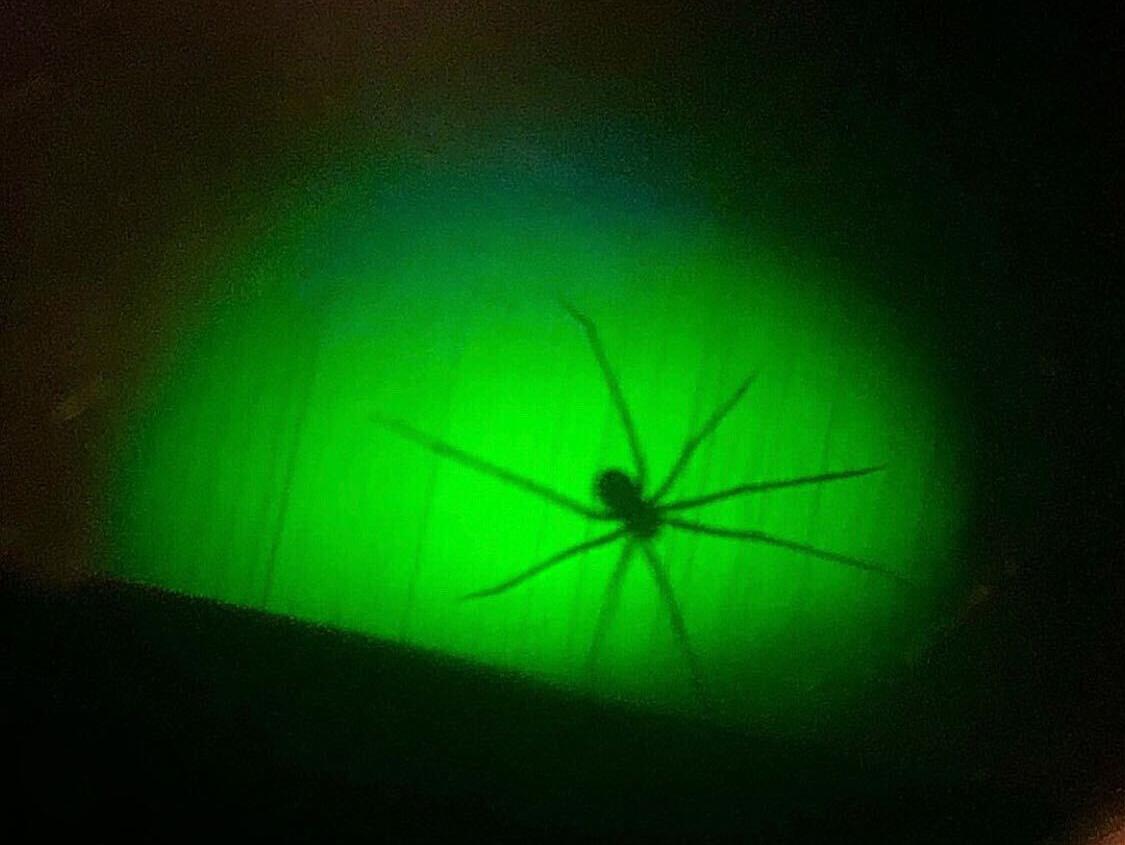
A spider poses atop the Observatory's live solar spectra. (L.M. Abron / Griffith Observatory)


Telescope Demonstrator Michael Noble says of his firsthand experience:

"I was setting up the Coelostat and went to see if the Sun's natural rainbow had been fully realized through the spectroscope's brass eyepiece. Instead of solar signatures I observed eight legs and two body sections resting along the amber-yellow range of the spectroscope, right next to the double sodium lines. A full spider silhouette occupied a third of the field of view! I went and found our Astronomical Observer, Vanessa Alarcon, and began to explain, "I was setting up the spectroscope but when I looked in..." she smiled and immediately asked, "Was there a spider in it?" 


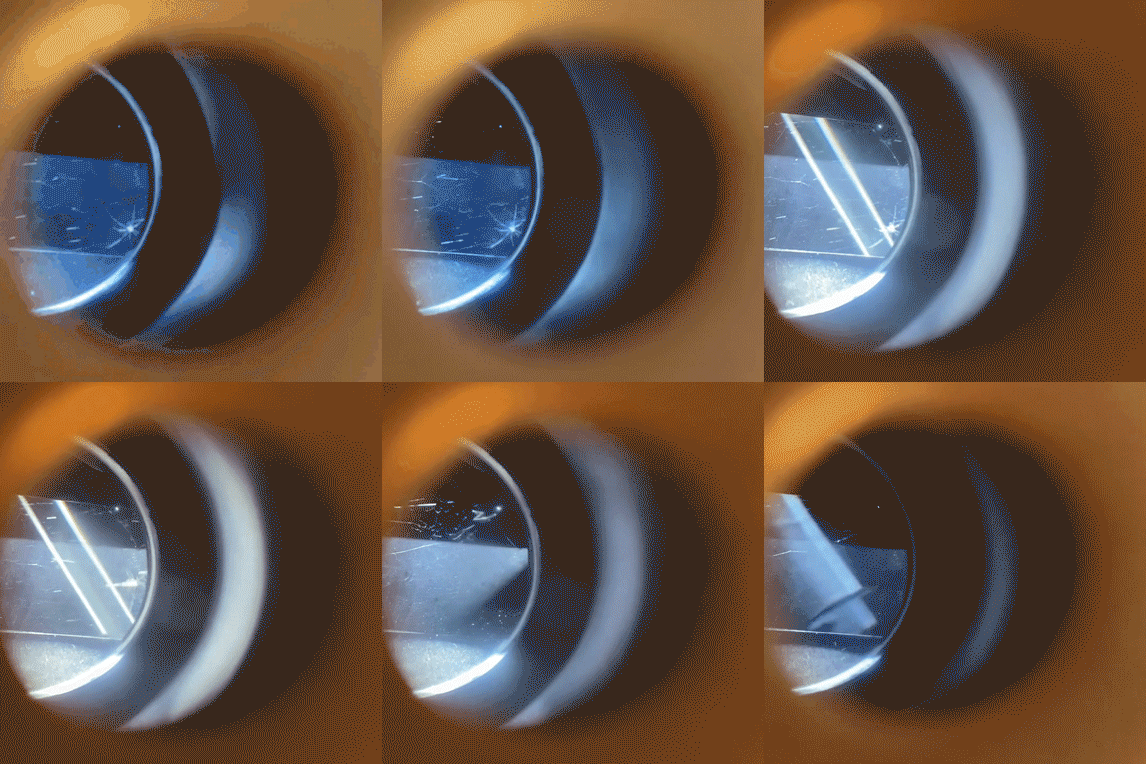
It took some shuffling behind the walls of the 90-year-old telescope but eventually Vanessa was able to shoo away the astronomical interloper without harming it. During the process of spider relocation, Museum Guide Paul Netro provided moral support, naming our octo-guest 'Iris.' It would be best if Iris continued her important pest control duties largely out of sight, but I can't say I'd be sorry for a visual reunion every once in a while."


Astronomical Observer Vanessa Alarcon gently sweeps the spider out of the spectrograph.

(P. Netro / Griffith Observatory)

HOW DO SPIDERS END UP IN THE SPECTROGRAPH?

Like much of the building, Griffith Observatory's historic west end functions as an instrument. When solar observing is possible, the west dome, west rotunda, and area under the rotunda are activated as telescopes.


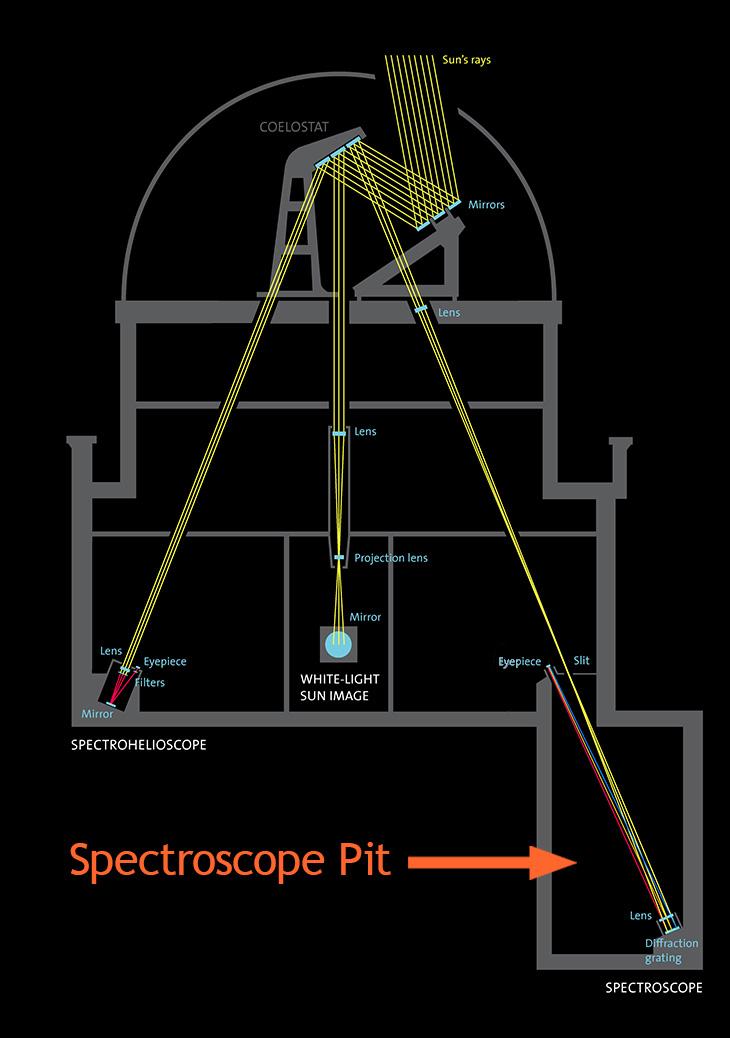
For reference on how the instrument works, see the diagram below. Sunlight passes through the dome opening and falls on the three mirrors of the coelostat. Each of the mirrors sends a reflection to another mirror which in turn reflects the Sun’s image into one of three telescopes within the exhibit rotunda below.

One beam of sunlight bounces into a spectroscope located in a pit beneath the museum floor and back up to an eyepiece, providing a detailed view of the Sun’s visible spectrum. "The Pit," a space that is typically left alone due to its scarce need for human intervention, is, consequently, a great place for critters to gather.


When observers encounter an occasional spider in the solar spectrum, it is because the astronomically-inclined arachnid has crawled up from the pit to rest just two feet from the eyepiece and bask in the colorful spectrum of the Sun.

Community

Meet Up


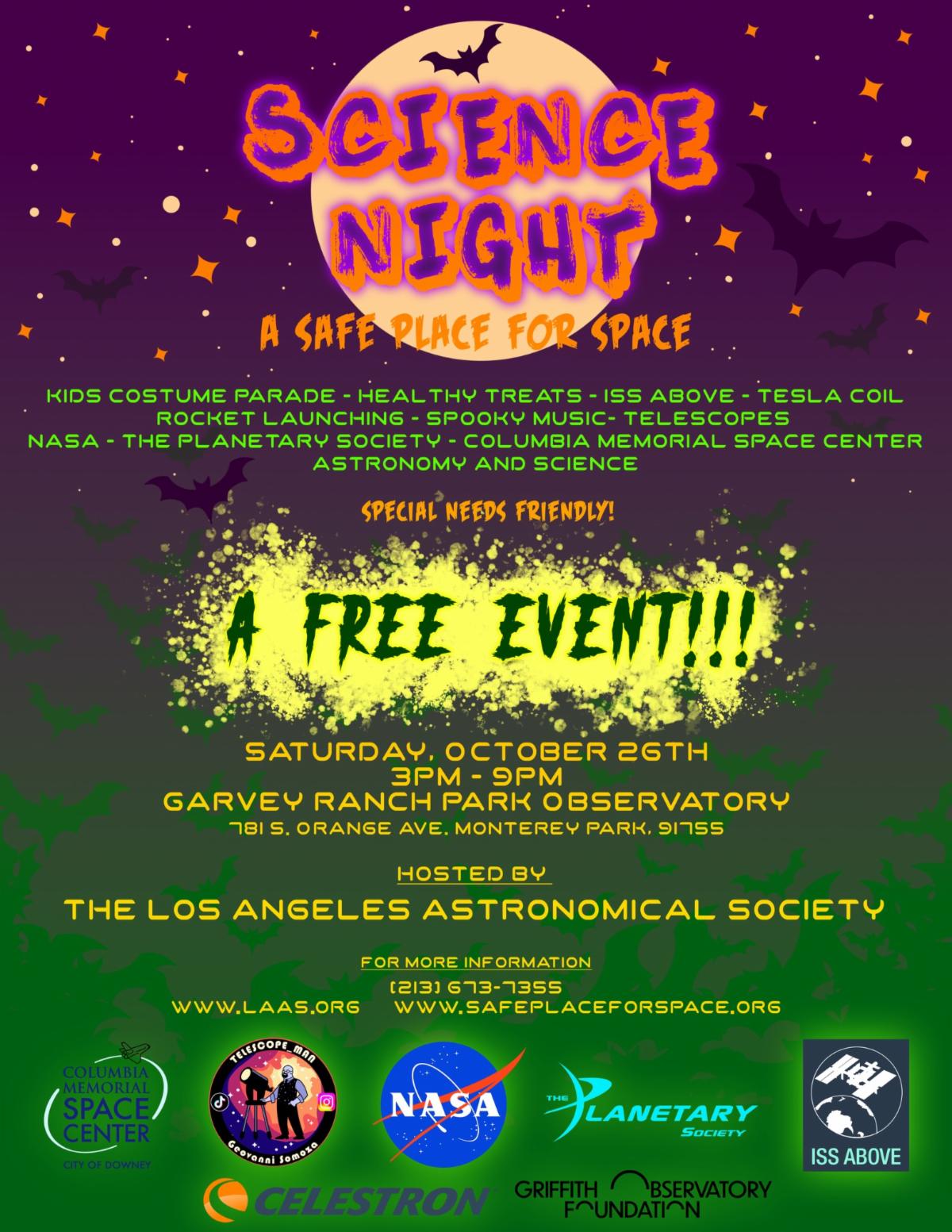
Science Night:

A Safe Place for Space

Garvey Ranch Observatory

Saturday, October 26, 2024

3:00 p.m. - 9:00 p.m.

Visit Griffith Observatory Foundation's table at Science Night. This FREE, family-friendly, and special-needs-friendly event is hosted by the Los Angeles Astronomical Society. No reservation required.


Geovanni Somoza of LAAS, who is also a Griffith Observatory Telescope Demonstrator, is the event organizer and the founder of Safe Place for Space.

Event Details
 
Costumes of Halloweens Past
A Griffith Observatory Staff Tradition
 

Griffith Observatory staff have a longstanding tradition of sporting astronomical costumes in the building on Halloween. Here is a selection from last year.


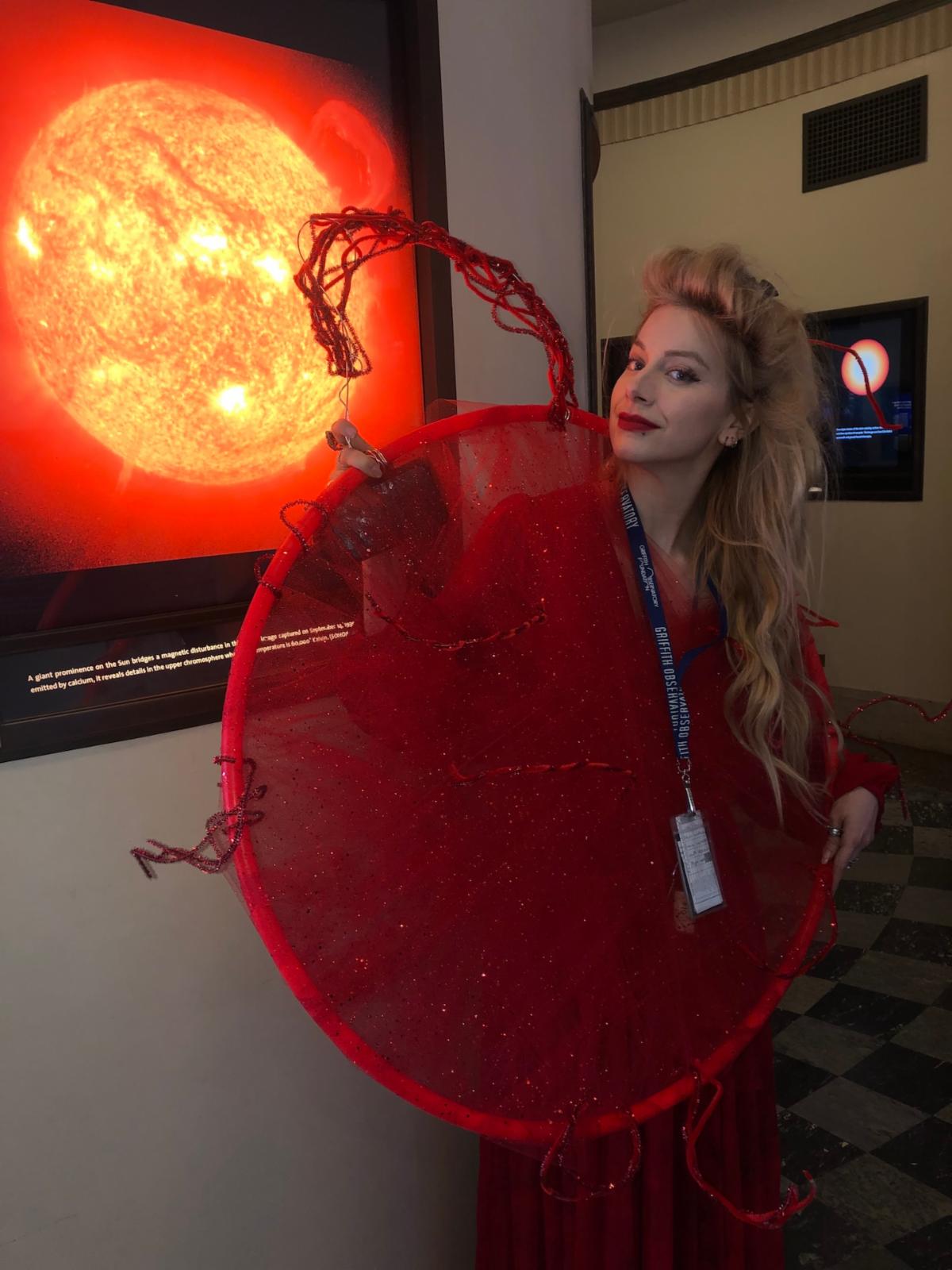
Museum Guide Laura-May Abron as a hydrogen-alpha image of the Sun


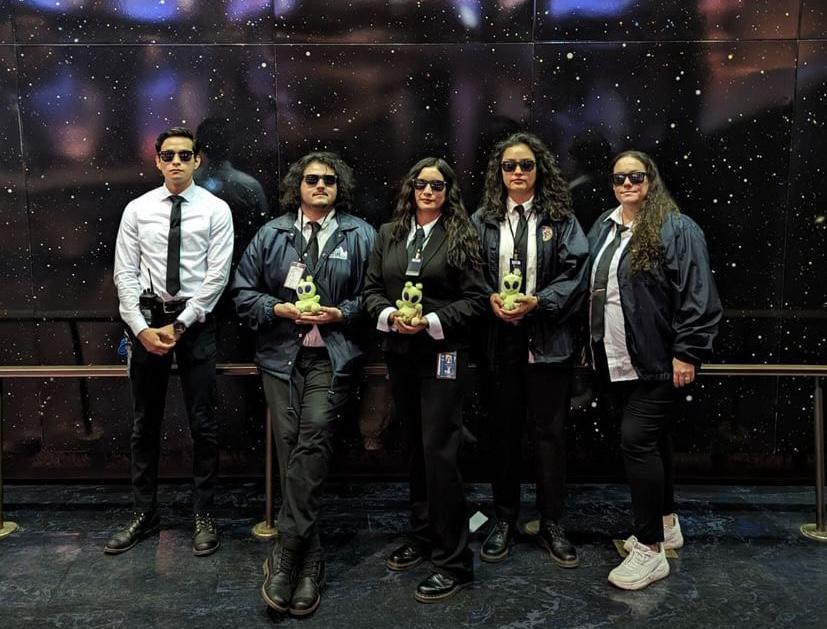
Operations leadership Oscar Tejada, Oscar Navarrete, Melanie Nernberg, Lydia Perez, and Nikki Balonick as Men in Black


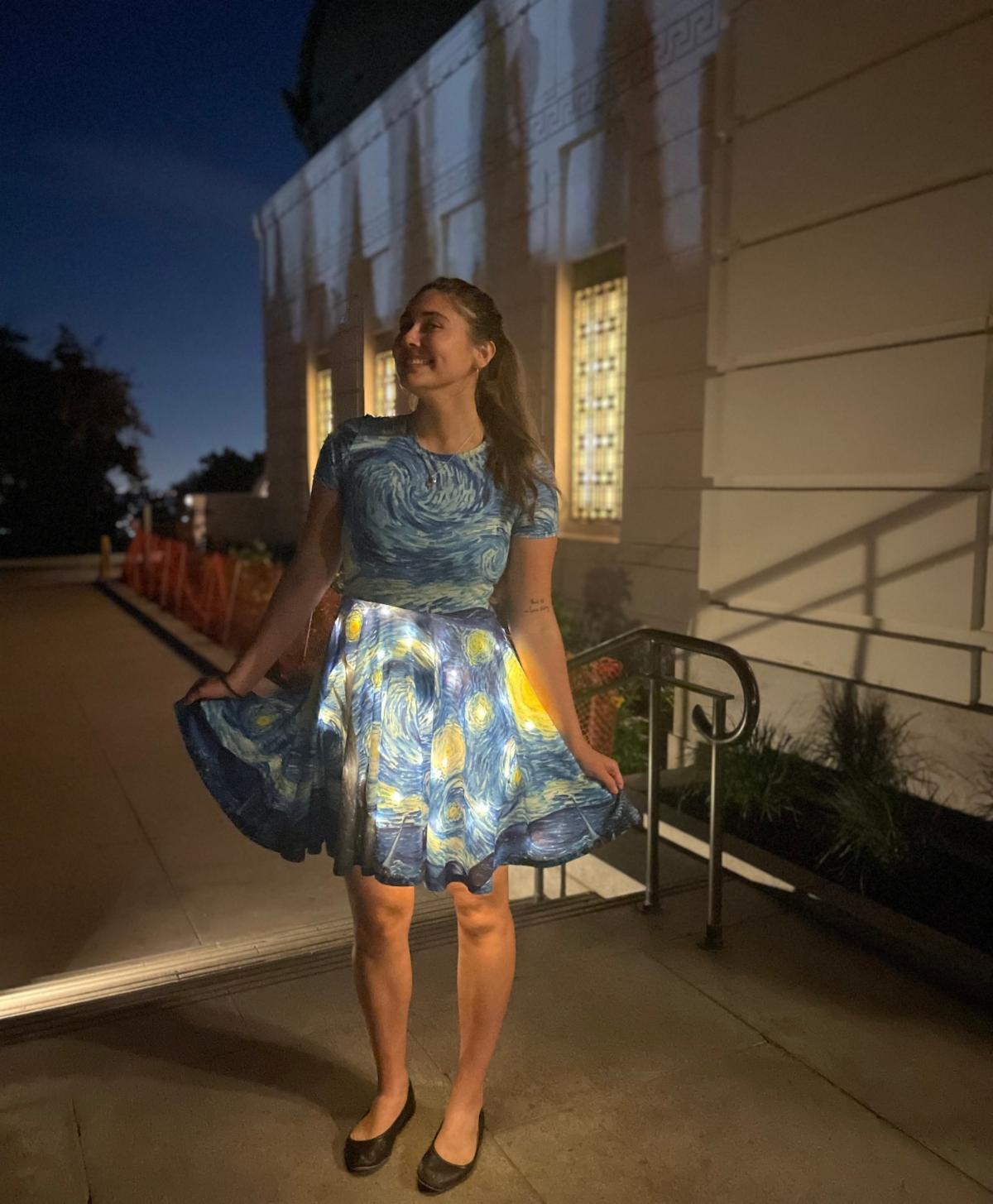
Museum Guide Rosemary Williams as Vincent van Gogh's Starry Night

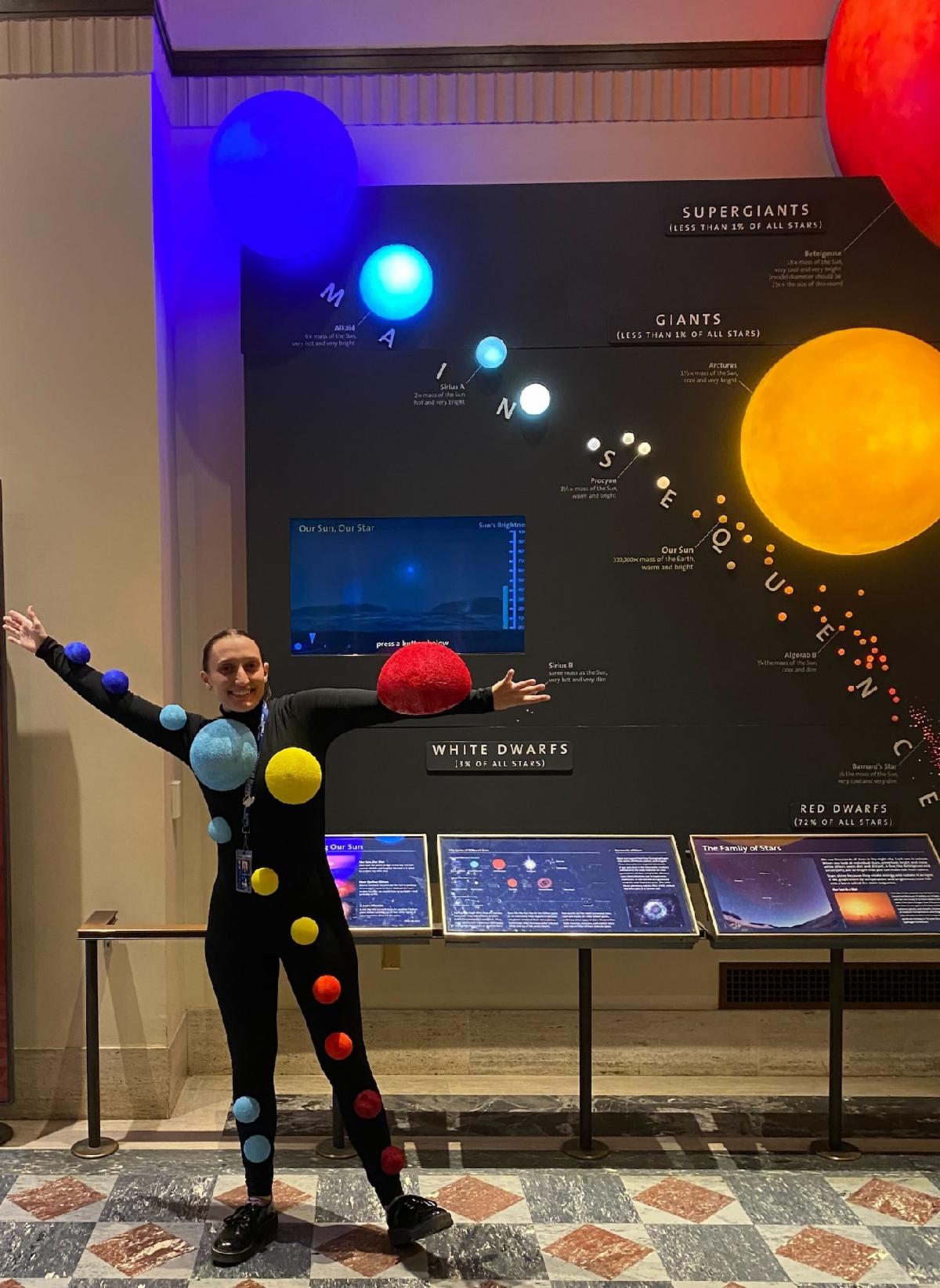
Telescope Demonstrator Meghan Miller as a Hertzsprung-Russell diagram


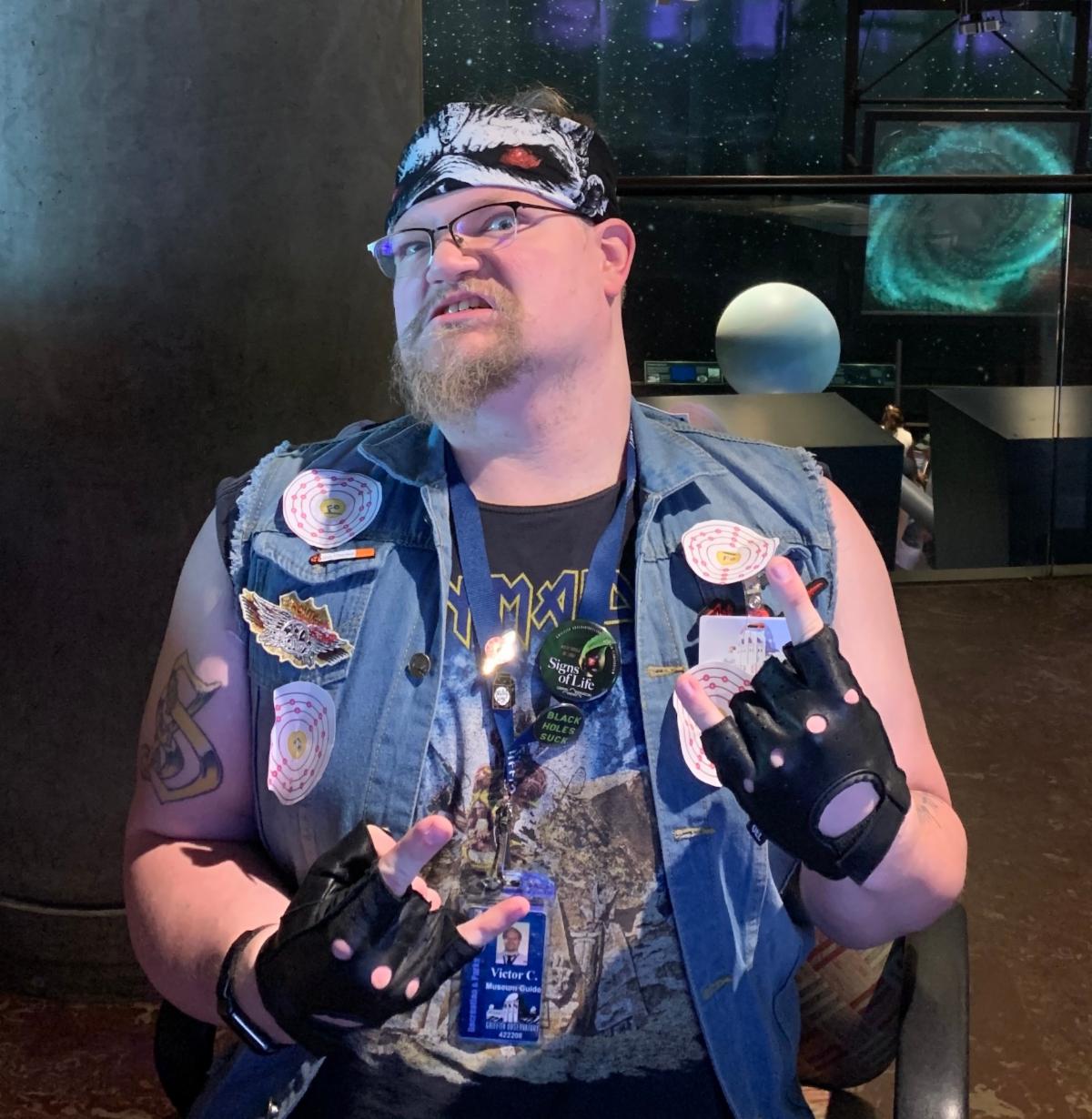
Museum Guide Victor Clarke as a heavy metal star about to explode due to iron (maiden) buildup


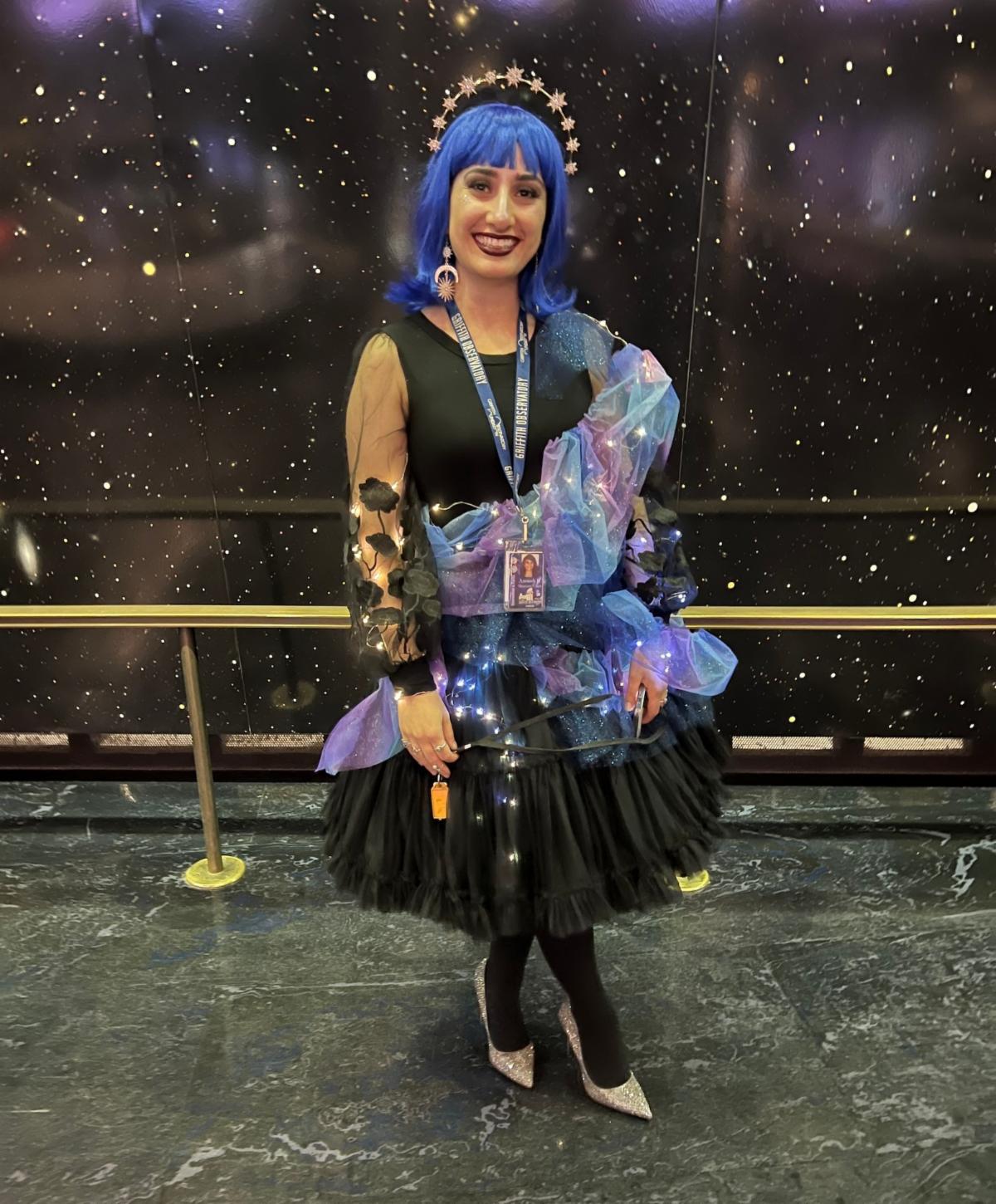
Museum Guide Anoush Kazarians as a nebula


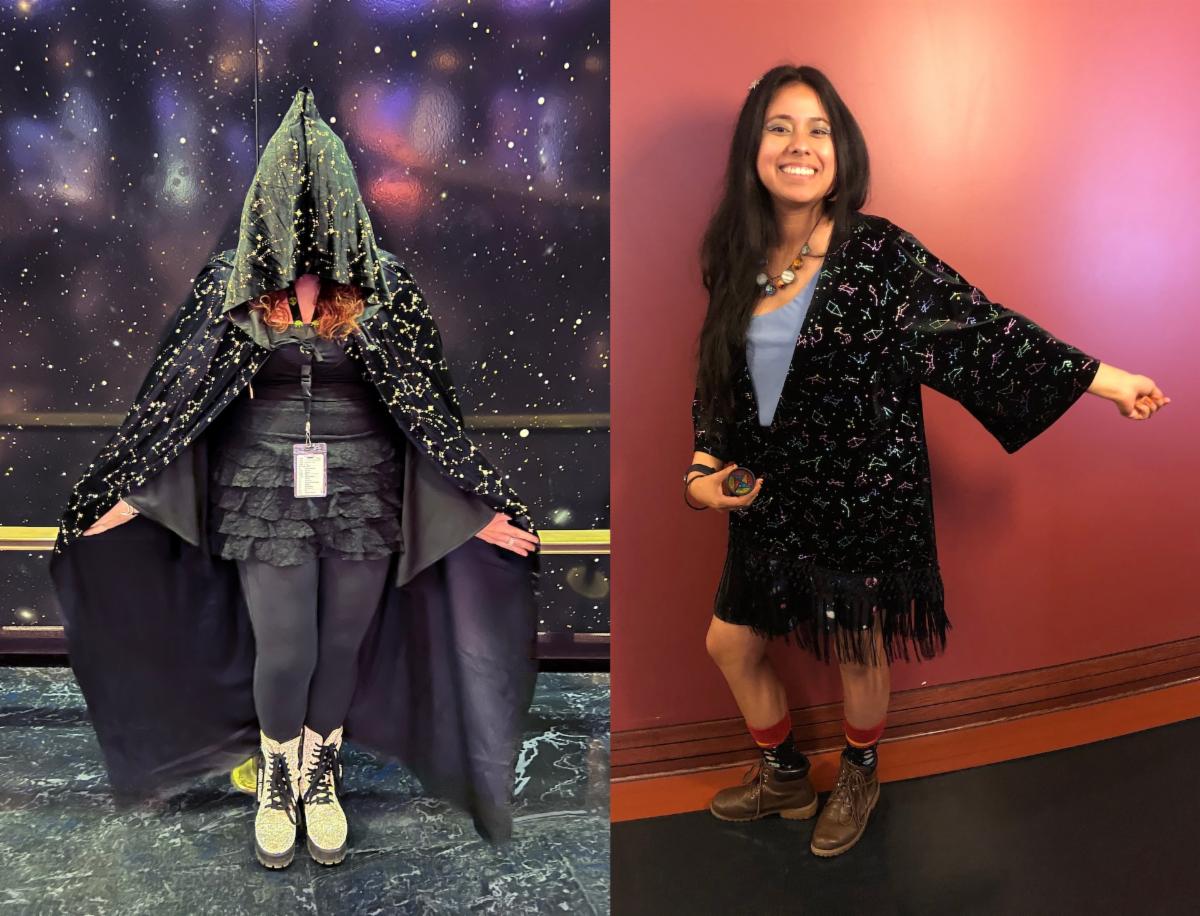
Museum Guide Katie Jacques and Astronomical Observer Vanessa Alarcon as the night sky


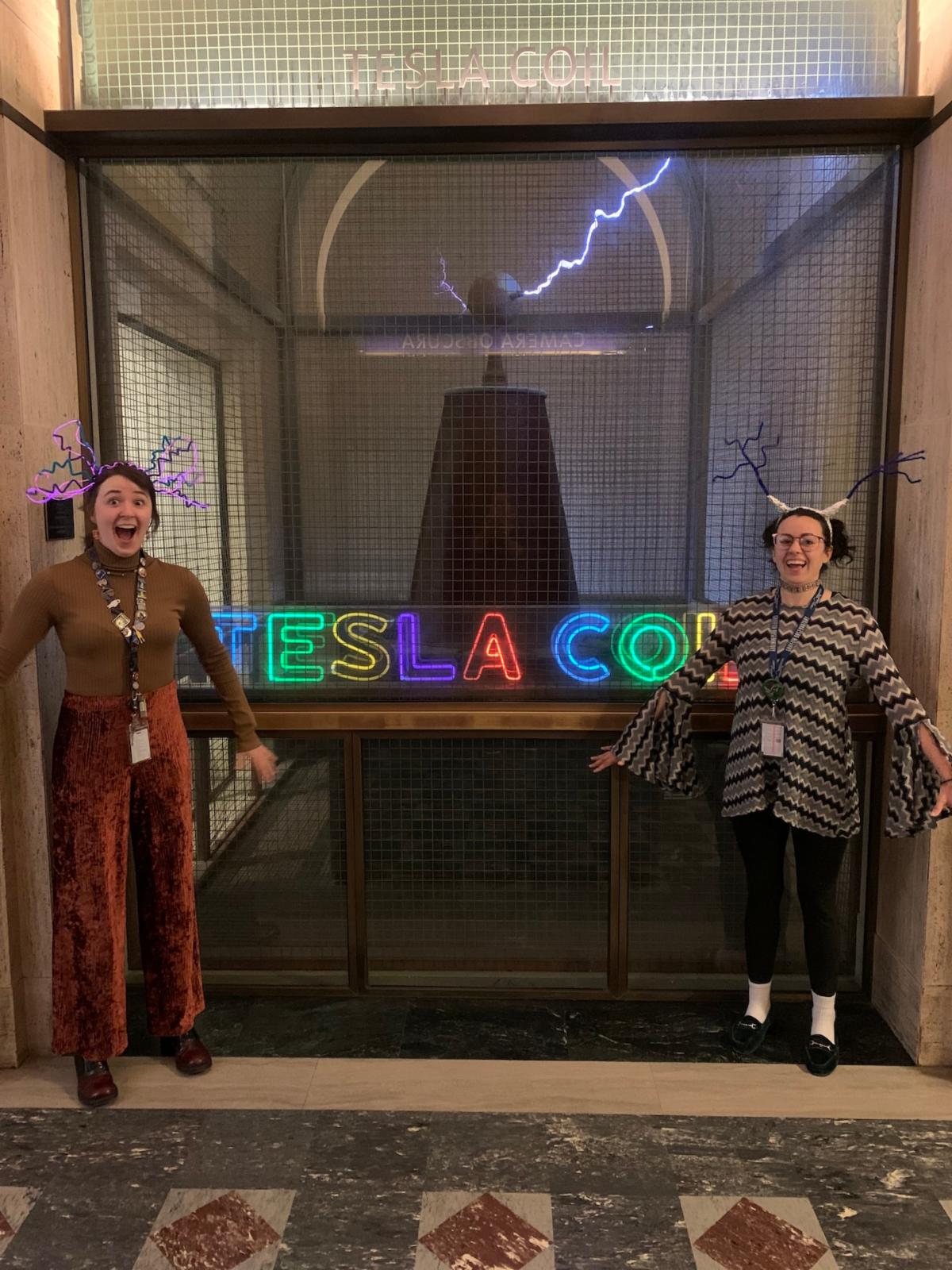
Communications Coordinator Ella Ritts and Museum Guide Katie Goldston as Tesla coils

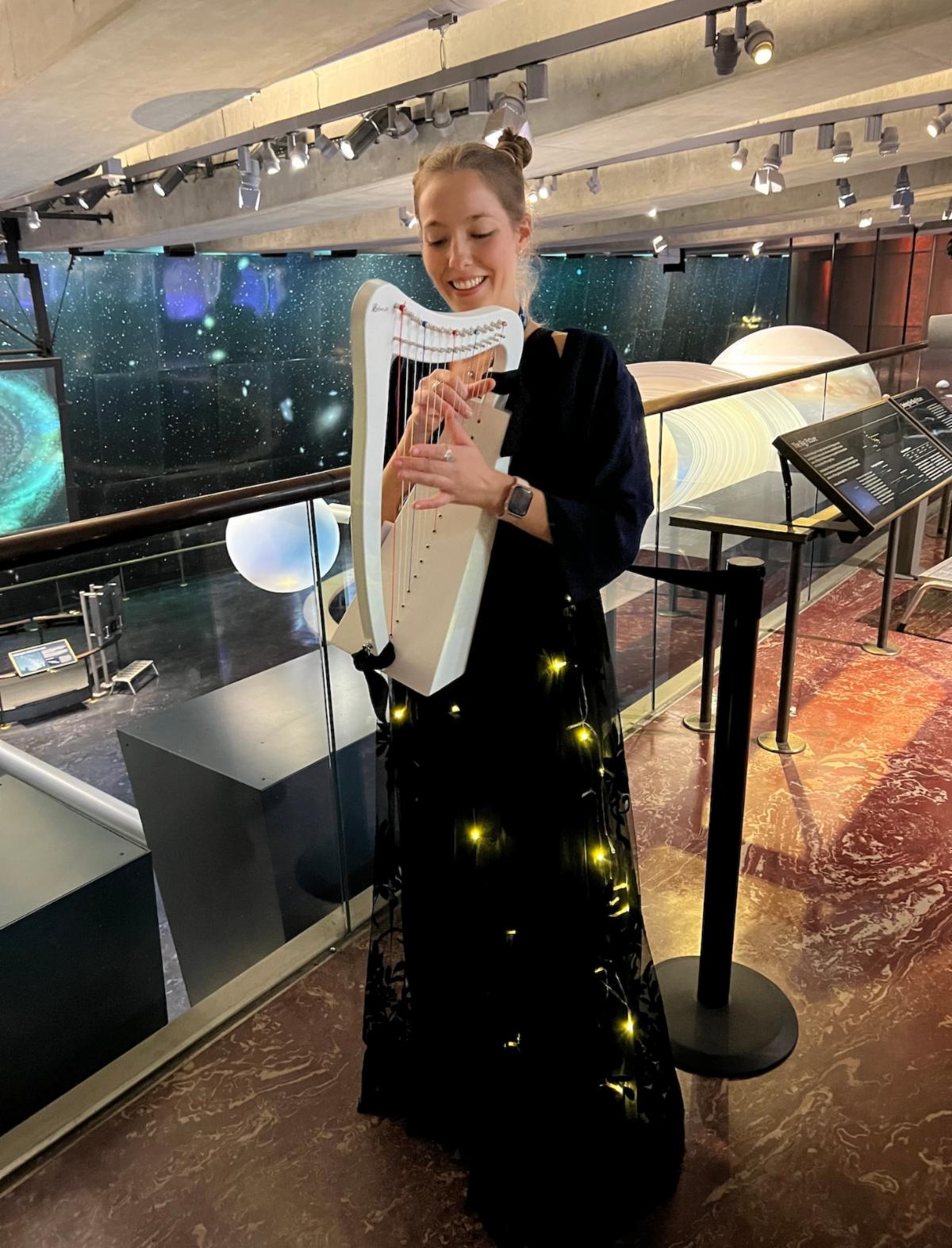
Museum Guide Ginger Brucker as constellation Lyra, playing the harp