If images don't appear, right-click image placeholders and select Download pictures. | | |
THE JOINT EXPEDITIONARY FORCE NEWSLETTER
from the Standing Joint Force Headquarters (SJFHQ) in London
July 2026
|
| Major General Tom Bateman, Commander of the UK Standing Joint Force Headquarters | |
Looking back on two years leading the JEF
Team JEF,
It was recently announced that I have been selected on promotion to command the Multinational Force Ukraine (MNF-U) Operational HQ from late July. Whilst this is a privilege, I am struck by a sense of poignancy. As I prepare to hand over as the UK Standing Joint Force Commander and JEF Operational Commander, I would like to take this opportunity to reflect on what we have achieved together and look ahead to the future for JEF.
Over the past two years, the JEF has matured into an increasingly credible, relevant and persistently active force. From the activation of NORDIC WARDEN, through JOINT PROTECTOR 24, and into a sustained operational tempo across 2025, we have demonstrated that the JEF is not just conceptual, it is delivering real effect. We have proven our ability to operate at pace, across domains, and alongside partners in an increasingly complex security environment.
I have been consistently struck by the professionalism, innovation and commitment across our participant nations. Together, we have modernised how we operate, sharpened our processes, and driven the continued evolution of our JEF Response Options (JROs). The recently refreshed JROs sit at the core of our operational utility. They are more agile, more deliberately aligned with NATO and national plans, and increasingly informed by real-world experience. Quite simply, we are making it easier to act together, and to act quickly.
Equally, we have advanced how we share and exploit information. Our approach is increasingly tech-enabled, improving data fusion, connectivity, and the integration of ISR into a common operational picture. This is already enhancing how we understand the environment and make decisions; enabling greater tempo, cohesion, and operational effect.
As I look ahead, that momentum must continue. LION PROTECTOR 26 will be a defining activity. With the UK Carrier Strike Group, deployments in the High North and a continued focus on the Baltic Sea region – all commanded by the OHQ deployed in Norway in a subterranean facility and executing distributed command and control, it will be an excellent activity and demonstrate yet another step forward in capability. It will set conditions for the LION series of exercises testing our JROs and supporting yearly NATO activity programmes.
We must also continue to learn at pace. Our Enhanced Partnership with Ukraine offers a critical opportunity to integrate lessons from contemporary conflict, whether in the electromagnetic spectrum, the use of unmanned systems, or the protection of critical infrastructure. This is not simply engagement; it is about embedding those lessons directly into how we plan and operate. The inaugural Golden Lion series of lectures, which will deliver first hand operational experience to JEF audiences from a senior Ukrainian commander will be a great opportunity.
However, the security environment will only become more contested. Hybrid threats, whether through cyber, information activity, or hostile action will continue to evolve in scale and sophistication. The strength of the JEF lies in our ability to confront these challenges together, through shared understanding, practical cooperation, and a readiness to act decisively.
On a personal note, it has been a privilege to serve with you. You have built a force that is stronger, more connected, and better prepared for what lies ahead. As we continue this journey, I want to assure you that I will remain an advocate and supporter of JEF. I want to finish by thanking you for being the most wonderful companions on the journey and I hope to see you all again soon.
Sincerely, Tom.
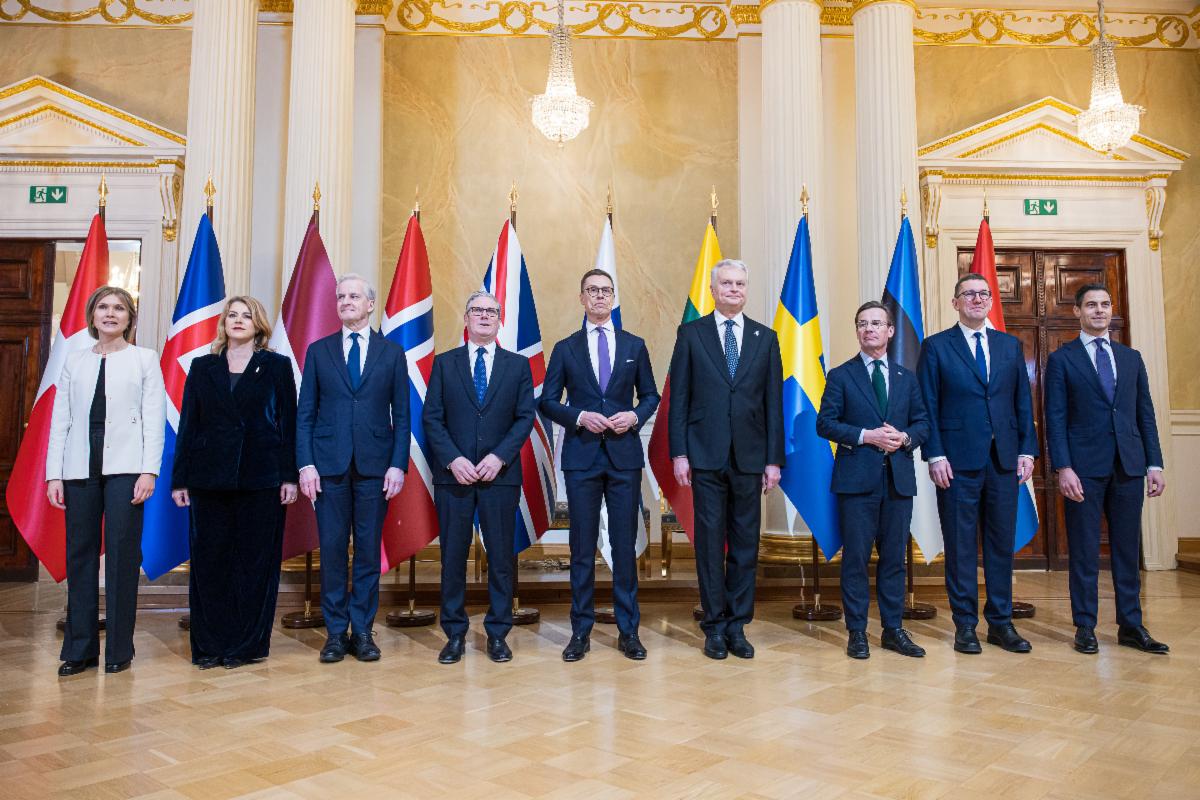
| | | Family photo at the JEF Leaders’ Summit 2026 in Helsinki on 26 March 2026.
Photo: Matti Porre/Office of the President of the Republic of Finland. | |
JEF Leaders’ Summit in Helsinki
Leaders of the Joint Expeditionary Force met in Helsinki on 26 March 2026 to reaffirm their commitment to European security and stability, their strengthened support to Ukraine and pressure on Russia, and their continuous effort to respond to regional security challenges together. Besides the JEF leaders, President of Ukraine Volodymyr Zelenskyy and Prime Minister of Canada Mark Carney participated in the meeting remotely.
The leaders exchanged views on the increasing number of incidents involving foreign unmanned aerial vehicles. JEF nations highlighted an urgent need for investment in capabilities required for detection and interception of drones as well as exploring options for collective response.
Furthermore, the leaders agreed to reinforce JEF members‘ ongoing steadfast support to Ukraine through ambitious delivery of the JEF/Ukraine Enhanced Partnership, to further leverage the JEF‘s specific geographical focus and collective expertise of operating in the Arctic, High North, North Atlantic and Baltic Sea regions to strengthen NATO‘s northern flank, and to further increase the JEF‘s deterrence and peacetime activity.
Read the full joint statement here.
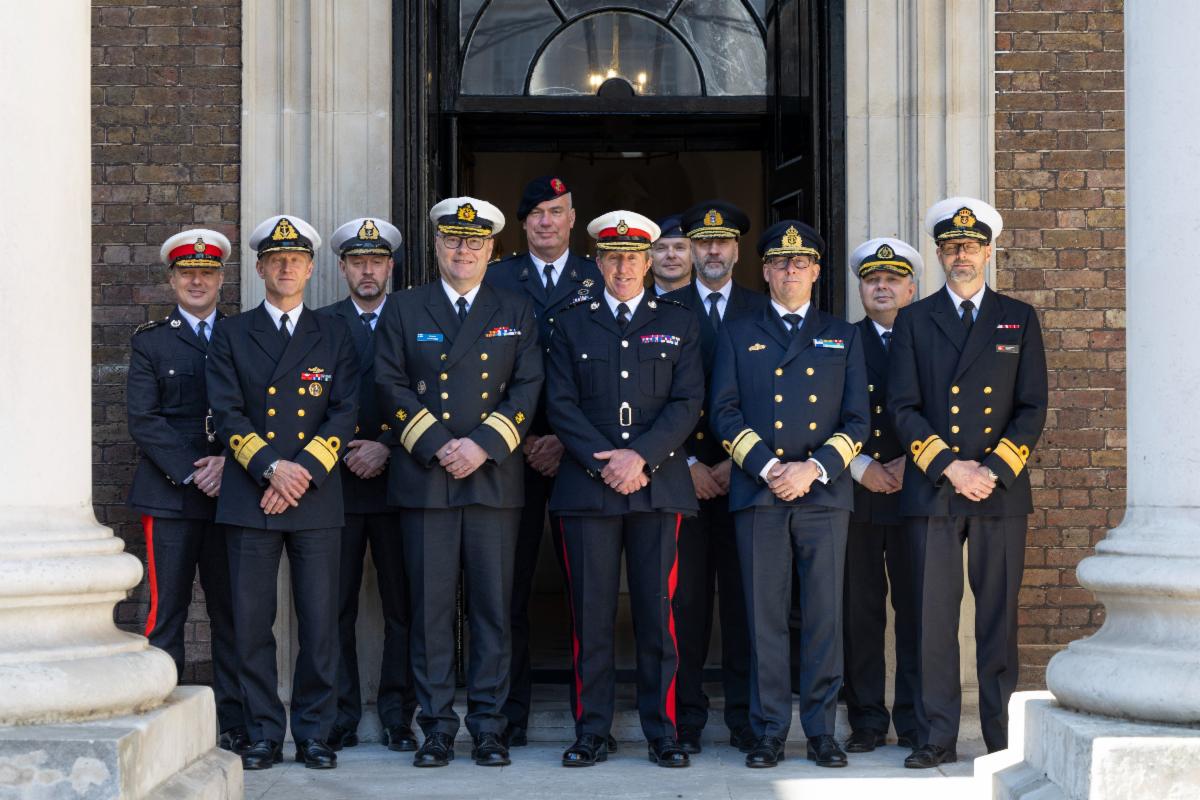
| | The First Sea Lord convened Chiefs of Navy from across the Joint Expeditionary Force. Photo: Royal Navy. | |
JEF Chiefs of Navy meeting
The UK strengthened naval cooperation with northern European allies by convening Joint Expeditionary Force (JEF) Chiefs of Navy in Whitehall on 22 April to address rising Russian threats. Led by General Sir Gwyn Jenkins, the meeting focused on deepening partnerships, particularly through the JEF. In response to increasingly bold Russian activity at sea and against critical infrastructure, participant nations discussed moving beyond coalition activity towards a permanent joint force that is more ready to fight and able to generate a significant increase in collective combat power. The talks emphasized improving collective warfighting readiness and ensuring allied navies could operate together effectively from the outset.
See more on the JEF website.
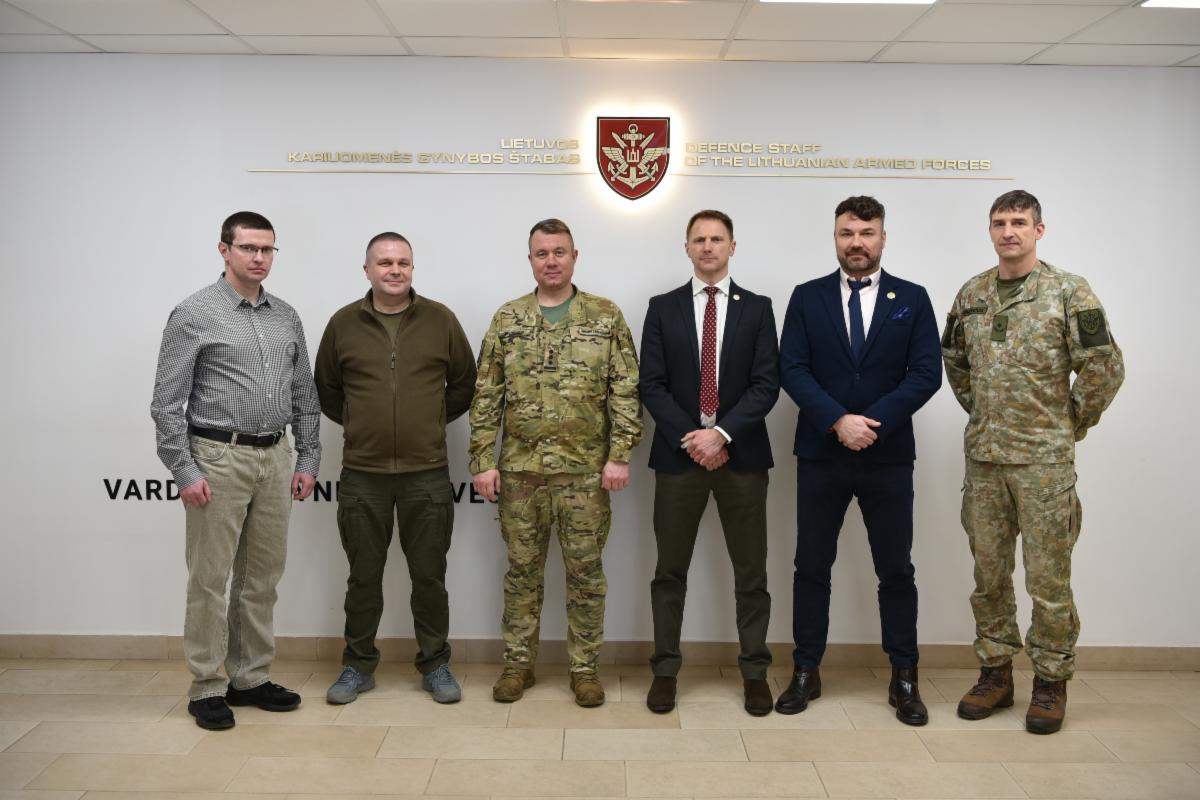
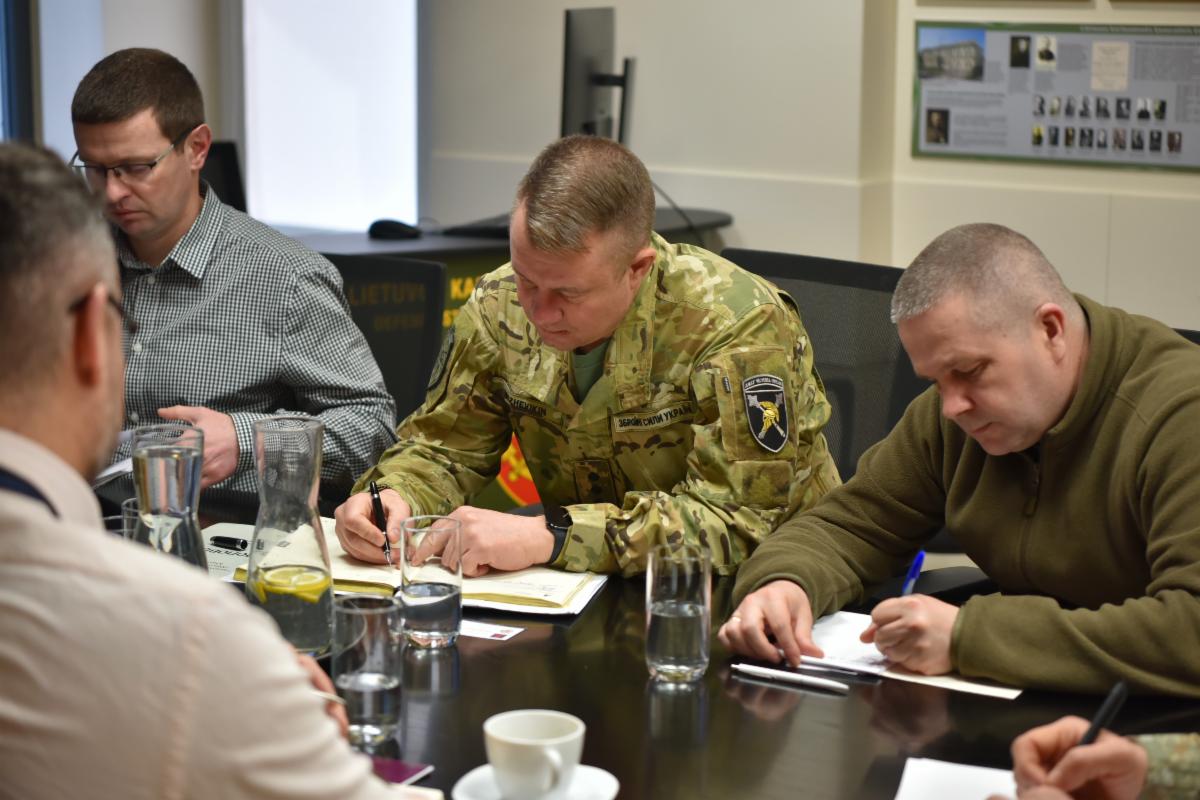
| | From the first in person engagement at the operational level under the JEF-Ukraine Enhanced Partnership framework. | | | |
The JEF-Ukraine Enhanced Partnership
The Leaders of the Joint Expeditionary Force (JEF) participant nations agreed to enter into an Enhanced Partnership with Ukraine at their Summit meeting in Oslo on 9 May 2025.
This Enhanced Partnership formalizes and deepens the relationship between the JEF and Ukraine, building on the strong political and military support already provided by JEF Nations since Russia’s illegal, full-scale invasion in 2022.
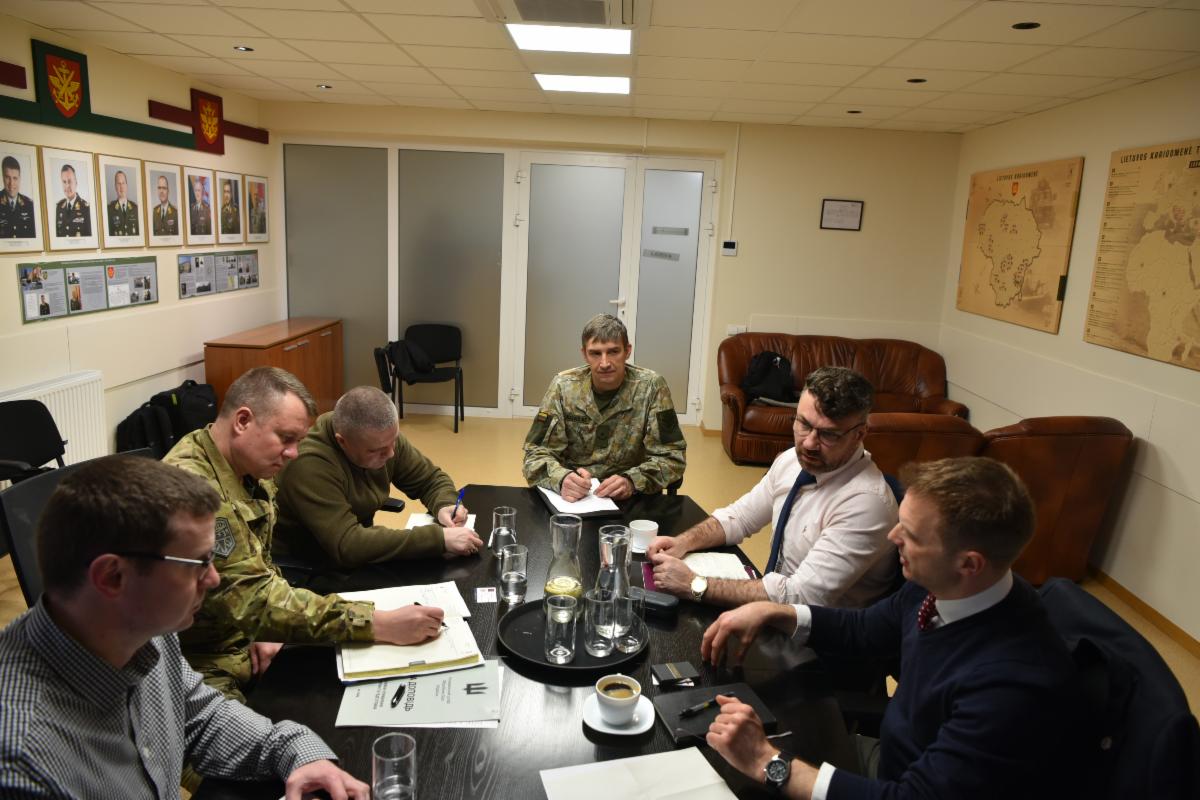
Early March 2026 saw military representatives from Ukraine travelled to JEF nation Lithuania for an initial meeting with officials from the JEF. It was the first in person engagement at the operational level and marked a practical step forward in a framework known as the JEF-Ukraine Enhanced Partnership, followed by Ukrainian participation in AURORA.
In an increasingly unpredictable and contested security environment, the JEF is a flexible and credible framework to enhance mutual security, greater interoperability and develop modern forces to complement NATO’s deterrence and defence in northern Europe.
JEF participant nations are determined to strengthen co-operation and to demonstrate their contribution to Euro-Atlantic security and transatlantic burden-sharing.
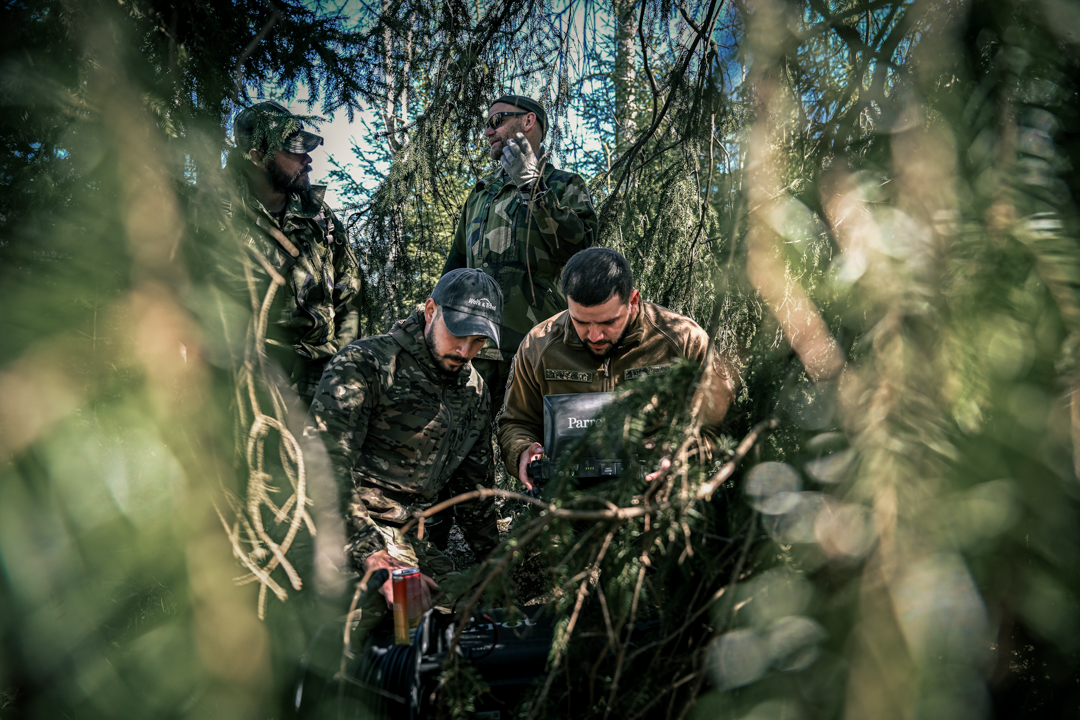
| | | UKR Drone Operators during Aurora 26. Photo: Swedish Armed Forces. | |
AURORA 26: Ukraine joins major Swedish exercise under its Enhanced Partnership with the JEF
For the first time, Ukrainian drone operators and specialists took part in live exercises in Sweden as part of the exercise AURORA 26. During the exercise, which took part at sites across Sweden, they undertook joint training with allied units and seminars focusing on drone warfare, including seaborne and anti-air drone operations.
More than 16,000 personnel, including soldiers, sailors, and officers from the Swedish Armed Forces took part in AURORA 26. Activities also included the reception and integration of approximately 1,500 troops from Allies and Ukraine, rehearsing plans to reinforce Northern Europe and along the Eastern Flank.
The Swedish Armed Forces welcomed the enhanced partnership between the Joint Expeditionary Force (JEF) and Ukraine as both ways and means to integrate and strengthen existing links with the Ukrainian Armed Forces. The Swedish Armed Forces will continue to contribute and operationalize the partnership, starting with AURORA 26.
Read more on Swedish Armed Forces website.
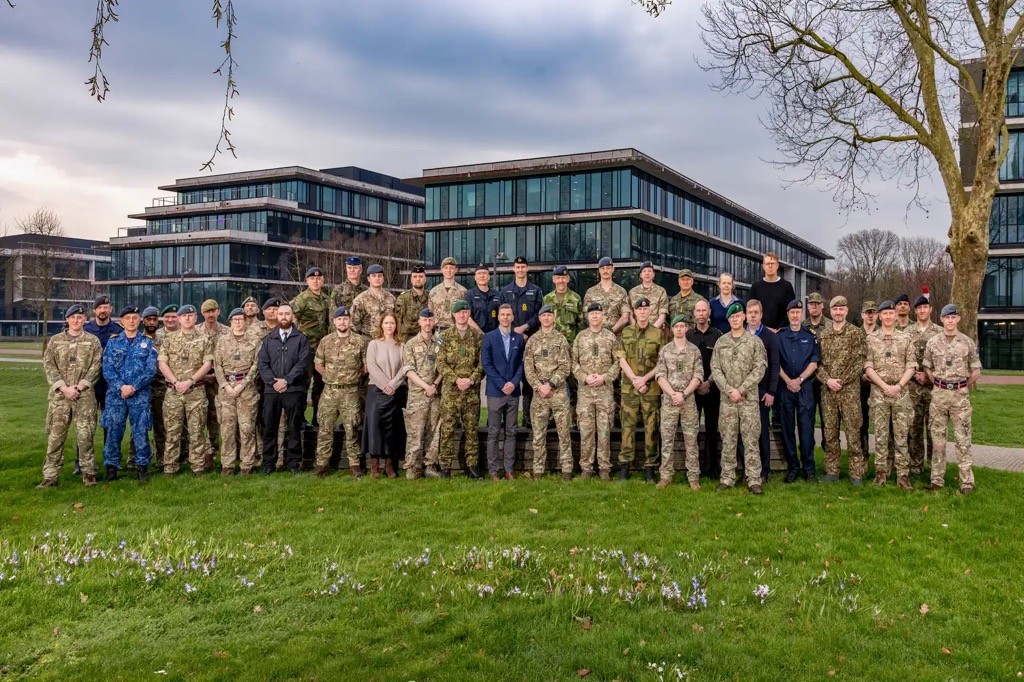
| | More than 60 military planners from all ten JEF nations gathered in Utrecht, Netherlands, for a week in March for focused planning and discussions on regional security challenges. Held at the Kromhout Barracks, the biannual JEF Week centred on planning conferences for the LION Series and assessing evolving threats across the North Atlantic, Arctic and Baltic regions. The event provided an important forum for strengthening coordination, interoperability and advancing collective understanding among JEF partners. | | Áslaug Karen Jóhannsdóttir, Iceland’s Liaison Officer in the JEF OPT at SJFHQ | Photo: University of Copenhagen | |
Understanding Hybrid Threats: JEF Visit to Helsinki and Copenhagen
From 20–22 April, a delegation from the Joint Expeditionary Force went on a force development visit to Helsinki and Copenhagen. The aim of the trip was to deepen our collective understanding of hybrid threats and reflect on how the JEF should prioritise its efforts at the operational level.
We began in Helsinki at the European Centre of Excellence for Countering Hybrid Threats (Hybrid CoE), where our hosts delivered a thoughtful and well-structured programme. Through a series of expert-led briefings and discussions, we explored a wide range of issues from the role of hybrid activity in shaping today’s geopolitical tensions to challenges in cyber and space, disinformation, threats to critical undersea infrastructure, and the activities of the so-called “shadow fleet.” I would like to extend our sincere thanks to the team at Hybrid CoE for their insights and generous hospitality.
Building on these discussions, we travelled to Copenhagen to take part in the JEF Seminar on Hybrid Threats and Protection of Critical National Infrastructure. This event, expertly organised by the University of Copenhagen and the Danish Defence Command, was attended by representatives from government, defence, academia, and industry, and provided a valuable forum to examine how hybrid threats are evolving in different JEF nations. I would also like to thank the organisers and hosts in Copenhagen for facilitating such a rich and constructive discussion.
A key takeaway is that hybrid threats are no longer isolated incidents, but a persistent feature of strategic competition below the threshold of war. They are increasingly coordinated, often deniable, and designed to place pressure across multiple sectors simultaneously. In this context, the JEF was highlighted as a highly relevant framework for operating in this “grey zone.”
From our perspective within SJFHQ, the JEF’s strengths, its political alignment, flexibility, and speed, make it well suited to act as a bridge between national responses and broader NATO action. Its diverse membership further enhances its value as a platform for shared learning and cooperation.
This visit reinforced the importance of taking these lessons forward and integrating them into JEF operational planning, ensuring we remain prepared to respond effectively to the evolving nature of hybrid threats.
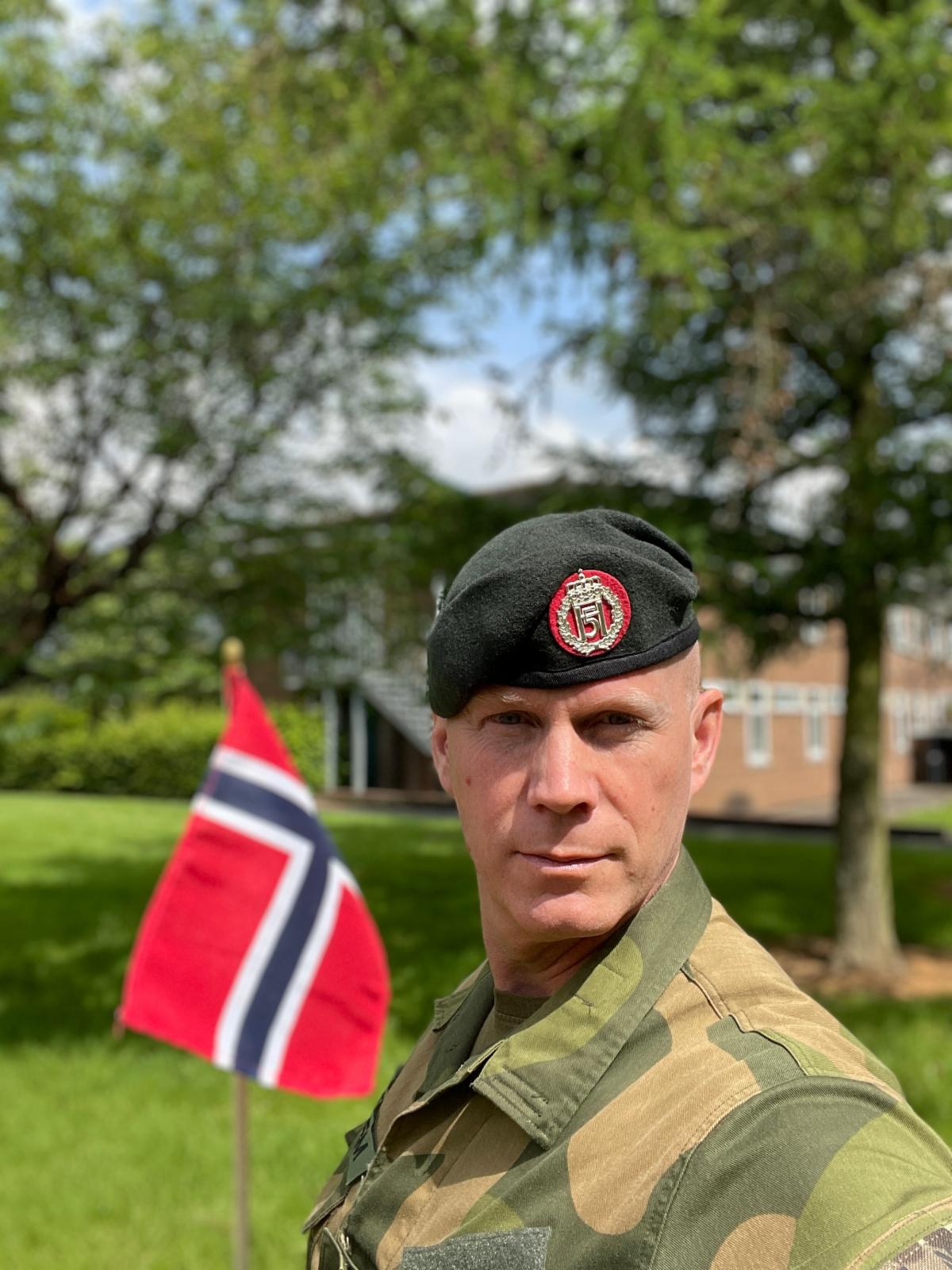
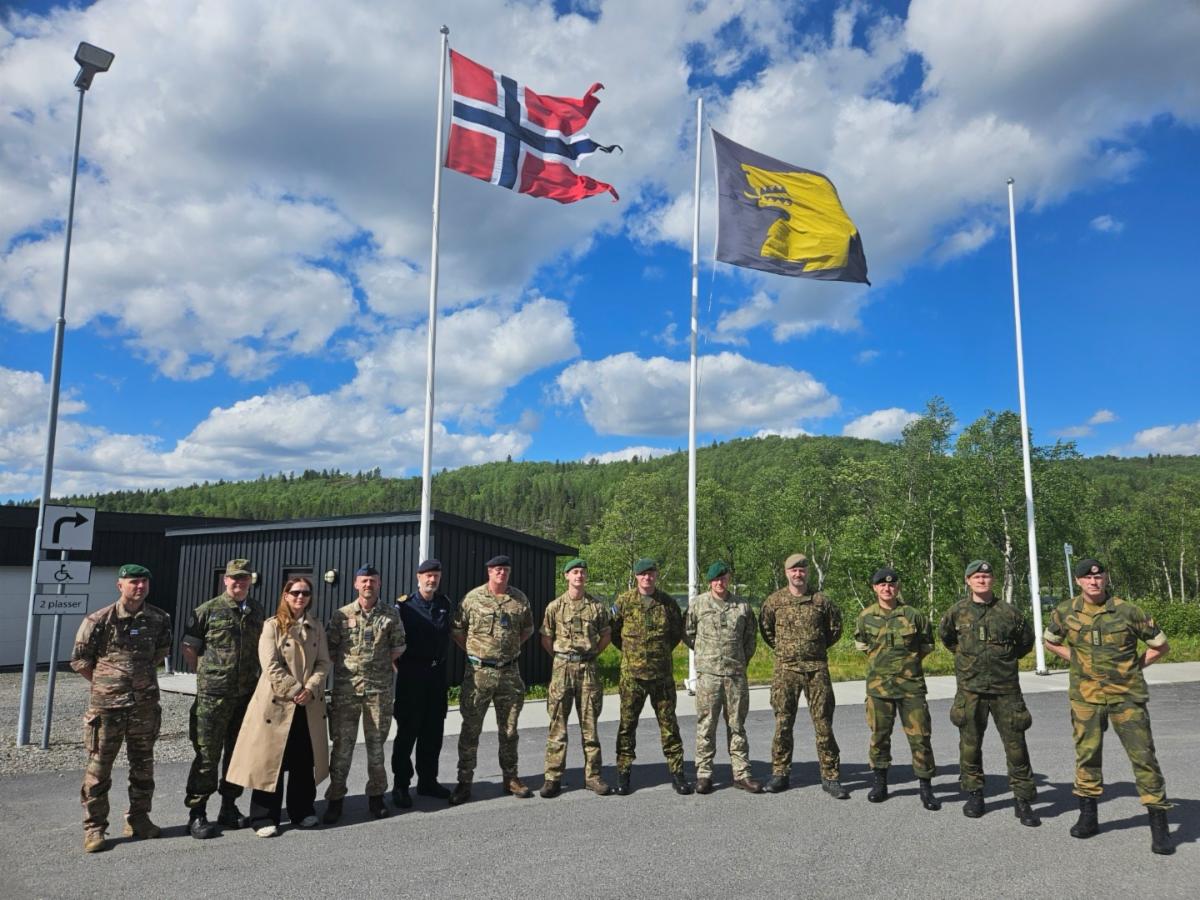
| | | Lt Col Torben Hellem, Norway's Liaison Officer in the JEF OPT at SJFHQ | |
JEF Planners Deepen Strategic Understanding of Norway and the High North
Members of the Joint Expeditionary Force (JEF) have concluded a comprehensive series of site visits in Norway. The itinerary was explicitly designed to enhance situational awareness and deepen their operational understanding of the Norwegian Armed Forces, Arctic security dynamics, and the strategic realities of the High North.
As the security landscape evolves, firsthand familiarity with the region's geography, infrastructure, national and NATO capabilities remain a critical priority for the ten-nation coalition.
Insight into Northern Command and Control
The delegation began their field visit in Bodø, a vital nerve centre for security in the High North, to observe how multi-domain operations are coordinated. Planners received comprehensive operational briefs on northern security architecture and routine monitoring at the Norwegian Joint Headquarters (NJHQ).
The team also received thorough briefing at NATO Combined Air Operations Centre (CAOC), joint air integration, focusing on how coalition feeds build a unified regional air picture. This insight is vital for JEF understanding the Air operations in the High North and creates a foundation for further close cooperation and interoperability.
Frontline Readiness at Evenes Air Base
Moving north to Evenes Air Base, the team engaged directly with frontline aviation units safeguarding NATO’s northern flank.
- NATO Quick Reaction Alert (QRA): Planners received strategic briefings from fighter detachments tasked with securing regional airspace.
- P-8A Poseidon Integration: The team reviewed maritime patrol operations, focusing on anti-submarine warfare (ASW) and northern sea-line surveillance.
Strategic Reconnaissance at the Norwegian-Russian Border
The iteration concluded at the strategic frontier in the far northeast, close to the city of Kirkenes, where planners observed the complexities of border security and territorial defence.
- Jaeger Battalion (Jegerbataljonen): The team visited the battalion at its garrison, receiving a comprehensive threat assessment and operational brief from the Battalion Commander followed by visiting Jarfjord Border coy base with equipment display and conversations and briefings.
- Inter-Agency Cooperation: Planners met with local Police authorities and the Norwegian Border Commissioner to understand the legal, civil, and military mechanics of monitoring the frontier.
- Grense Jakobselv: The delegation finalized the visit at Norway's north-easternmost border post on the Barents Sea coast, gaining invaluable geospatial context of the immediate border environment.
This successful reconnaissance and the extensive professional briefs and hospitality ensures that future JEF deployments are informed by an accurate, sophisticated understanding of Norway’s terrain and the pivotal role its forces play in securing the High North.
The JEF planners toured northern Norway to deepen their understanding of Arctic security, culminating in a shared "red thread" of operational philosophy derived from NJHQ briefings to frontline Norwegian conscript insights. This, according to the JEF site visit summary, highlighted a distinct, total-defence, high-north perspective that often differs from that of partner nations.
By deeply integrating these insights, the JEF ensures that its regional response frameworks are not developed in isolation but are completely synchronised with Norway's sovereign defence plans and nested perfectly within broader NATO frameworks.
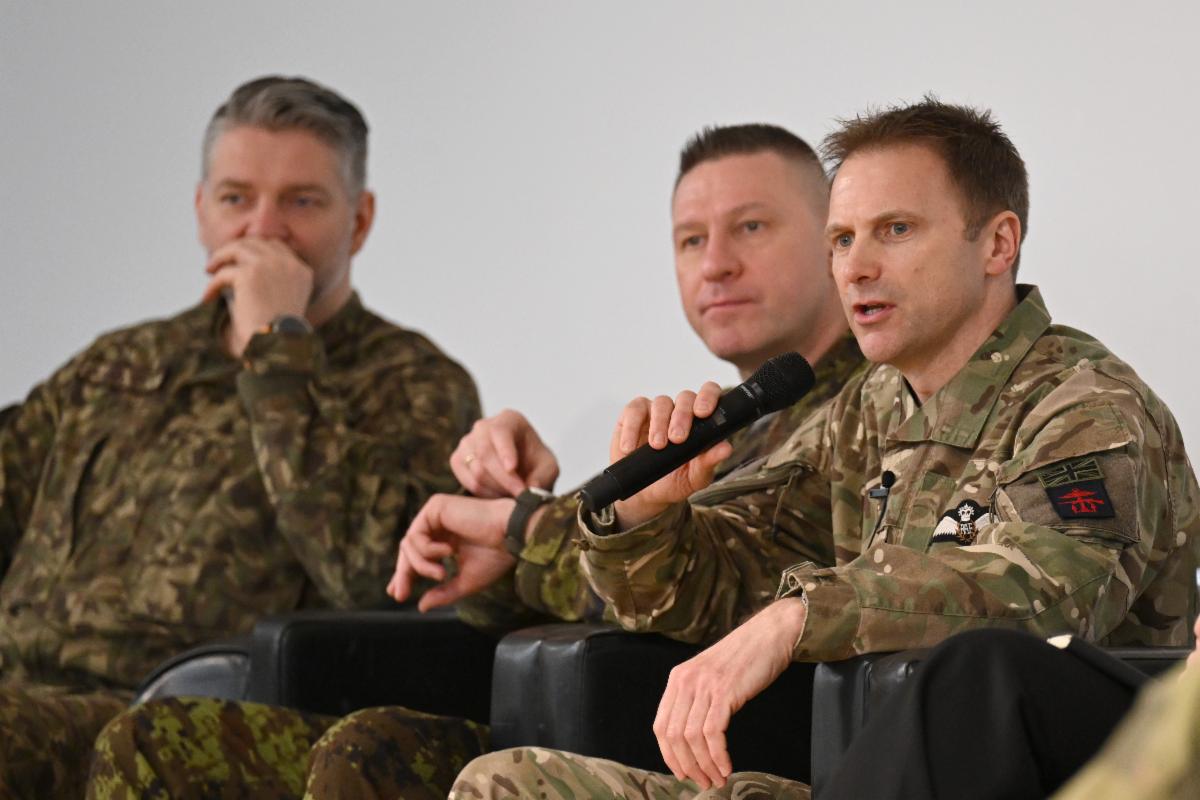
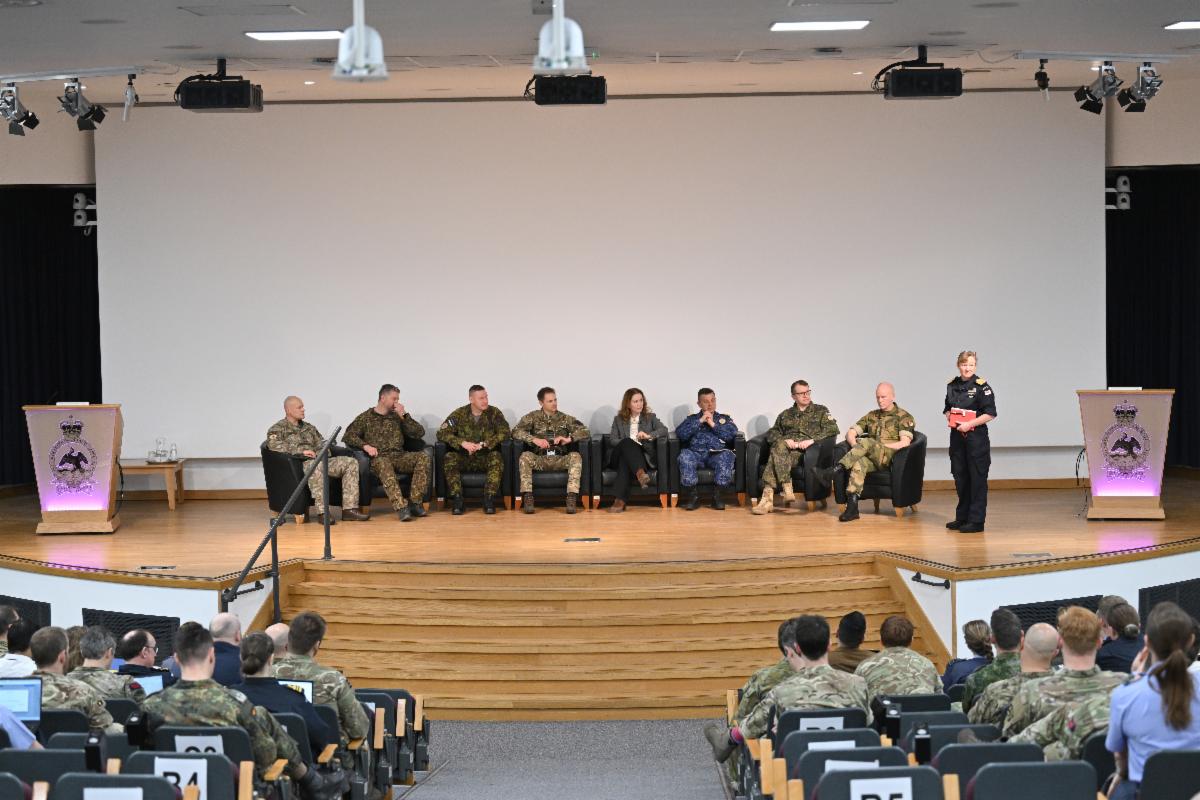
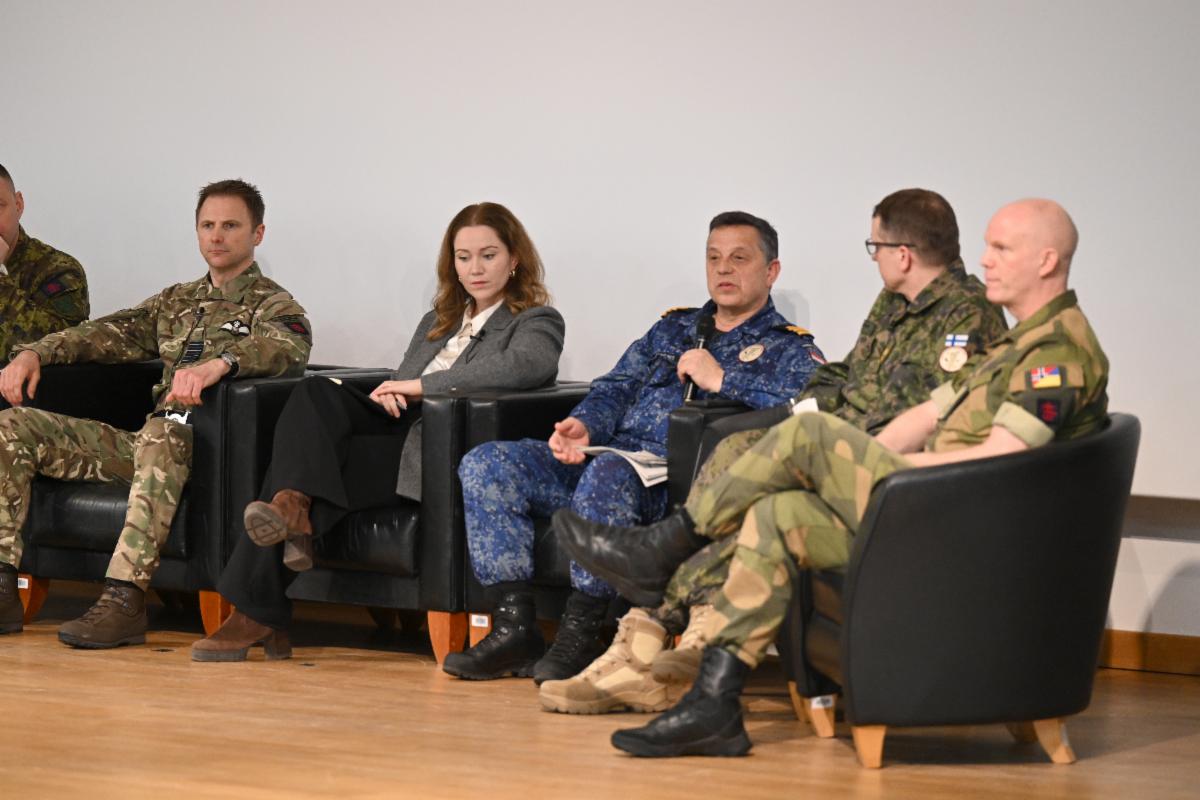
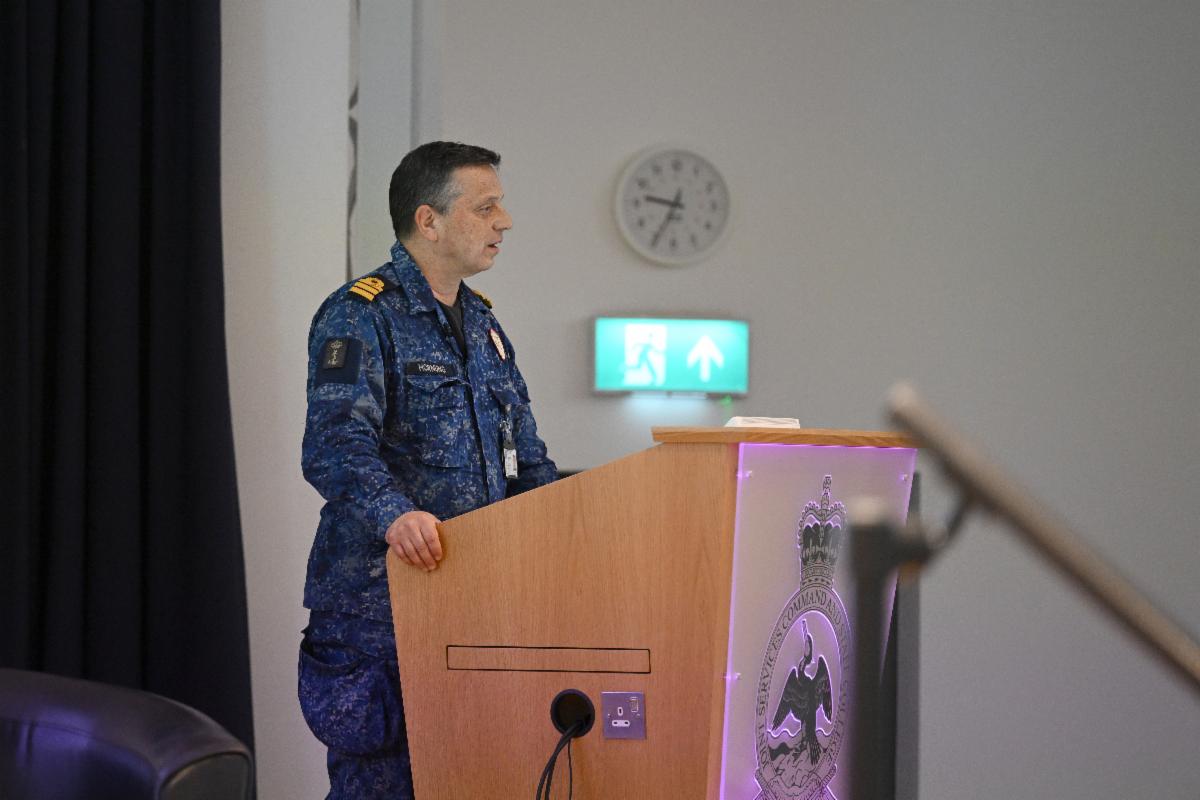
| | | The Advanced Command and Staff College at the Defence Academy of the United Kingdom hosted the JEF Operational Planning Team in February for on opportunity to share insights on the JEF and exchange perspectives with students. | | | |
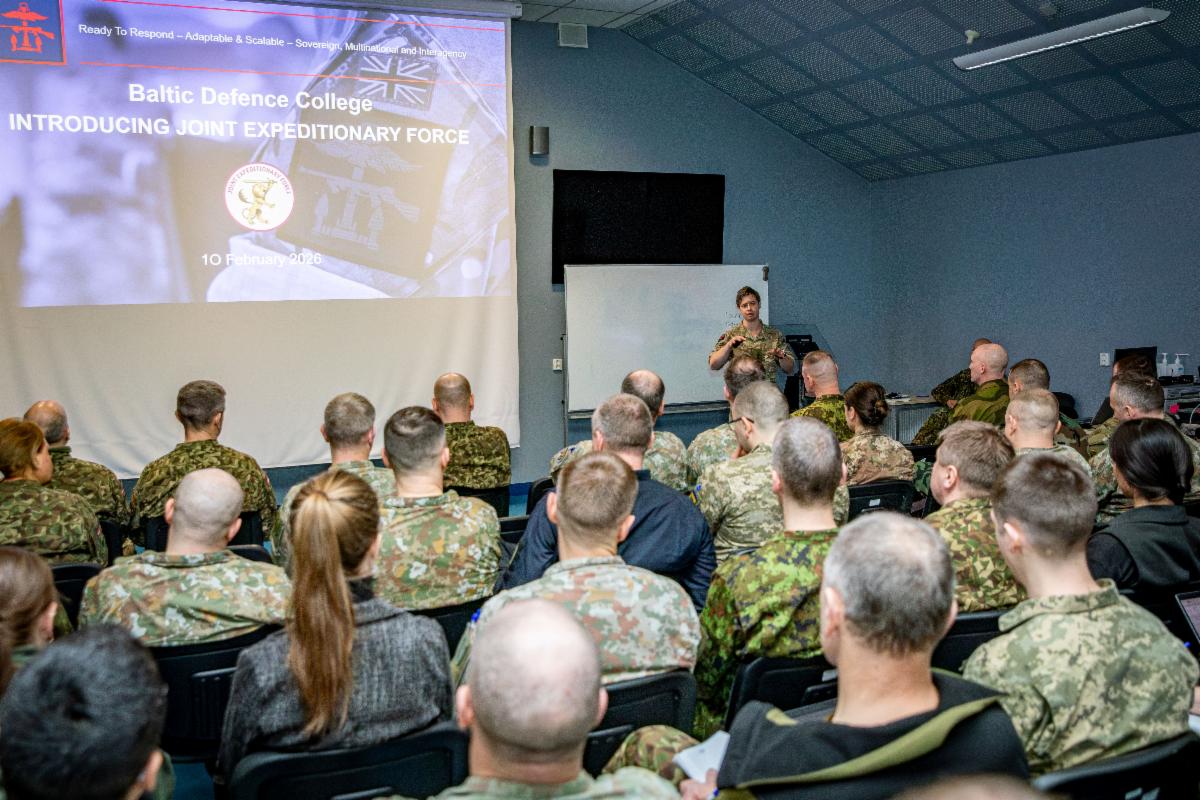
BALTDEFCOL students get an introduction on the Joint Expeditionary Force
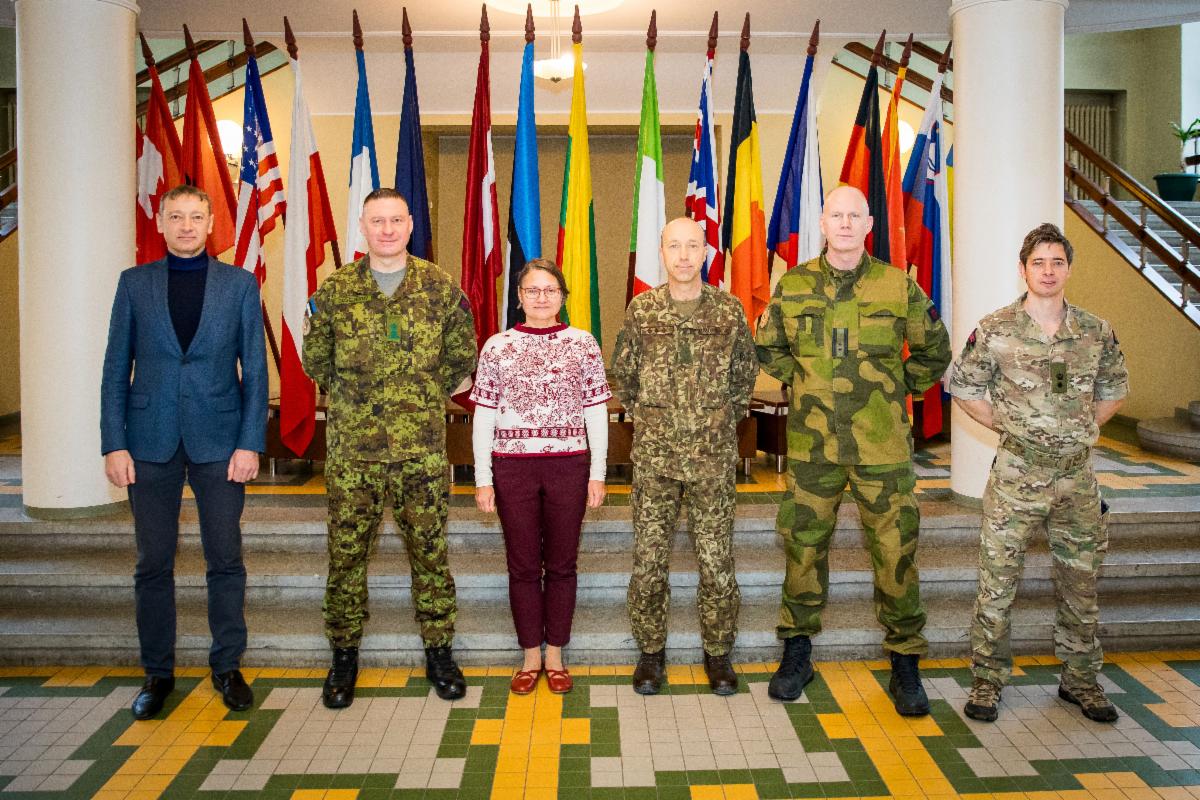
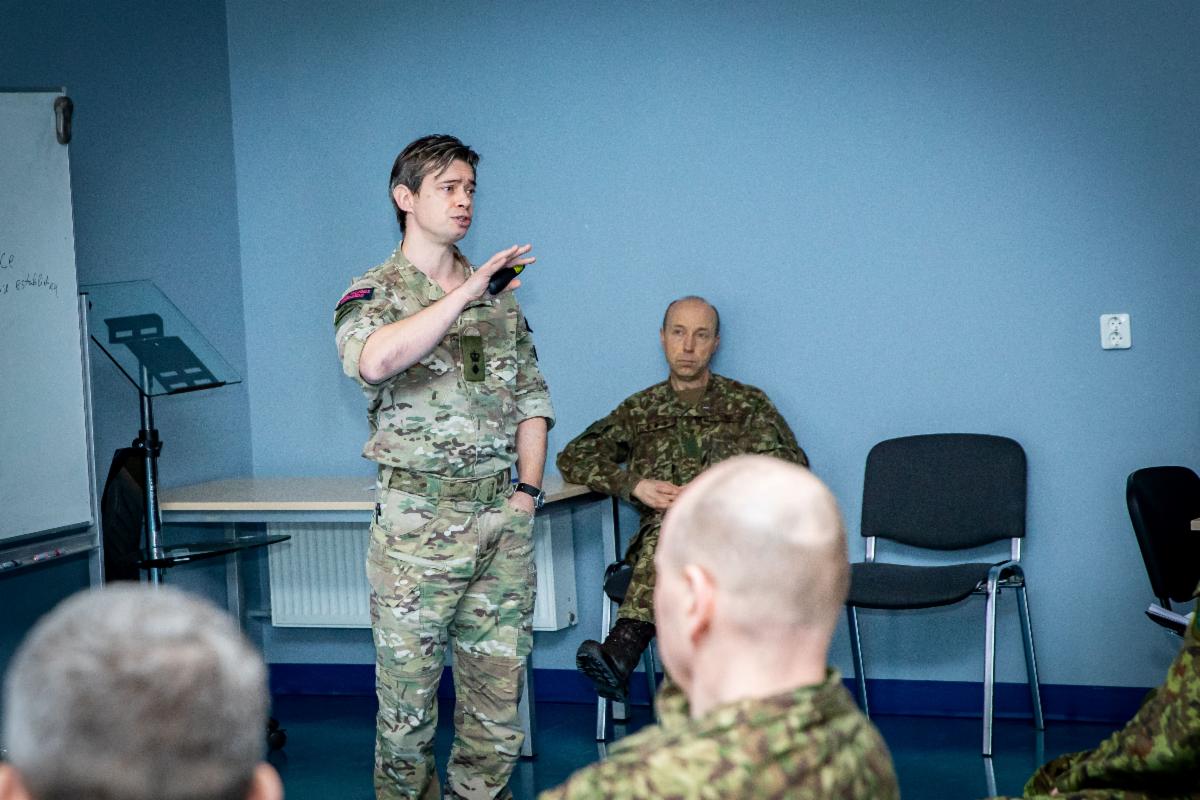
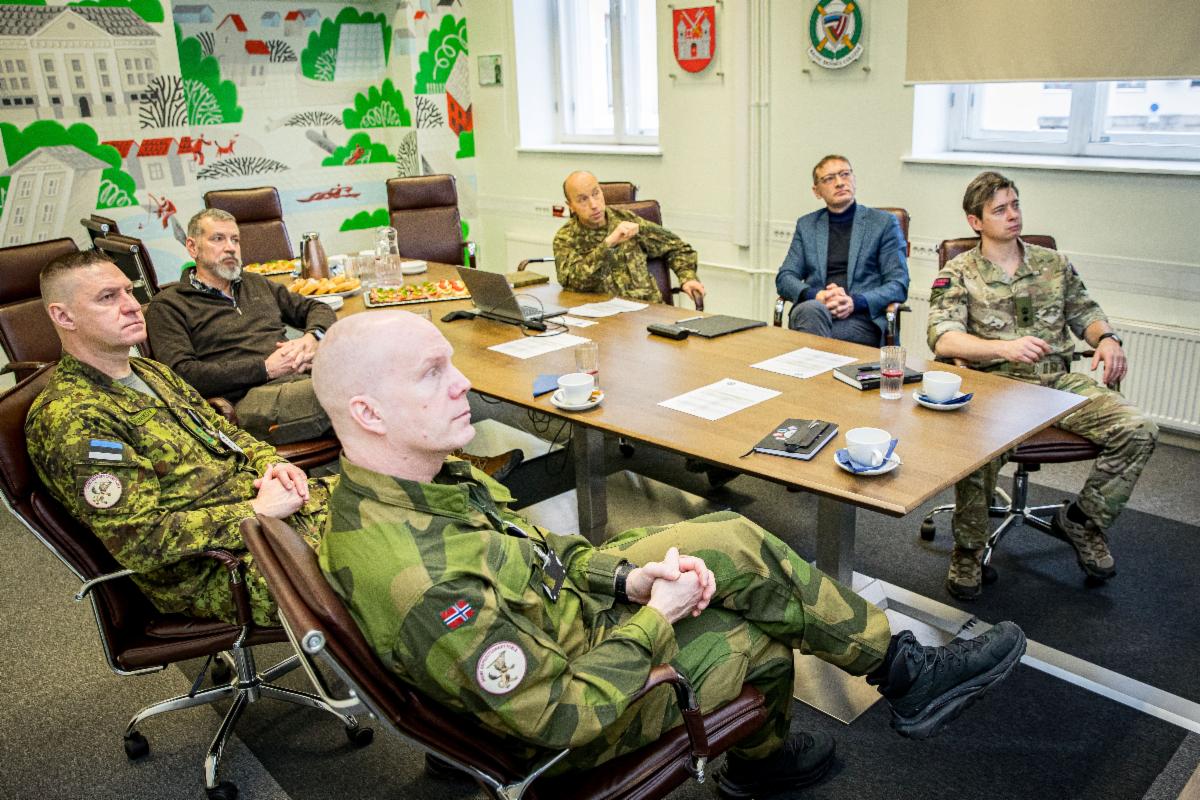
On 10 February, a small delegation from the JEF, Lt Col Sergei Guselnikov (EST), Lt Col Will Searight (UK), and Lt Col Torben Hellem (NOR), visited the Baltic Defence College (BALTDEFCOL) in Tartu, Estonia. The purpose of the visit was to introduce the students of the Joint Command and General Staff Course (JCGSC) to the Joint Expeditionary Force, presenting the topic and answering questions from the audience.
The briefing was delivered in three parts: an overview of what JEF is and its complementarity with National Defence Plans (NDPs) and NATO; JEF’s activities in 2025; and its future opportunities (the Lion series). The delegation was well received by the College, and students were eager to ask insightful questions about JEF. Hopefully, this positive engagement can be repeated next year.
Established in 1999 by the three Baltic states—Lithuania, Latvia, and Estonia—BALTDEFCOL is a NATO-accredited education and training institution. It provides Level 3 and 4 courses to officers, non-commissioned officers, and civil servants from the Baltic states, as well as allied and partner nations. The aim of the JCGSC is to deliver professional military education at the operational level, preparing students for multi-service and multinational joint environments and equipping them to address complex security challenges from Baltic and Euro-Atlantic perspectives.
| | | | |
Reflections on Three Years with the JEF
I have had the privilege of contributing to an increasingly credible and agile instrument of Euro-Atlantic security since joining the Joint Expeditionary Force (JEF) initiative in June 2023, as the UK MOD lead for the JEF senior governance secretariat. Over this period, commitment has increased, with the MOD team expanding from a single post to five, helping shape JEF’s strategic direction, strengthen its utility, and translate political intent into practical military options.
A central achievement has been supporting the articulation and delivery of JEF’s value across three changes of UK Defence Minister, alongside developing JEF Response Options (JROs) and the JEF+ concept into routinely applied, widely understood operational constructs embedded across the JEF and NATO community. We have also helped drive a more intelligence-led approach, aligned to emerging threats, while strengthening governance and policy coherence. The JEF’s non-consensus, ‘opt-in’ model, combined with NATO alignment, remains central to its effectiveness, enabling agility and interoperability among like-minded nations, and increasing in relevance as the geopolitical context evolves.
More recently, advancing JEF–Ukraine cooperation has further demonstrated the framework’s adaptability. This includes enhanced training and interoperability, alongside sustained Ukrainian engagement in JEF governance, including in President Zelenskyy’s participation at some JEF Leader events. This reflects JEF’s ability to respond to changing demands while extending its relevance beyond its traditional focus, without losing its northern European centre of gravity.
Beyond the policy and operational achievements, however, the most striking aspect has been the JEF community itself. It brings together like-minded nations with a shared northern European outlook, which creates trust, cohesion, and a genuinely collaborative approach that is professionally rewarding and enjoyable to belong to. Across policy, operational planning or at a JEF social event, there is a consistent willingness amongst our fantastic international partners to contribute, challenge constructively, and solve problems collectively, making JEF feel less like a coordination forum and more a team.
Reflecting on the past three years, JEF has evolved into a more credible, responsive, and strategically relevant framework. For me, it has reinforced the value of like-minded international partnerships and the importance of having an agile not too overly bureaucratic approach. As JEF continues to develop, its ability to operate and adapt at pace, complement NATO, and respond to emerging threats will remain central to its enduring utility. I am proud to have contributed to that journey.
| | | Upcoming JEF events and activities | | |
Events
JEF Defence Ministers meeting - September 2026
JEF week - October 2026
Activities
LION PROTECTOR - August-October 2026
LION SENTINEL - March 2027
| | The Standing Joint Force Headquarters (SJFHQ) in London operates the Joint Expeditionary Force, as UK is the framework nation. | |
About the JEF
The Joint Expeditionary Force was formally launched as a NATO initiative at the September 2014 Wales Summit, under the then new “Framework Nations Concept”.
The JEF is a framework of ten like-minded Northern European nations focused on mutual support and cooperation. By collaborating, training, and operating together, JEF enhances collective capability and develops interoperability. In turn, through persistent activity and signature exercises, the JEF demonstrates its readiness to act as a collective and whilst being prepared to support NATO as the ultimate security guarantor for the region.
The JEF Participant Nations are: Denmark, Estonia, Finland, Iceland, Latvia, Lithuania, the Netherlands, Norway, Sweden and the UK which is the Framework Nation.
All ten JEF Participant Nations are also members of NATO, with Sweden as the most recent Member State.
All JEF Participant Nations have a Liaison Officer embedded into the Standing Joint Force Headquarters in Northwood, London.
| | | |
Follow JEF on Social Media
#JEFtogether
| | |
|
Copyright Disclaimer: Unless specified, photos published in this newsletter have either been provided by the JEF participant nations' Governments, are available under the terms of the Open Government License, have previously been published on JEFNations Social Media channels, and/or fall under the UK MOD © Crown copyright 2023, published on UK Defence Imagery.
|
| | | |