My Husband Has Died

Q&A with Dr. Robert Neimeyer

crocuses_in_spring.jpg

Dear Dr. Neimeyer,


My husband died just over a year ago, so on January 1st I will start my second year without him, and I am not looking forward to it. It's not that I am immobilized by grief, as I have gotten better across the months in that department, and actually feel pretty good and function pretty well when I am visiting our children across the country or traveling with friends. It's just that I feel lost and listless at home, even though there are 100 things I need to be doing—from cleaning out closets to straightening the garage to finding something to do with my time. But it all just feels overwhelming, and so I just watch TV or curl up in bed.


My friends tell me I have to stay busy, but it's not that easy. So my question is, do you have any practical advice for me so I can turn over a new leaf in the year to come?

—Phyllis


Dear Phyllis,


There's a reason for the season, as they say, as the dawning of a New Year, if approached thoughtfully, can signal a time of renewal. It sounds like you have processed your grief and retained a capacity to live well and stay connected to others—at least when not at home. So perhaps with the turning of the calendar page you can also, as you say, turn a new leaf and cultivate the new shoots of possibility that may be germinating beneath it. Here are a few principles to guide your practice as you do so.


1. Reinvent your world. As your home seems to be your "Twilight Zone," consider brightening it in some way. You might literally introduce translucent and airy window treatments, for example, or experiment with new lights in the rooms in which you spend the most waking hours. Change things up: Rearrange the furniture to create a different feel to the space, paint a room. There are home designers who specialize in working inexpensively with what you already own to create a fresh environment that can surprise and delight by configuring existing furniture and decor in different ways. It can be surprising what a difference a modest change in our living space can make.


Random behavior doesn't make

for a meaningful life.


2. Invite people in. Especially if you try any of the above tips, but even if you don't, have a few friends over for hors d'oeuvres or desserts, to "reclaim your space" for the life you want. Perhaps you can even throw a "house re-warming" party, after the chill cast over the home by your husband's death. Set a trend with this, perhaps rotating monthly among the homes of those in your friendship circle and rebuild bonds where these have grown frayed from neglect.


3. Set process goals. Life requires maintenance, of course, and not all tasks are as potentially eye-catching as remodeling your living room. So, when tackling that garage or closet, or even the routine and "invisible" tasks of cleaning bathrooms, paying bills, and the like, set a timer or play a series of favorite songs to mark 15 or 30 minutes, during which you'll stay on task, giving yourself permission to discontinue when the time is up. You can always return to the task the next day for a similar interval until the job gets done. Setting this sort of "process goal," rather than only giving yourself "credit" for completion, can help you side-step unfair self-criticism and overcome task avoidance as you make incremental progress.

Many of us keep a To-Do list,

but the problem is that as the

list becomes long, our feeling

of being overwhelmed grows large.


4. Track your successes. Many of us keep a To-Do list, but the problem is that, as the list becomes long, our feeling of being overwhelmed grows large. And this is understandable: if we were presented with a warehouse full of food that we had to eat in our lifetimes, most of us would give up before taking the first bite! Instead of listing everything that needs attention, keep a list of tasks accomplished, and post it on the refrigerator or in some other prominent space. The results can then serve to encourage rather than discourage future initiative.


5. Live your values. The idea that "staying busy" is good for grievers is only a half-truth. As with psychologists who recommend "behavioral activation," everything hinges on what you get active doing.


Random behavior doesn't make for a meaningful life. Nor is generic advice (get some exercise, go out with friends) specifically helpful to us when we are trying to figure out what kind of life might take shape in the emptiness created by loss. So begin with some inner work, perhaps in meditation or contemplation, perhaps in journaling or conversation with a counselor or trusted friend.


Ask yourself: What matters to me? What excites me, stirs me, feels like time well spent? What are my ultimate values, and how can those inform my choices? Perhaps you value altruistic service to others: What volunteer organization reaches out in a way you can support to those in need? Perhaps you value learning: Is there a book club or meet-up group you can locate on the internet to share ideas about works of creative non-fiction, or to go on educational outings? Perhaps you value creativity: What art classes are offered in your area? In other words, connecting scheduled activities to deep interests can help you begin to reconstruct life in the wake of loss, in a way that reorganizes your life and time into a satisfying, even if different form than before.

About Dr. Neimeyer


Robert A. Neimeyer, Ph.D. is one of the foremost authorities on grief and bereavement. He is a Professor of Psychology at University of Memphis where he also maintains an active clinical practice.


Dr. Neimeyer has published 30 books, including Techniques of Grief Therapy: Creative Practices for Counseling the Bereaved and Grief and the Expressive Arts: Practices for Creating Meaning. He also serves as Editor of the journal Death studies. The author of over 500 articles and book chapters, and a frequent workshop presenter, he is currently working to advance a more adequate theory of grieving as a meaning-making process.

Dr. Neimeyer served as President of the Association for Death Education and counseling (ADEC) and Chair of the International Work Group for Death, Dying & Bereavement. In recognition of his scholarly contributions, he has been granted the Eminent Faculty Award by the University of Memphis, made a Fellow of the Clinical Psychology Division of the American Psychological Association, and given Lifetime Achievement Awards by both the Association for Death Education and Counseling and the International Network on Personal Meaning.


The griefHaven Method™


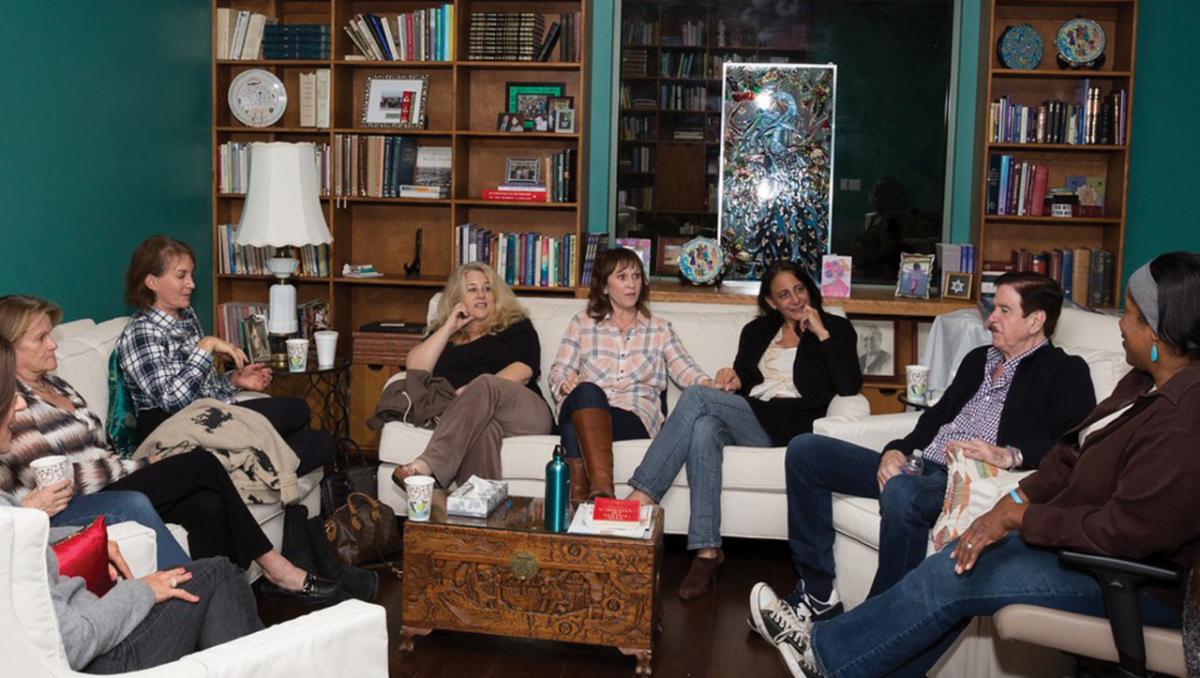
Our support groups are more than talk groups. Each group is a specialized grief “program” that provides you support in all areas impacted by your loss. You will also go through your grief journey with others who have experienced the same loss. All groups are facilitated by either licensed and/or trained professionals.


Donate to griefHaven

Without donations, griefHaven would no longer exist. We are dependent upon the generosity of those who give so that we may continue providing love, education, and support to those in need.

DONATE NOW

This is griefHaven

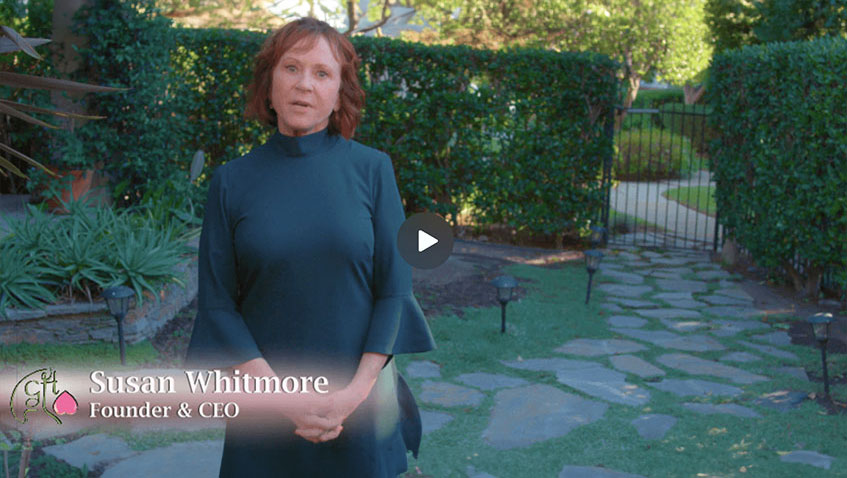
Who is griefHaven? What does griefHaven do? Watch this short and informative video to hear the answers.

WATCH VIDEO
 

Support Groups

Our support groups are safe, healing, and informative places to be. It doesn’t matter where you live. We provide in-person groups (Los Angeles only) and Zoom groups around the world. Private/closed groups by losses include: CHILD LOSS, SPOUSAL LOSS, SIBLING LOSS, and PARENT LOSS.

LEARN MORE
 

Bulletin Board


New Spousal Loss Group: Los Angeles only. This in-person group is now closed. Contact us to get on the waitlist for a new group to start.


New Child Loss Group: Current group is full. Contact us to be put on the waitlist.


New Parent Loss Group: Everywhere. Two new parent loss groups will be starting soon: one in person in Pacific Palisades and one by Zoom.


New Gala Information:

Watch for new information about our November 3 gala and details about our surprise guest!


To inquire about groups or other information, please contact us at hope@griefHaven.org.


Packet of Hope

Order a free Packet of Hope for yourself or someone you care about. Packet includes information for the griever and the supporter.

ORDER A PACKET

Portraits of Hope Documentary Film

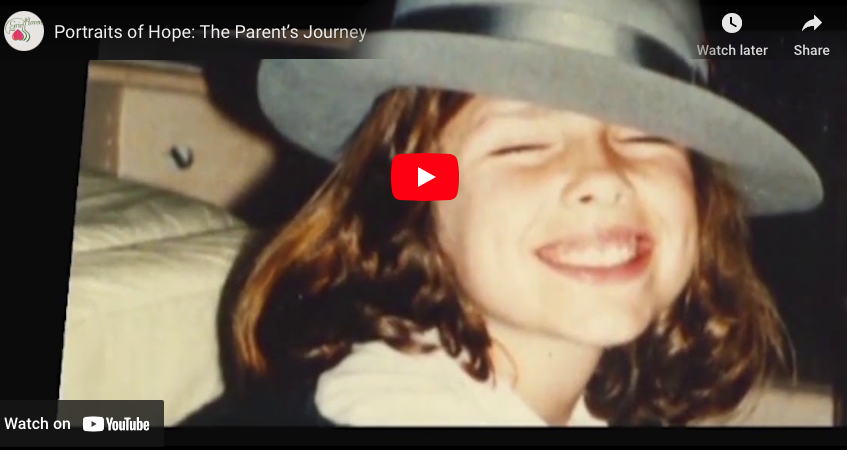
Watch the documentary film Portraits of Hope: The Parent’s Journey.

WATCH HERE

Grief Pins

For the person who is grieving, a grief pin makes a loving gift. For volume discounts, email hope@griefHaven.org or call (310) 459-1789

LEARN MORE

What to Say; What Not to Say

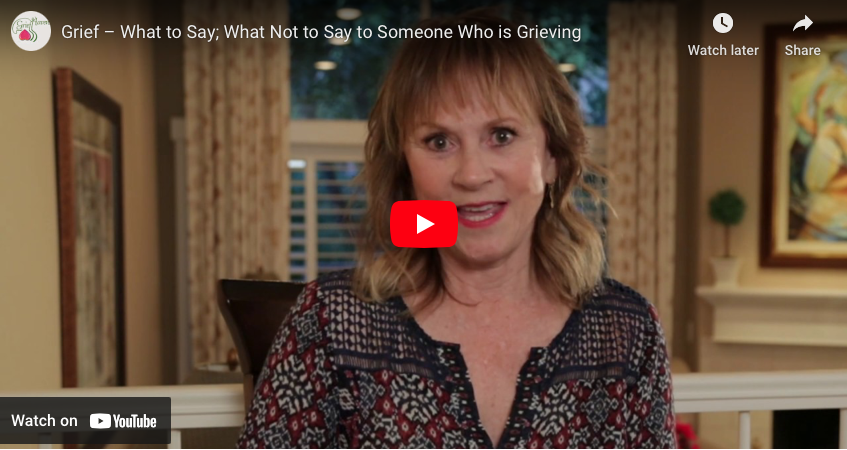
What to Say; What Not to Say to Someone Who is Grieving.


Not sure what to say to someone who is grieving? That's okay. We've got you covered. Watch this for some guidelines.

WATCH HERE

Now You Know™

Here we provide brief, thought-provoking and useful educational information videos regarding loss, life, and ideas we feel will help you live a better life. New shows added regularly.

WATCH HERE

In Loving Memory Room 

Visit our “In Loving Memory” room dedicated to sharing your loved one with others and keeping their memory alive. Contact us if you would like griefHaven to create a special area for your loved one.

VISIT MEMORY ROOM

Love Wall

Visit the "Love Wall” that honors all those who have generously supported us. All griefHaven donors receive a tile. THANK YOU TO ALL OUR DONORS!

VISIT LOVE WALL

Newsletter Archive

Visit our archive of all past newsletters. We know you will discover new ways of understanding life’s ups and downs, as well as coping strategies to help you as your journey through.

READ PAST NEWSLETTERS
 

Visit Our Website

Web
 
Facebook  YouTube  Email