The ATLA resource center is currently closed due to the COVID-19 pandemic. Staff members are working remotely during normal business hours. |
|
Low-Tech Communication Aids |
|
AAC is short for augmentative and alternative communication and pertains to how someone communicates besides speaking out loud. Augmentative means ”to supplement,” or add to someone’s speech, such as facial expressions or pointing. Alternative means “instead of,” it includes items that completely replace verbal communication, such as a communication device or iPad. AAC may be used throughout someone’s life or for a short time, depending on the circumstances.
AAC is used to express needs and wants, exchange information, create social closeness, build relationships, and engage in social etiquette. There are many considerations for choosing the best AAC system or systems, including the individual's current communication skills, cognitive abilities, vision and hearing skills, physical abilities, and behavioral considerations. Communication is a fundamental human right; speech difficulty does not mean someone does not have something to say. AAC is the medium through which an individual can express their autonomy.
What are the different types of AAC?
- No-tech AAC is communication that doesn’t require additional equipment. All of us communicate using no-tech AAC every day. It includes body language, pointing, gestures, facial expressions, or sign language.
- Low-tech AAC requires additional equipment but does not use a battery. This category is picture symbols, communication books, core vocabulary boards, and letter boards.
- High-tech AAC systems are the most expensive but are also the most robust because they allow individuals to access a more extensive vocabulary and more options.
Everyone requires a different system or combination of methods to communicate. Some may benefit best from only no or low-tech options, while others may prefer high-tech as their primary system with low-tech systems as a backup. For today, we’re going to discuss examples of low-tech AAC communication aids that can be used from every day to only when needed.
|
|
Examples of Low-Tech Communication Aids |
|
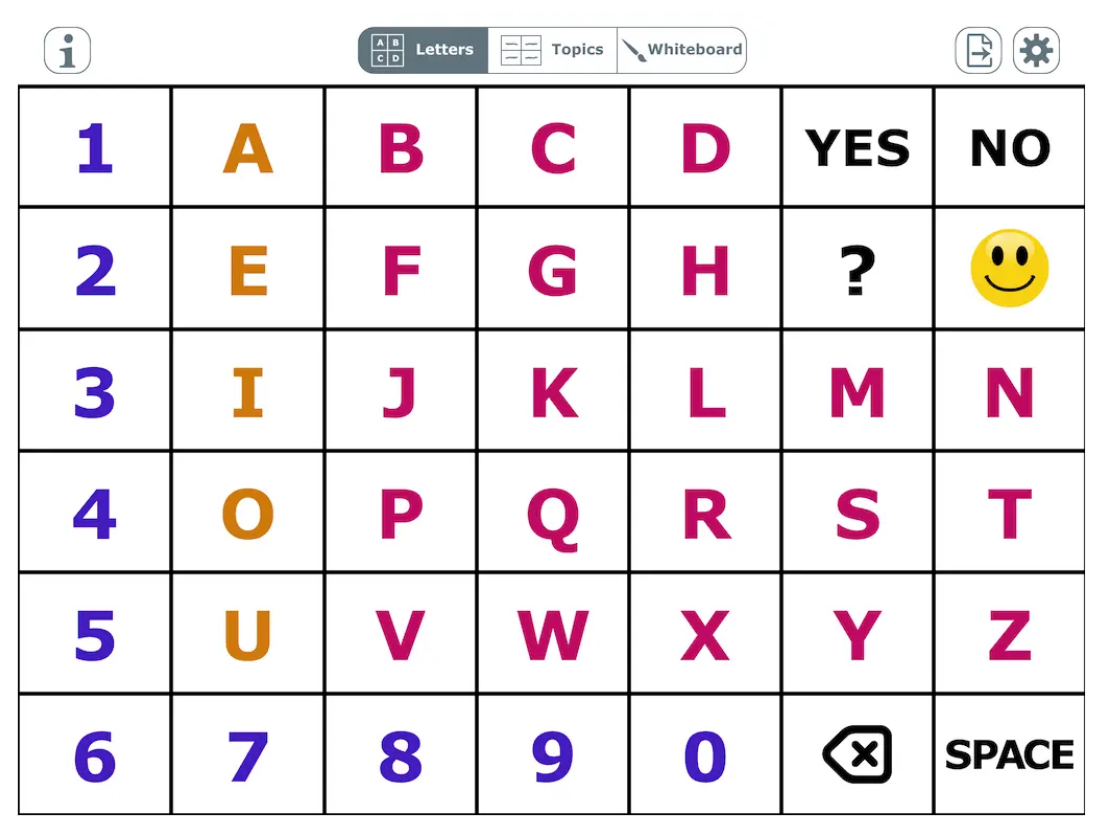
Alphabet Board
An alphabet board is just how it sounds. An individual can point to letters or numbers to spell their message for a communication partner.
|
|
|
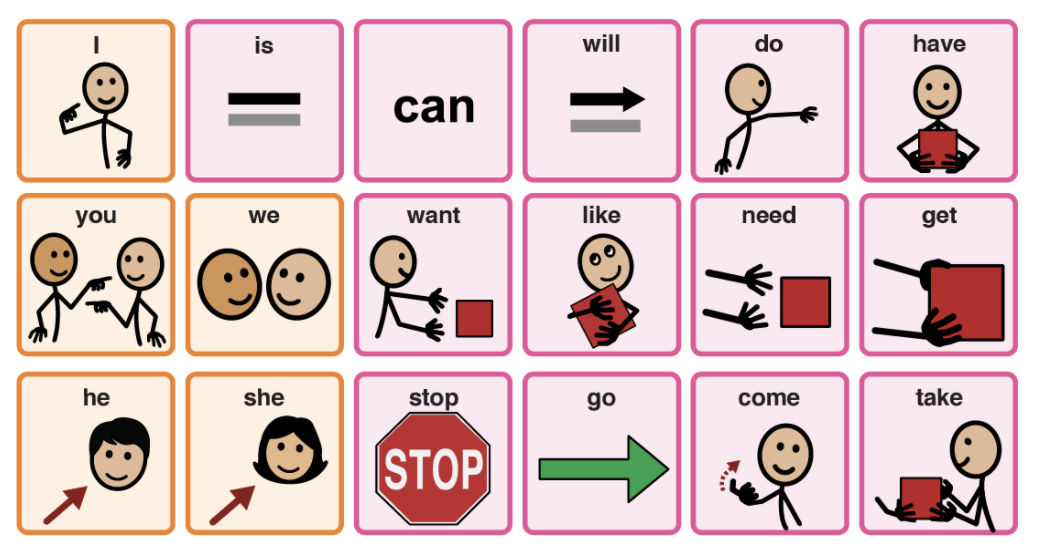
Core Word Board
Core words make up about 75-80% of the words we use every day. These boards consist of high-frequency words that can be used in various situations and communication partners.
|
|
|
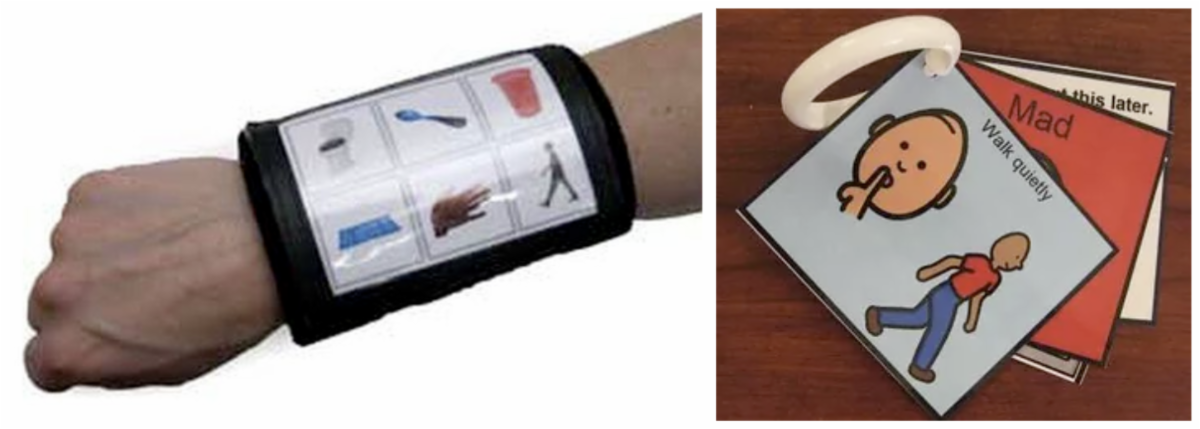
Picture/Symbol Systems
This option can be individual symbols, a small variety of highly used words, or a board with selected symbols. The important part is that there is easy access to the system. Some may benefit from a keychain with single, larger, laminated symbols, while others may find an armband with a smaller display more accessible. These systems can be designed with both core and fringe words. The wristband system is available as a part of our TechAbility program.
|
|
|
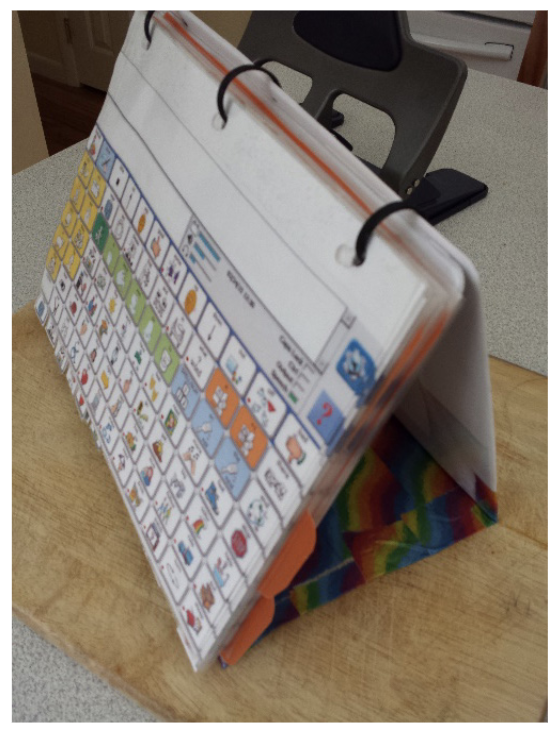
Communication Board
A communication board is multiple pages of symbols. If an individual uses a high-tech system, taking screenshots of the application pages to print and laminate then combining in a binder offers a simple way to move from their high-tech to low-tech system.
|
|
|
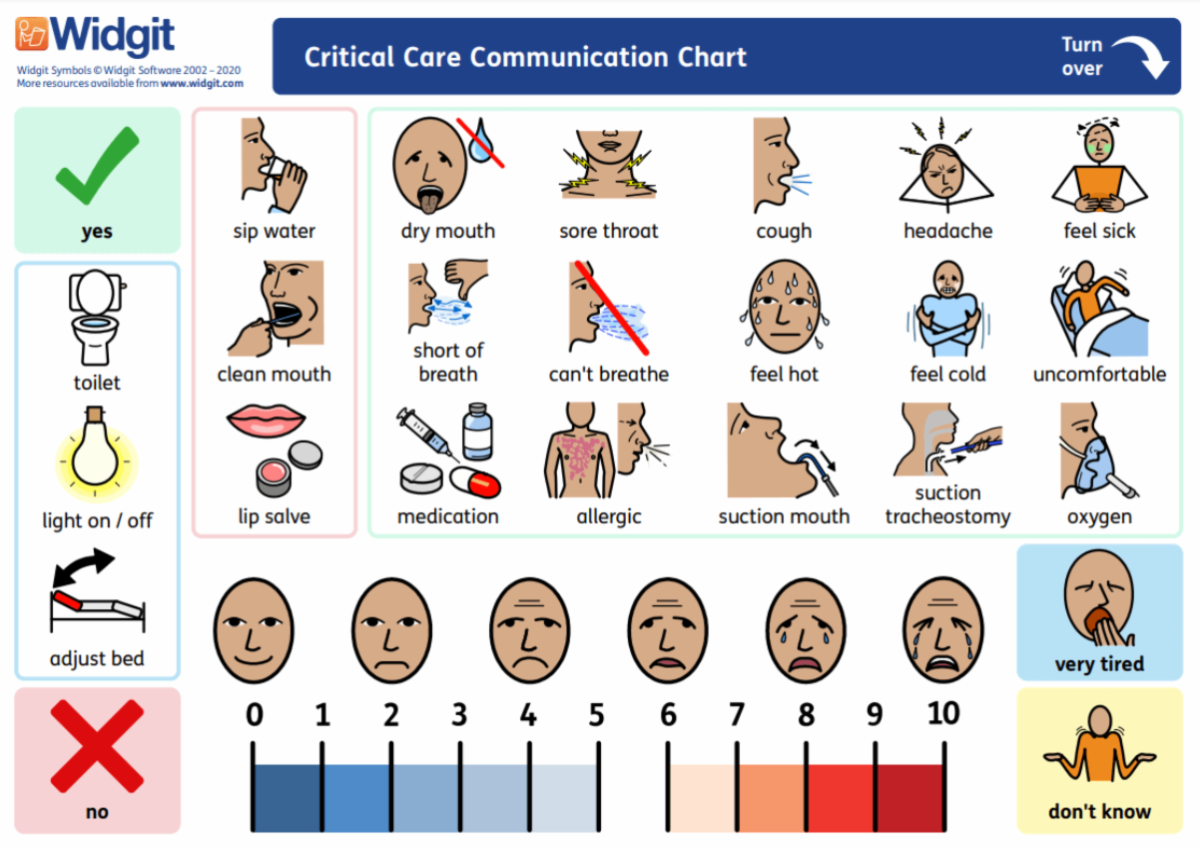
Emergency Preparedness Board
These systems can be added to an emergency go-bag if an individual's regular system doesn't have the necessary options available or their high-tech system is not charged. In addition, the individual can communicate with emergency professionals about their pain level, feelings, and needs.
|
|
|
If you or someone you know requires AAC, ATLA can help you understand your options and educate you on the many ways you can access AAC. Working with a Speech-Language Pathologist (SLP) is highly recommended as they can help find the right AAC system or systems for you. If you are beginning your learning journey, the American Speech-Language-Hearing Association has many articles providing in-depth information on AAC. Their website also includes a “Find a Professional” tool to help you find an SLP near you.
Check out our February Staff App Picks for information on apps on AAC. However, October is AAC awareness month, and many apps will go on sale even up to 50% off.
|
|
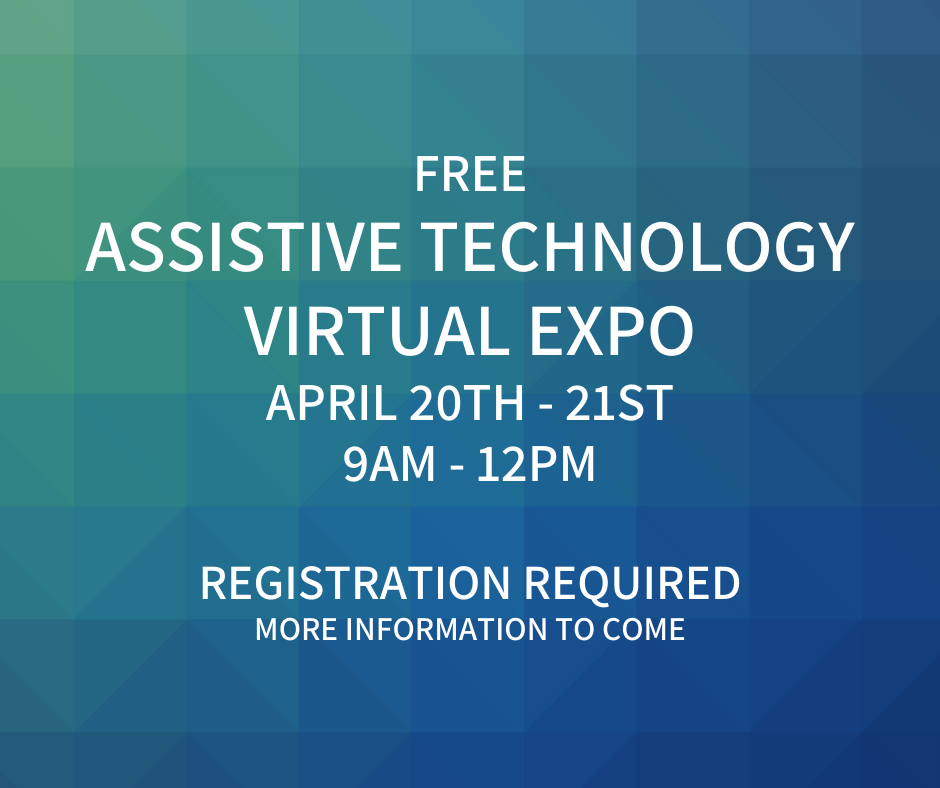
Join us for this free Assistive Technology Expo from 9 AM - 12 PM on Wednesday, April 20th, and Thursday, April 21st. People with disabilities of all ages, their family members, professionals working with such individuals with a disability, and anyone interested in learning about assistive technology (AT) are all welcome to join. Prizes will be provided to attendees at the end of each session. Attendees must be present to win.
The sessions will either be 25 minutes or 50 minutes exploring AT devices and services for people with a wide range of disabilities. The focus will be on AT for employment, education, and community living. A complete session schedule will be provided shortly.
Anyone interested in participating must register to receive the confirmation email and other details. All are welcome.
|
|
Visit the iPad Resource site and find tips, tricks, training videos, website resources, and some of our staff's favorite applications (apps) on this site. If you're not sure what apps are, there's a video for that! The resources are organized by the iPad user's level of beginner, intermediate, and advanced.
We have recently added a Support page for troubleshooting common problems iPad users may face.
|
|
Join other people with disabilities, caregivers, parents, and professionals!
Keep up-to-date on the latest assistive technology topics!
|
|
iPadⓇ, AppleⓇ , iPhoneⓇ, and iOSⓇ are all trademarks of Apple Inc.
You are receiving this email because of your relationship with or interest in Assistive Technology of Alaska. Should you receive this message by mistake, please click "unsubscribe" below.
|
|
|
|
|
|
|