|
Q. You've made it your personal goal to foster an appreciation in others for the Lowcountry landscape through exploration and discovery. Why is it important for people to understand and appreciate this aspect of the Lowcountry?
Appreciating nature in any location is important and when we decide to call a place home, the more we educate ourselves and know about our surroundings the more we appreciate, value, and want to protect it. We all fall in love with the unique natural beauty of the Lowcountry, so preserving that when we move here should be important. When meeting those new to the area or long-time locals, we emphasize things like keeping things natural versus clear cutting and removing trees and ways to live safely with our wildlife by understanding their behavior, such as with our alligators and snakes.
Q. You're a former educator, so it's not surprising to see that you also offer a free Pre-K through 12th grade classroom curriculum on your website. What will children learn from your curriculum and how can they apply it to their daily lives?
Our children’s programs are called "What’s Wild" and my colleague Mollie and I are passionate about providing opportunities for kids and their families to be outdoors learning, exploring and experiencing nature. With an underlying theme of interconnectedness and patterns in nature, we tie in history and culture along with art, science and math. We work with local schools, homeschool groups, and private family excursions.
Q. The Lowcountry is well known for its natural beauty. Of the various tours and excursions you offer, which provides your guests with the jaw-dropping, "wow" moments that they'll always remember?
Sometimes the most simple things are the experiences that end up being "jaw-dropping" moments and inspire awe with our surroundings. Providing experiences for people to explore places on land and by water and sharing things they may not have thought to look for is so much fun for everyone. Our Eco-boat tours, for example, point out something as understated as an oyster spitting water just as they become exposed on an outgoing tide or a more dramatic event of witnessing strand feeding from our local dolphins. From land, exploring the beach and salt marsh and pointing out behavior of different snails and crabs and underground dwelling critters that you may have walked right over. We give people experiences that deepen their appreciation and understanding of our unique ecosystem, and then they can go out on their own and bring family and friends back to share what they’ve experienced.
Q. As a Certified Master Naturalist, your learning likely never stops. What's the most interesting thing you've learned recently about the Lowcountry's wildlife or its ecosystems?
Having a career where learning something new happens every day is amazing! I learn from fellow Naturalists, as well as people I meet at our events especially when we're asked questions we don't know the answers to and we find the answers. Most recently while working on our newest presentation, our research focused on the amazing adaptations of our wildlife and I learned quite a bit about mating behavior and reproductive specialties, so that was fun to find facts I hadn’t come across before!
Q. What's that one hidden gem that residents and visitors to the Lowcountry shouldn't miss the next time they're looking for something to see or do?
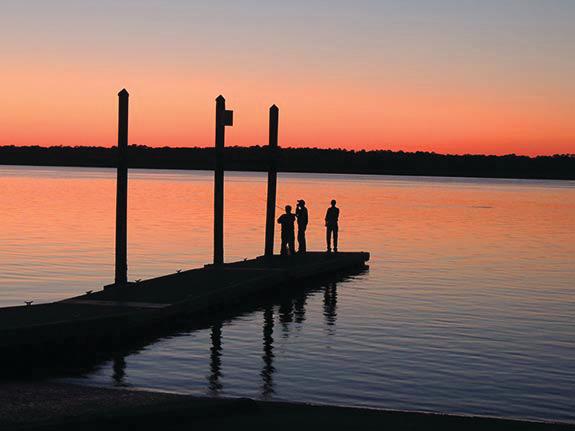
It’s definitely hard to choose, but I have to say the place I recommend the most is the Port Royal Cypress Wetlands. The fall and winter months at sunset offer spectacular views of our local bird life coming into roost for the night, and spring can’t be beat for up close views of the incredible amount and variety of nesting birds.
Q. Any final thoughts you would like to share with our readers?
It’s truly my passion to encourage everyone to experience the outdoors and nature with all it has to offer. From your physical health, to emotional and spiritual well-being, there’s “Moore to Life outdoors, so dare to live it!”
|