|
Massachusetts Issue | June 2026
Volume 11, Issue 2
| | The Hidden Cost of Age Discrimination | | |
Nearly six decades after the Age Discrimination in Employment Act, age discrimination remains a persistent barrier. AARP research found that two-thirds of workers over 50 see or experience workplace ageism—a number that climbs even higher among African American, Hispanic, and Asian American professionals.
The consequences are immediate and serious. Unconscious bias can quickly spiral into financial instability. Rather than an outright refusal, ageism usually looks like a resume that never gets a callback or a culture where older employees are quietly sidelined from training and advancement.
This toll extends beyond individual workers. Research by AARP and the Economist Intelligence Unit estimates that age discrimination could cost the U.S. economy $3.9 trillion by 2050. This staggering loss represents the economic impact of qualified older individuals being completely locked out of the job market through involuntary retirement or extended unemployment. When experienced workers are left on the sidelines, businesses lose out on massive productivity, and the entire economy loses out on trillions in potential economic growth.
Programs like MaturityWorks are changing that narrative, connecting skilled older adults with forward-thinking employers who understand that experience is a premium asset, not a liability.
Source: AARP
| | How a Positive View of Aging Adds Years and Keeps You Vital | | Broadcast Retirement Network Interview Association of Healthcare Journalist Liz Seegert to unpack how mindset shapes aging. Learn the research-backed link between positive views of aging and longer, healthier lives, the workplace dynamics between generations, and practical steps to prioritize mobility, cognition, and planning for a longer, better third act. | | The Ultimate Workplace Superpower: Why Soft Skills Give Older Workers the Edge | | |
When talking about hiring, it is easy to get caught up looking for the newest technical skills on a resume. But the traits that keep a business running smoothly such as resilience, leadership, and a level head, can’t be fast-tracked. They take time to develop, and that is exactly where older workers shine.
For employers trying to build a strong team, mature professionals bring a massive advantage through their everyday soft skills. They don't just get their own work done; their experience helps elevate the whole workplace culture:
-
Communication: Decades of experience mean mature workers excel at active listening, clear collaboration, and navigating different personalities smoothly to keep team morale high.
-
Problem Solving: Having seen all kinds of workplace challenges over the years, older professionals don't panic when things go sideways. They bring a practical perspective that helps them find solutions quickly.
-
Work Ethic: A long career builds a deep sense of professional pride. Older workers bring a focused, dedicated approach to their daily tasks, setting a great example for the rest of the team.
-
Dependability: Mature talent brings a strong sense of stability and reliability to an organization. Employers can count on them for consistent performance, which significantly cuts down on costly turnover.
Software and digital tools change constantly and can be taught to anyone. But the personal skills that make a workplace actually function well take a career to build. Looking at mature talent as a major asset isn’t just a nice thing to do—it is a smart move for any business that wants a stronger, more reliable team.
Source: BrightMine, Vantage Aging
| | |
Participant Spotlight: Success in Action |
| |
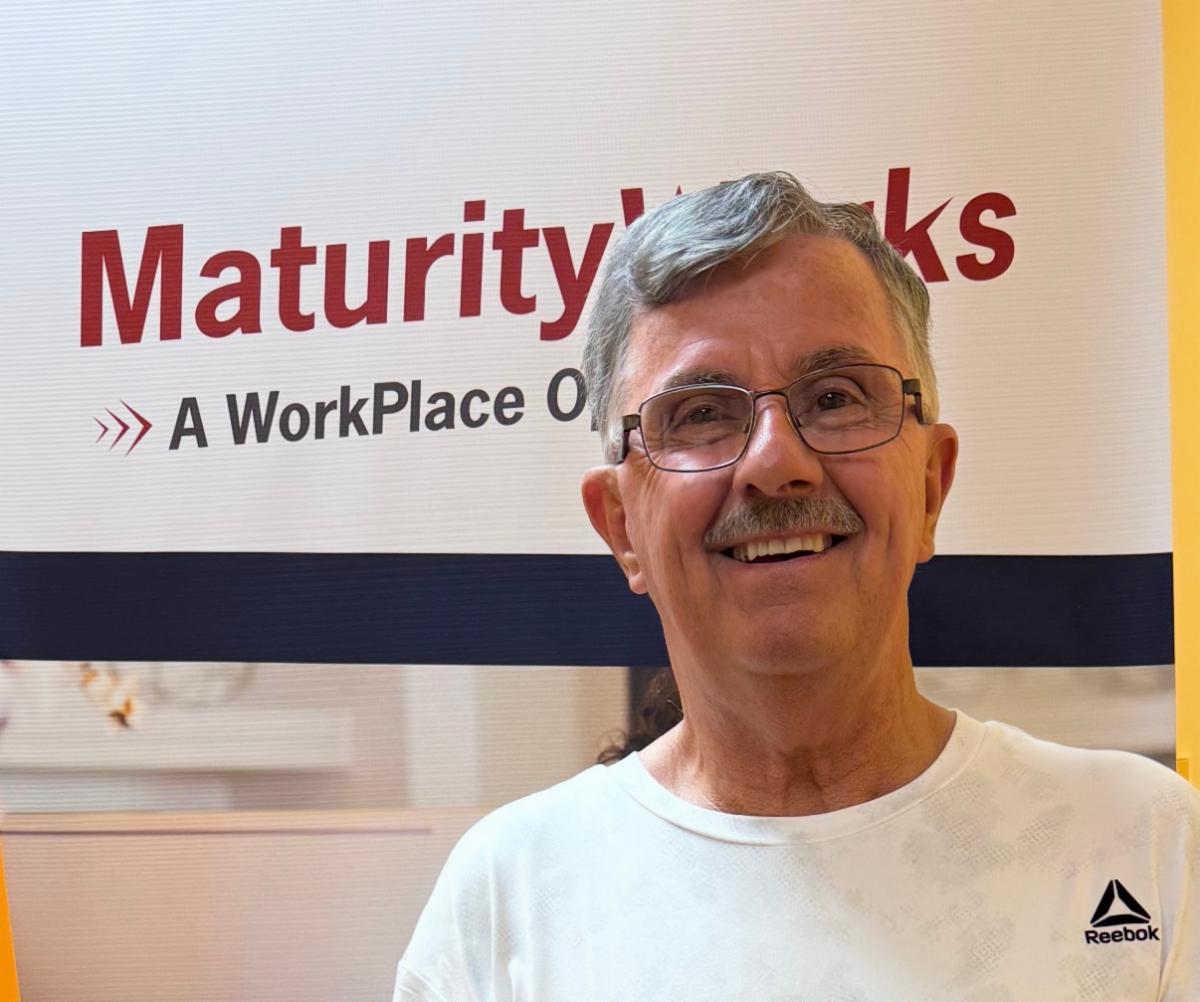
When John Johnson enrolled in the MaturityWorks program in June 2023, he faced significant barriers to employment. At 68 years old and experiencing homelessness, he struggled to find work and believed age discrimination was limiting his opportunities. Although his background was primarily in driving, John wanted to transition into a role where he could help others in his community, particularly individuals experiencing homelessness. However, he had no experience in social services and very limited computer skills.
Through MaturityWorks, John was placed at The Salvation Army in Cambridge, Massachusetts, as a Shelter Aide trainee. Determined to succeed, he took advantage of every training opportunity available, including social services, basic and advanced computer skills, client de-escalation, CPR, First Aid, and other job-related trainings. These experiences helped him build the skills and confidence needed to pursue his career goals.
Today, John has overcome many of the barriers that once seemed insurmountable, including homelessness. He now has stable housing and was hired by The Salvation Army as a Shelter Staff member, a position he continues to hold. John credits MaturityWorks and The Salvation Army with providing the opportunity, training, and support that helped him transform his life.
| | | |
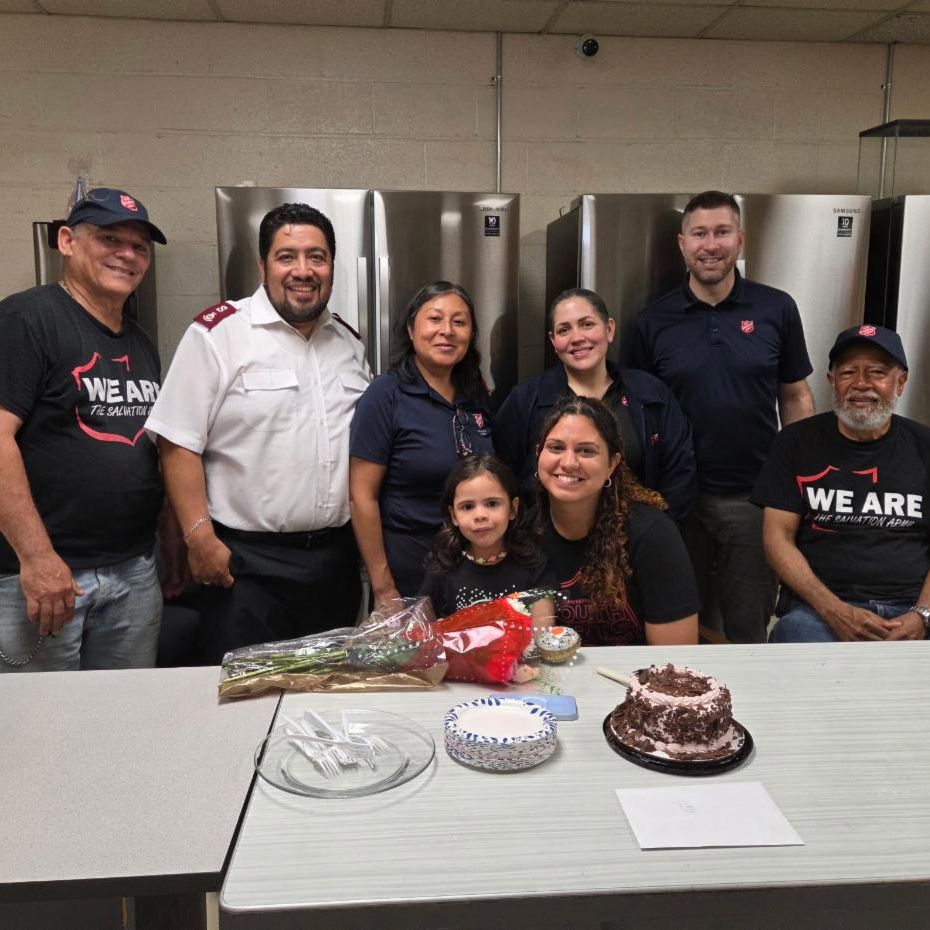
The Salvation Army Lawrence Corps Community Center serves as a vital resource for the Lawrence community, providing food assistance, youth development programs, mentorship, family support services, after-school activities, and summer camps. Through these services, the organization helps address food insecurity, supports families in need, and creates opportunities for community members to thrive. As a valued MaturityWorks host agency partner, The Salvation Army also provides meaningful hands-on training opportunities for older adults seeking to reenter the workforce. Participants gain real-world experience while contributing to programs and services that make a positive impact in the community.
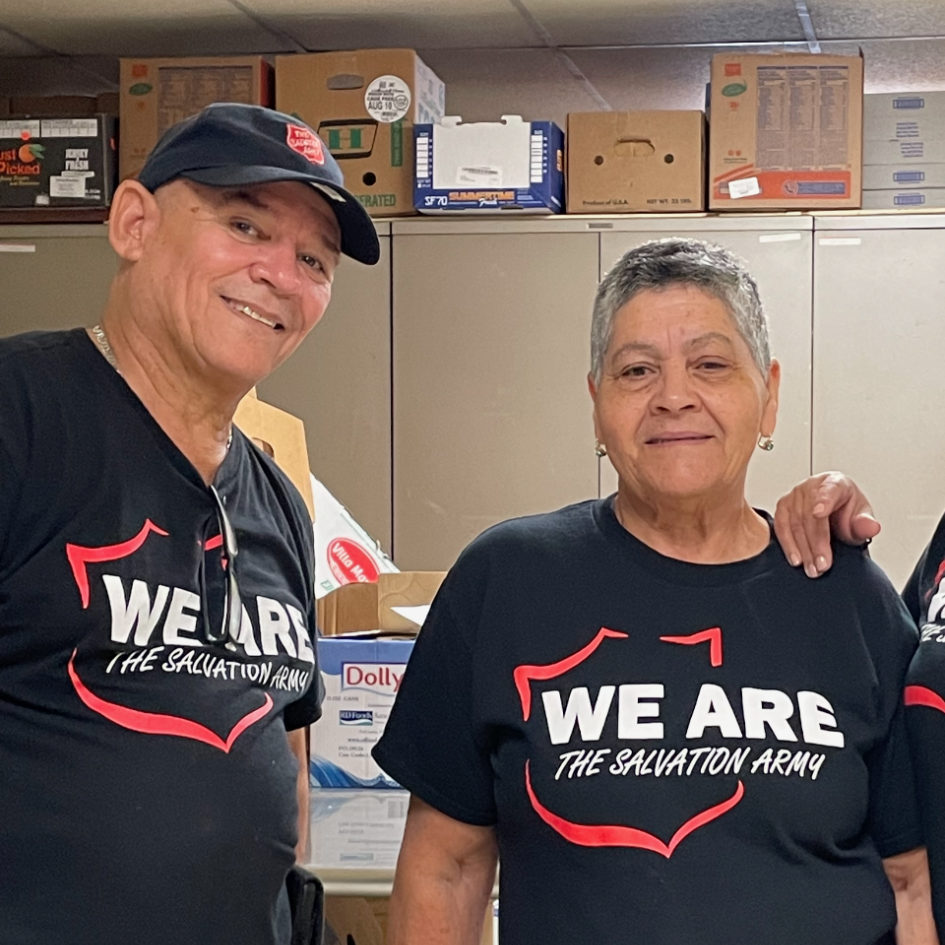
Since becoming a MaturityWorks host agency, The Salvation Army has welcomed six participants who have played an important role in daily operations. Trainees assist with food pantry and meal distribution services, helping ensure families receive nutritious food and essential support. They also contribute to maintaining classrooms, meeting spaces, and offices that serve community members throughout the year.
In addition to gaining valuable work experience, participants develop practical skills that can be applied in future employment. They receive food handler training and strengthen their computer, organizational, customer service, teamwork, and problem-solving skills while preparing and distributing food orders.
Through partnerships like this one, MaturityWorks participants build confidence, learn new skills, and make a meaningful impact in their communities while preparing for unsubsidized employment opportunities.
| | | The total cost of the Senior Community Service Employment Program (SCSEP) is $13,071,445.56. $11,764,301(90%) is funded through a U.S. Department of Labor grant. The other $1,307,144.56 (10%) is funded through non-Federal resources. | | | | |