|
Hello all,
As we settle into the endless-seeming days of summer, it makes us think about warmth - not just the kind that comes with the season, but the kind that every bird in our care is looking for. A steady perch. A familiar voice. A consistent routine. Summer has a way of slowing things down and forcing you to notice the details, and at MAARS, the details are where the real work happens.
| | |
We had so much fun putting this together last quarter that we wanted to bring it back and kick off with a snapshot of some of the more overlooked but essential parts of caring for our flock.
In the last quarter alone:
| | |
Medications Given
Over 4,000 doses given
| |  | |
Loads of Laundry
390 loads washed!
| | | These aren't abstract metrics - they're the baseline cost of keeping living beings alive in our care. Every dose paid for comes from donor support. Every load of laundry runs on electricity and water we have to cover, and uses laundry soap paid for by our supporters. Your support, no matter how large or small, makes a difference. | | |
No names. No food. No water. Put in a garage in the heat of summer.
The call came in like so many others: two birds bought on a whim at a local pet store, now cast aside by their guardian. They sat in rusted, filthy cages so small they would have been unacceptable even for the smallest birds.
Their story is not a singular case. It is encountered time and again by MAARS and rescues across the country.
Birds left in garages. Birds thrown in the trash. Birds simply let out. All carrying the same bands identifying their point of origin, mass breeders, big-box retailers.
| | | |
Names change, species change, circumstances change. The pattern rarely does.
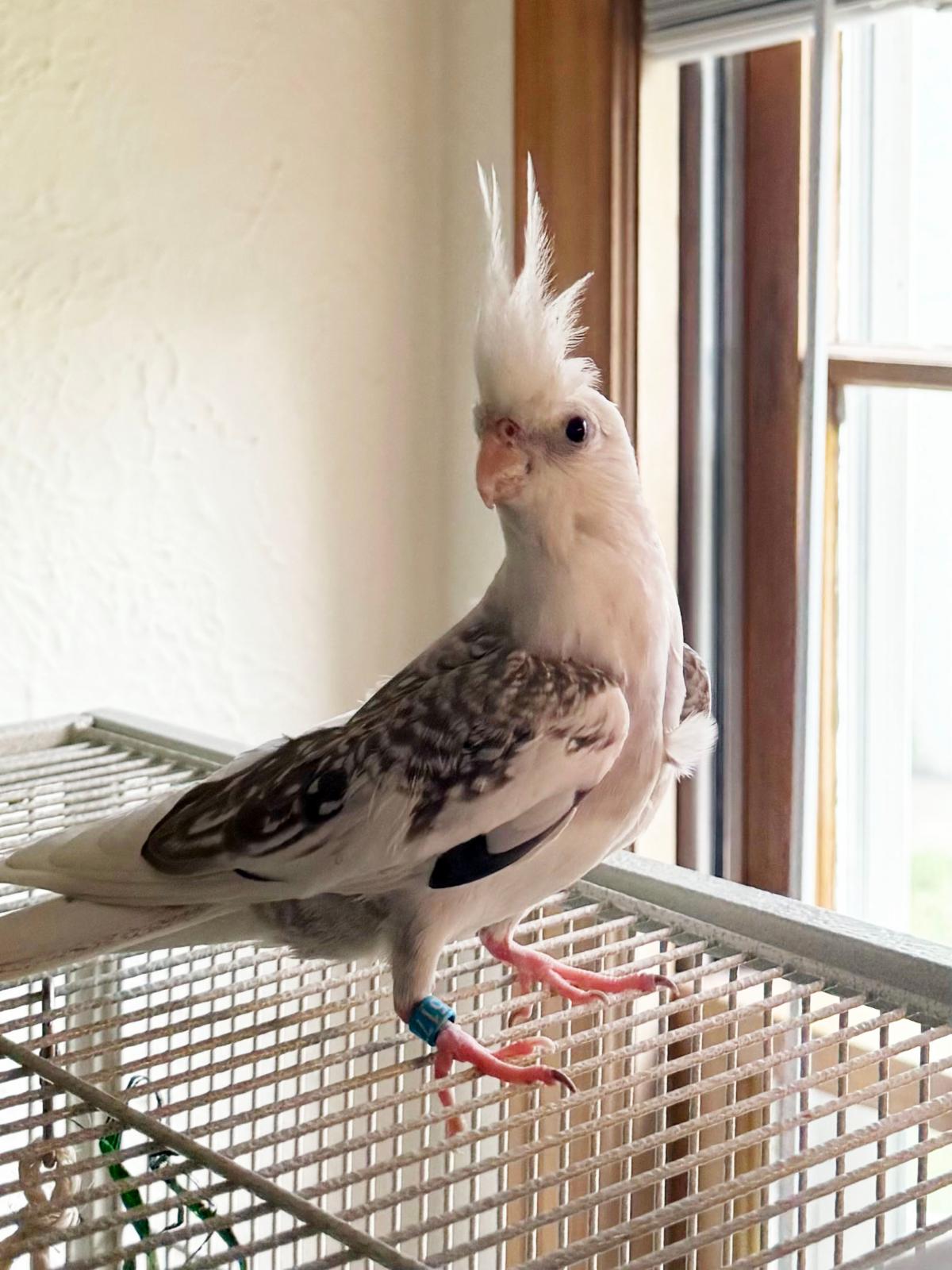
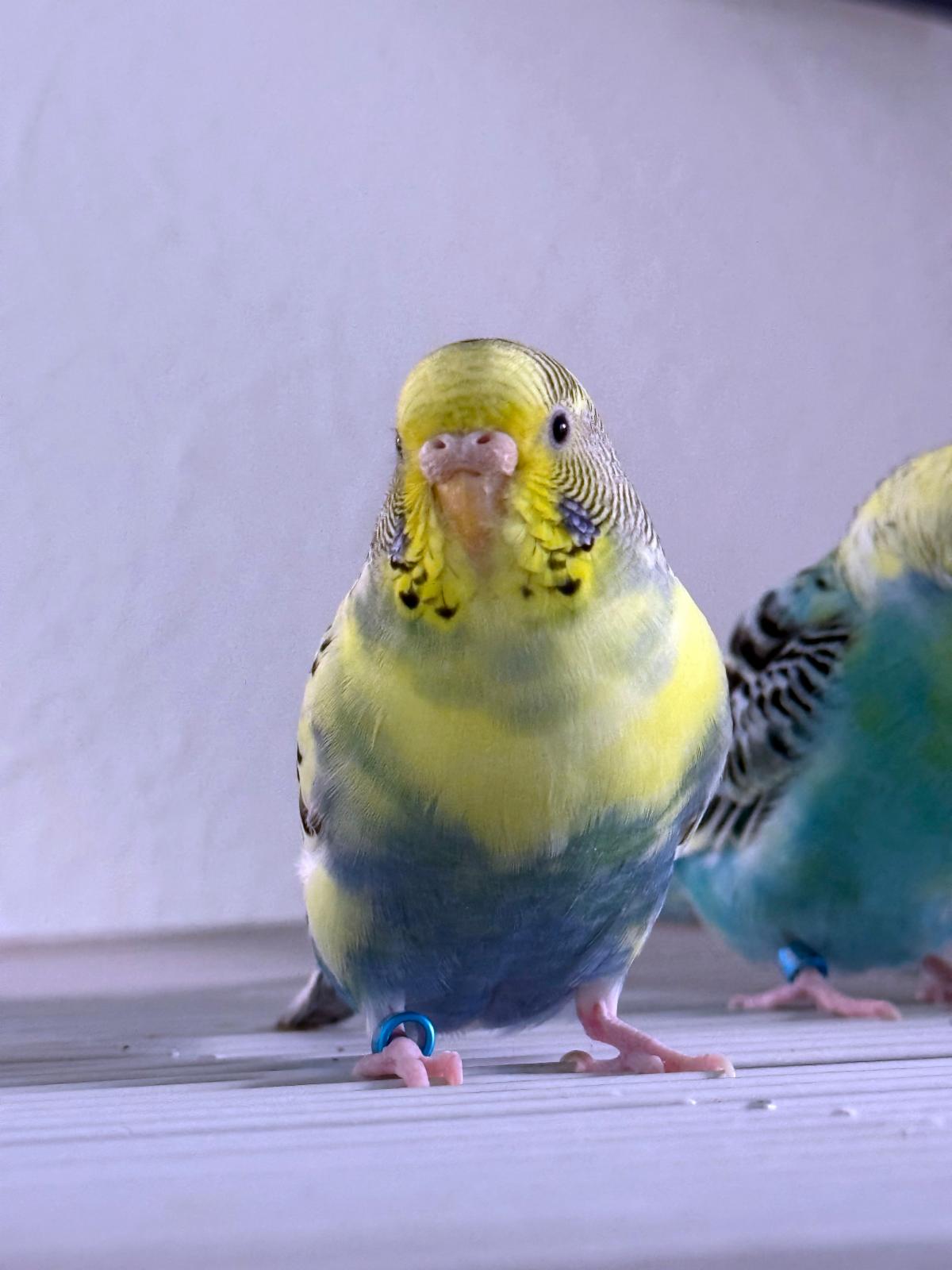
Today, two of those birds have names: Linguine and Colette.
They have fresh food and clean water. They have room to fly. They have the companionship of other birds and the safety of a flock. They are still new to sanctuary life, and we are only beginning to learn who they are, but already they spend their days exploring, vocalizing with the other small birds, and settling into a life that allows them to simply be birds.
These two were fortunate. Someone made a call. Our foster home was able to act immediately and had space to accept them. Linguine and Colette made it to rescue. Countless others are still waiting.
| | | | |
Those same bands continue to fill rescues and sanctuaries to the brim. Thousands more birds are being bred each day, even as countless others wait for placement, move from home to home, or remain in situations of neglect.
The future of those birds depends on the choices we make. Choosing not to purchase parrots from retail stores. Supporting adoption and rescue organizations. Contacting retailers that sell live birds and explaining why you shop elsewhere. And contacting your legislators to ask them to support efforts that end the retail sale of parrots and other live animals.
| | |
Linguine and Colette deserved better than a garage. Parrots who come after them deserve better than a system that continues to breed, sell, and discard intelligent, long-lived wild animals.
Rescues and sanctuaries are helping address the consequences, but a true solution must also address the cause.
It starts with creating fewer birds who need rescue.
| | Before Rescue: Inside the Bird Trade | | |
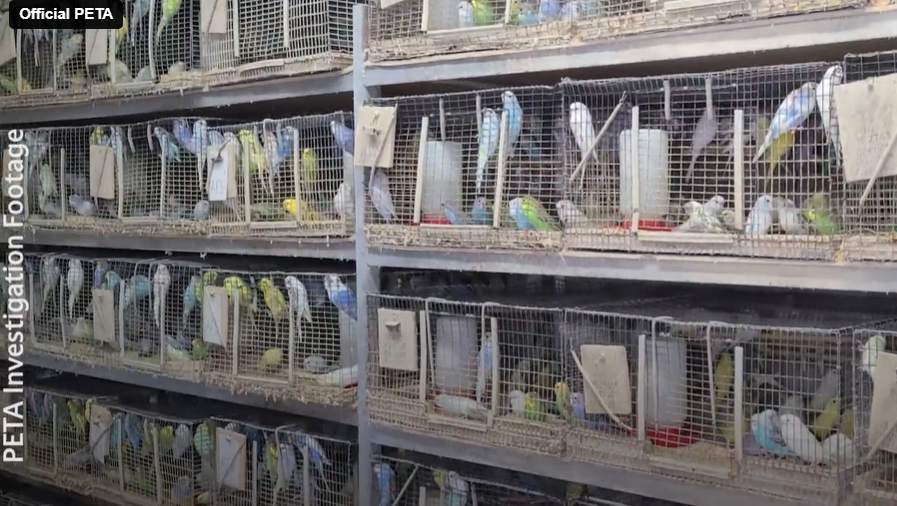
Rescue is the last chapter of a story most people never read. The chapters before it - mass breeding, neglect, commodification - happen behind closed doors in facilities closed to the public.
PETA's undercover investigation at an Oklahoma bird breeder pulls those doors open. What's inside is grim. It's also very much the norm for bird breeding facilities. We're sharing this not to shock you, but because understanding the front end of the parrot trade is essential to understanding why adoption, not purchase, has to be the default. Watch with caution, and share with intention.
| | |
In the same vein as our continued fight for parrot welfare, we wanted to also share some interesting legislative and advocacy news from the past quarter.
Locally
Minnesota passes Minnesota Senate File 1943 (SF1943), frequently referred to as the “No More Puppy Mills” bill. The bill prohibits the sale of dogs and cats at pet stores, while still permitting stores to have space to partner with rescues for adoption opportunities. Although the bill doesn’t contain any legislation around the sale of birds, it is an exciting step forward and provides us with an opportunity to apply pressure to our legislators to amend the bill and extend protections to birds and other exploited animals. If you’re not familiar with your local legislators, the link below allows you to enter your zip code and get a list that includes quick links to contact them.
Click Here to Find Your Local Legislators
We’ve also taken the liberty to draft a short form letter for you to utilize: Minnesota Legislator Email Form Letter
| |
Nationally
The recent #ParrotCrisis Awareness Day renewed calls for a ban on bird mills - a campaign where every voice matters.
| |
Globally
The World Parrot Trust continues to dismantle illegal trade networks while training communities in source countries to protect indigenous species.
| All of this, combined with pending legislation in several states, shows we are slowly gaining traction and raising awareness of the need for action to protect our feathered friends today and into the future. | | |
There was a time in the not too distant past when seeing a native bird in a cage wasn’t unusual.
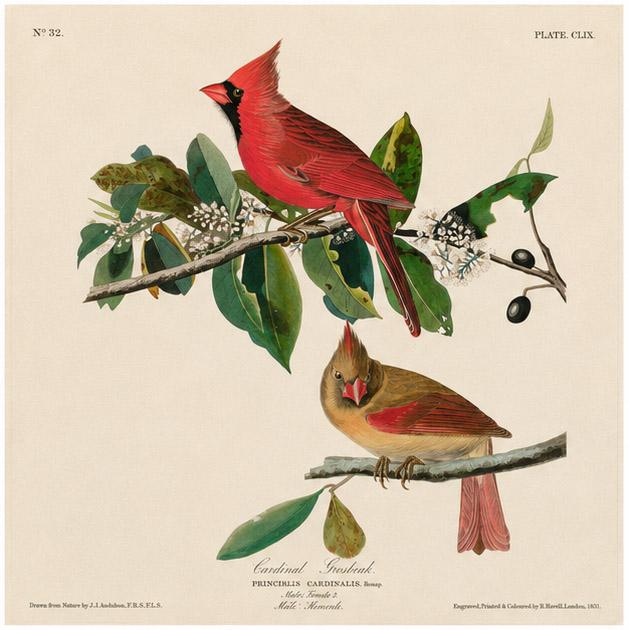
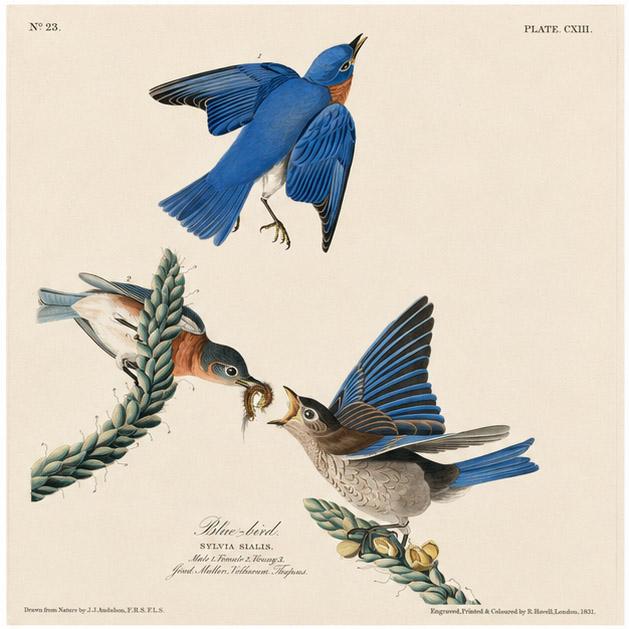
Goldfinches, Cardinals, Orioles, Eastern Bluebirds, and countless other native songbirds were trapped from the wild and kept in homes for their beauty and song. Like parrots today, they were bought, sold, and viewed by many as commodities to be owned and enjoyed.
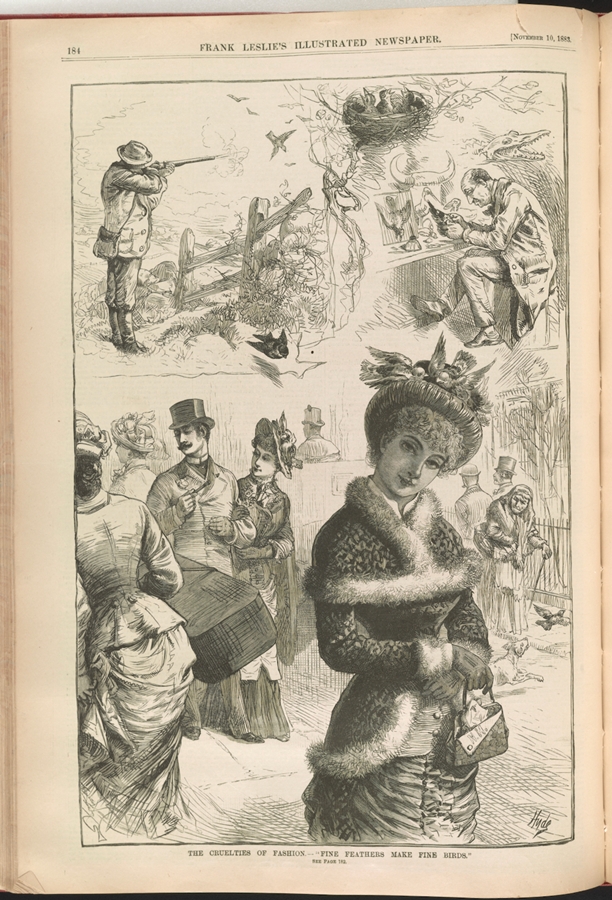
At the same time, countless native birds were hunted for their feathers, collected for museums and private collections, or killed for food. Together with widespread habitat loss, these pressures contributed to the decline of many native bird populations.
| | |
Today, we instinctively recognize these birds as wildlife rather than pets.
What changed?
Growing concern for North America’s birdlife led to calls for stronger protections. The passage of the Migratory Bird Treaty Act fundamentally changed wildlife conservation in the United States, making it illegal to pursue, possess, sell, transport, or purchase most native migratory birds, their feathers, nests, and eggs without authorization.
| | |
These protections did more than safeguard individual birds.
They fundamentally changed access.
By restricting the commercial trade in native birds, legislation began laying the groundwork for a broader cultural shift. As native birds gradually disappeared from bird dealers, markets, and everyday commerce, fewer people grew up seeing native birds as something people could own. Instead, people came to know them where they had always belonged, in the wild. Over time, what had once been commonplace became unusual, and eventually, unacceptable.
| |
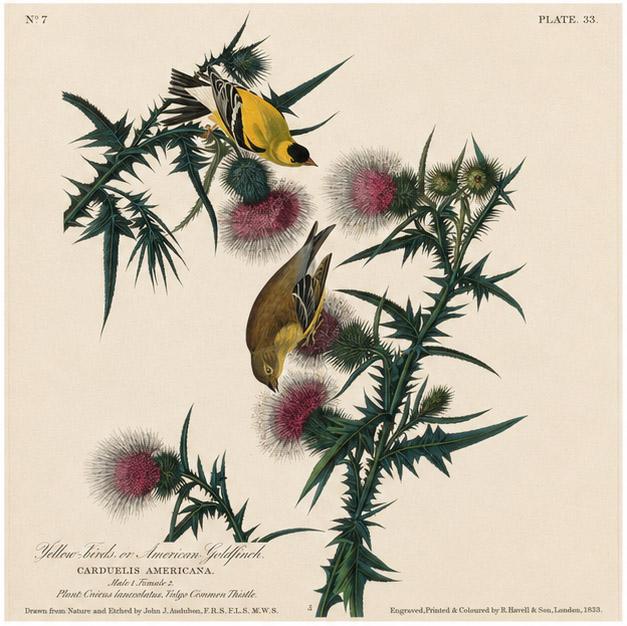
Now, the idea of keeping an American Goldfinch in a cage feels unthinkable to most of us.
The bird hasn’t changed.
Our perception has.
Changing a law can happen in a day. Changing a culture takes much longer.
The law was only the beginning.
| | |
By changing what was legally permissible, it created the conditions for something even more lasting, a gradual shift in what society considered normal and acceptable.
Coming in our next newsletter - Part 2:
More than seventy years later, another landmark law would reshape the bird trade once again: the Wild Bird Conservation Act.
Why didn’t it reshape how we viewed parrots?
| | |
We started this quarter's newsletter reflecting on long summer days, and we're ending it with a longer view. The pace of work captured in our impact snapshot, or the realities exposed in that Oklahoma breeding facility don't pause for the season. The investigator who documented those conditions knows that better than anyone.
What ties it all together is your support, whether with donations of money, goods, or time. We couldn’t do this without all of your support. In the next quarter, we'll continue working to move the needle on the captive parrot crisis while providing the birds in our care, and those in the care of others, with the best lives they can possibly have.
Until next quarter and with gratitude,
Galiena Cimperman
Executive Director
MAARS
| | Your support keeps our doors open and our birds thriving. Here are five meaningful ways to get involved: | | | | Donate Supplies - We are always in need of: | | | |
- Pellets (Harrison’s, Caitec, TOP’s, or Roudybush)
- Untreated pine boards
- Laundry detergent
- Brooms
| |
- Dish soap
- Bleach
- Toilet paper
- Paper towels
- Buckets
| | | | If you need more information on donating any of the above, please reach out to us at birds@maars.org. | | | |
Share Our Story - Sharing our story helps expand our circle of support. Tell friends, family, and your community about MAARS using #MAARS and #SpreadOurWings, and follow us on social media to stay connected. Your network could be someone's forever home for a bird in need. | | | |
|
Foster a Rescued Parrot - Becoming a foster home means opening your heart and home to a parrot who, due to health issues or special needs, requires a space outside our sanctuary. In many cases this is a temporary stopover, but there are cases where it may be a longer-term foster depending on the individual bird needs. By stepping into this role, you aren't just fostering; you’re providing a place for a bird to heal and thrive when no other options may be available.
For more information about fostering, contact us at birds@maars.org.
| | | |
Volunteer - Your time, skills, and enthusiasm are priceless gifts to the birds. Consider giving the gift of your time by volunteering with us. Learn more about volunteering here. | | | |
Donate - Your contribution helps cover daily care, habitat maintenance, enrichment, and the educational outreach we provide to the community. Every gift makes a difference - even $10 can help. You can donate here. | | | | |