|
NSTogether
Connect * Collaborate * Contribute
Issue 42 | March 2026
| | | |
Welcome to NSTogether, our quarterly newsletter to keep you informed about the K-16 Collaborative work happening all over the North State region.
In this issue, we're spotlighting new programs and grants as well as voices from the field, with our directors sharing what they've learned and how it connects to our regional efforts.
| | | | NST 9th Annual Summit Conference | | |
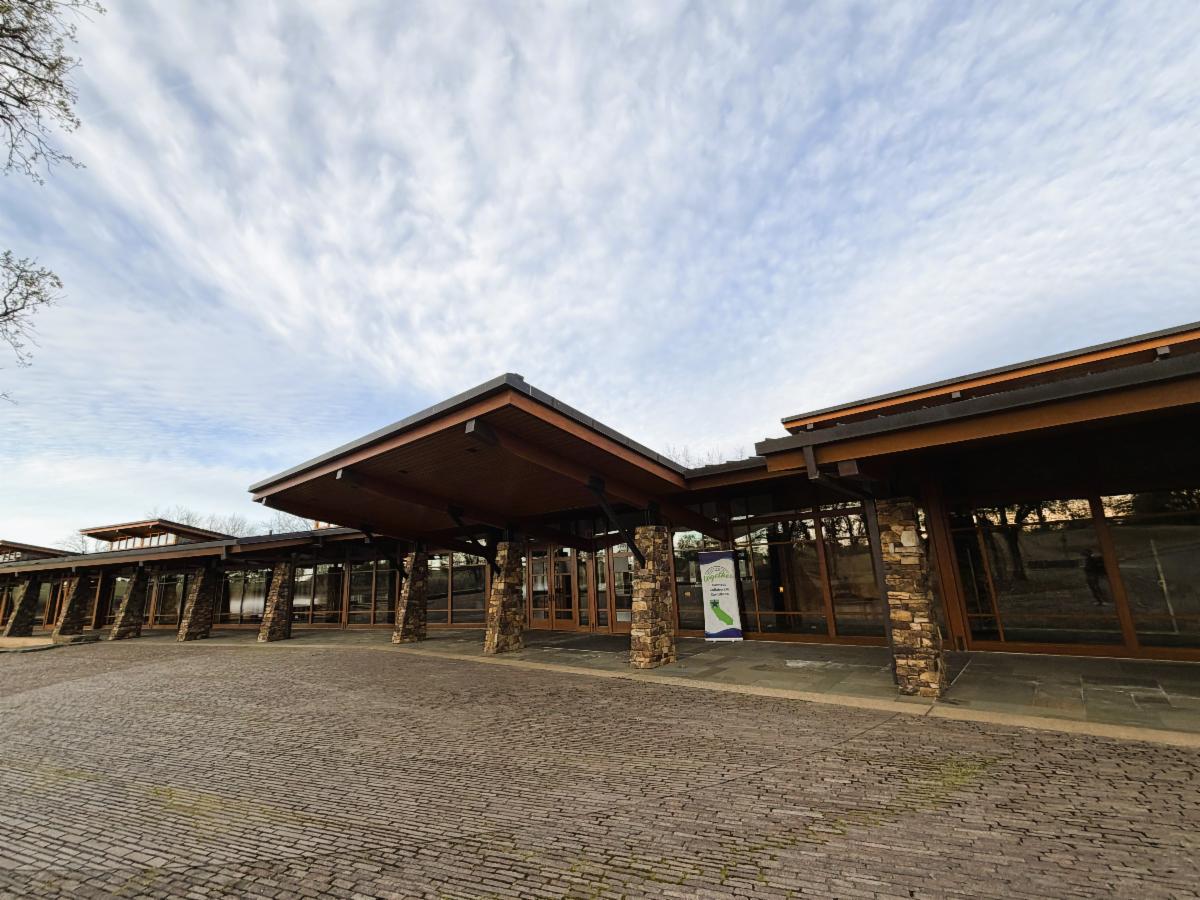
On March 12 and 13, North State Together hosted its 9th Annual Regional Summit: Strengthening Sustainability Through Shared Learning. After starting at the Community Leadership Center, Day 2 transitioned to The McConnell Foundation, which graciously provided their beautiful meeting space for the occasion.
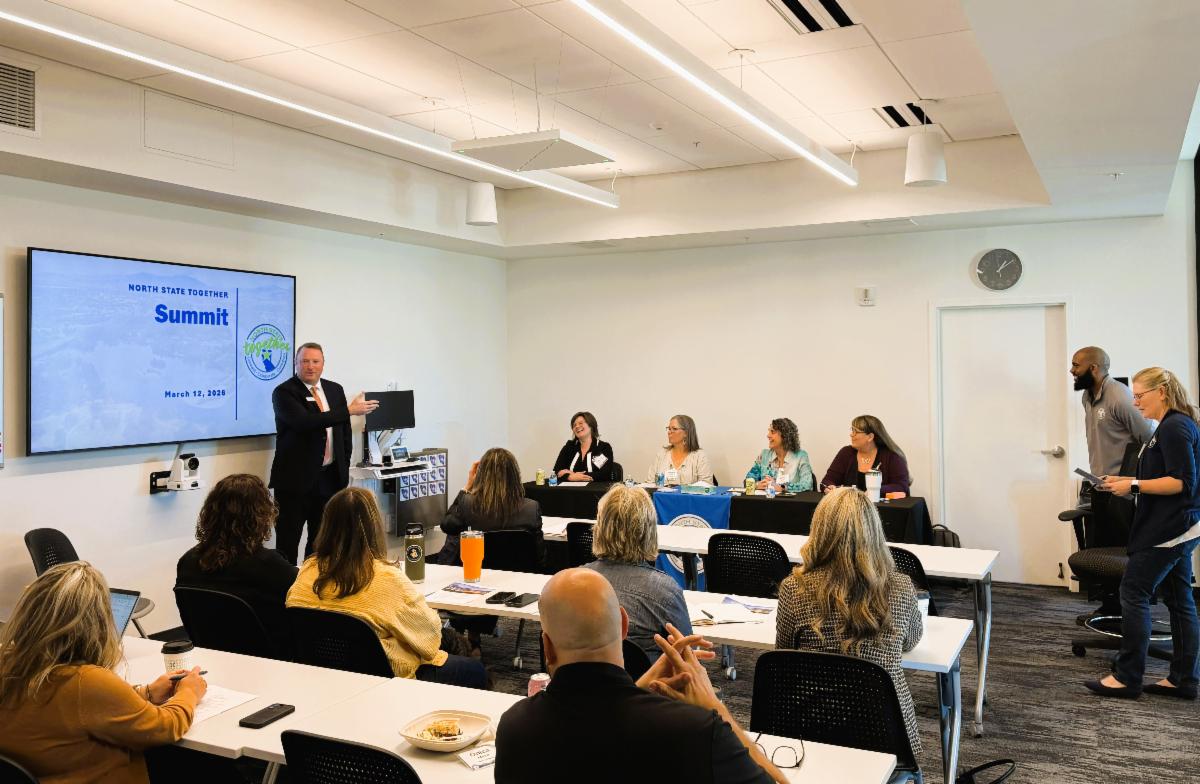
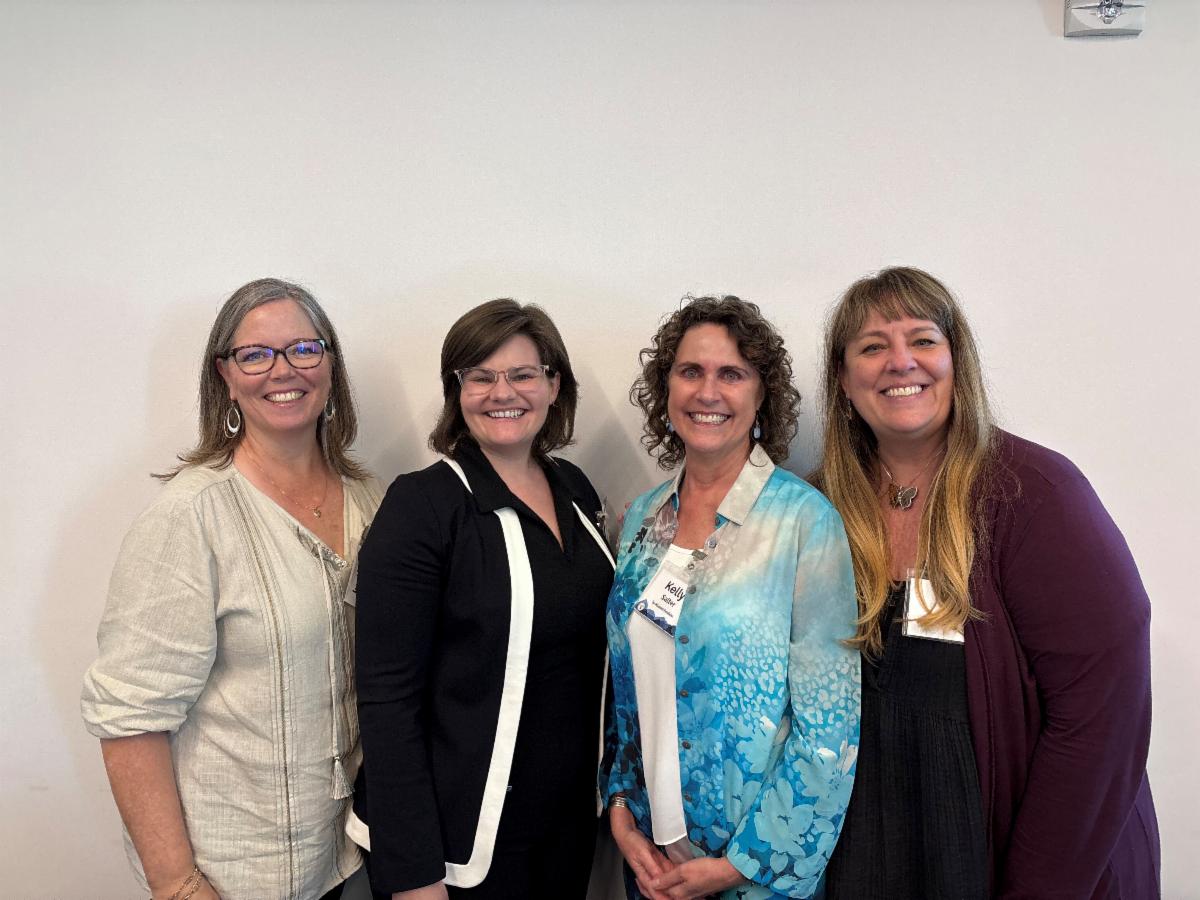
| | The McConnell Foundation, | | At the Summit, North State Together convened a dynamic panel discussion bringing together funders and regional partners who have successfully secured and sustained funding. The conversation offered a valuable opportunity to better understand how the funding ecosystem works, and how rural organizations can navigate it more strategically. | | Dr. Kevin O'Rorke and Billy Miller welcoming the County Network Leads to Day 1 of the 2026 NST Summit at the Community Leadership Center. | | Left to Right: Justine Lehman, Taylor McCabe-Juhnke, Kelly Salter, and Joy Garcia. | | |
We were honored to welcome Kelly Salter (The McConnell Foundation), Justine Lehman (Community Foundation of the North State), Taylor McCabe-Juhnke (Rural Schools Collaborative), and Joy Garcia (Health Alliance of Northern California) as panelists. Each shared candid insights and real-world experiences from their work across philanthropy, community foundations, and rural nonprofit leadership.
A consistent theme throughout the discussion
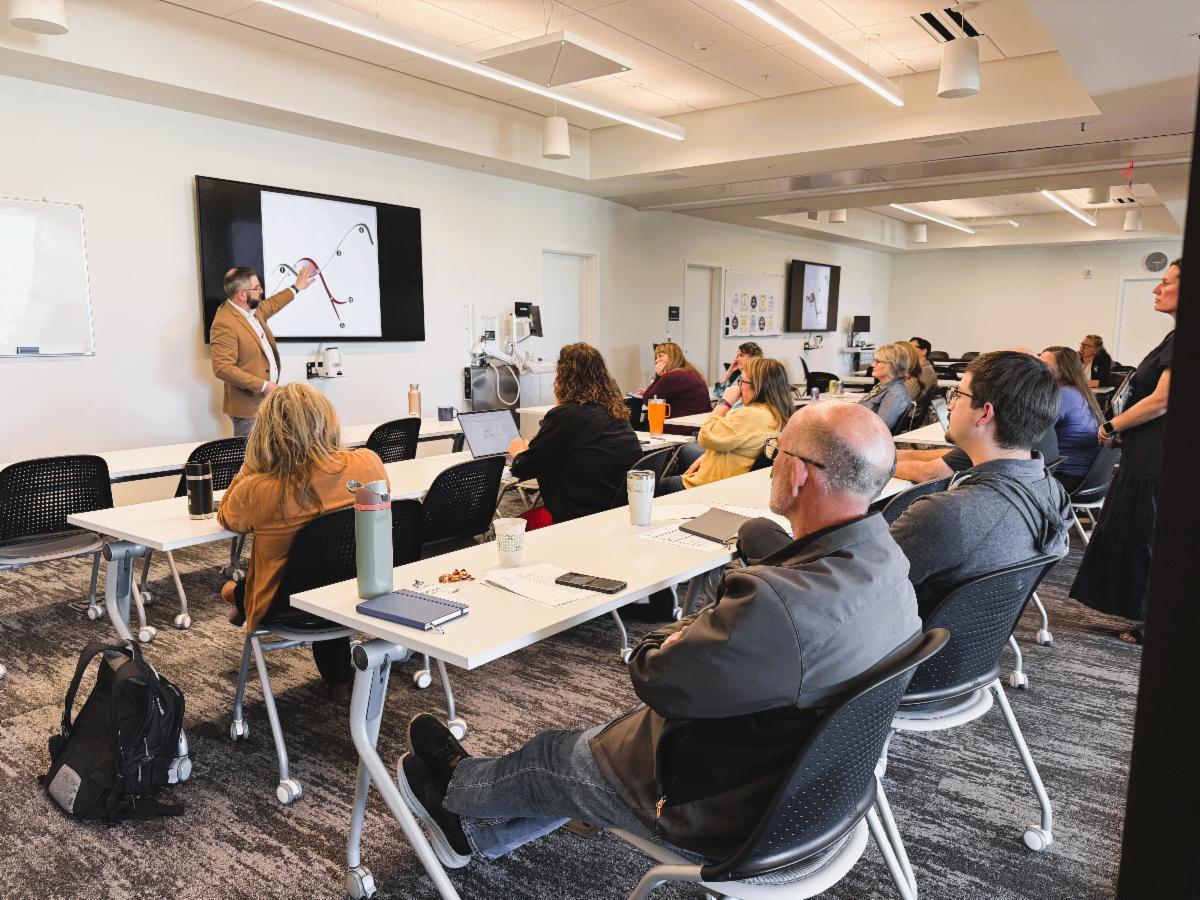
| | was that sustainability goes beyond securing the next grant. It requires strong relationships, a clear and focused mission, demonstrated impact, and a long-term approach to diversifying funding streams. | | Panelists emphasized the importance of staying grounded in mission and values, encouraging organizations to be intentional about pursuing opportunities that align with their goals rather than chasing every available funding source. They also highlighted that funders are not one-size-fits-all. Government agencies, private foundations, and community-based funders each operate differently, making it essential to understand their unique priorities, timelines, and decision-making processes. | | Dakota Pawlicki leading a presentation at the Community Leadership Center. | | |
Another key takeaway was the power of authentic relationships and storytelling. Funders are looking not only for strong data, but also for meaningful stories that bring the work to life, especially in rural communities where impact may look different than in urban settings.
Participants were also encouraged to think beyond traditional grant funding by exploring partnerships, sponsorships, earned revenue, and other innovative strategies that can support long-term sustainability.
Overall, the discussion reinforced that building a sustainable future requires thoughtful planning, strong partnerships, and a shared commitment to advancing opportunity across our region.
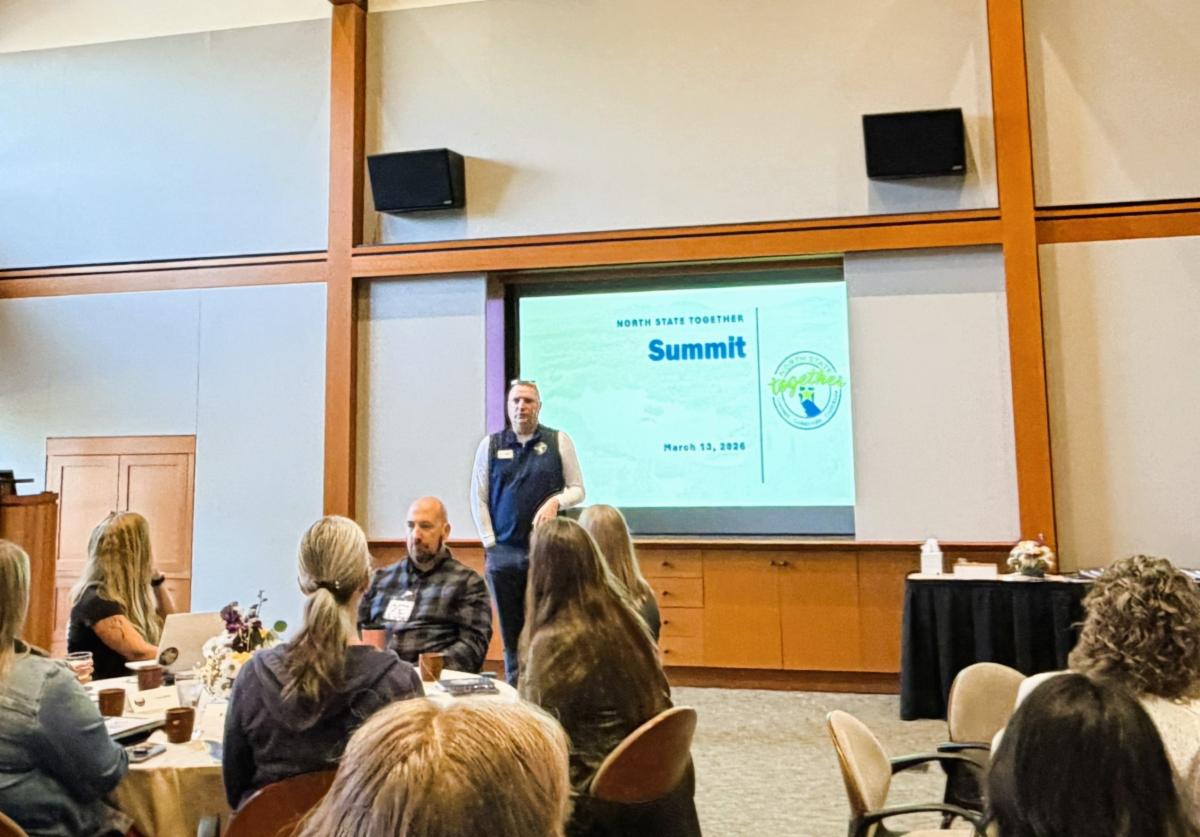
| | On the second day, county network teams convened for a workshop focused on CivicLab’s Stakeholder Engagement Process, led by Dakota Pawlicki. He introduced a range of programmatic and systemic models, along with different leadership structures, to help participants better understand how their approach to organizing work influences both stakeholder engagement and project outcomes. Central to this | | Dr. Kevin O'Rorke welcoming the County Network Leads and their teams to the 2026 NST Summit at The McConnell Foundation. | | |
process is the development of a guiding question, which helps determine the stakeholders who need to be involved to drive meaningful progress.
Dakota also shared strategies for using data more effectively, highlighting how visual representations can tell a more compelling story and surface insights that might otherwise be overlooked. He emphasized the importance of incorporating stakeholder voices, noting that lived experiences add critical context and bring data to life in powerful ways. By examining data in relation to a guiding question,
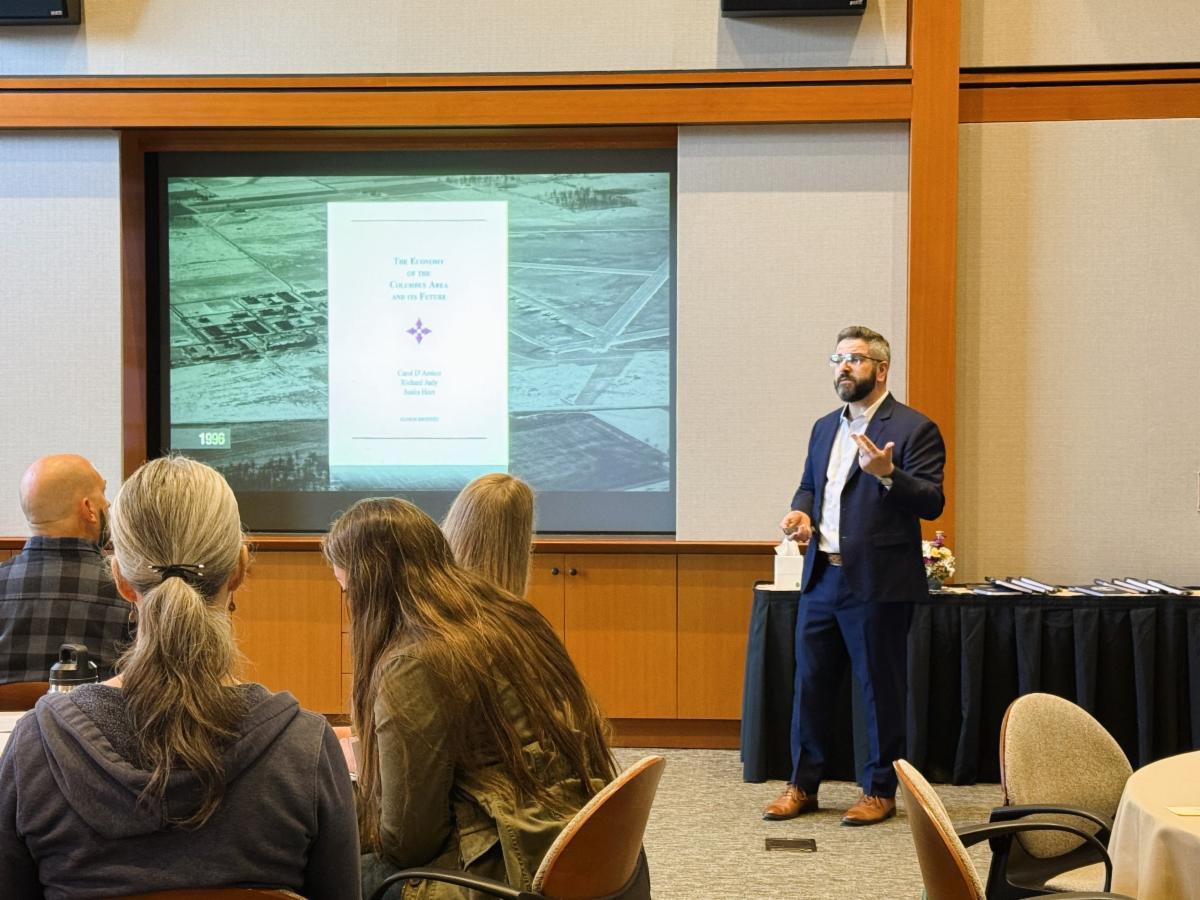
| | Dakota Pawlicki leading a presentation at The McConnell Foundation. | | |
teams can more clearly identify gaps as well as opportunities to leverage existing strengths.
Another key concept discussed was the use of pilot programs as a way to test ideas before committing significant time and resources. By implementing and evaluating pilot efforts, organizations can make more informed, data-driven decisions and better align their work with the needs of their stakeholders.
| | |
The day concluded with dedicated time for network teams to apply these concepts by developing shared outcome goals. Teams established timelines across short-, intermediate-, and long-term horizons, identified key stakeholders and measures of success, and articulated the outcomes they aim to achieve.
Overall, the day provided a meaningful opportunity for reflection, planning, and collaboration, leaving the North State Together network energized and inspired to advance future goals and drive positive change across the region.
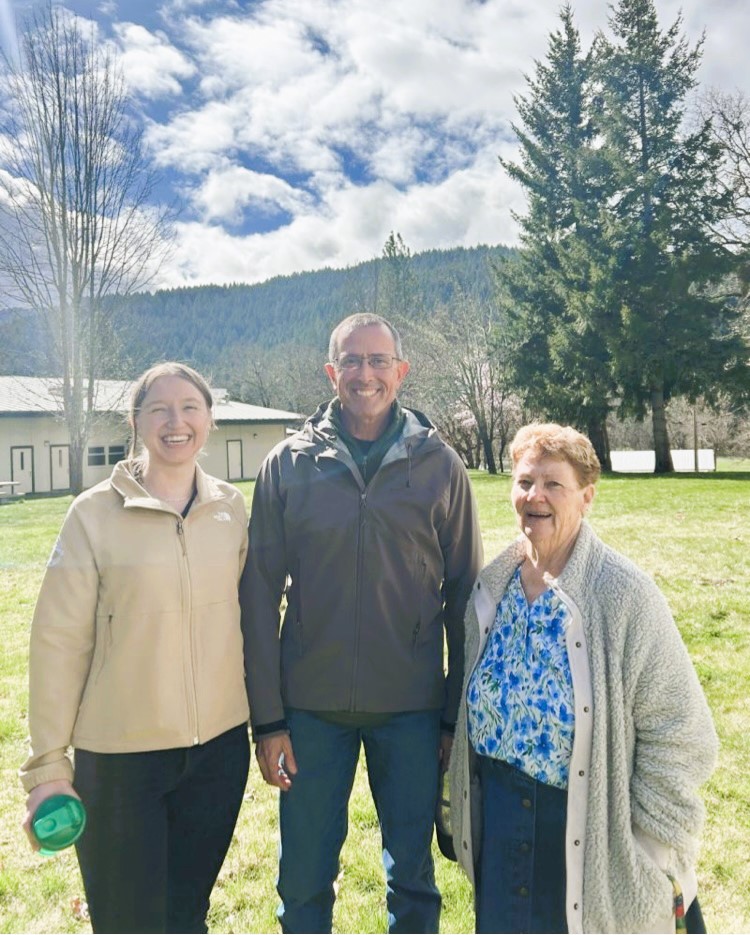
| | | | | GRAD Partnership School Site Visits | | Left to Right: Onica Mello, Andy Felt (Principal of Southern Trinity High School) and Cindy Dixon (Counselor and CTE Instructor at Southern Trinity High School). | | |
In early March, Henry Whitehead of Rural Schools Collaborative joined Onica Mello of North State Together in Redding, California, to visit three GRAD Partnership schools: Southern Trinity High School, Fall River Jr. Sr. High School, and Burney Jr. Sr. High School. Now in their fourth year of the grant, these schools are continuing their work to reduce absenteeism, improve course completion, and strengthen student belonging using student success strategies informed by Johns Hopkins University's Everyone Graduates Center.
At Southern Trinity High School, staff and students highlighted the strengths and challenges of a small, rural school community. Students benefit from individualized academic
| | support, leadership opportunities, and hands-on learning experiences such as field trips and career exploration. GRAD Partnership funds have supported community-building events that strengthen connections between families and the school. | | |
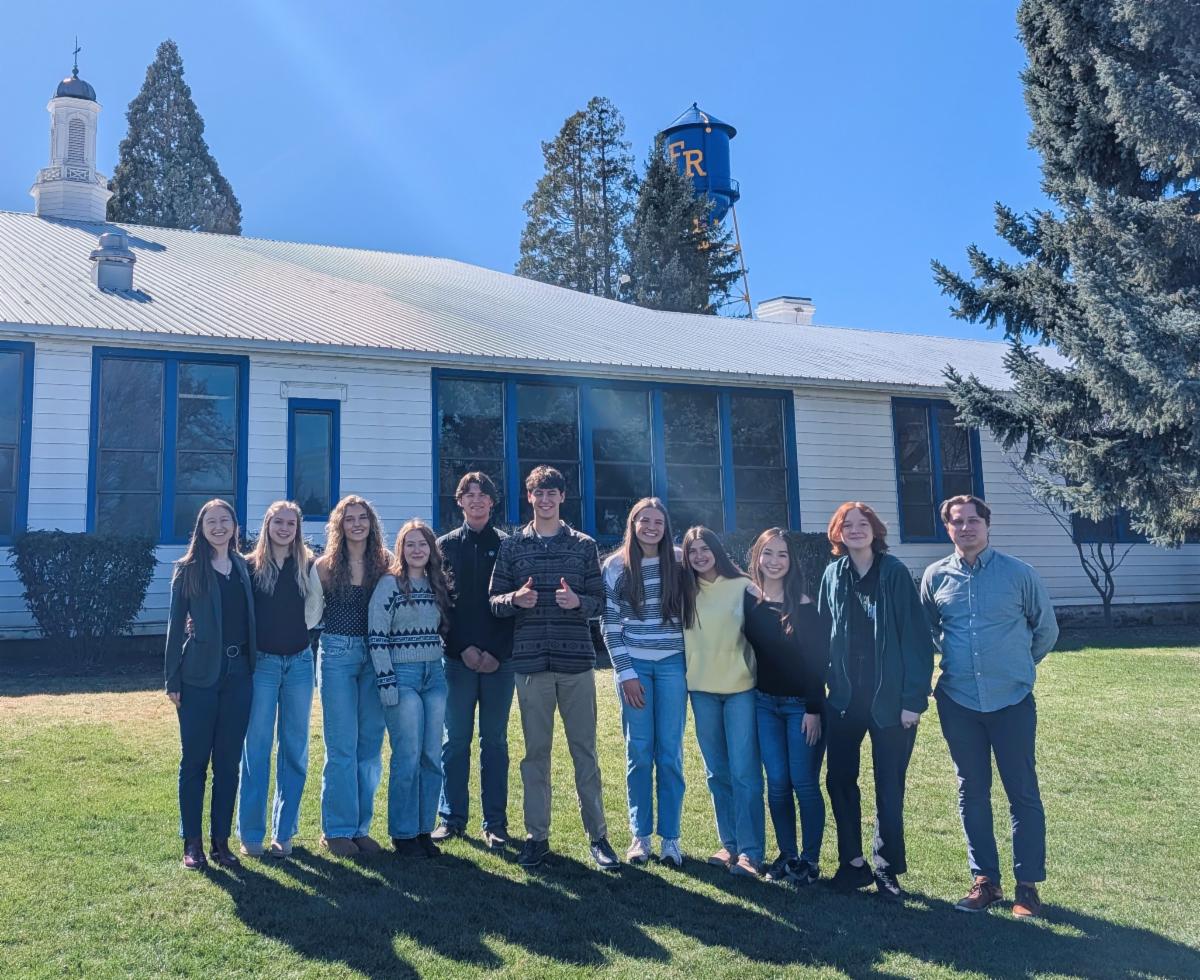
At Fall River Jr. Sr. High School, a student-led campus tour showcased strong school pride and a wide range of involvement opportunities, from leadership and athletics to clubs and FFA. A culture of mentorship, particularly between high school and middle school students, helps foster belonging, while deep ties between the school and the broader community remain a cornerstone of student success.
At Burney Jr. Sr. High School, a welcoming campus environment and diverse course offerings including woodworking, welding, and business—reflect a strong focus on student creativity and skills building as well as career exploration. The school is also expanding forestry pathways to better align with local workforce needs.
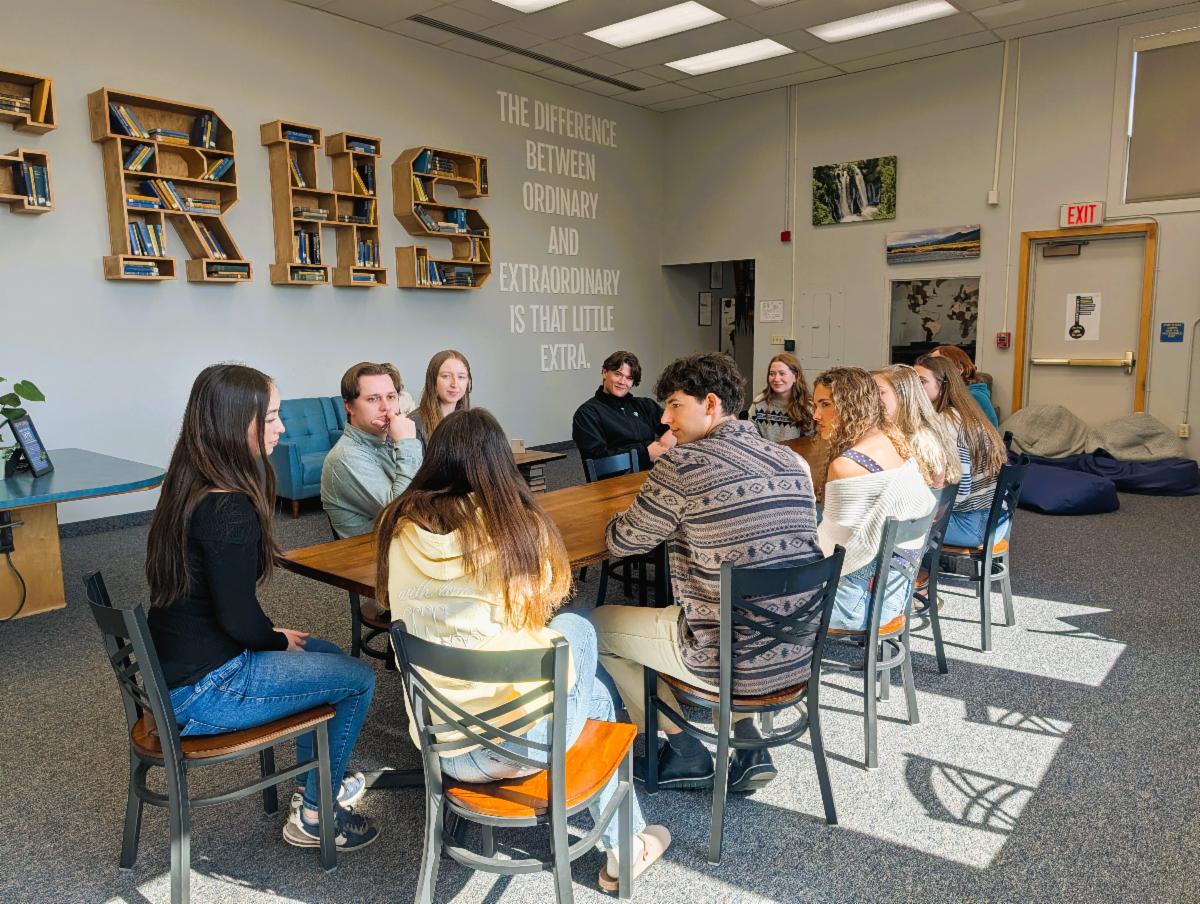
| | Onica Mello and Henry Whitehead with the Fall River Jr. Sr. High School student leadership team. | | Onica Mello and Henry Whitehead having a discussion with the Fall River Jr. Sr. High School student leadership team. | | |
Both Fall River and Burney have implemented creative attendance strategies using GRAD Partnership funding, including “second chance” transportation to check on absent students and remove barriers to attendance. Additional efforts, such as attendance incentives and increased staff visibility during passing periods, are helping strengthen relationships and ensure students feel supported.
These visits underscored the impactful, community-driven work happening across all three GRAD Partnership schools. Through strong relationships and thoughtful strategies, each site is making meaningful progress in supporting student success in the North State Region.
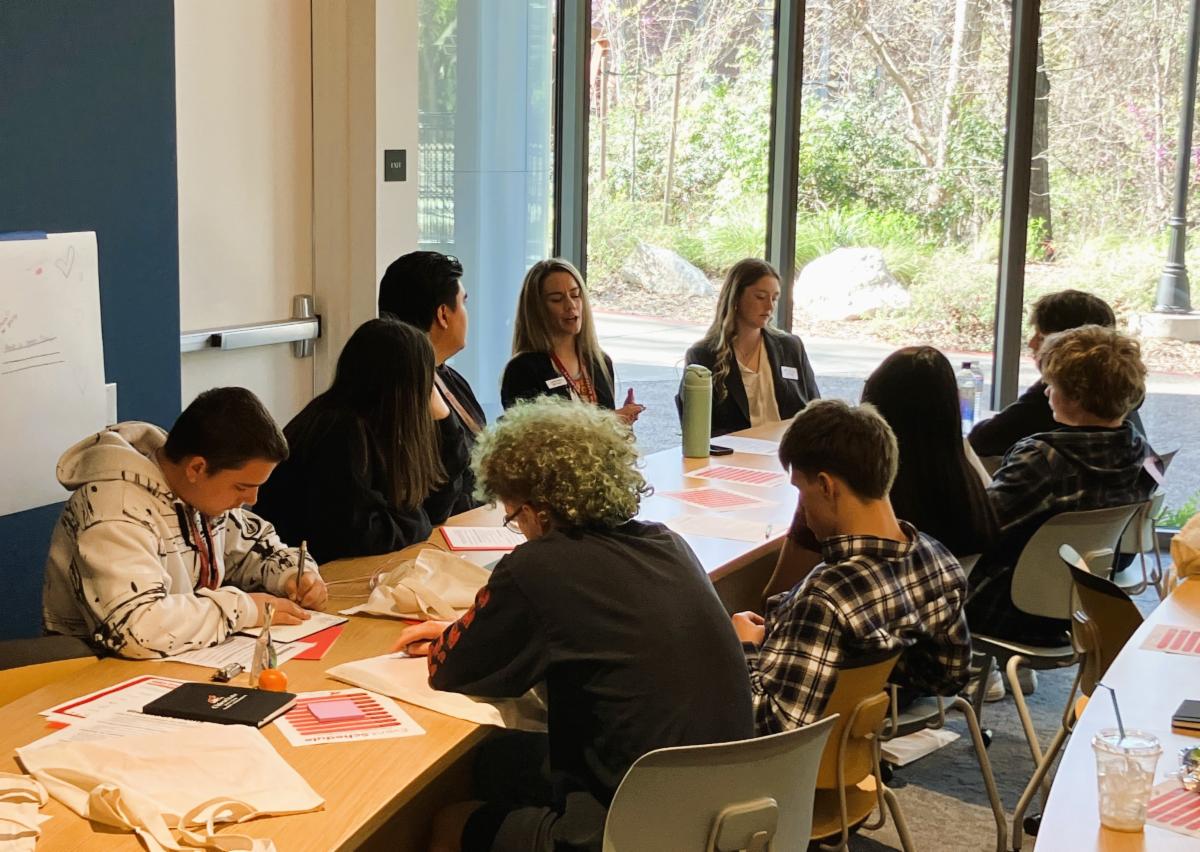
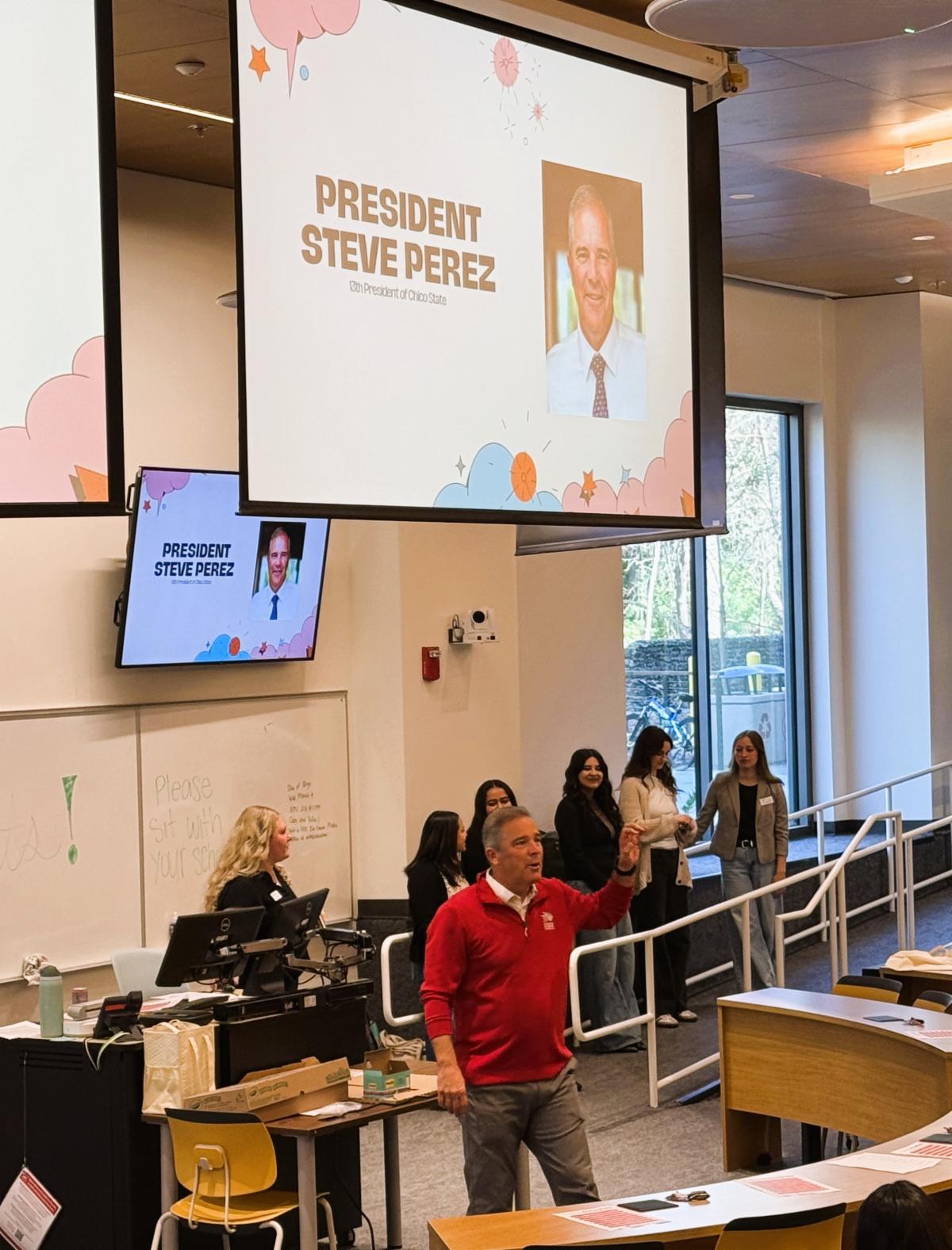
| | | | Amplifying Rural Student Voices at Chico State | | On March 6, 2026, North State Together’s Corinne Petro, Interim Director of Planning and Development, and Onica Mello, Program Director, attended the Amplifying Regional Voices in Rural Spaces: A Rural High School Voice Conference, hosted by the North State Student Ambassadors at Chico State University. The conference brought together approximately 80 students from rural high schools across the North State region to explore how their lived experiences can serve as strengths in shaping their future pathways. | | Throughout the day, the North State Student Ambassador team led students through a series of engaging, student-centered activities focused on asset mapping. These activities encouraged participants to shift their perspective from perceived limitations of rural communities to the unique opportunities and strengths gained from growing up in rural areas. | | Corinne Petro connects with rural students during an unconference session, creating space for student voices. | | Steve Perez, President of CSU, presenting. | | |
Steve Perez, President of Chico State, welcomed students and engaged in an open dialogue about university programs, student life, and the support systems available to help them succeed. His presence provided valuable insight into the opportunities accessible through higher education while addressing common questions and misconceptions.
Students also participated in interactive sessions where they developed place-based narratives centered on possibility and hope. These narratives were shared in a gallery-style format, allowing students to learn from one another and gain a deeper appreciation for the
| | |
diverse communities represented across the region.
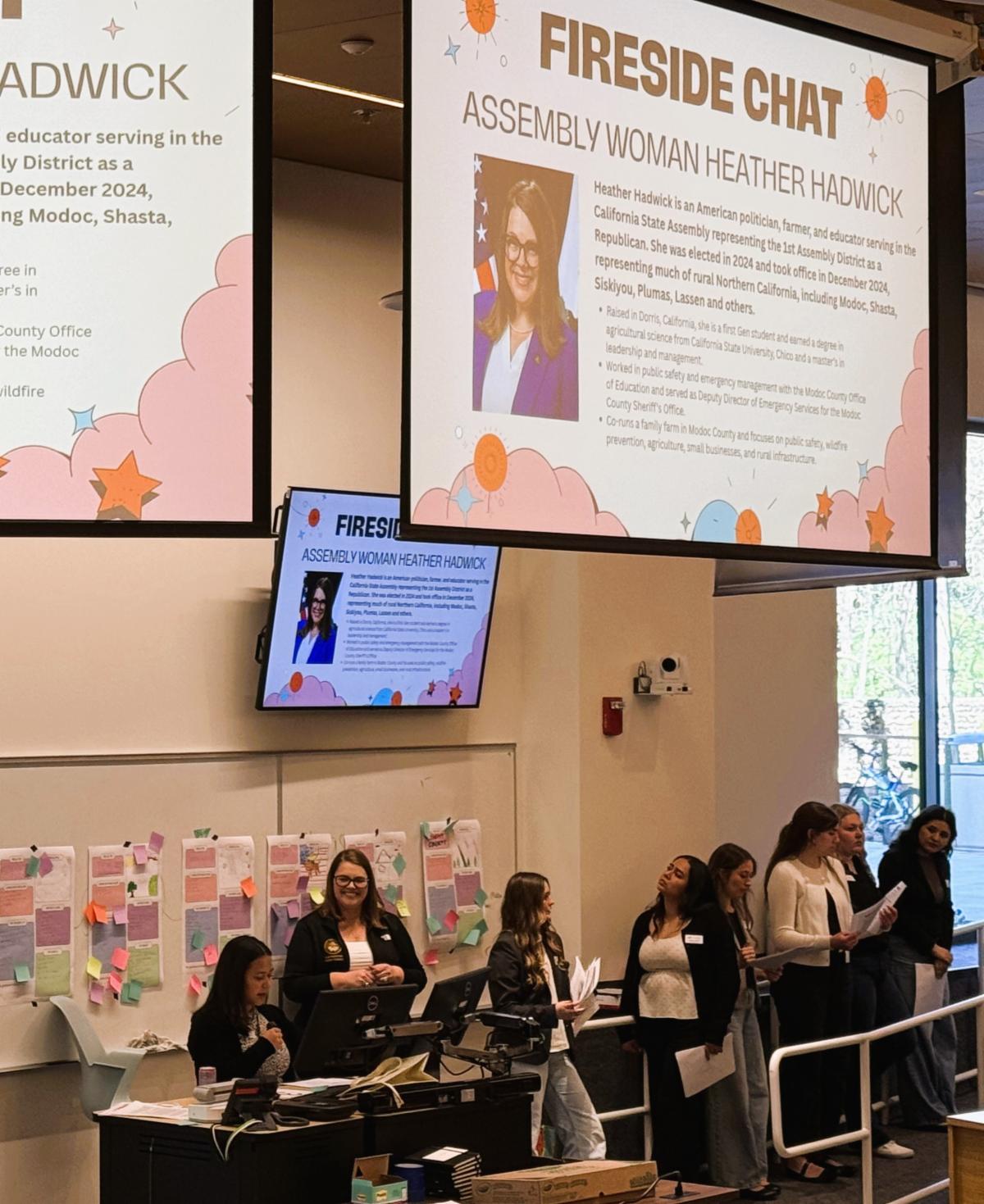
Following lunch, Assembly Member Heather Hadwick, a Chico State alumna and representative of California’s 1st State Assembly District, spoke with students about her journey as a rural learner. She reflected on her educational and professional path, shared insights into her legislative work, and highlighted the unique perspectives rural communities bring to statewide leadership.
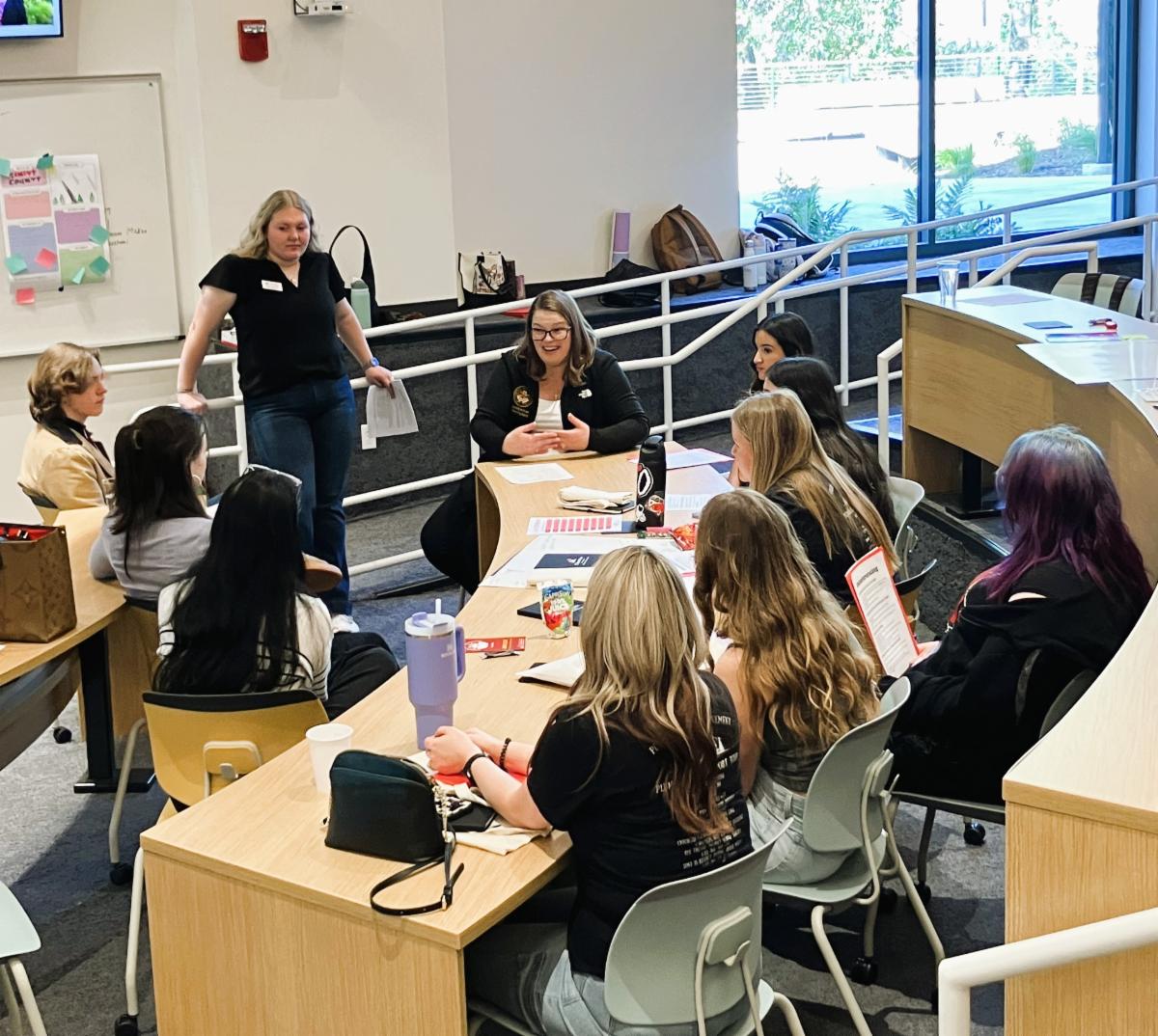
The afternoon featured “unconference” sessions, where students engaged in small-group discussions with regional leaders. These sessions created space for
| | Heather Hadwick, Assembly Member and California's 1st State Assembly District representative, presenting. | | Heather Hadwick, Assembly Member and California's 1st State Assembly District representative, leading a discussion for students. | | meaningful dialogue, allowing students to ask questions, share feedback, and connect directly with leaders working across education, policy, and community development. Participants included representatives from North State Together, the North State Planning and Development Collective, Expect More Tehama, The McConnell Foundation, Rural Schools Collaborative, and other regional organizations, reflecting a strong network of partners committed to advancing rural student success. | | |
The conference concluded with a campus-wide scavenger hunt designed by the North State Student Ambassadors, offering students an interactive and engaging way to explore Chico State.
The event highlighted the power of elevating rural student voices and reinforced the region’s shared commitment to supporting students as they pursue educational and career opportunities.
| | |
| |
Building the Next Generation of Environmental Stewards Across
the North State
| | |
Across the North State, students are getting their hands dirty — planting native species, testing water quality, building infrastructure, exploring wildfire careers, and preparing for paid summer internships through the Educating Future Environmental Stewards in the North State initiative, part of the North State Jobs First Catalyst Program.
During the October–December 2025 quarter, subgrantee partners moved from thoughtful planning into visible, student-centered action. What began as coordinated design is now taking shape in classrooms, restoration sites, forests, and construction spaces across our region.
The momentum is real. Environmental education and workforce pathways are expanding across rural communities, and students are stepping into hands-on experiences that connect directly to careers in forestry, construction, watershed restoration, energy, and natural resources. This work is not only building knowledge — it is strengthening the future workforce and environmental resilience of the North State.
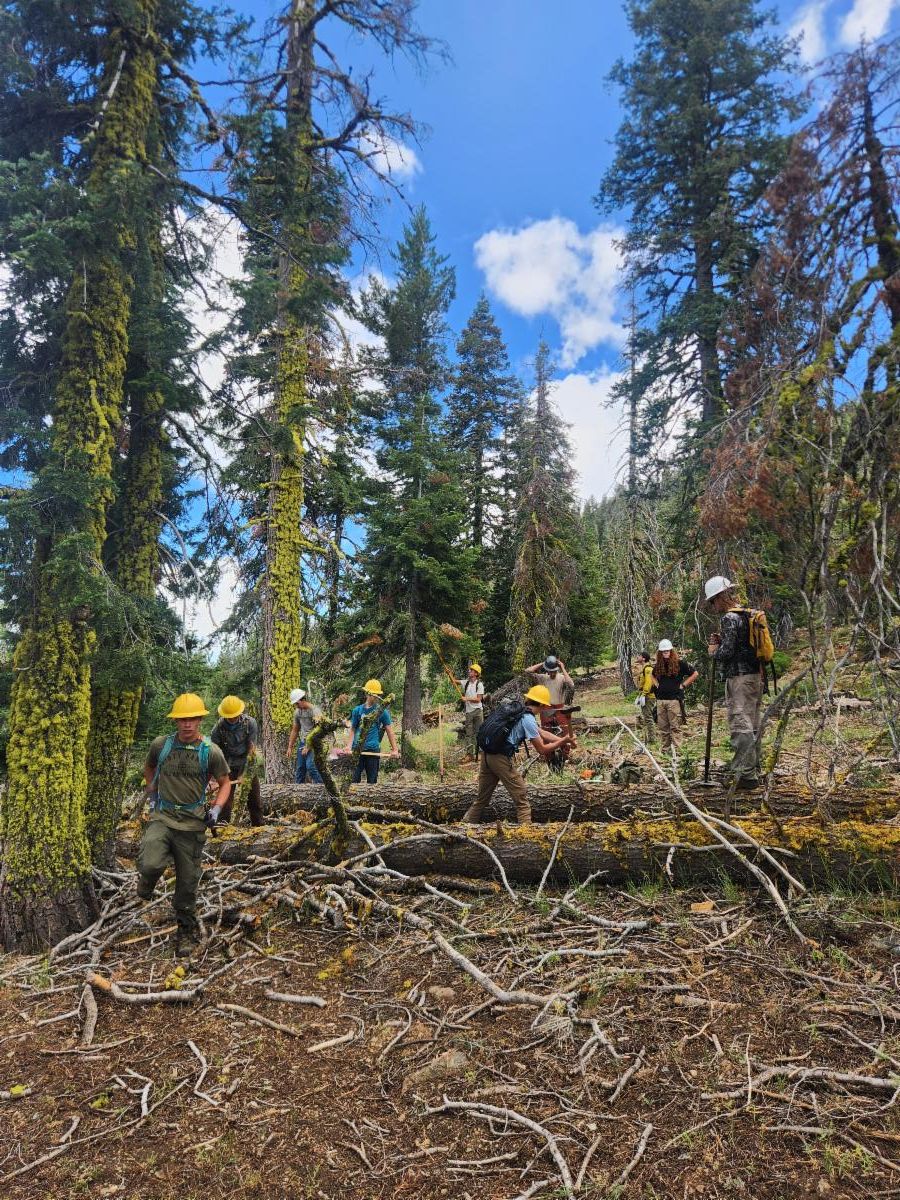
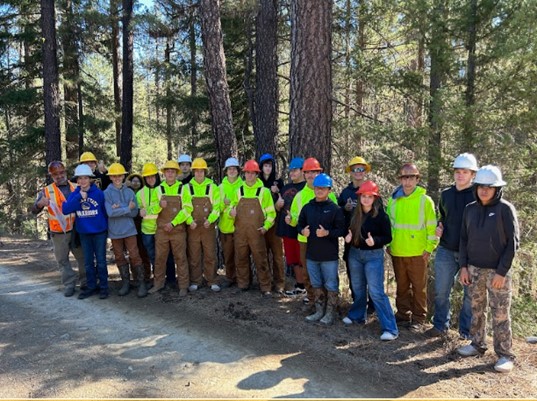
| | Youth crews from Etna, Hayfork, and Weaverville combine all that they know and begin clearing a trail with the intention of clearing all the way to the Pacific Crest Trail (PCT), with the assistance of the U.S. Forest Service (USFS). | | |
CareerQuest Summer Internships
Reach Higher Shasta and its partners are preparing to launch a coordinated summer internship experience that will connect students with employers in environmental and related industries. With strong partnerships formalized and employer outreach underway, the program is positioned to offer meaningful, paid experiences that build career readiness while strengthening the regional workforce pipeline. As recruitment begins this spring, students across the county will have expanded access to real-world opportunities that align learning with livelihood.
| | |
Growing Environmental Education Infrastructure in Shasta County
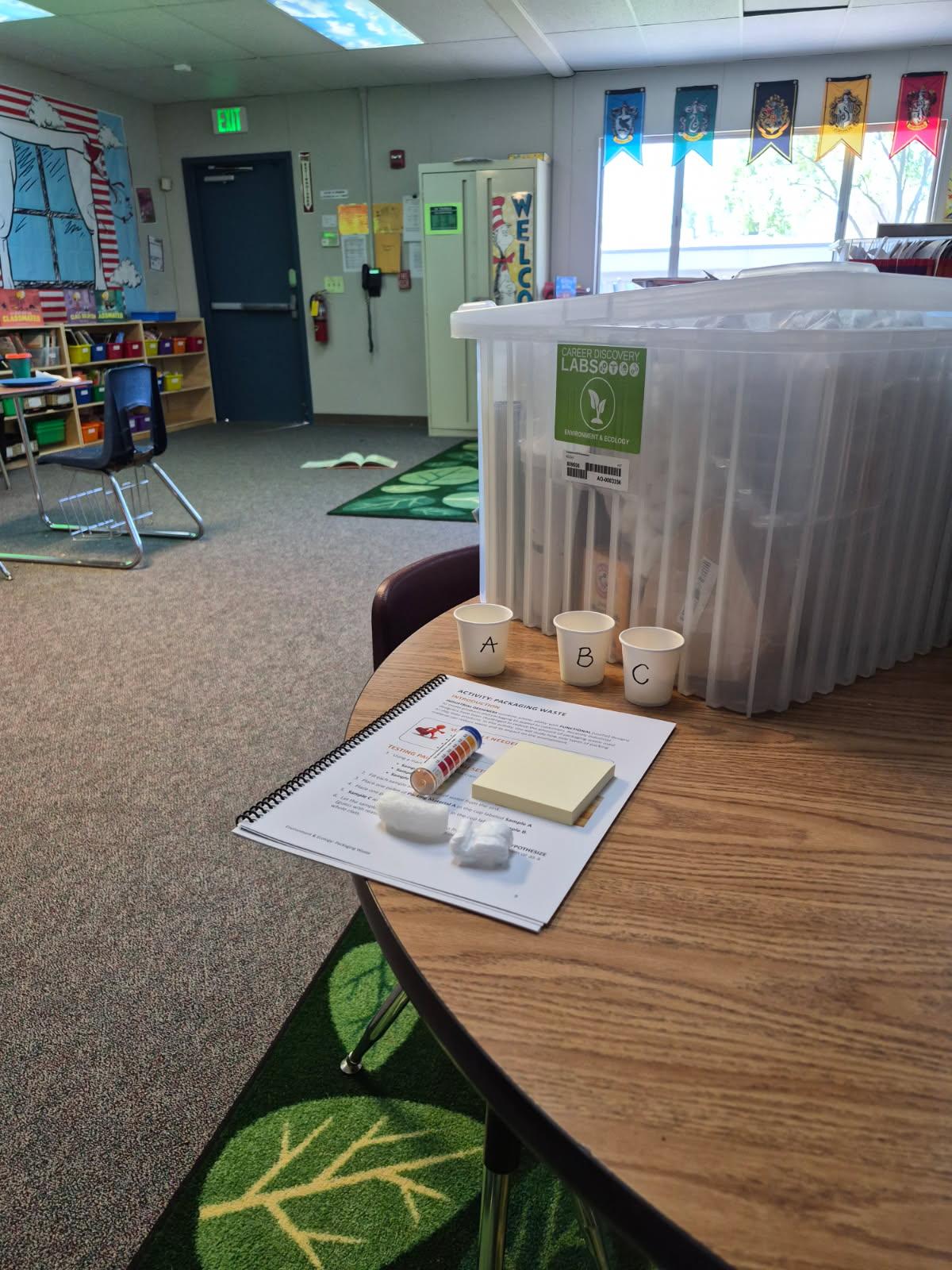
Across Shasta County, three Paxton Patterson Alternative Energy curriculum kits are now operational, bringing applied environmental and energy-focused learning directly into classrooms. At West Valley High School, installation plans for a new aquaponics system are underway, expanding hands-on exploration of sustainable food systems and applied science. These investments are building lasting instructional capacity and ensuring students have access to modern, career-connected learning environments.
| | Growing Environmental Education Infrastructure in Shasta County - Redding Achieve preparing Paxton Patterson kit on Packing Waste. | | Cradle 2 Career 4 Siskiyou | | |
Empowering Siskiyou, Trinity, and Modoc Students in Forestry and Natural Resources
Serving students across Siskiyou, Trinity, and Modoc counties, Cradle 2 Career 4 Siskiyou, in partnership with SiskiyouWorks, continues to expand immersive, field-based learning that brings natural resource careers to life.
Students have participated in salmon spawning surveys, watershed education, forestry and wildfire
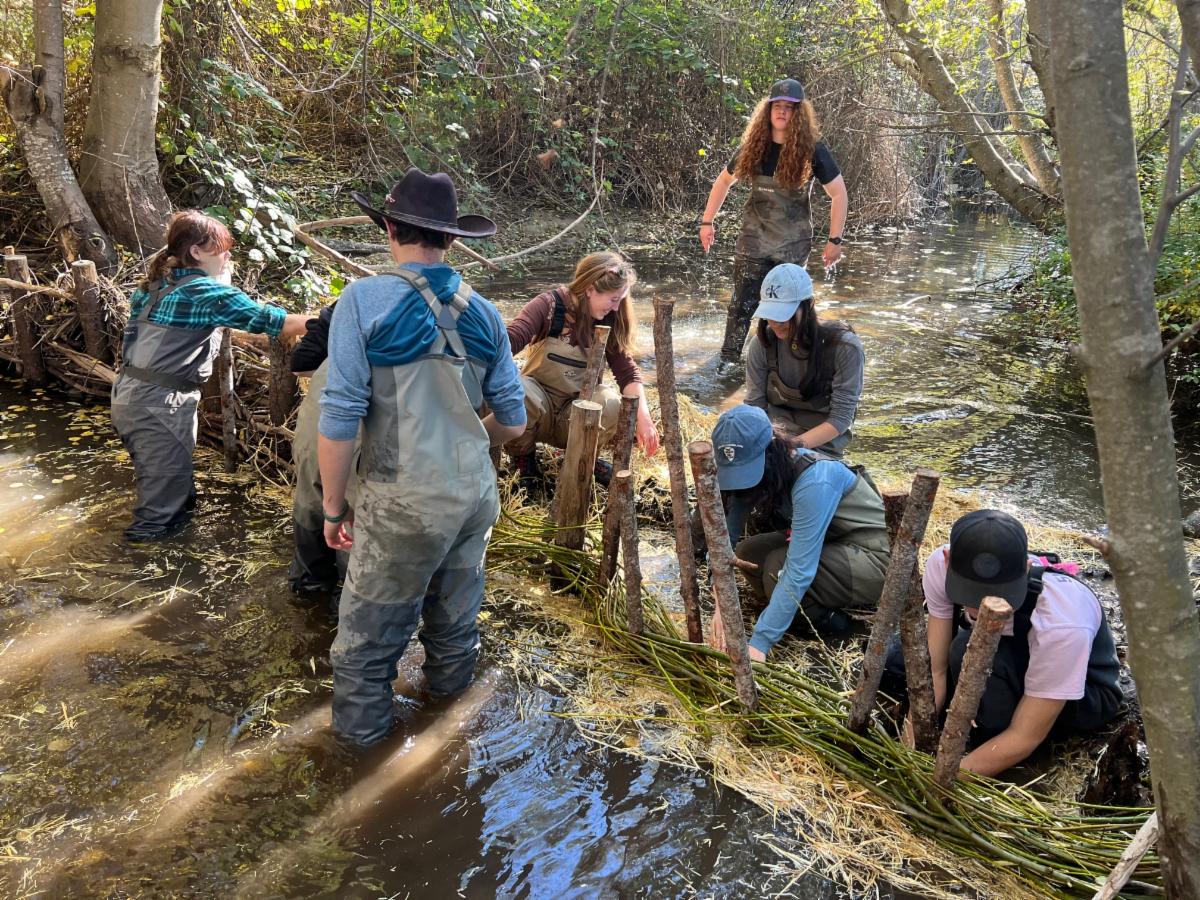
| | Scott River Restorative Council: Students building a beaver damn at French Creek. | | training, water quality testing, and ecosystem restoration site visits. Several students are completing wildland firefighter training with stipend support — an important step toward entering high-demand regional careers. Through deepened school partnerships and sustained coordination across a large rural region, access to work-based learning continues to grow. Student interest remains strong, and programming is set to expand further in spring 2026. | | |
Strengthening Environmental Stewardship through CTE and Construction Management
A major milestone this quarter was the arrival of the Tiny House trailer at Red Bluff High School. With materials secured and infrastructure in place, students are preparing to move into active construction. This hands-on project connects classroom instruction with sustainable building practices and industry-aligned skills, giving students practical experience while
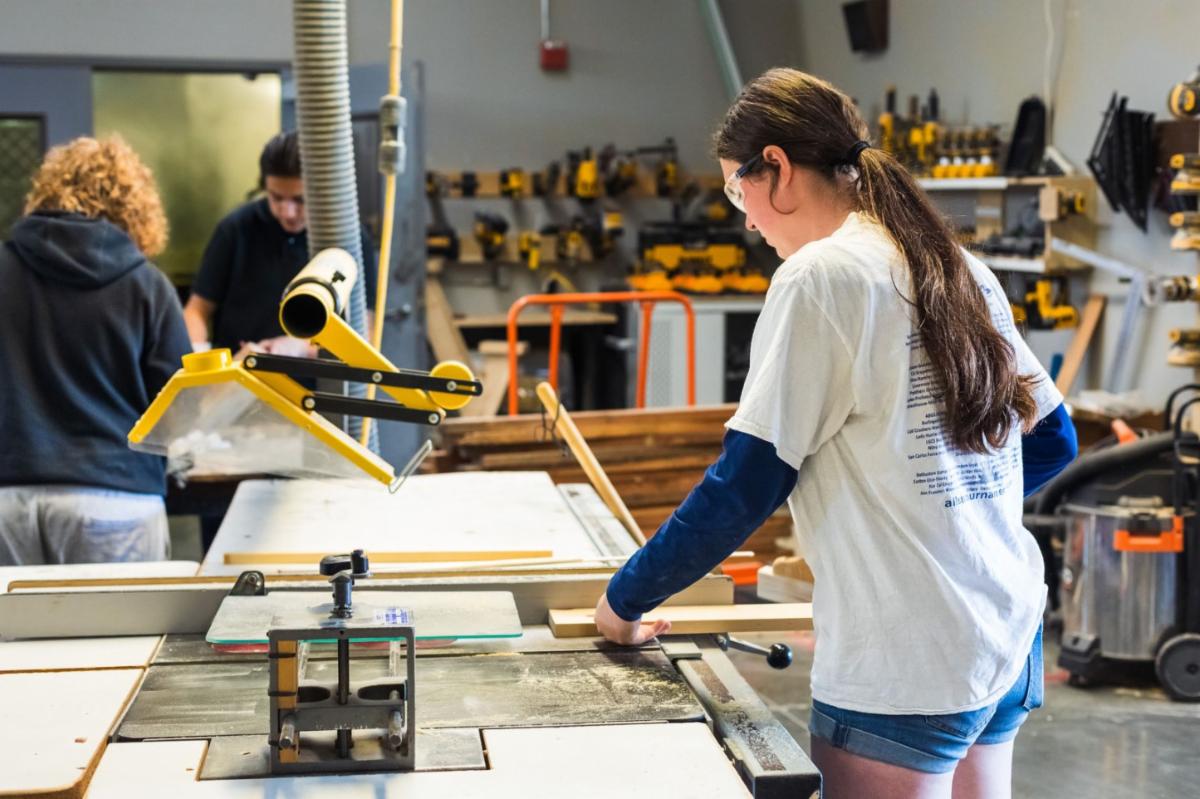
| | Strengthening Environmental Stewardship through CTE and Construction Management: As part of the Tiny House project, students gain hands-on experience in construction and design, building real-world skills that connect directly to careers in environmental stewardship and the skilled trades. | | |
reinforcing pathways into construction and environmental stewardship careers.
As one instructor shared, “There’s something different about a project students can see and touch—it’s no longer theoretical, it’s transformational.” The Tiny House project embodies that transformation — turning classroom concepts into real-world application while building both confidence and career-ready skills.
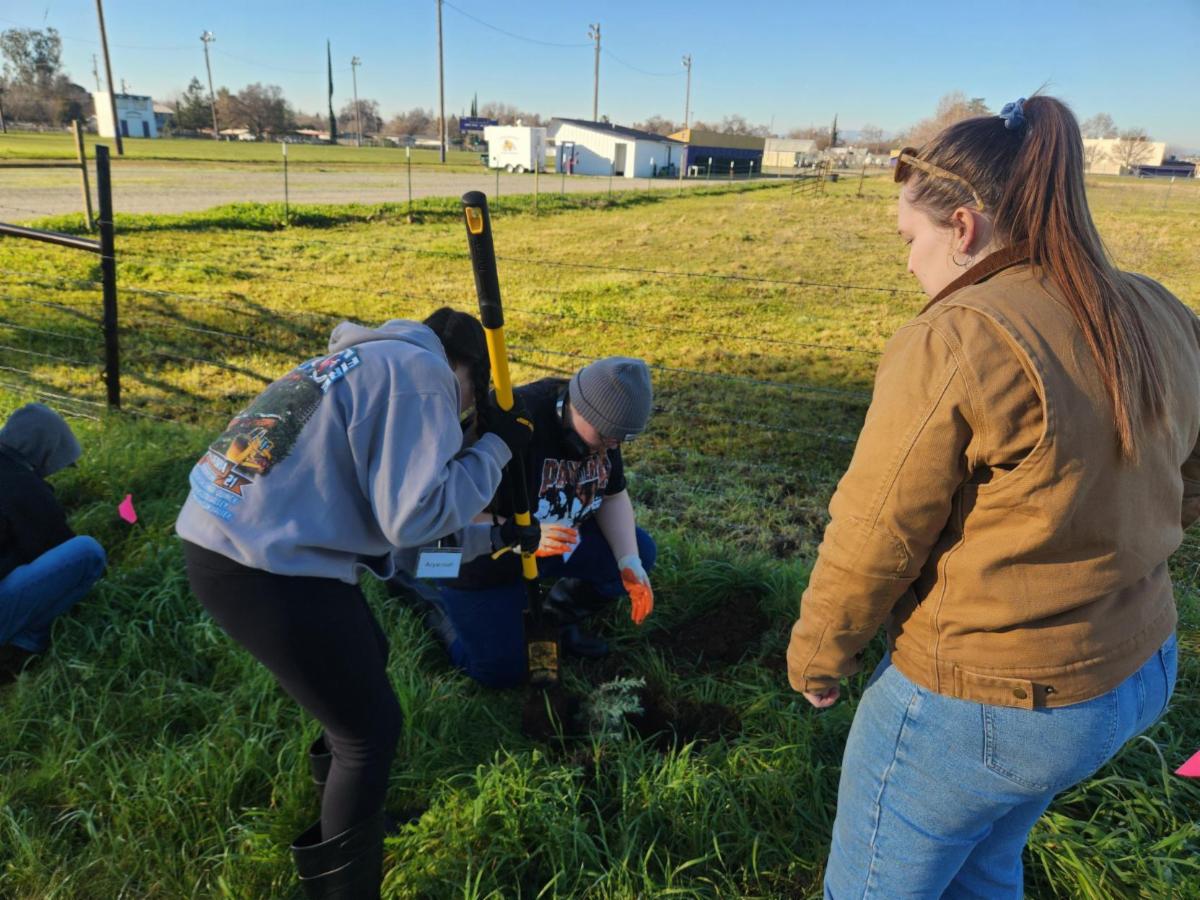
| | Student and Landowner Education and Watershed Stewardship (SLEWS): Students and mentors work together on planting project. | | |
Student and Landowner Education and Watershed Stewardship (SLEWS)
At Los Molinos High School, students are gaining hands-on experience in environmental stewardship through field days that bring science, restoration, and mentorship together. This quarter, students planted 56 native species to establish the campus’s first-ever hedgerow, contributing directly to a long-term habitat and watershed improvement project.
| | |
During Field Days, students rotated through mentor-led learning stations exploring soil science and watershed health. One group shared how meaningful it was to physically study soil types pulled directly from the field, noting how the hands-on experience made the concepts feel real and engaging. These hands-on experiences also sparked conversations about future careers. One student shared an interest in becoming an attorney, and mentors helped connect that goal to environmental protection by explaining how legal professionals play a critical role in protecting land, water, and ecosystems.
Through these experiences, students are not only learning about stewardship — they are discovering the many ways they can help protect the landscapes and communities they call home.
| | |
Trinity County Environmental Stewards
Trinity Together is building toward a robust and equitable summer 2026 work-based learning program for Trinity County youth. This quarter, students engaged in a meadow restoration field trip at Corral Gulch, learning directly from watershed restoration professionals and heavy equipment operators about forestry, fisheries, and land stewardship careers.
| | Trinity & Hayfork High School students work at Corral Gulch. | | As curriculum is refined and partnerships continue to strengthen, the program is aligning closely with regional workforce needs — ensuring that Trinity County youth are prepared, supported, and connected to meaningful opportunities close to home. | | A Region Moving Forward Together | | |
Across counties, partners navigated vendor delays, scheduling constraints, and the realities of rural coordination — yet momentum never slowed. Instead, projects adapted, strengthened partnerships, and continued building toward full implementation.
What’s most exciting is what lies ahead:
- Paid summer internships launching across counties
- Expanded field-based environmental learning
- Active Tiny House construction and industry engagement
- Career fairs, certifications, and regional workforce alignment
- Increased student participation in restoration and stewardship projects
The North State’s environmental future is being shaped in classrooms, on restoration sites, in forests, and on construction trailers right now.
With strong partnerships, growing student engagement, and expanding hands-on opportunities, the North State is building more than programs — it is building a generation of environmental stewards and workforce leaders.
And the future of our region has never looked brighter.
| | Spring 2026 Activities at Dye Creek & Vina Plains! | | Come enjoy the spring season with The Nature Conservancy at the Dye Creek Preserve in Los Molinos and the Vina Plains Preserve in Vina. Registration is now open for activities at both preserves. | | Dye Creek Preserve Activities: | | | | There will be hiking sessions this Spring at Dye Creek, with options for hiking at your own pace or joining a guided hike. Registration is required at the link below for all activities. | | |
Canyon Trail Hiking
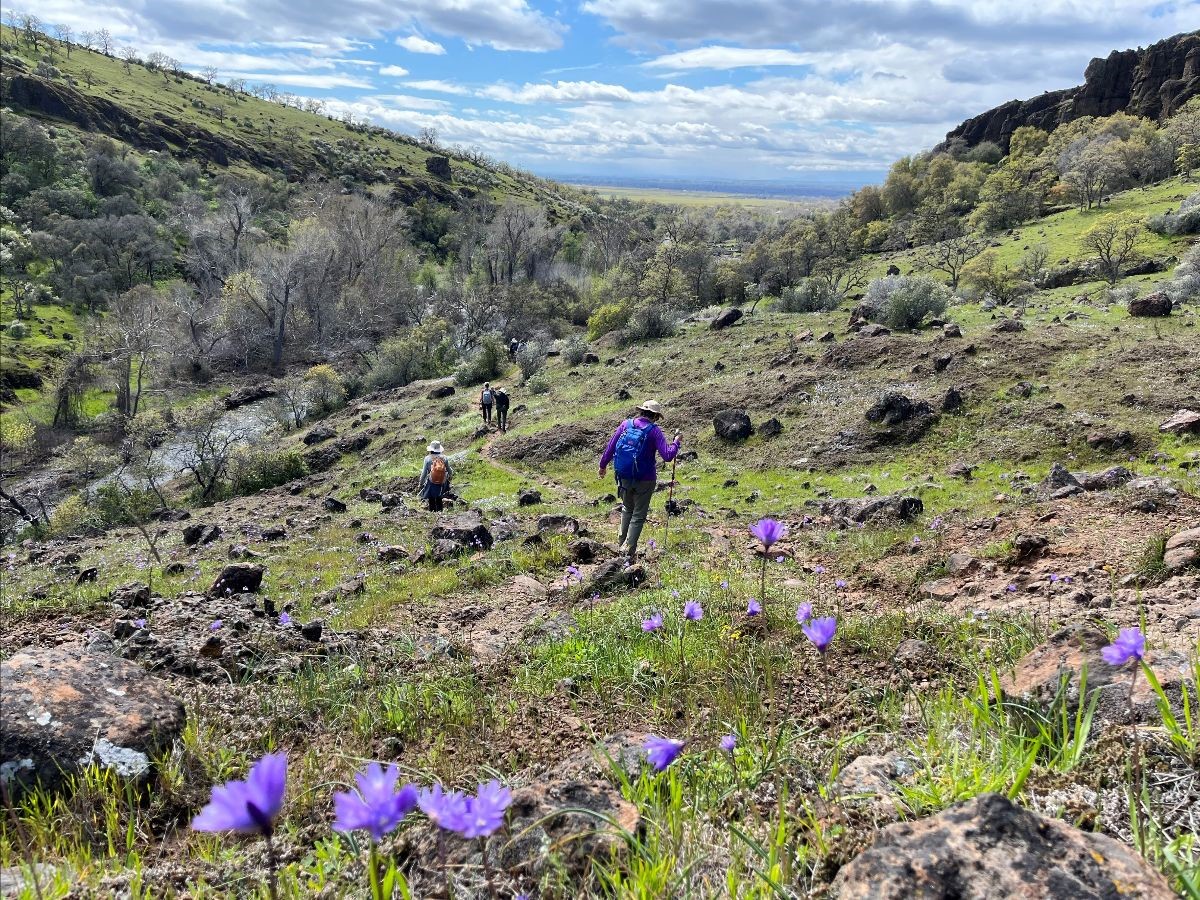
The preserve's rugged, rocky footpath leading into the Dye Creek canyon will be open for hiking at your own pace. The full out-and-back hike totals 5 miles, but you can turn around at any point for a shorter trip. Along the way, you can connect with Docents stationed on the trail to learn about the Preserve's geology, wildlife, habitats, and cultural history. All hikers must be registered for an orientation talk at 9:00, 9:30, 10:00, or 10:30am.
| | |
Guided Wildflower Walk
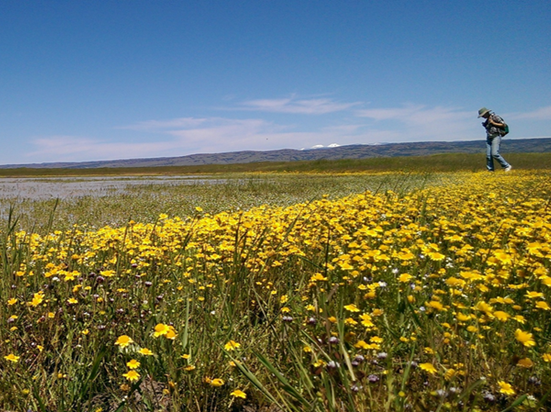
In a small group led by preserve staff and volunteer Docents, we will walk through open grasslands to observe a diverse array of wildflowers, birds and pollinators. The group will hike 2-3 miles at a leisurely pace. There will be very little elevation gain, but the dirt road will be rocky and potentially muddy. After this hike, you may hike on the Canyon Trail at your own pace.
| | Vina Plains Preserve Activities: | | The Vina Plains Preserve will host the following activities this spring. Each will start at 9:00am and conclude at 11:30am. While the preserve's rolling grasslands look smooth from a distance, cattle hoofprints can make the walking surface uneven. We recommend wearing boots that provide good ankle support. Registration is required for all activities. | |
| |
Vernal Pool Invertebrate Viewing
- March 28th
- Arrive between 9:00 am - 10:00 am
In this self-paced walk of about 1 mile, you can walk up to the edge of seasonal water bodies called vernal pools. Docents stationed at the pools will highlight rare invertebrates and a diverse array of wildflowers. This will be a "drop-in" event where you can decide how much time to spend at each Docent station, then depart when you are ready.
| | |
Bioblitz and iNaturalist Instruction
Learn to identify new species in this Docent-led walk through the western part of the preserve. We will offer tips and tricks for using your smartphone camera to identify species with the iNaturalist app, then we will identify as many species as we can during the trip! We will cover 3-4 miles.
| | Advance registration is required for all activities. Space is limited and will be filled on a first-come, first-served basis. Youth under 18 must be accompanied by a parent or guardian. Pets are not permitted for these events. Please note that the activity locations have little to no shade and that Vina Plains has no restroom facilities. | | |
Registration is now available for April's courses:
-
Digital Navigation Skills - Advanced: Wix Studio
(beginning Monday, April 6)
-
Digital Navigation Skills - Advanced: AI Introduction (beginning Tuesday, April 7)
| | | New CCA Publication: Measuring What Matters | | |
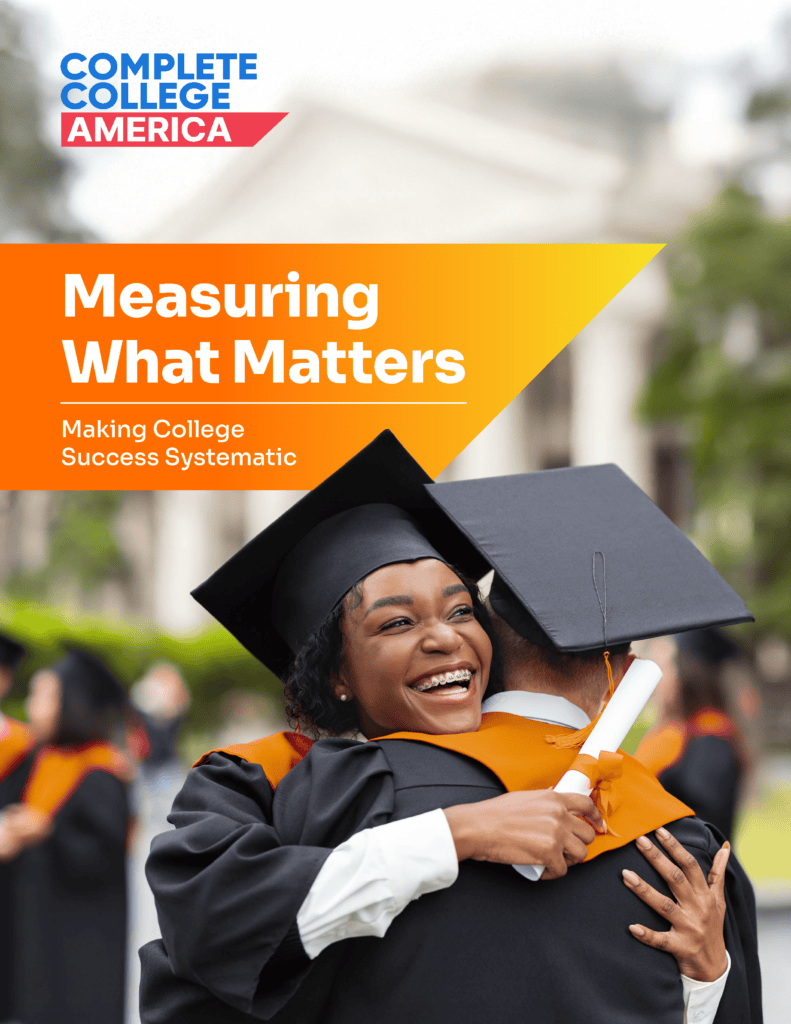
Complete College America has released a new resource, Measuring What Matters: Making College Success Systematic, designed to help institutions connect strategic plans with everyday action that supports student success.
The publication offers practical guidance on building measurement systems that tie high-level goals, such as graduation and completion rates, to leading indicators and operational data. It also includes tools such as dashboard templates, assessment rubrics, and meeting protocols to support effective data-driven decision-making across campus teams. The guide highlights how systematic measurement can transform strategic plans into meaningful improvements in student outcomes.
| | | |
Updated Strong Start to Finish Core Principles Released
| | research, and higher education practice, the updated framework provides guidance for institutions and systems seeking to remove barriers that prevent students from progressing quickly into college-level coursework. The principles emphasize enrolling students directly into college-level math and English with corequisite support, using high school GPA as the primary placement measure, and advancing reforms grounded in strong data and evidence. Colleges and systems interested in implementing these approaches are encouraged to connect with their Alliance Engagement Director to learn more about joining this national reform effort. | |
Navigating University Events
This section is your guide to exciting events and opportunities at UC Davis and CSU Chico! Whether it's workshops, conferences, networking events, or student engagement activities, this section keeps you informed about ways to connect, learn, and grow. Stay tuned for upcoming opportunities to engage with these universities and make the most of their resources!
| | |
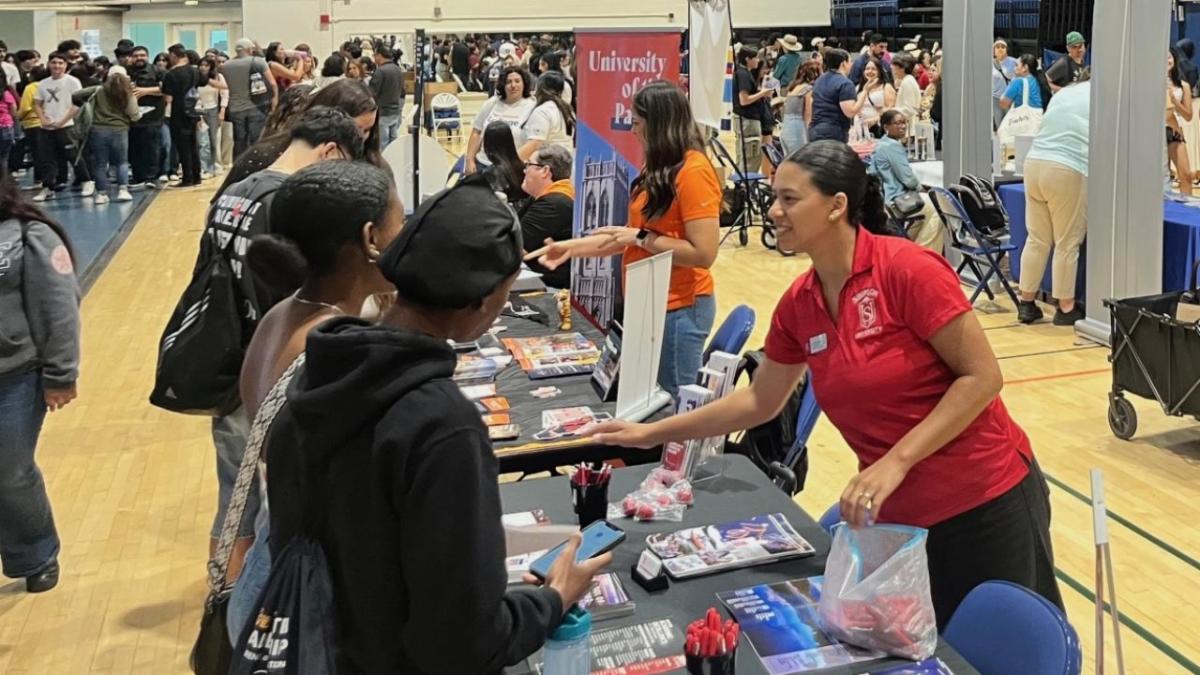
| Since its inception in 1909, Picnic Day has become UC Davis’s signature event and one of the largest student-run events in the nation. It showcases the richness of research, teaching, service, and campus life at UC Davis and in the surrounding community. | | | | Avanza Rising Scholarship Conference | | The Avanza Rising Scholars Conference (formerly the Cesar Chavez Leadership Conference, CCLC) is a free college and career motivational event for junior high, high school and community college students, as well as parents and community members. The goal of this annual conference is to introduce the value of attending college - particularly to individuals who may not be considering higher education due to lack of information or financial resources. | | |
Each year, the conference delivers an engaging program that:
- Encourage the idea that all individuals are leaders
- Provide information on UC and CSU admission requirements
- Explain transfer pathways from the California Community College system to the UC system
- Introduce a range of career pathways, including medicine, pharmacy, engineering, and social sciences
- Offer an exhibitor session featuring campus and community partners sharing college, career, and student support resources
| | | | | |
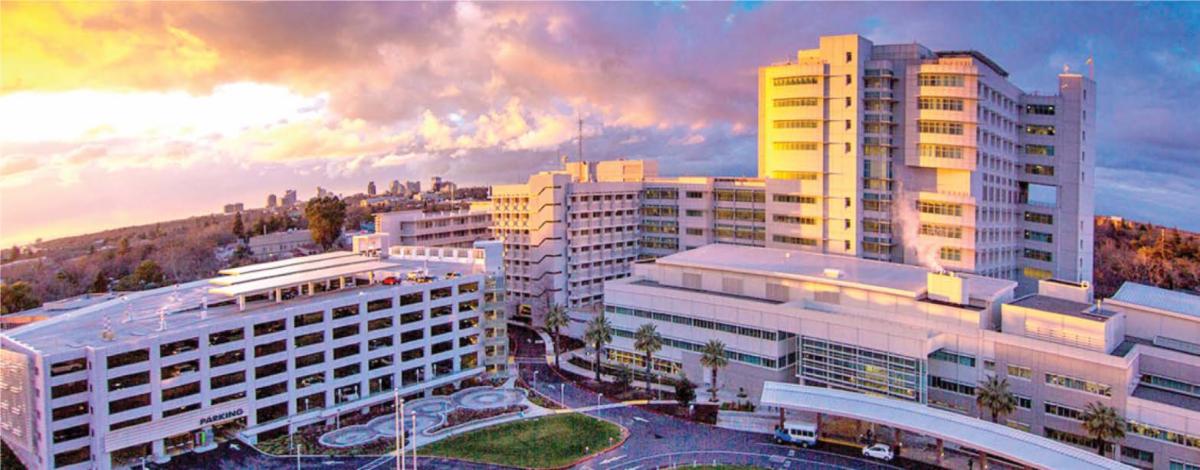
Fostering the Future will return this summer, hosted by RESURG at UC Davis Medical Center on Saturday and Sunday, June 13–14, 2026.
This free, two-day experience gives high school students hands-on exposure to healthcare and research careers.
| | |
The 2026 curriculum includes:
- Suture and knot-tying workshop with UC Davis health professionals
- UC Davis Health campus tour, including medical simulation spaces and an ultrasound demonstration
- Networking panel with surgeons, residents, nurses, and physician assistants
- Resume-building workshop with hands-on guidance
Applications are now open and will close on Wednesday, April 8, 2026, at 11:59 PM. This year, RESURG will be accepting all North State students who submit an application!
| | | | |
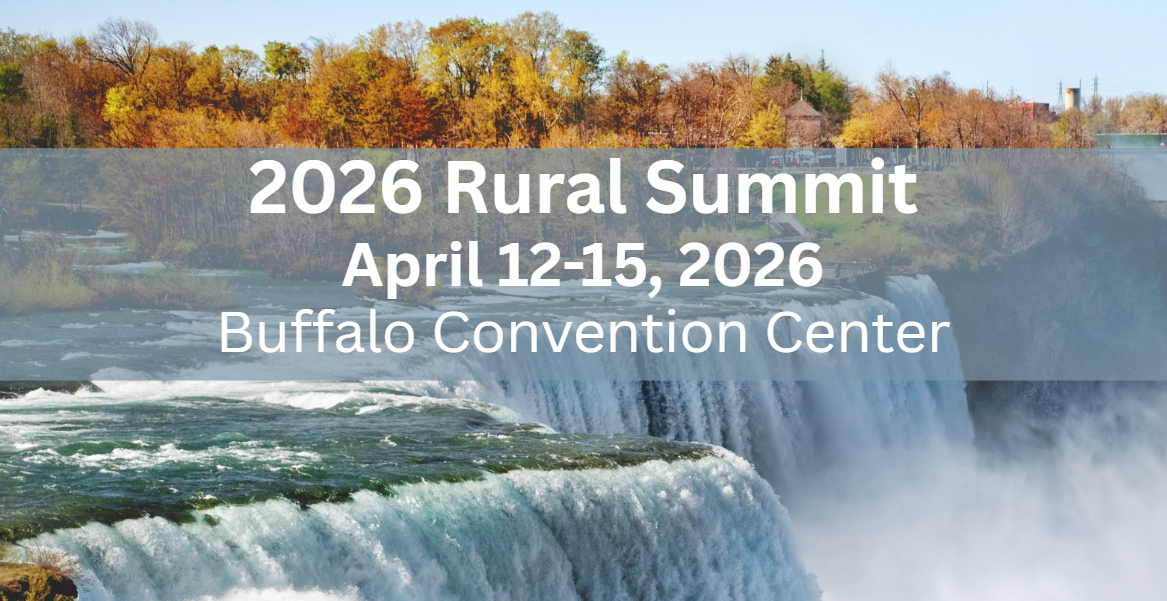
2026 Rural Summit for Cradle to Career Success
April 12 - 15, 2026
| | |
The annual Rural Summit, hosted by Partners for Rural Impact, will take place April 12–15, 2026, at the Buffalo Convention Center in Buffalo, New York. This national gathering brings together educators, community leaders, workforce professionals, and changemakers dedicated to improving outcomes for rural children and families.
The summit provides a powerful space to share ideas, showcase proven practices, and strengthen partnerships that support youth success from cradle to career.
| | | |
North State Together
Downtown Redding
Community Leadership Center
1401 California Street, 4th floor
Redding, CA 96001
| | CONNECT ** COLLABORATE ** CONTRIBUTE | | |
|
OUR VISION
North State Together is a regional network of cross-sector partners who have come together to strengthen educational outcomes from cradle to career for ALL in far Northern California.
| | |
OUR MISSION
To increase community vitality by increasing educational access and success in the North State through local solutions within a regional support framework.
| | |
OUR VALUES
We are community, data, equity, and relationship driven.
| | | | |