Two Seasons, "wet" and "dry"
As a kid, we joked that California had two seasons: “wet” and “dry.” This year, both seasons promise to be more extreme versions than experienced in the past. Our hills are more charred than golden. And, this winter’s El Ninõ promises to bring significant coastal flooding and warmer waters that will impact both land and sea life.
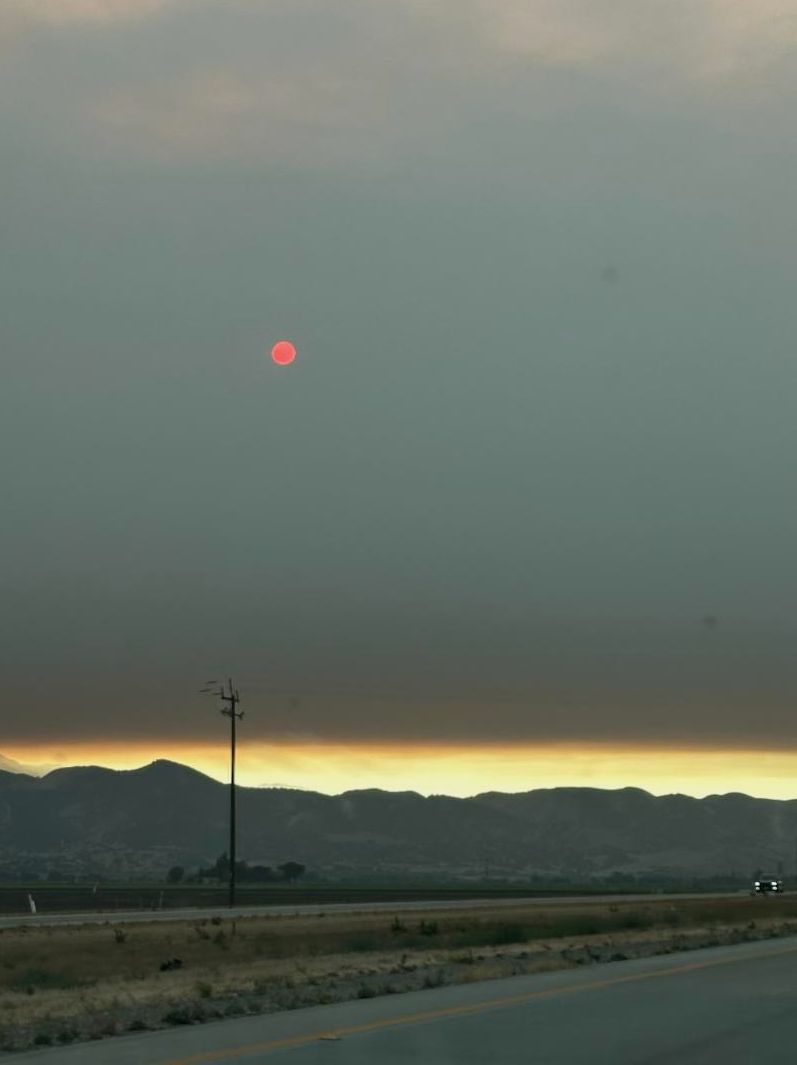
Driving up Highway 101 this past weekend, evidence of the extreme “dry” season was abundant, with wildfire smoke from the Plaskett and Timber fires casting an eerie Halloween haze over the ridgeline and the sun (photo: on the 101, San Lucas, CA). The Ridge Fire left swaths of scorched earth and blacked trees along significant stretches of the Grapevine, and the Antelope Fire on Route 46 between Kecks Corner and Paso Robles turned the golden hills to black char.
Can it get any drier or wetter? California’s upcoming 5th Climate Assessment data confirms yes, it can, and it will. Storm models from the 5th Climate Assessment also demonstrate the potential for a 100-year sea level rise scenario that could impact over 20,000 central coast residents. For comparison, the 2023-2024 El Ninõ impacted 3,000 residents, causing billions of dollars of infrastructure damage to the Santa Cruz Pier, the Harbor Marina, and boats. Here in the Monterey Bay region models are projecting a 24% increase in sea level rise over the winter.
So, what are our coastal communities doing to reduce wildfire impacts and potential flooding due to an intense El Ninõ?
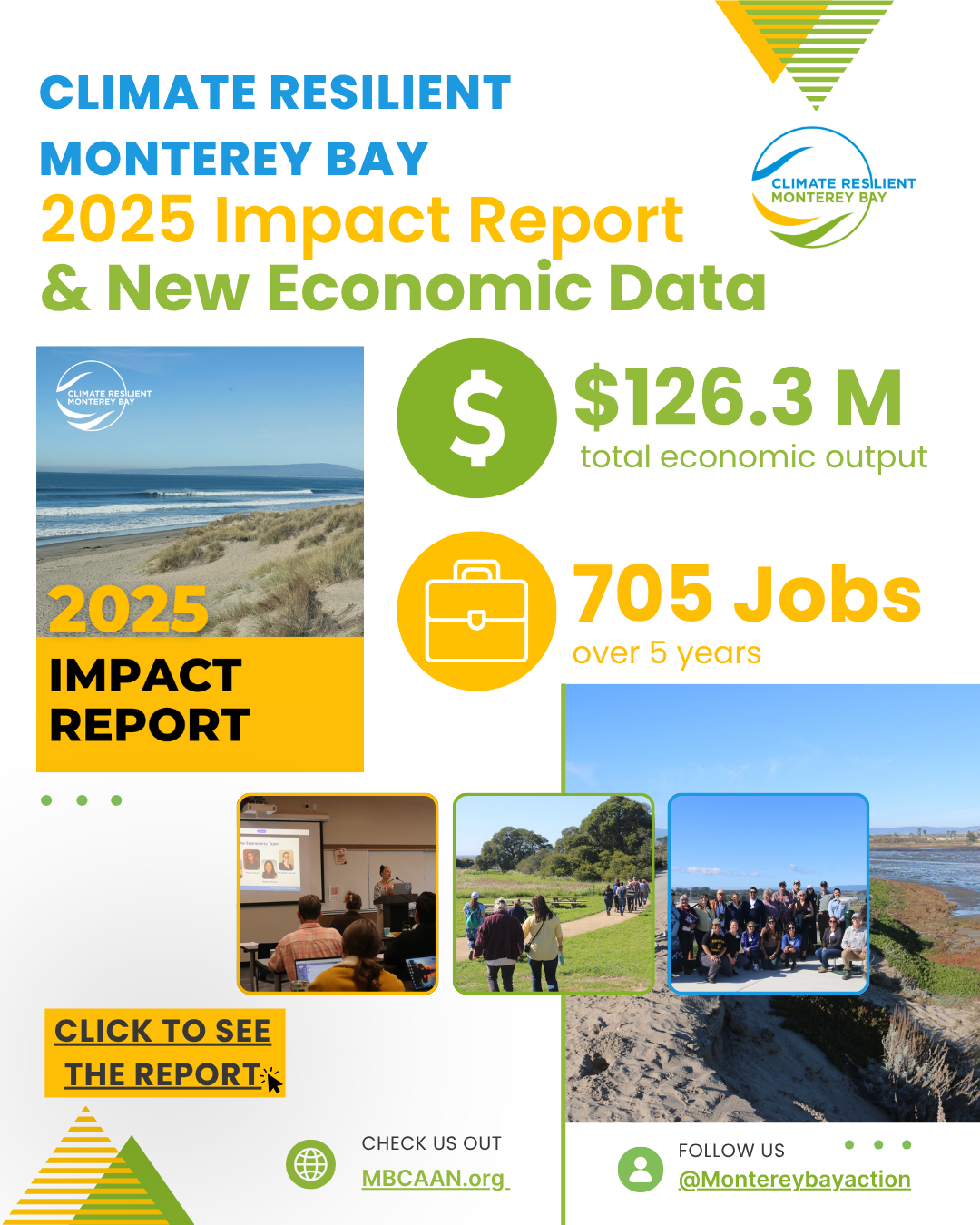
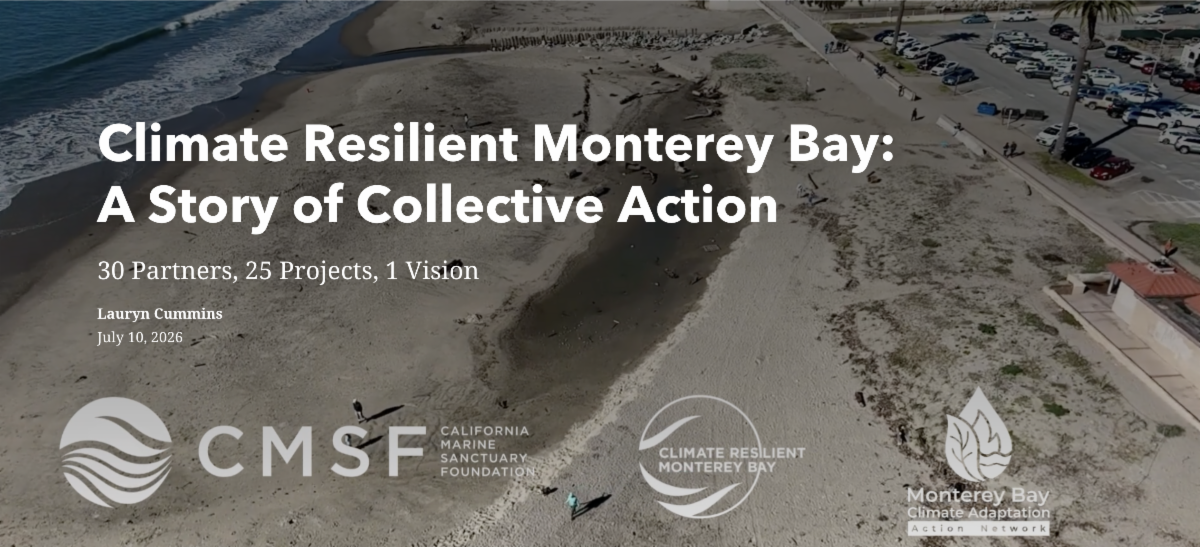
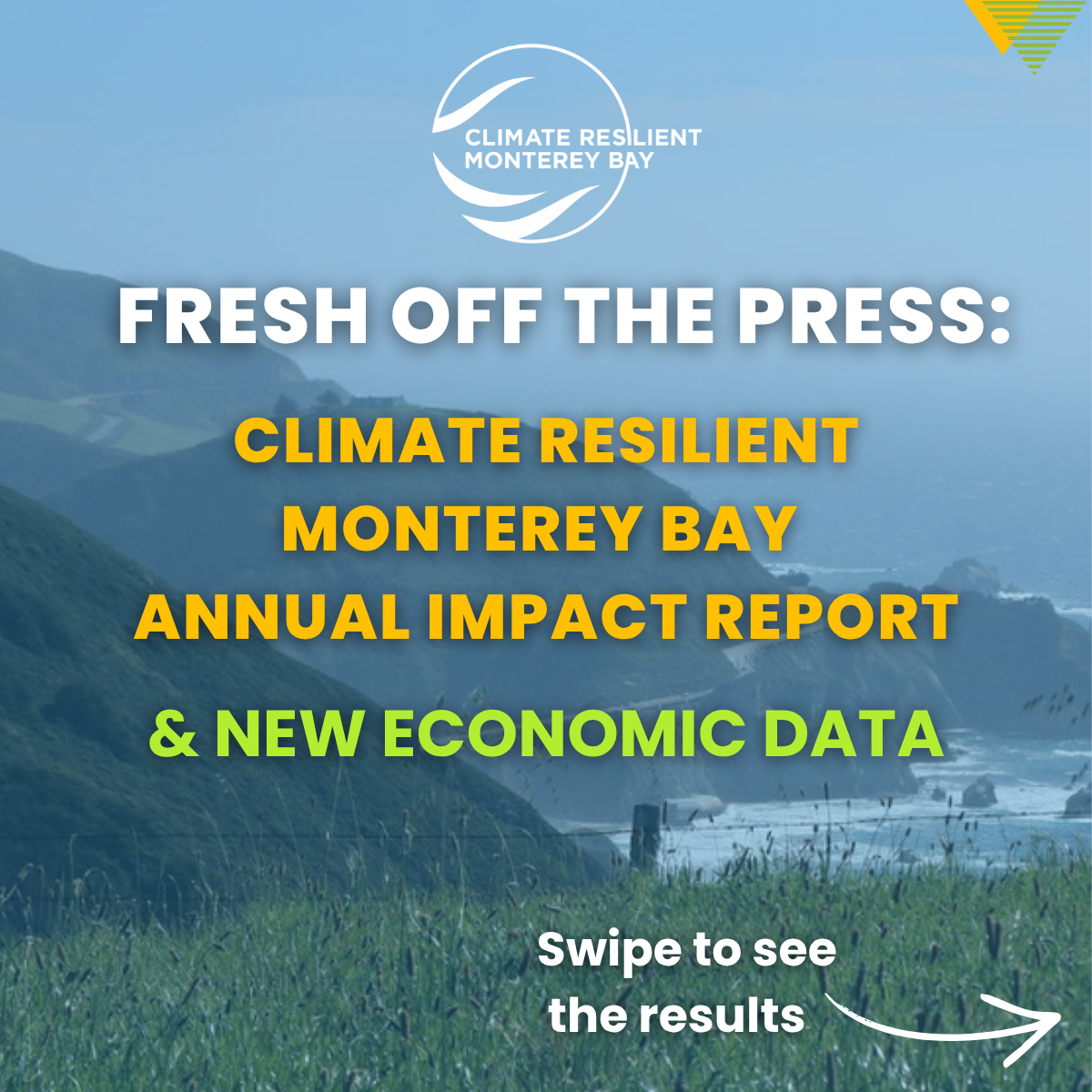
The Climate Resilient Monterey Bay Impact Report and Story Map highlighted further in this Newsletter provide information about progress being made across the region to implement adaptation strategies designed to reduce extreme wildfire and flood impacts.
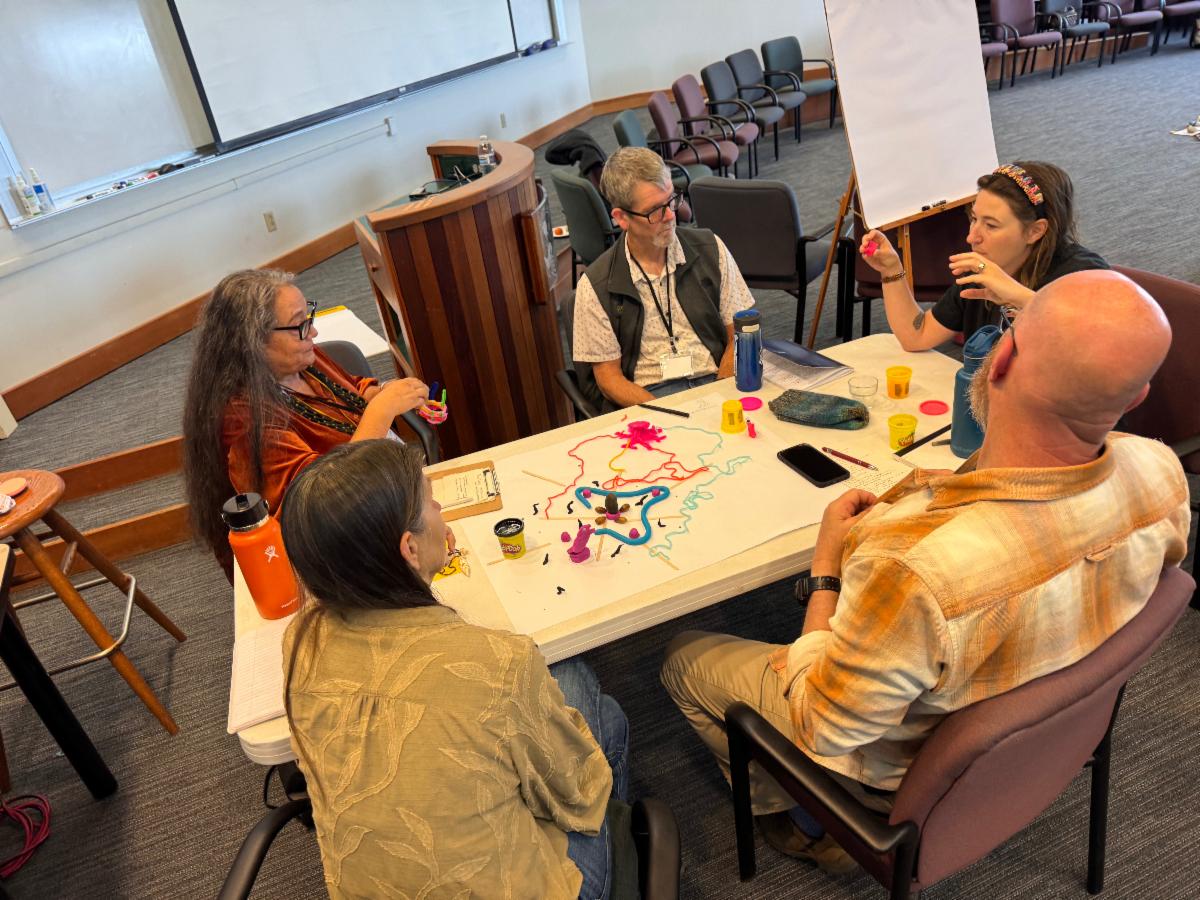
The Resilient California Summit this October in Sacramento will bring together practitioners, decision-makers, researchers, and community members from across the state to address climate acceleration, insights from the 5th Climate Assessment and interactive sessions to develop strategies for the future of all Californians. Two of those sessions will be led by Jesse Traller Ojeda and Emily Franc to showcase the collaborative work being done through Climate Resilient Monterey Bay and the Monterey Bay Climate Adaptation Network to reduce fire and flooding impacts and support a resilient workforce.
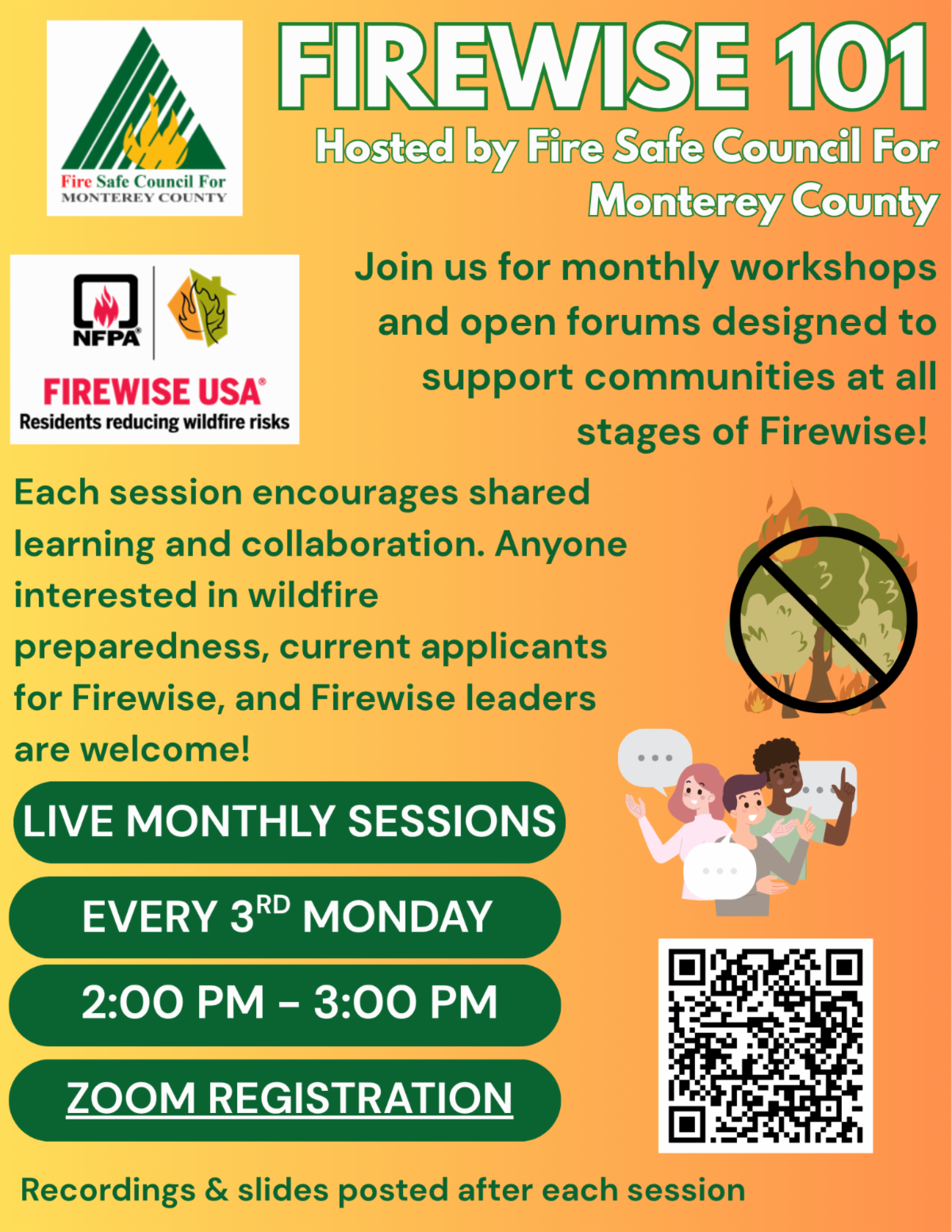
Read further to participate in a Wildfire Resilience Workforce Training Survey, attend Firesafe Council meetings, and plan to attend the upcoming Fall MBCAAN Quarterly Meeting in October and the Central Coast Climate Resilience Symposium in December.
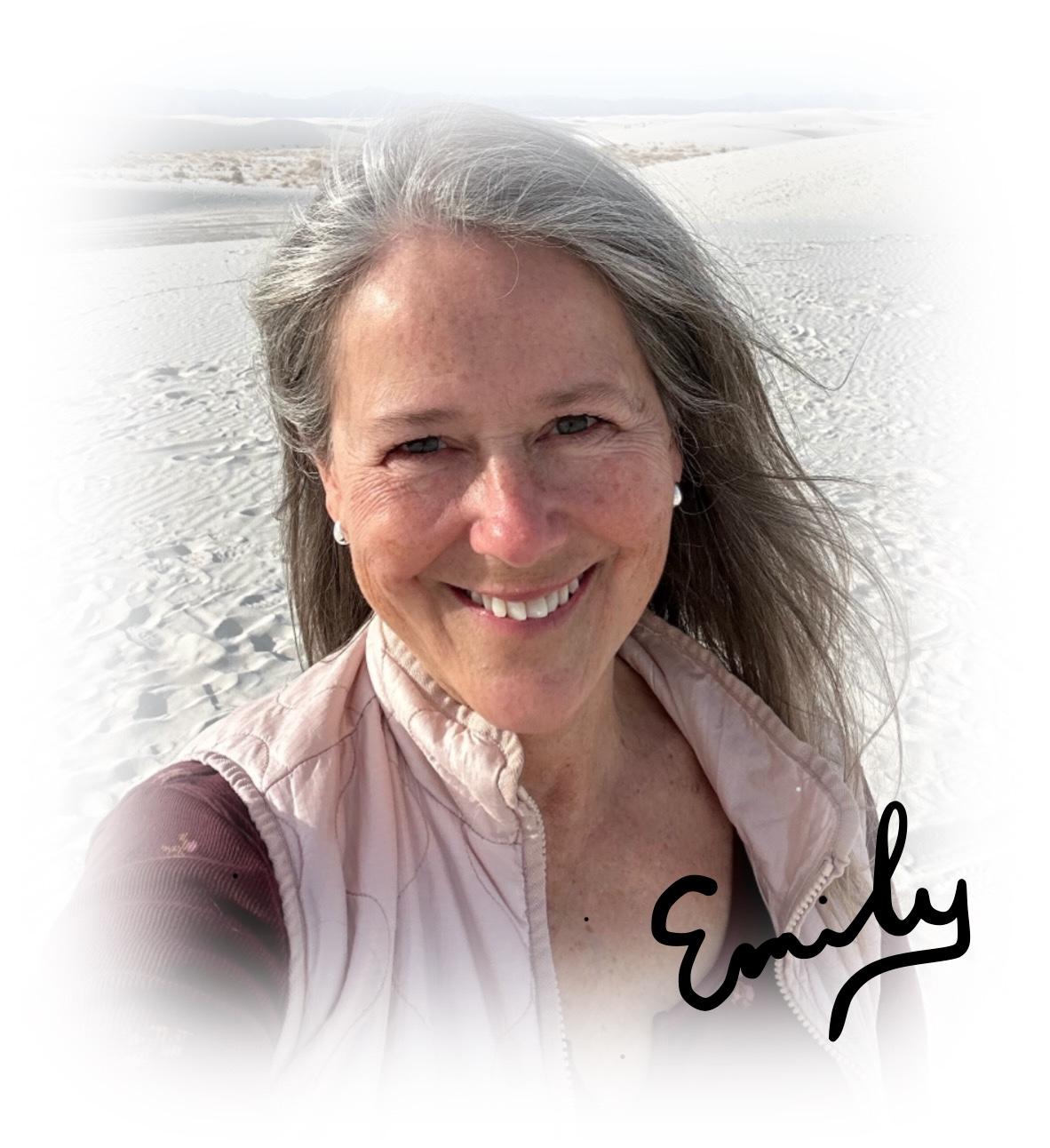
-Emily Franc
|