MBREDC March 2025 Newsletter

Census Population Figures Reveal

South Carolina Growth

In 2022, when the Census Bureau put out its five-year numbers in the American Community Survey, measuring trends between 2017 and 2021, the numbers showed just shy of 121,000 residents had moved to South Carolina from other states.

Updated numbers recently released show that between 2019 and 2023, 161,385 new South Carolina residents came from another state.

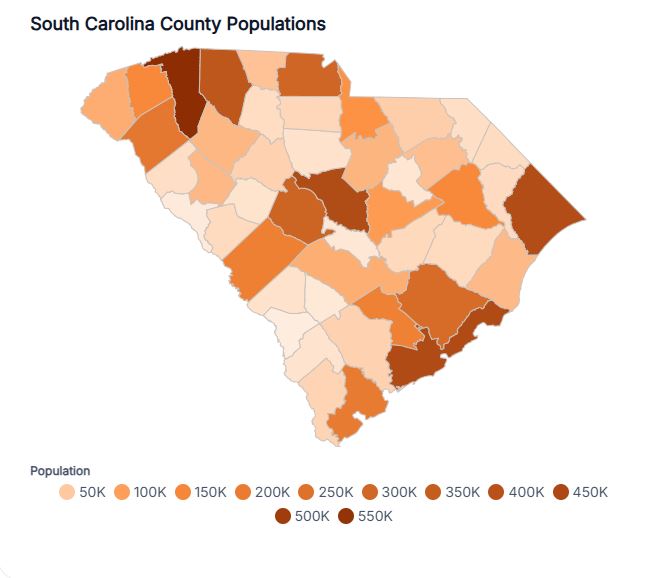
More than half of those new residents – 91,298 – concentrated in six counties: Greenville (18,332), Horry (17,683), Charleston (16,757), Richland (15,912), York (11,913), and Beaufort (10,683).

While the state as a whole saw significant growth, certain counties experienced more dramatic increases, particularly along the coast and in major urban areas. 

Greenville County had a significant increase, and coastal counties like Horry (Myrtle Beach) and Berkeley saw substantial growth. 

Some reasons for people moving to South Carolina include the weather, geography, lifestyle, and the presence of new businesses and employment opportunities. 

Myrtle Beach Area Chamber of Commerce Announces New President & CEO


The MBACC has announced that Matt Pivarnik was selected as their next president & CEO after a months-long search process.

Pivarnik will officially assume the role in mid-May, however he is planning to attend the chamber's Annual Meeting on April 10. Pivarnik brings over 30 years of leadership experience, most recently as CEO of the Greater Topeka Partnership in Kansas.

The MBREDC welcomes Mr. Pivarnik to the Myrtle Beach area!


We would also like to thank Tracy Conner, who served as interim President and CEO during the search process, for his leadership and guidance. We wish Mr. Conner the best in his next endeavor.

Learn More

The Workforce Factor: How States Are Competing to Build Tomorrow's Talent

States with top programs share a few elements that make them standout.

When companies look to expand or relocate, workforce development is no longer an afterthought—it’s a primary factor in site selection. The days of simply considering grants or tax breaks are gone. For many businesses, especially in sectors like manufacturing and advanced technologies, the question is: Can you provide the skilled workers I need today and train the workforce I’ll need tomorrow?


Five states—Georgia, Virginia, South Carolina, Louisiana, and Alabama—lead the way in workforce development according to Area Development’s Top States for Doing Business rankings. But what makes these programs stand out?


In South Carolina, the ReadySC program excels in developing custom curricula in partnership with local businesses. The state’s ability to adapt training for different industries—from automotive to high-tech manufacturing—has made it one of the top workforce programs in the country.

Read More

Ride 3 Dashboard

Check here for the status and details of Ride 3 Projects.

Dashboard

Upcoming MBREDC Events

Interested in sponsoring a 2025

MBREDC Event?

Benefits of sponsoring:  

  • Your company name/logo/hyperlink emailed in the invitation to all MBREDC members at least twice prior to the event. 
  • Your company name/logo displayed at the event. 
  • 3-5 minutes to discuss your business during the event. 
  • Opportunity to hand out and/or display materials during the event. 
  • Shared guest list after the event. 
  • Additional invitations to the event as possible. 


Contact Sandra James for more information

and to reserve an event in 2025

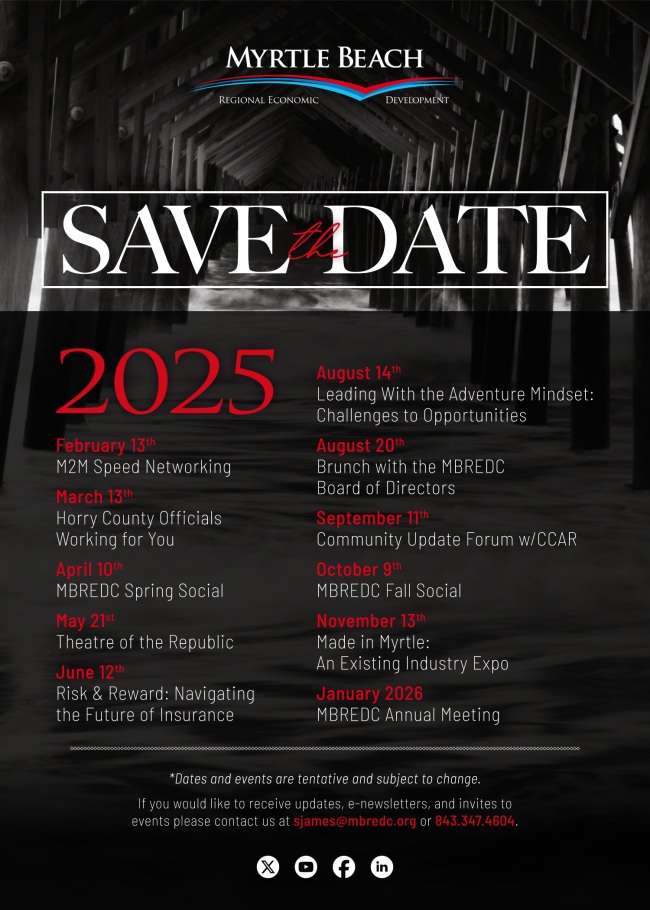
MBREDC April Event

Let's Play Ball!


Join the MBREDC for our Spring Social held at the Myrtle Beach Pelicans on Thursday, April 10, 2025. Enjoy an evening of food, drinks, networking, and of course baseball!

Location:

Myrtle Beach Pelicans

1251 21st Ave. North, Myrtle Beach, 29577

Date & Time:

Apr 10, 2025

Gates open at 5:30

Game begins at 6:30


The MBREDC group will be located in the "Pelican's Beach" area. Pick up tickets at the MBREDC table located at the entrance.

You must register for tickets in advance.


Register

Event Sponsors:

MBREDC Events

The MBREDC Industry Awareness Class News

2024-2025

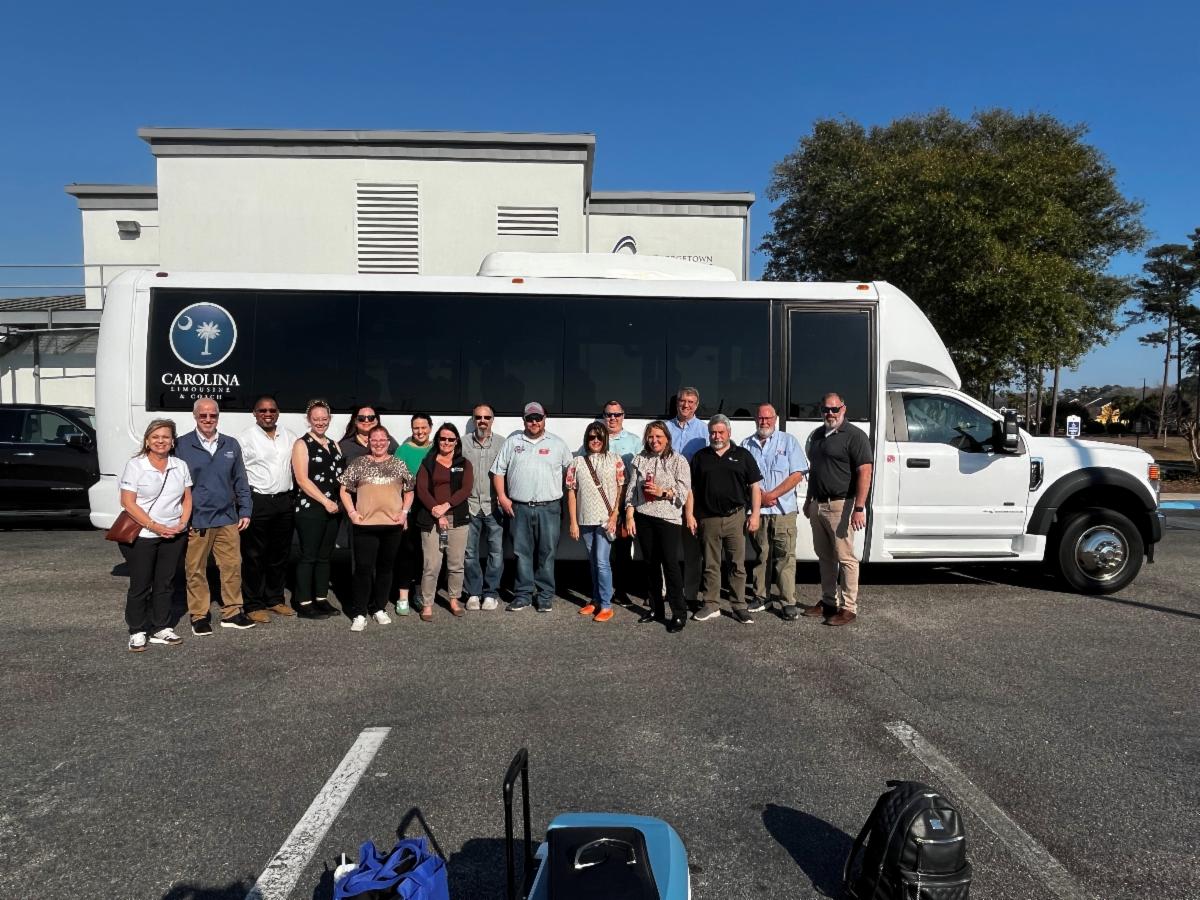
The Industry Awareness Class

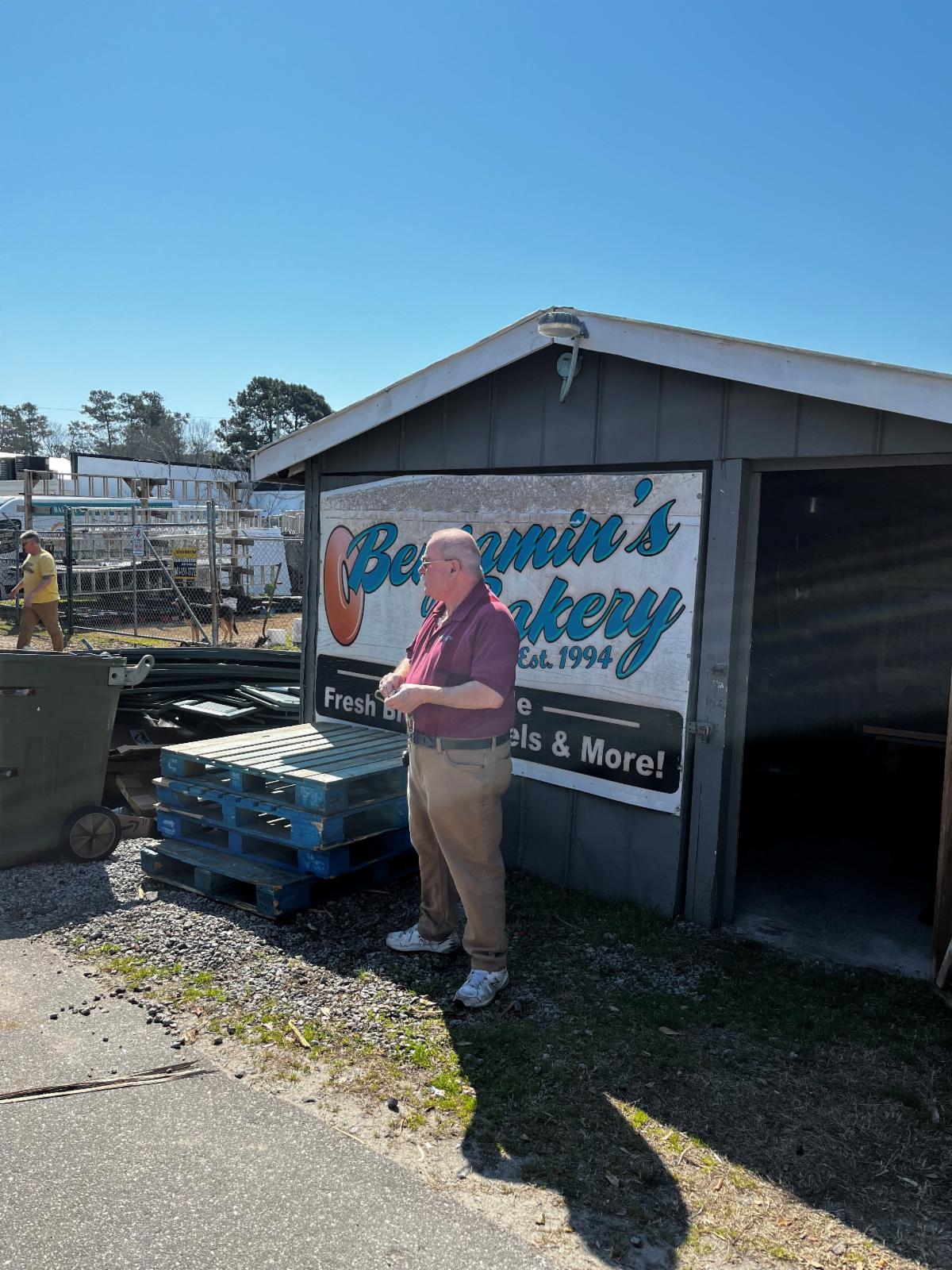
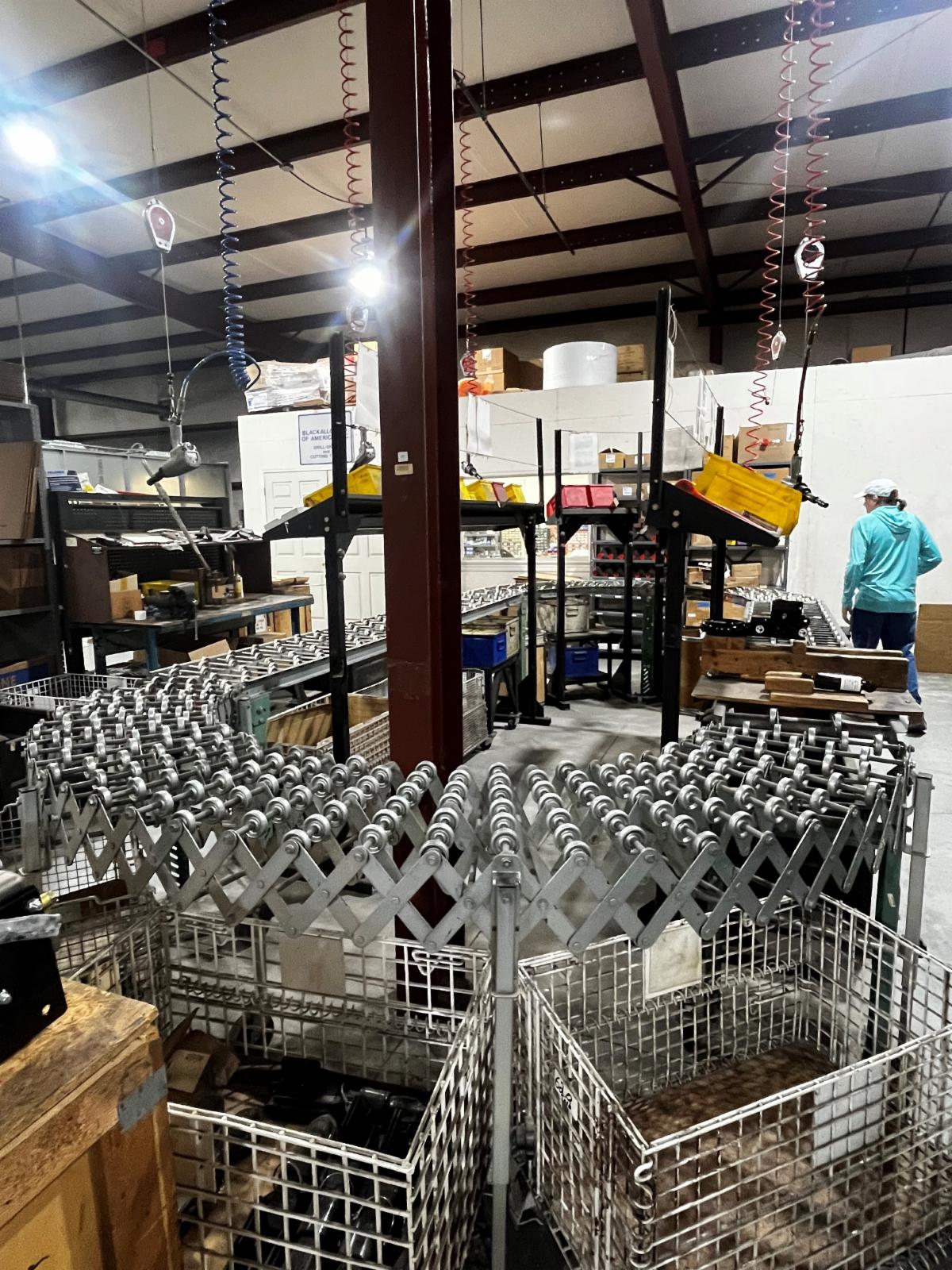
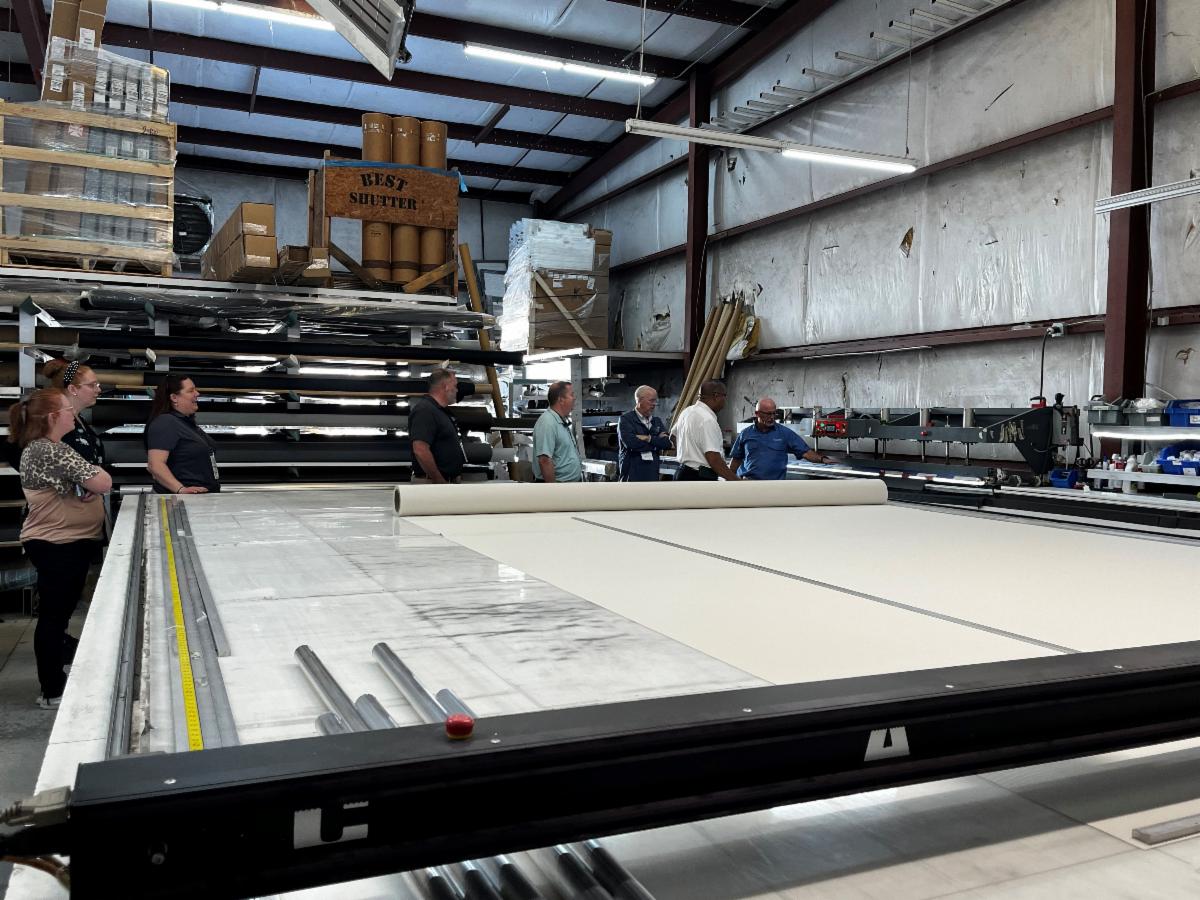
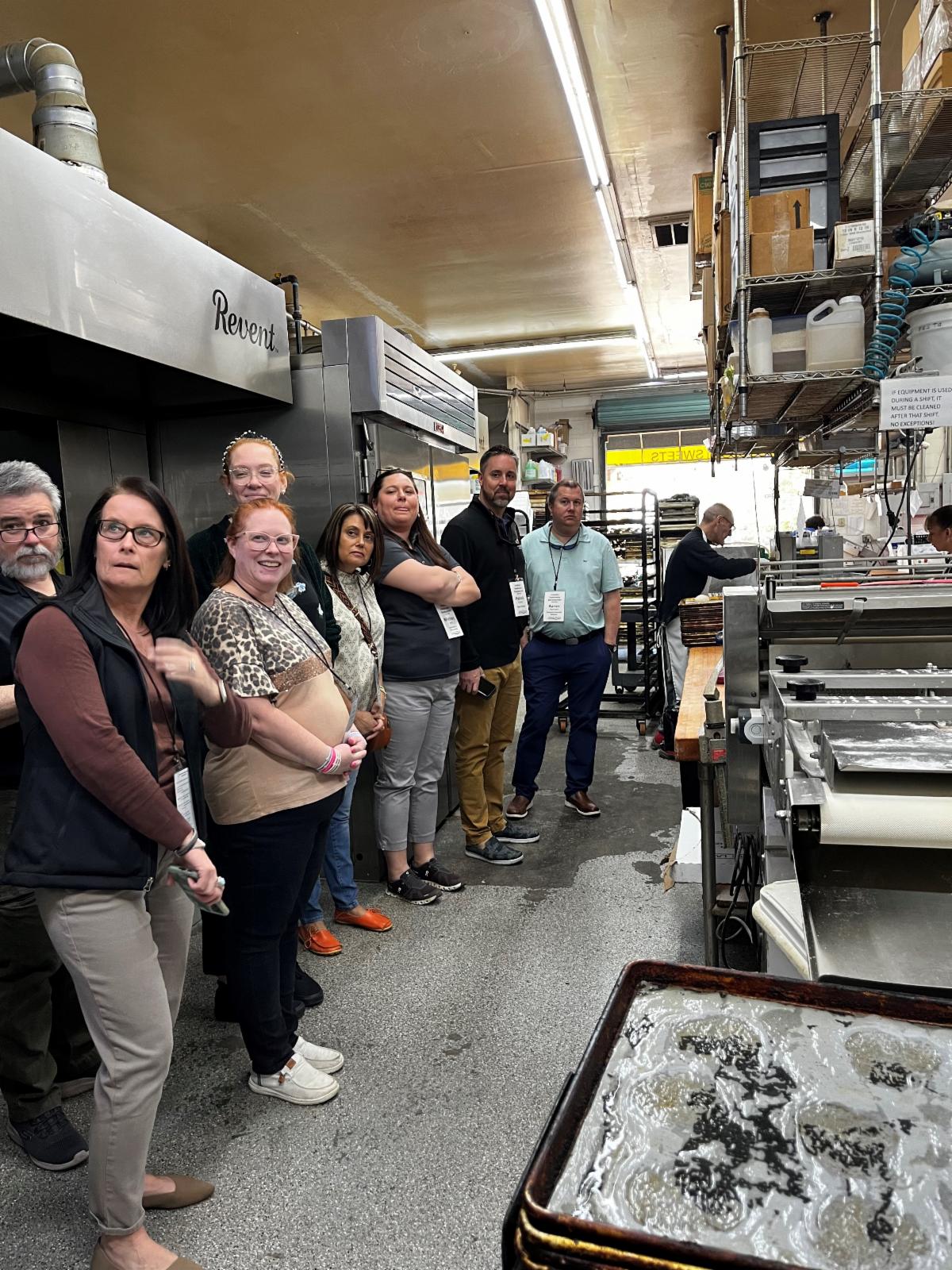
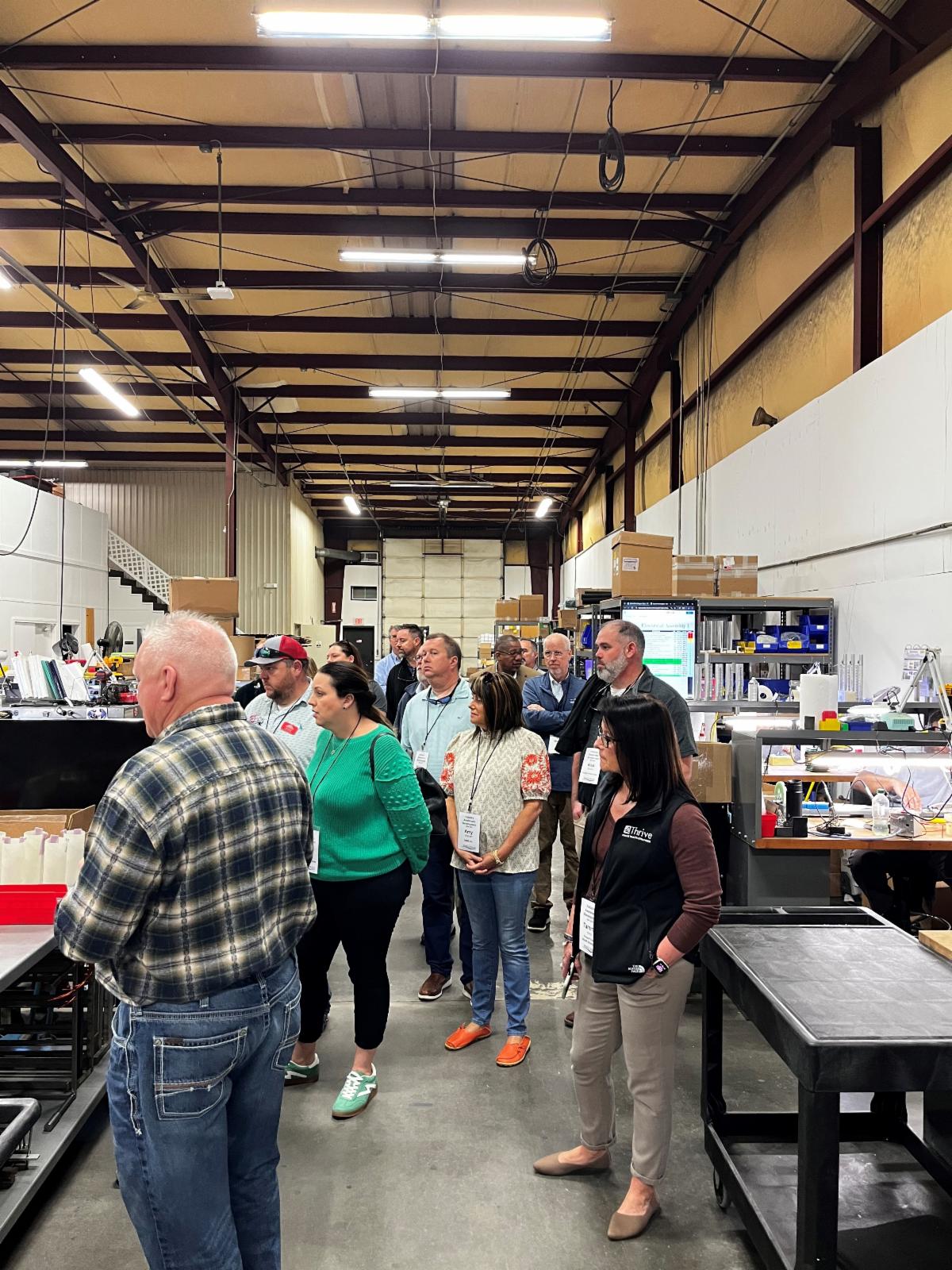
visited the southern end of Myrtle Beach and Surfside Beach, during the month of February. Visit the websites of these local businesses to learn more about what they do and possible job openings:

DC BLOX

Systems Technology, Inc.

Benjamin's Bakery

Mendenhall Industries

Shade & Shutter Expo

Carolina Powder Coating

Tune in to the Liz Callaway Show to hear an interview about the day's travels.

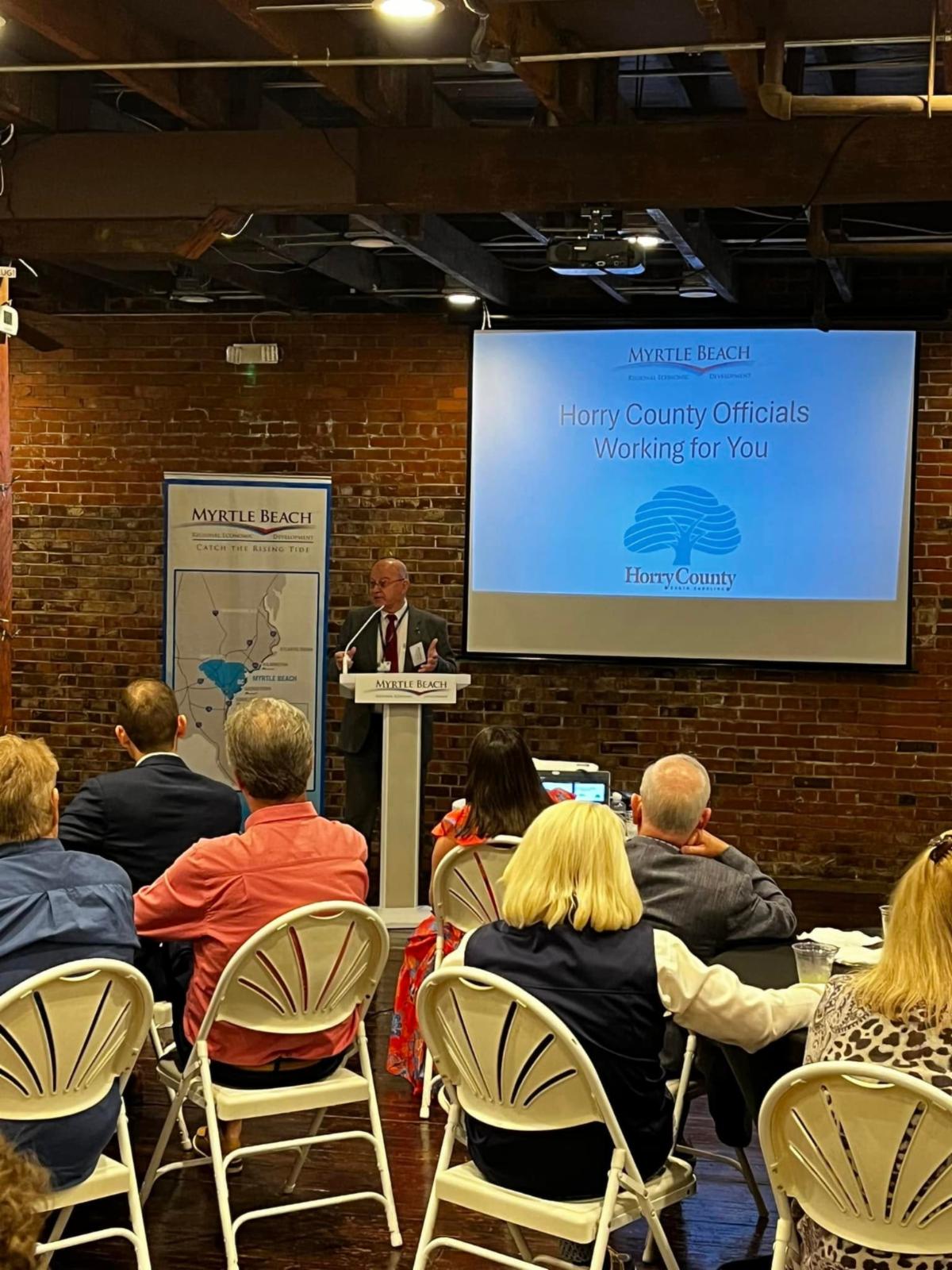
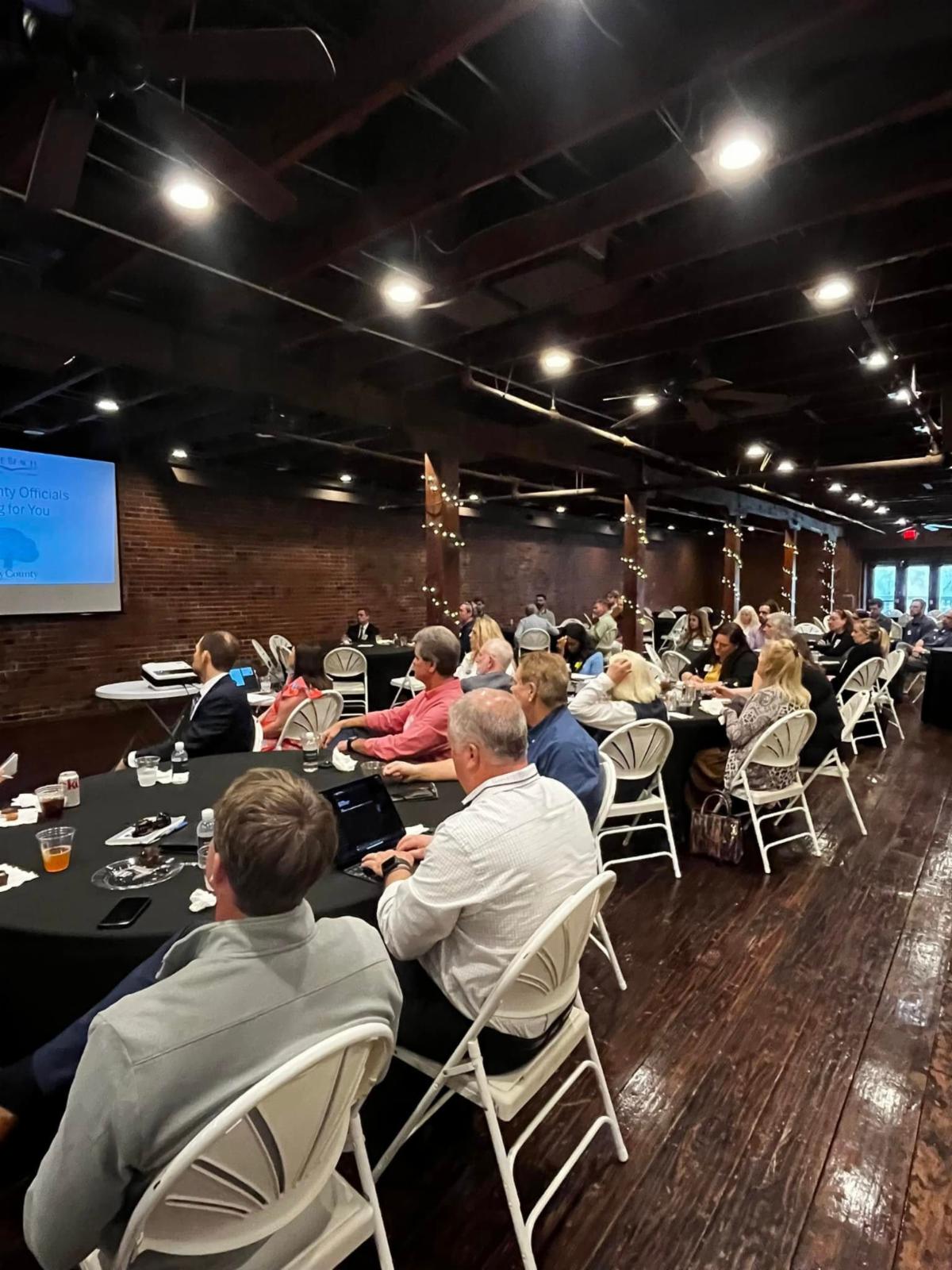
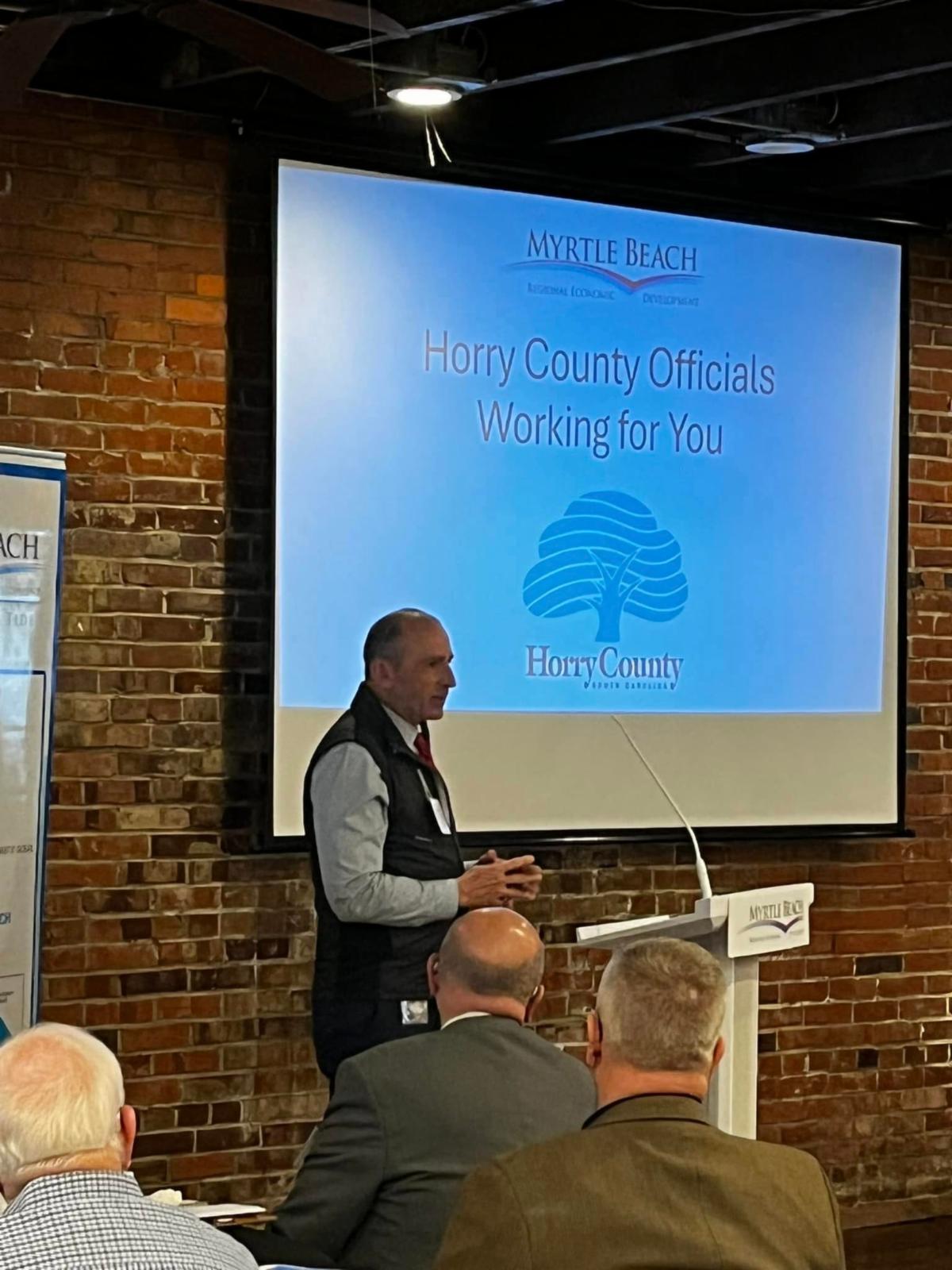
Horry County Officials Working for You

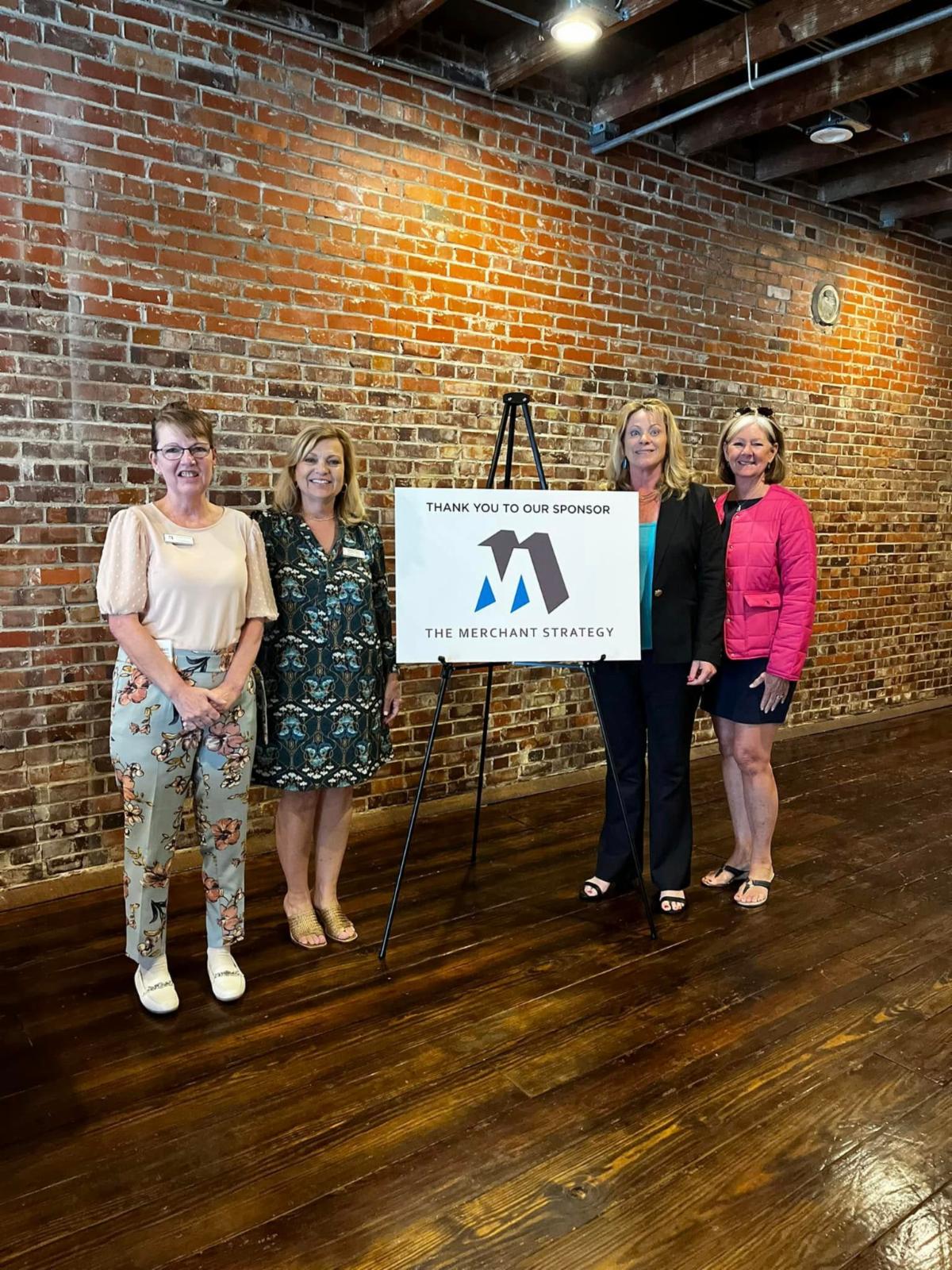
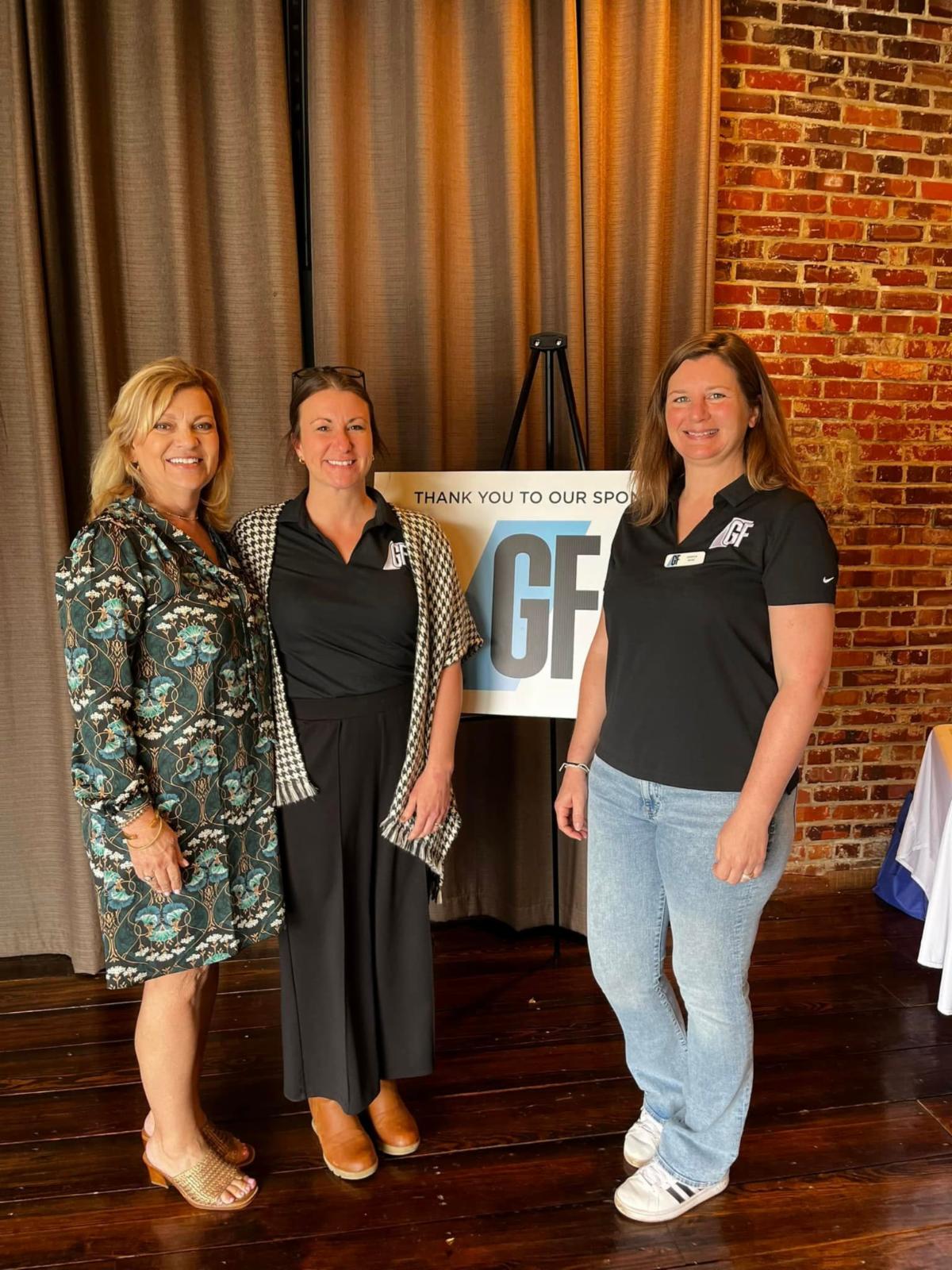
On March 13th, Horry County officials gave presentations on the latest happenings in our area and answered questions about roads, property taxes, and the fire that struck Carolina Forest. Thank you to Barry Spivey, County Administrator, David Gilreath, Assistant County Administrator, and Larry Roscoe, County Assessor, for taking the time to speak to our members. Thank you to our sponsors of this event: GreenbergFarrow and The Merchant Strategy.

Philomena's Catering Company provided the delicious food.


Interested in learning about membership with the MBREDC? Contact Sandra James.

New & Renewing Partners

New

Hillsouth iT Solutions

Mr. Fish Seafood Market, Grill & Catering

Solutions 21

Belay Financial


Renewing Members

Coastal PC Support

First Citizens Bank

Development Resource Group

The Way Eatery

Brookgreen Gardens

Grand Strand Brewing

Homewood Suites Coastal Grand Mall

Tradd Commercial

Fastsigns of Myrtle Beach

Grand Strand SCORE

WebsterRogers

Fairfield Inn & Suites Coastal Carolina

Conway Medical Center

Coastal Carolinas Association of Realtors

B2B CFO

Loris Chamber of Commerce

SCMEP

Byrne Media

Bank of America

Corning Credit Union

McLeod Health

McGriff Insurance

The Yahnis Company

Waccamaw Regional Council of Governments

Integra Fabrics

Coastal Structures Civil & Industrial

Pittsburgh Institute of Aeronautics

Burr & Forman

Myrtle Beach Pelicans

Williamson McCarty & Associates


Partner News

Questions?
Information and Tickets

The Invisible Economic Risk: Small Business Succession and Community Impact

Albert Ciuksza Jr., Senior Vice President, Solutions 21


Imagine tomorrow’s headline: "Major Local Employer Closes Doors, 500 Jobs Lost." The story would dominate local news, trigger emergency meetings, and mobilize immediate economic responses.

Now picture a different scenario – fifty small businesses, each employing ten people, quietly closing over several years. No headlines, no urgent meetings – just empty storefronts and quiet layoffs. Yet, the economic impact is the same: 500 jobs gone, families affected, local revenues diminished, and community resilience weakened.

This isn’t hypothetical – it’s an unfolding reality driven by the largest generational wealth transfer in history. Baby Boomers, who own nearly half of all privately held businesses in the U.S., are entering retirement at an unprecedented rate. Nationally, 10,000 boomers retire every day, taking with them a generation of business ownership. Up to 60% of these owners plan to exit in the next decade, yet fewer than 30% have a clear succession plan.

In our experience in regional economic development, we've consistently highlighted succession as more than a leadership challenge – it's an existential economic threat. The stakes for communities are enormous.

Small businesses create two-thirds of all new jobs, forming the backbone of local economies. Yet many owners overlook succession planning, assuming they'll sell, transition, or close when the time feels right. Without deliberate action, businesses silently vanish, draining wealth, expertise, jobs, and leadership from the community – not just within their companies, but in civic organizations, nonprofits, and local governance where these leaders play crucial roles.

Our research on succession shows it’s not merely paperwork or financial transactions—it's fundamentally about preparing new leadership to sustain and build on existing success. The greatest risks aren’t legal or financial; they're human. When the next generation isn’t ready, businesses stumble, communities suffer, and economic development stalls.

With a vibrant mix of hospitality, retail, professional services, and manufacturing, communities must prioritize succession planning – not just individual business owners, but regional economic strategies as a whole.

Practical actions can help mitigate this hidden risk:

  • Awareness Campaigns: Educate business owners about the urgency of succession planning and its economic importance.
  • Leadership Development Initiatives: Provide the next generation with the essential leadership skills needed beyond operational knowledge.
  • Local Support Networks: Create resources and peer groups for business owners to navigate the emotional and practical aspects of transitioning their businesses.

Regional economic health relies on preserving existing businesses, not just attracting new ones. Generational wealth transfer is inevitable, but economic disruption isn't. Intentional preparation can strengthen community resilience instead of weakening it.

By proactively addressing succession planning, communities can ensure lasting stability and sustainable economic prosperity. We must act now—before the quiet departure of fifty businesses becomes an unnoticed economic headline.


Albert Ciuksza Jr. is the Senior Vice President of Growth & Development at Solutions 21, a firm that equips organizations to build and retain next-generation leadership. He is the author of Succeeding: Stepping Up Without Stepping In It, a practical guide to navigating leadership succession. Albert works with executives and organizations to navigate complex change, strengthen their leadership, and drive meaningful impact in their businesses and communities.

Spotlight on: The Wooten Company

Wooten’s journey began in 1936 when Louis E. Wooten founded the company in Raleigh, NC, with a vision to enhance community infrastructure. From its early projects, including the expansion of Camp Lejeune and rural electrification, Wooten has consistently focused on strengthening communities and fostering sustainable development.

The firm's groundbreaking work continued through the decades, with notable milestones such as the design and construction of Carter-Finley Stadium in 1966 and being recognized as the “Patriarch of North Carolina consulting engineers” in 1977. In 1980, under the leadership of Bill Barlow, Wooten earned acclaim for its energy-efficient design at Rex Hospital.

Celebrating 50 years in 1986 with Buck Kennedy as president, the firm honored its rich history while looking to the future. In 2007, Wooten achieved LEED Gold certification for its sustainable work at an RTP facility. The firm marked its 75th anniversary in 2011 with Amos L. "Bucky" Moore Jr. as president, and in 2020, Gary Hartong became the sixth president, steering the firm into a new era.

In 2021, Wooten expanded its reach into South Carolina with a new office in Columbia, enhancing its role in community and economic development. This expansion reflects Wooten’s ongoing commitment to building strong communities and lasting partnerships across the Southeast.

Through its leadership and innovative projects, Wooten continues to uphold its tradition of excellence and community impact, shaping a brighter future for the regions it serves.

Thank you to The Wooten Company for supporting the MBREDC!

Chairman's Partners

Myrtle Beach Regional Economic Development Corporation

2050 Hwy 501 East, Building 100

Conway, SC 29526

800-844-4983 

Facebook  Twitter  Instagram  LinkedIn
Contact Us