|
Young Professionals Corner - Gurpreet Kaur Saluja
Gurpreet Kaur Saluja is a project management intern at Amplify MedTech. She holds a Doctor of Medicine (MD) and a master's degree in health information technology. Active with HIMSS, she has been a member of the Maryland Chapter's Professional Development Committee for six months. Connect with her on LinkedIn.
Job Hunting in Health IT: How to Stand Out as a Young Professional
Starting a career in health IT can feel overwhelming. The field is fast-paced and constantly evolving, but with the right approach, you can break through and stand out. Here are some lessons I've learned along the way that I hope will help other young professionals.
Overcoming the Experience Barrier
One of the biggest challenges when starting in health IT is overcoming the experience barrier. Many roles require specific technical skills and healthcare knowledge, which can feel like a catch-22—how do you gain experience if you're just starting out?
My advice: Find ways to gain hands-on experience through internships, projects, and volunteer opportunities. Real-world exposure is invaluable and will help you build both your technical and soft skills.
Networking Is Key
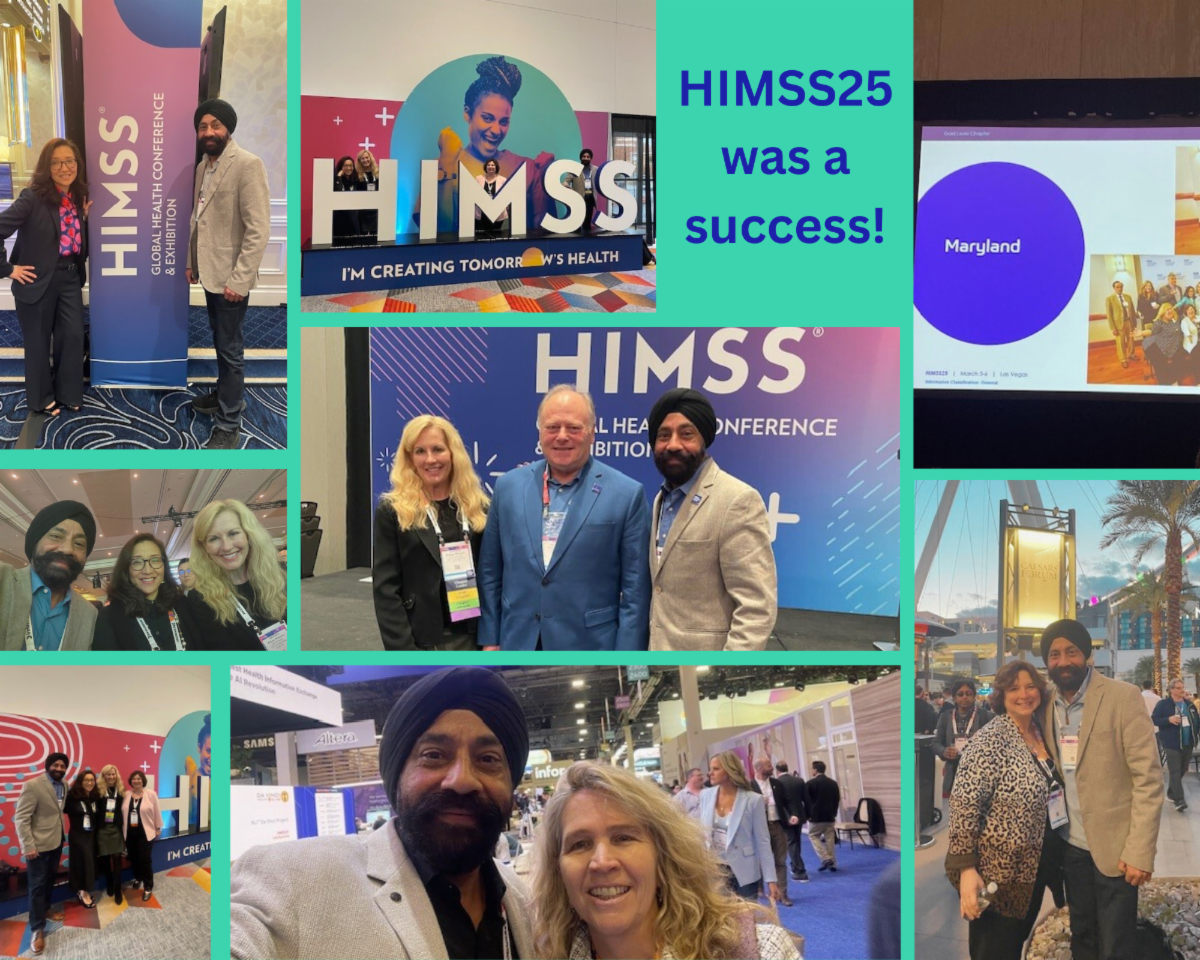
Networking has played a significant role in my career journey. Being involved in organizations like HIMSS and participating in health IT-focused events, whether in person or virtually, has allowed me to connect with industry leaders, learn about new opportunities, and understand where the field is heading.
Through networking, I had the opportunity to interview at two well-known health IT companies—Epic and Datavant.
At Epic, I interviewed for an application analyst position. Most Epic positions require employer-sponsored certification, but some institutions hire for junior roles without it, requiring candidates to complete certification within six months of hiring. Since I didn't have the certification, I had to take the Sphinx Test, a pre-employment assessment that evaluates programming knowledge and general aptitude. It was a new experience—I passed the first round but did not clear the test.
At Datavant, I recently interviewed for a health IT specialist II position. The process was smooth: After applying on their website, I completed an assessment that included a behavioral evaluation and three recorded interview questions. I then advanced to the main interview stage. I'm currently waiting for the results, but the experience was a valuable learning opportunity.
Crafting a Strong Resume
When you're starting out, it's easy to feel like your resume might not stand out, but there are ways to make it shine. Focus on showcasing relevant skills, even if they come from school projects, volunteer work, or part-time jobs. Highlight any experience that demonstrates familiarity with health technologies, such as electronic health record (EHR) systems, as well as transferable skills like problem-solving and teamwork.
I've found that quantifying your impact—for example, describing how you improved data accuracy or streamlined processes—helps hiring managers understand your potential.
Navigating the Job Search
Job hunting in health IT can be challenging due to the competitive landscape. My biggest takeaway: Persistence and patience pay off. Use job boards like ZipRecruiter, Dice, Glassdoor, LinkedIn, and the HIMSS career portal, but also be proactive.
Tailor each application to the specific role and demonstrate how your skills align with the company's mission. Keep applying, stay organized, and follow up after interviews. The right opportunity is out there, and the more you put yourself out there, the closer you'll get to landing it.
Currently, I am volunteering as a project management intern at Amplify MedTech (since November 2024). I secured this internship through networking and volunteering at an event. This experience has been invaluable in providing practical exposure to project management in health IT.
Recommended Resource
One resource that provides valuable insights into industry expectations is the article "The Impact of Health Information Technology on the Quality of Healthcare Services" (PMC8013781). It highlights key trends in health informatics job postings, offering a clearer picture of what employers are seeking.
According to the study, 76.2% of job postings were for clinical informaticians, with RN licensure required in 40.8% of roles. Interestingly, only 7.3% of postings specifically required a formal education in health informatics, signaling that the industry values practical experience over academic training. The most sought-after skills include EHR support, system training, and clinical system management.
For professionals like me, with a background in health IT, EHR implementation, and project management, these findings are encouraging. With the study noting an average required experience of 1.6 years for health informatics roles, my expertise positions me as a strong candidate for roles such as application analyst, health IT specialist, or clinical informatics consultant.
To further align with industry expectations, certifications can be a strategic advantage. Credentials such as Epic certification, the AMIA Health Informatics Certification (AHIC), or the Project Management Professional (PMP) for health IT project management can strengthen your profile and open doors to more advanced roles.
If you're interested in learning more, check out the full article here.
Thank you Gupreet! Look for more Young Professionals' insights in future newsletters. If you are interested in contributing, please email: md.communications@himsschapter.org.
|