Maine SUD Learning Community Newsletter | | |
3rd Annual ME SUD LC Conference
Sebasco Harbor Resort
Phippsburg, ME
Live & Virtually
| | |
ME SUD Learning Community's 3rd Annual Conference is Maine's foremost opportunity for clinicians and community partners to hear updates on state-of-the-art collaborative practices for treating persons with Substance Use and Opioid Use Disorders (SUD/OUD). Featuring various state and national experts, this conference will outline and explore the care of SUD and OUD throughout a patient's lifetime. Learning sessions will address the current lethality of fentanyl and the epidemic of drug overdose deaths. Join us to learn practical means to integrate these methodologies into practice, whether in primary care or behavioral health and working with youth or adults.
9+ Hours of CME & Family Friendly
| | | |
|
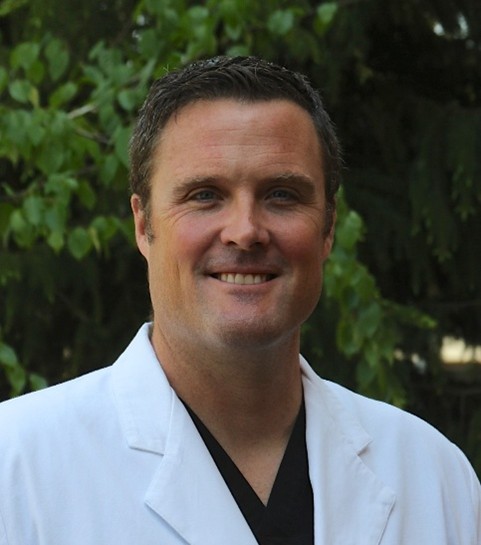
This year Andrew Seefeld,MD, FACEP
to speak on
Emotional Sobriety &
The Science of Addiction
| | Join the ME SUD Learning Community for a Lobster Bake Dinner Proceeding our Annual Conference | | | |
|
May 16th 5:30 PM
at
Sebasco Harbor Resort
29 Kenyon Rd, Phippsburg, ME 04562
Now with Meatless and Children's Options
| | | |
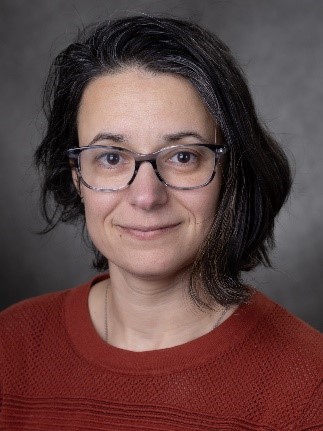
Lauren Ciszak, MD
Dr. Lauren Ciszak is a board-certified family medicine and addiction medicine physician dedicated to improving primary care, nutrition, and substance use treatment through research, advocacy, and patient care. She attended medical school at the University of California, San Francisco, and completed her residency at Maine Medical Center in Portland, Maine, in 2017. She is currently a Leadership in Preventive Medicine Fellow at Maine Medical Center and a master’s in public health candidate at the University of New England (April 2025). (Continue Here)
| | | SUD Learning Community Journal Club | | |
Hello Again, Colleagues,
“Patients with methamphetamine (MA) use disorder present a treatment challenge. Contingency management has a good evidence base though not always available or preferred by patients. The question is often raised about whether providing a prescription for stimulants will indeed suppress or substantially reduce illicit MA use. ASAM guidelines give tentative support to this practice based on meta-analyses that show marginal effects driven by findings in a few studies on higher-dose stimulants as well as observational data.1,2 The experimental trials are short-term, though treatment for this disorder will likely require long-term therapy. The article reviewed here and published in Addiction sought to deepen the evidence base for high-dose stimulant therapy with a multicenter randomized placebo control trial at several sites in Australia.
Participants in the trial received a placebo or a whopping 250 mg daily dose of lisdexamfetamine (lisdex). The trial lasted 12 weeks, and the primary outcome was self-reported past 28 days of MA use at the end of the trial. Importantly, even though the trial required modifications to protocol due to interruption by C19 pandemic, participants visited a minimum of every 14 days and most commonly had visits one to two times per week (depending on when they enrolled). Patients were observed taking medication at those visits and were prescribed only enough to reach the next one. At baseline, study participants reported an average of 24 out of 28 days of use and at end of trial, there was a non-statistically significant difference of 2.2 days of use in the treatment group compared with placebo. 61% of the sample remained at the end of the study.
The authors did not appraise this as a negative trial and focused instead on one of 12 secondary outcomes: self-reported use over the entire 12-week trial. This is an outcome that is likely less reliable than the primary outcome, given the challenges of recalling daily substance use over a three-month period. In addition, there was no difference in urine drug tests between the two groups.
Contingency management remains the only treatment with substantial efficacy for MA use disorder and has a favorable safety profile. Prescribed stimulant therapy, even at this ‘robust’ dose, does not appear beneficial and has potential risks to patients and the community.
Andrea Truncali, MD MPH
| | FREQUENTLY ASKED QUESTIONS | | | |
Can I still sign up for the ME SUD Learning Community annual conference? | | | | Yes, you can join virtually, for a single session, or multiple sessions. Register here. If you would like to attend in person, please join the waitlist, as we are still opening additional space. If you are unable to attend, please let us know, as others are waiting. | | |
Indigenous ECHO: Strengthening Indigenous Responsiveness
Topic: Session 3
May 20, 2025 | 12:00 pm - 1:00 pm
Speakers: Lewis Mehl Madrona, MD | Kylee Francis Fowler | Lisa Sockabasin, MS, RN
| | Expanding the Conversation | | The new interview series “Expanding the Conversation" highlights first-hand accounts of clinical practices that contributed to an individual’s recovery, and ones that did not. | | | | “Substance use, in many ways, was a way to survive, and it was a thing that was also killing me. So, it was really complex. When providers could see that complexity, I felt safer being open with them.” | | Online Self Paced Courses | | |
Pressed for time?
Enroll in one of our convenient online self-paced courses today!
| | Learn the principles and ways to apply them to welcome people into your practice. | | Please visit the ME SUD Learning Community website for upcoming Events and Resources. | | | | | |