Volume 14 | August 2024

Maine SUD Learning Community Newsletter
 
MAINE HIGHLIGHTS
 

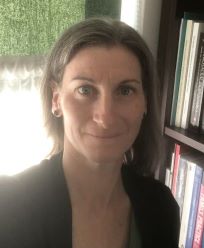
Christine Monroe, DO


Christine Munroe, DO, is the Medical Director of The Recovery Center at York Hospital. She is board-certified in both Internal Medicine and Pediatrics. A graduate of the University of New England College of Osteopathic Medicine and the Internal Medicine-Pediatrics Residency program at Loyola University Medical Center in Maywood, IL, Dr. Munroe has been practicing primary care at Great Works Family Practice of York Hospital since 2007. She currently serves on the Maine Board of Osteopathic Licensure and is a member of the Maine Opioid Clinical Advisory Committee.

 
Read More
 

FACULTY CORNER

SUD Learning Community Journal Club


Hello Colleagues,


Somehow, I came across a flurry of pregnancy and SUD recent publications, including a comparison of methadone and buprenorphine on the 1 and a new report about cannabis and pregnancy outcomes.2 Here we’ll look at vaping (e-cigarettes, or ECs) in pregnancy. Is it safer than smoking combustible cigarettes (CCs)? Is it safe? Should we be recommending it above NRT?


Pharmacotherapies seem to have less effect in pregnancy than in smokers in general. NRT has shown a minimal benefit, and bupropion no effect. Varenicline has not been studied. ECs are known to be more effective and appealing methods of transitioning away from CCs than NRT in the short term; however, most people who quit CCs will continue to use ECs, therefore remaining nicotine dependent.3 It’s not certain what this means for pregnancy or the developing fetal brain. Nicotine is a teratogen in animal studies when administered in chronic high doses, but its safety in human pregnancy, with typical use of nicotine products (other than CCs), is unknown. Previous studies on NRT or vaporized nicotine in human pregnancy show mixed results, ranging from no negative effects to associations with preterm birth and low birth weight.


In RCT, which was a parent trial to this one4, there was no difference in CC quit rate between NRT and EC, but there were a lot of crossovers (i.e., many of those assigned NRT used ECs). When the crossovers were excluded crossovers (which introduces some bias), ECs were more effective than NRT in helping pregnant people quit CCs (6.8% ECs vs 3.3 NRT%, p=0.02, NNT =29).


While the question of efficacy in pregnancy remains a bit uncertain, there is still the question of harm. This study - a secondary analysis of data from the parent study that allows a concentrated look at the people who actually used nicotine products- suggests that vaping nicotine is not worse than using NRT, and it may be safer than CCs. But messaging5 is important. One news outlet summarized this study with the attractive title ‘Using e-cigarettes or nicotine patches while pregnant does not harm the mum or baby, new research shows.’6,7 This study does not give a free pass to ECs in pregnancy. ECs are not medical products, and this data suggests that ECs may help more people transition away from CCs than NRT, but with persistent exposure to nicotine and to vaporized inactive ingredients, both of which may have long-term effects.

Andrea Truncali, MD MPH


Terms: ECs = ecigarettes, electronic cigarettes, ‘vaping’; CCs = combustible cigarettes; nicotine products = ECs or NRT, not CCs

Read More
FREQUENTLY ASKED QUESTIONS


Does the ME SUD LC have any information on Contingency Management?


Yes! The ME SUD LC has a new Contingency Management Implementation Toolkit. Also, on September 19th, Dr. Richard Rawson, the retired Co-Director of UCLA Integrated Substance Abuse Programs and now Professor Emeritus at the UCLA Department of Psychiatry, will be presenting the webinar "Evidence-Based Practices for Contingency Management." This will be followed by a presentation on September 26th by Joshua McQueen, LCSW, LADC, CCS, Program Supervisor for Spurwink Adult Behavioral Health’s Opioid Health Home and Outpatient Therapy Services titled "Contingency Management Implementation in Maine."


View the Toolkit:

ME SUD LC Contingency Management Implementation Toolkit

For these questions and technical assistance, contact the ME SUD Learning Community

RESOURCES & WEBINARS

 
Stigma Resources
 

Stigma


Stigma surrounding substance use disorders (SUDs) significantly hampers individuals’ ability to seek and receive help, perpetuating a cycle of shame and isolation. This stigma often arises from misconceptions that SUDs are moral failings rather than chronic, treatable medical conditions. As a result, those affected may face social exclusion, discrimination, and internalized guilt, which can exacerbate their condition and deter recovery efforts. Combatting this stigma requires comprehensive public education, empathetic healthcare approaches, and supportive policies that recognize SUDs as health issues deserving of compassion and evidence-based treatment.


Explore our online resource page for more valuable resources.


Project ECHO: Methadone


Session 2 | Methadone in the Age of Fentanyl

September 12, 2024 | 12:00 pm - 1:00 pm

Speaker: David Kispert, MD


Session 3 | Drug interactions with Methadone

October 10, 2024 | 12:00 pm - 1:00 pm

Speaker: Stephanie Nichols, PharmD, BCPP, MPH

Repeats every month on the Second Thursday

Register on the Maine SUD LC Website using the links above.

Register on the iECHO App. Get the App here: Apple | Google Play

Project ECHO: Adolescent Medicine: How SUD fits


September’s Topic: Substance Use Overview

September 11 2024 | 12:00 pm - 1:00 pm

Speaker: Jonathan T Fanburg, MD, MPH


October’s Topic: Reproductive Health

October 9, 2024 | 12:00 pm - 1:00 pm

Speaker: Cindy Robbins, MD


Repeats every month on the Second Wednesday

Register on the Maine SUD LC Website using the links above.

Register on the iECHO App. Get the App here: Apple | Google Play


Polysubstance/Complex Withdrawal Management for Nursing

September 13, 2024 | 12:00 pm - 1:00 pm

Speaker: Amelia Hersey, PA-C


Xylazine: What We Need to Know

September 17, 2024 | 12:00 pm - 1:00 pm

Speaker: Anna McConnell FNP-BC & Maggie Zall CADC


Evidence Based Practices for Contingency Management

September 19, 2024 | 12:00 pm - 1:00 pm

Speaker: Richard Rawson, Ph.D.


Contingency Management Implementation in Maine

September 26, 2024 | 12:00 pm - 1:00 pm

Speaker: Joshua McQueen, LCSW, LADC, CCS


New Updates to 42 CFR Part 2

October 3, 2024 | 12:00 pm - 1:00 pm

Speaker: Meghan Mead, JD


Do you have a specific question about the 42 CFR Part 2 Updates? Share them HERE to have them addressed during the webinar.


Initiation of Maintenance Medications for Alcohol and Opioid Use Disorders for Nursing

October 4, 2024 | 12:00 pm - 1:00 pm

Speaker: Amelia Hersey, PA-C


Online Self Paced Courses

Pressed for time?

Enroll in one of our convenient online self-paced courses today!

For our complete course list, please visit the MeSUD Learning Community website.

Online Self-paced Courses

Enroll Today

Personal Recovery Story


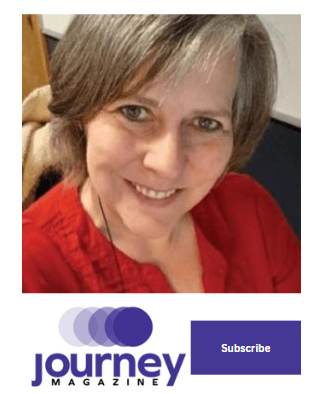
Nikki Curtis

From ‘Failure’ to Success

by Nikki Curtis


Although I’m quick to share my accomplishments on social media, I sometimes forget that sharing my failures and admitting defeat also can be an accomplishment.


When I first heard about surrender in early recovery, I hated that word. I hated the idea of admitting defeat and thought that somehow this and that failure would add up to affecting the way people saw me – and whether they’d love me.

Read More
Please visit the ME SUD Learning Community website for upcoming Events and Resources.
Visit our website