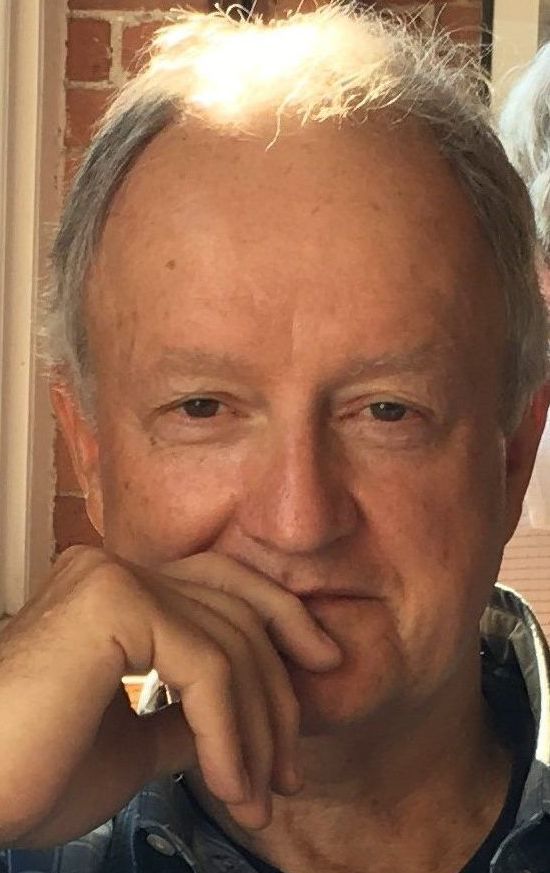
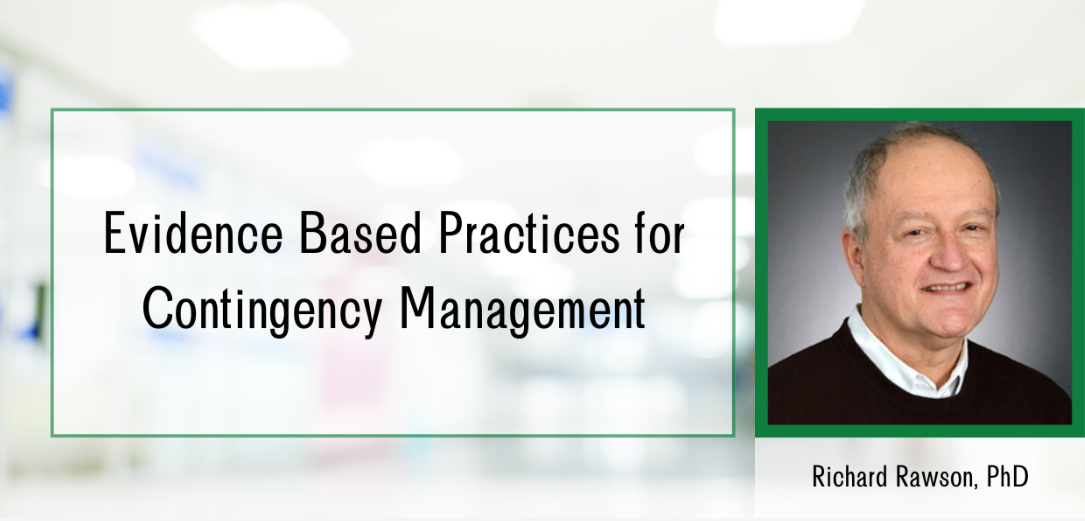
Maine SUD Learning Community Newsletter | | | | Richard A. Rawson, Ph.D., is Professor Emeritus at the UCLA Department of Psychiatry and a Research Professor at the Vermont Center for Behavior and Health at the University of Vermont. He received a Ph.D. in experimental psychology from the University of Vermont in 1974. Dr. Rawson conducted numerous clinical trials on pharmacological and psychosocial/behavioral addiction treatments for the treatment of individuals with cocaine and methamphetamine disorders. He has represented the US at numerous international meetings on methamphetamine. He has led addiction research and training projects for the United Nations, the World Health Organization and the U.S. State Department, exporting science-based knowledge to many parts of the world. | | | He currently is providing consultation on treatment of stimulant use disorder to 8 US states and several international projects. Dr. Rawson has published 3 books, 40 book chapters, and over 250 peer-reviewed articles and has conducted at least a zillion workshops, paper presentations, and training sessions. | | SUD Learning Community Journal Club | | |
Greetings Colleges,
Apps and Websites Everywhere, Can They Stop the Drink?
How can we better support patients in thinking about or changing their use of alcohol? In a recent newsletter, I reviewed a study showing a possible benefit of a breathalyzer-linked smartphone app
among people with alcohol use disorder (Osth et al., 2025). This led me on a quest to find out if there are other evidence-based apps out there to help people contemplate and/or change their use of alcohol from those with high-risk drinking to those with dependence.
I find myself wanting these resources because:
- Drinking is strongly determined by social norms, so it's important to have more than one voice weighing in about the risks of alcohol use - one that a patient will relate to, that develops the messages we are delivering. This is especially true for people who don’t see us in their peer or social group (which, without getting too personal, for me includes patients in their teens and 20s).
- A digital, out-of-office evaluation can give patients the privacy and space they might need to be more honest and reflective than an interview may allow.
- While a person may leave the office feeling very motivated to reduce or stop their use of alcohol, their habits and environment are powerful antagonists to that. Wouldn’t it be great if there were a resource that could be with them all the time (or at least more than we can) to support and help them maintain motivation as they practice change.
- Sometimes, I just want resources at my fingertips to add to discussions about the basics, like Standard drink sizes, Drink calculators, and ‘Safer limits’.
Can we not harness smartphones and computers, devices that heavily influence so many behaviors, to be this force for good?
Andrea Truncali, MD, MPH
| | FREQUENTLY ASKED QUESTIONS | | | |
Can I listen to an ME SUD LC webinar as a podcast? | | | | Yes! ME SUD LC is now on Apple and Spotify with over 40 episodes, and we are always adding more. You can check it out here. | | |
Occurs every 2nd Friday through December. For dates and details, visit:
OA ECHO: Responsive Care for Aging Adults with SUD
| | Talking with Teens about Cannabis: A Resource Guide for Service Providers working with Adolescents | | |
|
|
This science-informed toolkit provides information and talking points for healthcare teams when addressing cannabis use with their adolescent patients and affected families. The toolkit includes information on how to engage in conversation with adolescents, drawing on concepts from Motivational Interviewing, tips for responding to misperceptions about cannabis, a guide for parents/caregivers, a fact sheet, and resources on cannabis use.
| | Expanding the Conversation | | | |
|
This series highlights the lived experiences of individuals in recovery to inform clinical best practices in treating Substance Use and Opioid Use Disorders (SUD/OUD). These are not simple “success stories,” but honest accounts of what helped—and what didn’t—during treatment. By centering the voices of those seeking care, we aim to support clinicians and their teams in delivering more compassionate, evidence-based treatment and reducing overdose deaths.
View full seriews here.
| | Online Self Paced Courses | | |
Pressed for time?
Enroll in one of our convenient online self-paced courses today!
| | Learn the principles and ways to apply them to welcome people into your practice. | | Please visit the ME SUD Learning Community website for upcoming Events and Resources. | | | | | |