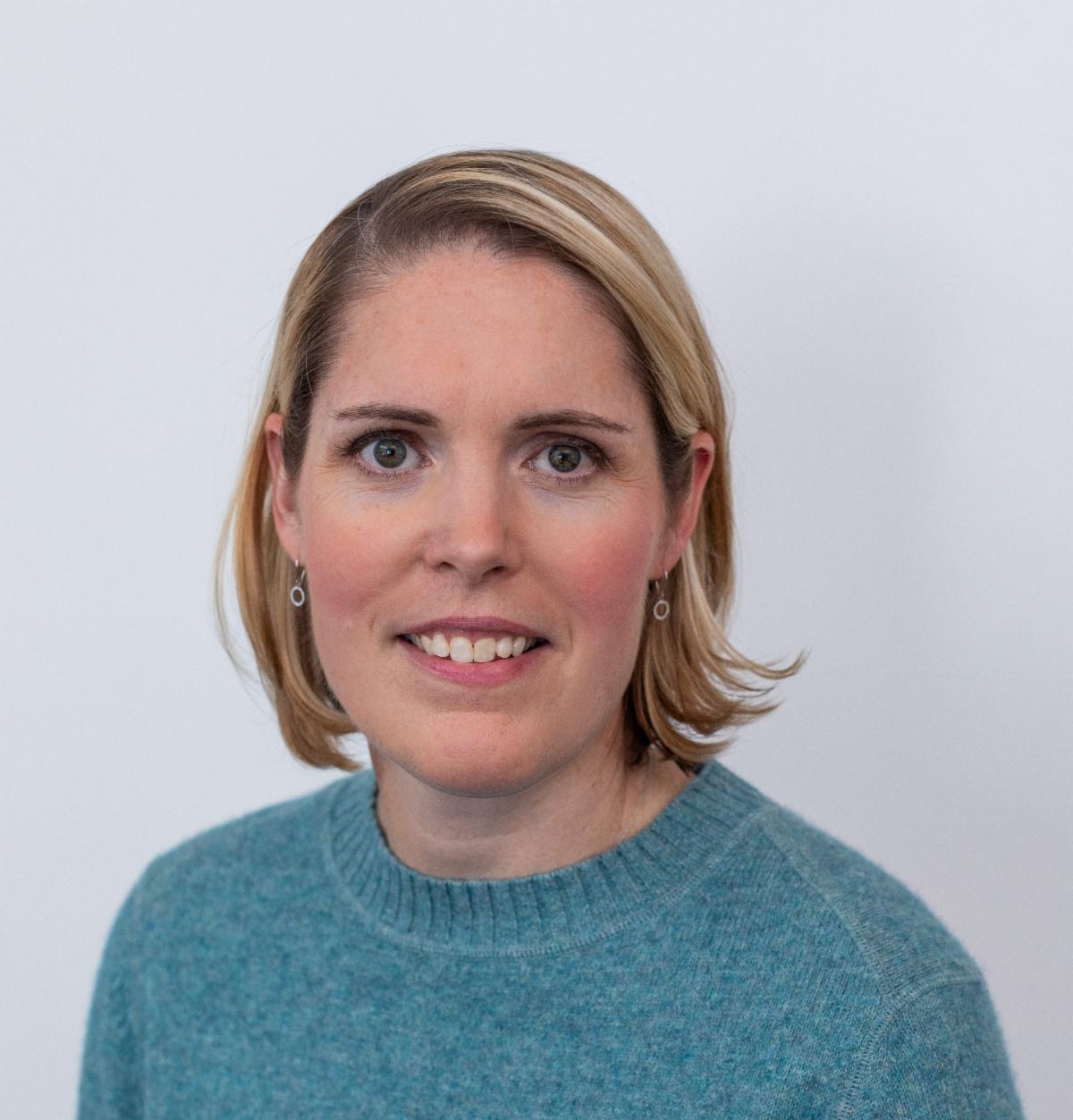
Volume 23 | February 2026 | | Maine SUD Learning Community Newsletter | | | | Dr. Alane O’Connor, DNP is the Director of Perinatal Addiction Medicine at MaineHealth Maine Medical Center and served as the medical director of the Maine Maternal Opioid Misuse (MaineMOM) Initiative, a 5-year, $5 million federal grant to expand access to substance use treatment for pregnant and postpartum women. She has trained hundreds of resident physicians and fellows and is core faculty in Maine’s only addiction medicine fellowship. Dr. O’Connor has published more than a dozen peer-reviewed manuscripts on maternal and infant outcomes following treatment with medication for opioid use disorder during pregnancy as well as related postpartum healthcare utilization and health policy. | | SUD Learning Community Journal Club | | |
Hello colleagues,
The search for initiation strategies from fentanyl to buprenorphine continues. So far, there is one prospective trial (Donofrio, et al. 2024) and a few case series suggesting that the slower onset of injectable medications can help with this challenge. These findings have shaped the practice where I see patients such that those who have a COWs of at least 4 and no use for 12+ hours may choose to initiate treatment with 24mg of weekly injectable buprenorphine (XR bup). The risk of precipitated withdrawal with this approach is approximately 5% among those using fentanyl, and for those without buprenorphine on UDS, likely higher. However, the requirement to start treatment with only minimal withdrawal is often attractive to patients and may prevent missed opportunities to engage them in care.
Today’s report describes a strategy to initiate injectable buprenorphine without requiring any withdrawal. Patients received three injections in three days: 8mg XR bup weekly on Day 1, 16mg XR bup weekly on Day 2 and a choice of monthly injectable (128mg Brixadi or 300mg Sublocade) on Day 3. With that strategy, 64% of the initial group received a second monthly injection; 83% of those who got a Day 1 injection went on to receive the monthly one. There is no detail about those who didn’t follow through with planned injection. In particular, there is no quantification about the occurrence of precipitated withdrawal, or any other adverse event except for the statement that severe withdrawal occurred “for some, particularly after the first monthly dose.”
So, more study is needed before we can inform patients about the risk vs benefit of this approach. In addition, the implementation of this strategy is complicated in that it requires:
- Readily available XRB at multiple doses (as with buy and bill clinic stock, or where a pharmacy can reliably deliver medication within one day)
- Absence of administrative barriers (i.e., PAs, lack of insurance)
-
Patient willingness to physically attend appointments for three days in a row (or have access to community-based provider visits as in this study)
Because of these requirements, it is hard to imagine implementing this approach in a non-specialty environment, at least in the near future, but it is a promising step towards achieving buprenorphine initiation in the absence of withdrawal.
Read on for a more detailed look!
Andrea Truncali, MD MPH
| | FREQUENTLY ASKED QUESTIONS | | | | Medetomidine is a central nervous system alpha-2 agonist. This means it is an animal tranquilizer in the same family as the prescription anesthesia drug dexmedetomidine and the animal tranquilizer xylazine. Medetomidine is being used as an illicit substance of misuse alone or more commonly in combination with illicit opioids like heroin and fentanyl/fentanyl analogues. | | | | |
Why is medetomidine being combined with illicit opioids?
What are the risks of medetomidine?
How does the possible comingling of illicit opioids and alpha-2 agonists like medetomidine or xylazine impact treatment of patents?
| | |
Reference:
Datta P, Waters K, White CM. Standard Instructions and Counseling for Naloxone Insufficient in the Era of Xylazine and Medetomidine Adulteration of Illicit Opioids. J Pharm Technol. 2025 Mar 17:87551225251326811. doi: 10.1177/87551225251326811.
| | FELLOWSHIP AND RESEARCH OPPORTUNITY | | | |
Addiction Medicine Fellowship Opportunity
MaineHealth Maine Medical Center | Portland, Maine
| | |
MaineHealth Maine Medical Center in beautiful Portland, ME is looking for a physician to join our Addiction Medicine Fellowship. Our year-long fellowship combines inpatient and outpatient training experiences and didactic learning.
Training Experience
-
Greater Portland area (8 months)
-
Farmington rural addiction medicine (4 months)
-
Travel & housing stipends provided for rural training.
| | | | Qualified candidates will have completed an ACGME-certified residency. | | Research Study Seeking Rural New England Nurse Practitioners | | |
Martha Whitfield, PhD, APRN, FNP-BC, Assistant Professor in the College of Nursing and Health Sciences at the University of Massachusetts Dartmouth, is doing a study on primary care NPs in rural New England who do NOT currently prescribe buprenorphine.
Participation includes a 5-minute survey and one Zoom interview (60–90 minutes).
$125 gift card for completed interviews.
Interested or know a colleague who might be? Email Martha Whitfield at mwhitfield@umassd.edu or click link to be taken to the survey.
| |
Correctional Legal iECHO | Intersection of Corrections and Healthcare
| | The Correctional Involvement ECHO: Intersection of Corrections and Healthcare brings together health, behavioral health, and correctional/legal providers to address the complexities of care for individuals intersecting with the correctional legal system. This collaborative learning series focuses on improving communication across systems, strengthening continuity of care, and advancing recovery-oriented practices from custody to community. | | | |
|
Arrests and Definitions
February 24,2026 | 12:00 pm - 1:00 pm
Speaker: Sergeant Ryan Close | Franklin County Sheriff's Office
| |
Tim Sample: Finding Peace in the Unknown
Interview with Joanna Free
| |
| |
|
"I'd use alcohol and other substances to change the channel on my life," he says.
"When I didn't like what was going on , I could make it different. I was always trying to avoid my true feelings."
| | | | |
For decades, Tim Sample made audiences across America laugh. The Maine humorist built a career on network television, bestselling books, and sold-out shows. But behind the spotlight, he was running, frantically trying to change the channel on a life he couldn’t face.
“I used whatever coping skills I had been able to cobble together,” Tim says. “Humor is a powerful way to cope. But I was unable to connect the dots in my own life.”
By his early forties, Tim had gone from living without indoor plumbing to earning a six-figure income and performing on network television. But, like many creative people, his artistic gifts came with heightened emotional sensitivity.
Growing up with undiagnosed learning disabilities, Tim discovered early that substances could change how he experienced reality.
Read More
| | Expanding the Conversation | | | |
|
This series highlights the lived experiences of individuals in recovery to inform clinical best practices in treating Substance Use and Opioid Use Disorders (SUD/OUD). These are not simple “success stories,” but honest accounts of what helped—and what didn’t—during treatment. By centering the voices of those seeking care, we aim to support clinicians and their teams in delivering more compassionate, evidence-based treatment and reducing overdose deaths.
View full series here.
| | Online Self Paced Courses | | |
Pressed for time?
Enroll in one of our convenient online self-paced courses today!
| | Learn the principles and ways to apply them to welcome people into your practice. | | Please visit the ME SUD Learning Community website for upcoming Events and Resources. | | | | | |