Maine SUD Learning Community Newsletter | | Randy Morrison, MPPM, MPH, CIPSS | | |
| |
Randy Morrison (he/him) is a person who personally understands the challenges of navigating substance use and mental health concerns. He is a Certified Intentional Peer Support (IPS) Specialist, IPS Trainer, and CCAR Recovery Coach trainer; and has a master’s in public health and a master’s in policy, planning, and management. Randy spent over seven years leading the growth and implementation of peer support programs across Maine’s largest healthcare system before becoming a full-time trainer and consultant.
During his time as a peer support director, he grew a peer support team of 3 peer supporters to over 65, the largest in Maine at the time. The programs spanned substance use peer support, mental health peer support, youth peer support, and family/parent peer support. Those positions worked in a variety of settings as well, including emergency departments, primary care, behavioral health clinics, youth early intervention programs, case management programs, and four peer support centers.
| | | Randy was a co-author of a manual for integrating peer support into multidisciplinary teams as well as contributed to a manual on integrating peer support roles into "alternative courts". Randy is passionate about peer support fidelity and creating systems that center the people utilizing them. | | |
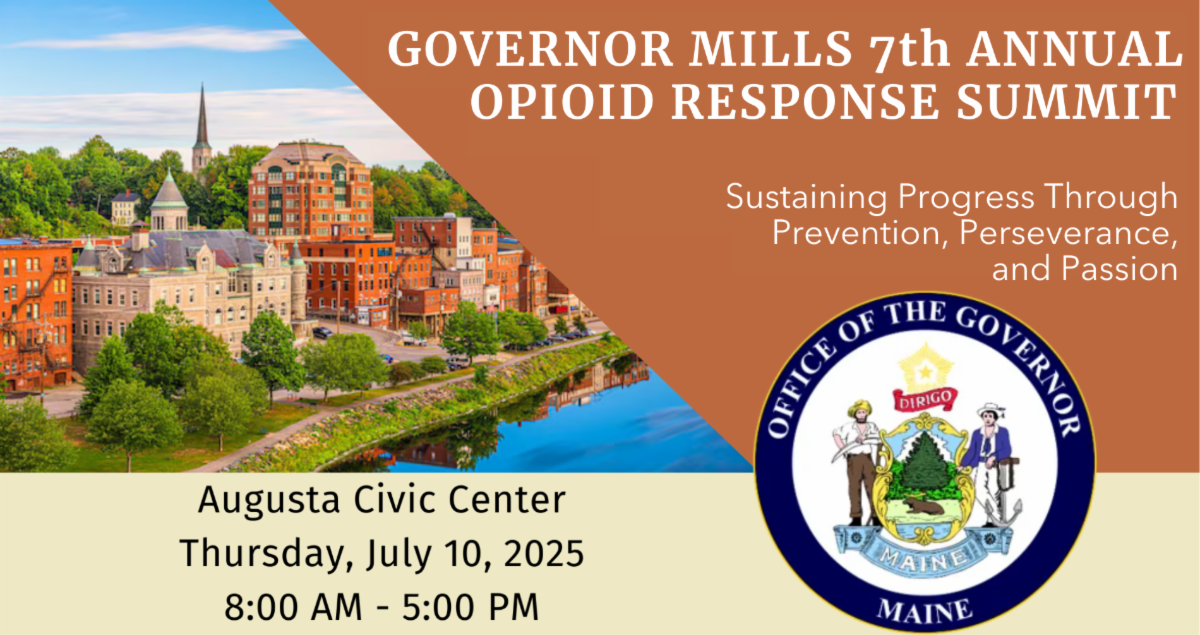
Governor Janet Mills 7th Annual Opioid Response Summit
Thursday, July 10, 2025, at the Augusta Civic Center, Augusta, ME
The annual summit is part of the state’s commitment to fighting the opioid epidemic. It convenes leaders from around Maine and the nation to share ideas, strategies, and best practices to help Maine people affected by this crisis.
With the theme Sustaining Progress through Prevention, Perseverance, and Passion. This full-day, in-person program will include keynote speakers and breakout sessions, with the voices of persons in recovery featured prominently again this year.
| | SUD Learning Community Journal Club | | |
Greetings Colleagues!
Even with therapies and medication, we have a long way to go in helping people with alcohol use disorder (AUD) to cut back or quit. There is an early but growing body of evidence 1,2 suggesting that “digital interventions” may be helpful in this regard. Before widespread smartphone access, most were text message-based interventions, but smartphone apps open the possibility for more varied and interactive formats, while holding the potential to reach people that traditional treatment does not. However, knowledge of what makes such tools effective is still in its infancy, I.e., Is it helpful simply to track one’s use? What are the features of effective messages? How does it work among people who binge drink versus those with dependence?
To take a dive into this literature, reviewed here is a recent study that tested an intervention with otherwise healthy alcohol dependent adults in Sweden, comparing a drink-counting app versus a breathalyzer-based app in addition to usual treatment at a specialty clinic. The punch line: the breathalyzer app seemed to have a benefit. Patients in that group reduced heavy drinking days by a third compared to usual care. There was no effect for the drink counting app. Though study limitations merit continued observation before a wholesale embrace of this technology, it is worth keeping in mind that options like this exist and that we can expect to learn and see more about them over time.
Read on for more study details, including a description of these innovative approaches to helping patients change their use of alcohol.
Andrea Truncali, MD, MPH
| | FREQUENTLY ASKED QUESTIONS | | | |
What steps do I need to take to have my program become an Opioid Health Home? | | | | |
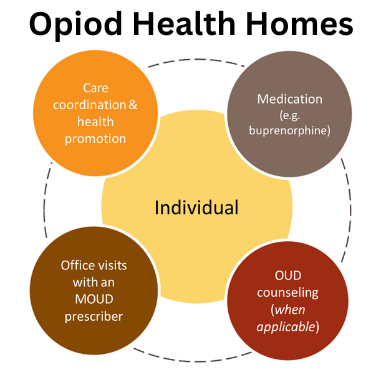
Opioid Health Home (OHH) providers deliver team-based treatment of opioid use disorder, including medication, opioid dependency counseling, and comprehensive care management for eligible MaineCare members and uninsured individuals.
The OHH model utilizes team-based care to support both the individual in treatment as well as the providers delivering care. OHH, including provider requirements, are further described in the MaineCare Benefits Manual.
| | Expanding the Conversation | | | |
|
This series highlights the lived experiences of individuals in recovery to inform clinical best practices in treating Substance Use and Opioid Use Disorders (SUD/OUD). These are not simple “success stories,” but honest accounts of what helped—and what didn’t—during treatment. By centering the voices of those seeking care, we aim to support clinicians and their teams in delivering more compassionate, evidence-based treatment and reducing overdose deaths.
View full seriews here.
| | Online Self Paced Courses | | |
Pressed for time?
Enroll in one of our convenient online self-paced courses today!
| | Learn the principles and ways to apply them to welcome people into your practice. | | Please visit the ME SUD Learning Community website for upcoming Events and Resources. | | | | | |