On Global Trade & Investment
Published Three Times a Week (with occasional bonus quotes) by
The Global Business Dialogue, Inc.
Washington, DC Tel: 202-559-9316
|
|
THURSDAY, APRIL 23, 2020
Click
HERE
for last Saturday's quote on the UK-EU trade talks.
|
|
AFTER THE VIRUS - TRADE IN FOOD
“In the post-coronavirus fallout, trade in essential food commodities will be more resilient than consumer goods or commodities such as steel, copper, and iron ore ... ."
John Miller and Brigitte Stringfield
i
n Trade Data Monitor
April 10, 2020
|
|
Trade Data Monitor,
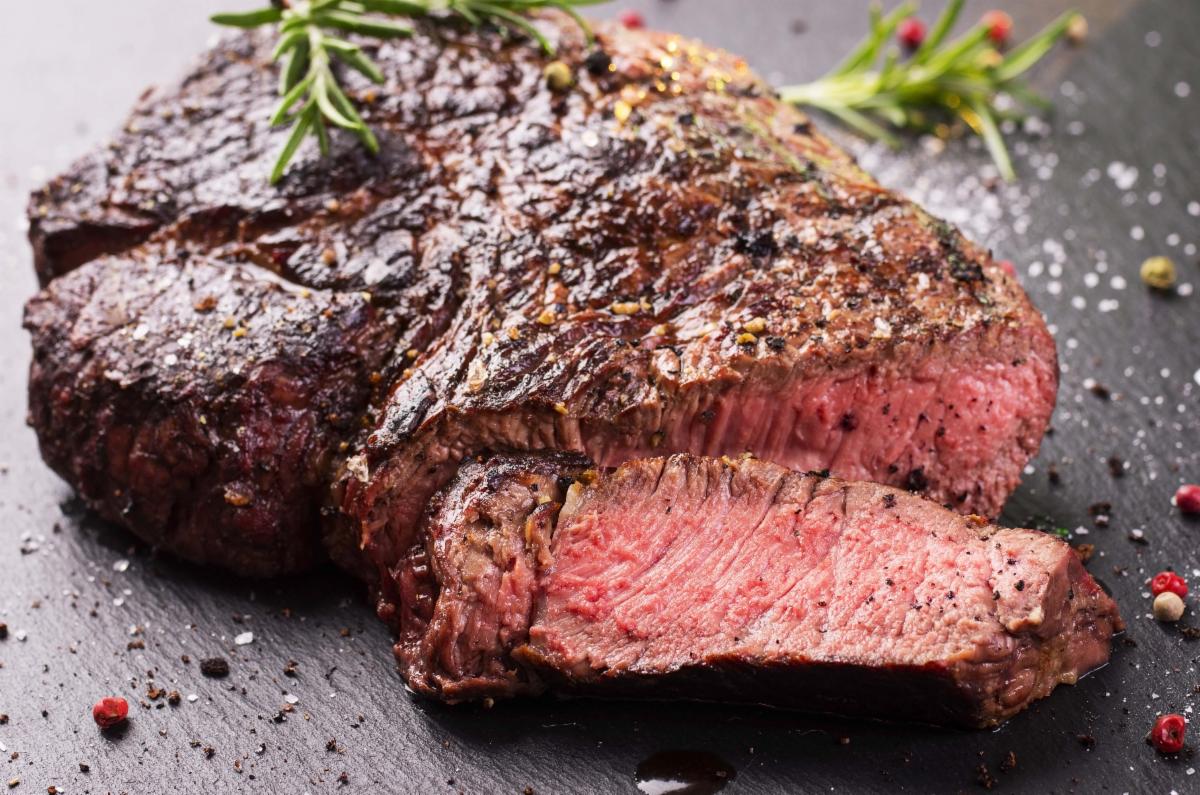
a GBD sponsor, is the go-to place for trade data. They are also a good source of insights for what some of that data means. Today’s featured quote is from the April 10 TDM Insight. The somewhat abstract thought featured above appears roughly in the middle of the article, but it’s the juicy steaks that draw the reader in. (They use a different picture than we do, but the appeal is the same.) The headline for the article was:
Brazil’s Strong March Meat Exports to China Show Trading Power in Post-Coronavirus Economy.
And here are three paragraphs from the beginning of the piece:
Brazil’s exports in March increased 10.4 percent from the year before to $19.2 billion, according to Trade Data Monitor. Shipments to China, Brazil’s top trading partner, grew 12.5 percent to $5.9 billion, thanks in large part to a boom in exports of soybeans, up 44 percent in March to $3 billion.
Meat exports more than doubled to $451.1 million from $224.5 million. China is a pork culture, but the swine flu has wiped out a generation of hogs, and it will take “three to five” years to replenish stocks, a top Brazilian meat exporter told TDM. Until then, it will need not just pork but also chicken and beef. …
Supplying China, the world’s most populous country of 1.4 billion people and soon the globe’s richest nation, is the best an economy can hope for, and in 2019, Brazil was China’s top meat supplier, followed by Australia, Spain and Argentina.
|
|
We have no comment on the TDM insight highlighted here. We simply encourage you to read it. As for the separate but highly interrelated topics of Brazil; Brazil and China; and Brazil, China, and the coronavirus, we expect to have more to say on each of those subjects in the days ahead. Here we shall limit ourselves to a few headline notes.
With a population of nearly 205 million and a nominal GDP of almost $2 trillion, Brazil is the largest and, in many respects, the most important single country in Latin America. (For the United States, we would give that honor to Mexico.) Brazil is also the Latin American country that has been hardest hit by COVID-19. Worldometer puts the current number of cases in Brazil at 46,701 and the number of deaths at 2,940. As if that were not bad enough, an article published earlier today by The Washington Post suggests that the situation in Brazil is in fact much worse.
As for Brazil’s relationship with China, the politics of the coronavirus have created new and serious tensions. The administration of
President Jair Bolsonaro
holds China to blame for the pandemic. President Bolsonaro’s son
Eduardo Bolsonaro
said as much in a tweet recently to which
the Chinese embassy in Brasilia responded, “Your words are extremely irresponsible and sound familiar,”
referring of course to
President Trump
’s comments on the origins of COVID-19.
Finally, one needs to add to the mix the fact that President Bolsonaro is pushing to reopen the Brazilian economy. Last Sunday, for example, he joined an anti-lockdown protest in Brasilia. To his critics, such behavior is “populist” and irresponsible.
***
It used to be said that “all politics is local,” but, when it comes to the coronavirus, it seems just as accurate to say that all politics are global. A case in point is the divide over opening economies versus maintaining those restrictions, which, however safe they may be keeping us, are also doing incalculable damage to national economies.
|
|
Meat from Brazil to China
takes you to the TDM Insight for April 10. This was the source for today’s featured quote as well as other quotations in the Context Section above.
TDM
is a link to the welcome page of the Trade Data Monitor website.
COVID-19 Statistics
is a link to the Worldometer page with the statistics on the coronavirus and COVID-19 cited in the Comment Section above.
Strained Ties
is a link to a Financial Times article on the tensions that have grown up between Brazil and China as a result of COVID-19.
Undercounting in Brazil
takes you to today’s The Washington Post article which makes the case that the situation in Brazil is worse than the official statistics indicate.
The President Protests
is a CNN report on last Sunday’s anti-lockdown protest in the capital city of Brasilia.
The Picture Above is from Shutterstock. We are not sure where the steak is from, but it looked good to us.
|
|
TO GET THE TTALK QUOTES IN YOUR INBOX
Or Other GBD Notices, click below.
|
|
©2020 The Global Business Dialogue, Inc.
1717 Pennsylvania Ave., NW, Suite 1025
Washington, DC 20006
Tel: (202) 559-9316
R. K. Morris, Editor
Joanne Thornton, Associate Editor
|
|
|
|
|
|
|