Paris Agreement

Crediting Mechanism

Newsletter

27 November 2026

In this issue


  • Methodological Expert Panel Meets to Advance Work Following COP31
  • Key COP31 Outcomes for the UN Carbon Market
  • Watch the Recording: COP31 Supervisory Body Event
  • Comment: Supervisory Body Chair calls for greater engagement with PACM
  • Wider Article 6 news: COP31 Sees Launch of First Version of Article 6.2 International Registry
 

Methodological Expert Panel Meets to Advance Work Following COP31

The Methodological Expert Panel (MEP) is meeting 30 November to 4 December 2026 to advance work on methodologies under the Paris Agreement Crediting Mechanism.


The annotated agenda for this meeting is available on the MEP meetings webpage.


Key items under discussion include:


  • Proposed new methodologies for areas including hydrogen, fugitive methane, transport and cement.
  • Updates to existing methodologies, including clean cooking for institutional users, renewable electricity and landfill gas.
  • Further work on removals, including a revision to the reversal risk assessment tool.
 

Key COP31 Outcomes for the UN Carbon Market

At COP31 in Antalya, countries agreed on guidance for the Article 6.4 Supervisory Body for the year ahead, with a strong focus on implementation of the Paris Agreement Crediting Mechanism while maintaining environmental integrity.


Key outcomes include:


  • Methodologies prioritized: Continued focus on methodologies and methodological tools, with greater transparency on progress and the reasons for prioritization.


  • Stronger stakeholder engagement: More structured engagement with stakeholders, including greater clarity on how their feedback is addressed.


  • Integrity maintained: PACM standards, methodologies and tools should continue to uphold environmental integrity, draw on the best available science and be informed by robust evidence, while considering how standards, methodologies and tools operate together.


  • Broader participation: Continued efforts to enable use of the mechanism and encourage broad participation in the development and revision of standards, methodologies and tools.


  • Financial sustainability: Countries highlighted a critical funding shortfall projected from 2028 and agreed to continue urgent efforts to secure additional resources.


Next steps


The focus now shifts further towards putting the PACM into practice, including advancing methodologies and infrastructure and enabling greater participation.


The Supervisory Body will report back on progress at COP32 in Addis Ababa.


Watch the Recording: COP31 Supervisory Body Event

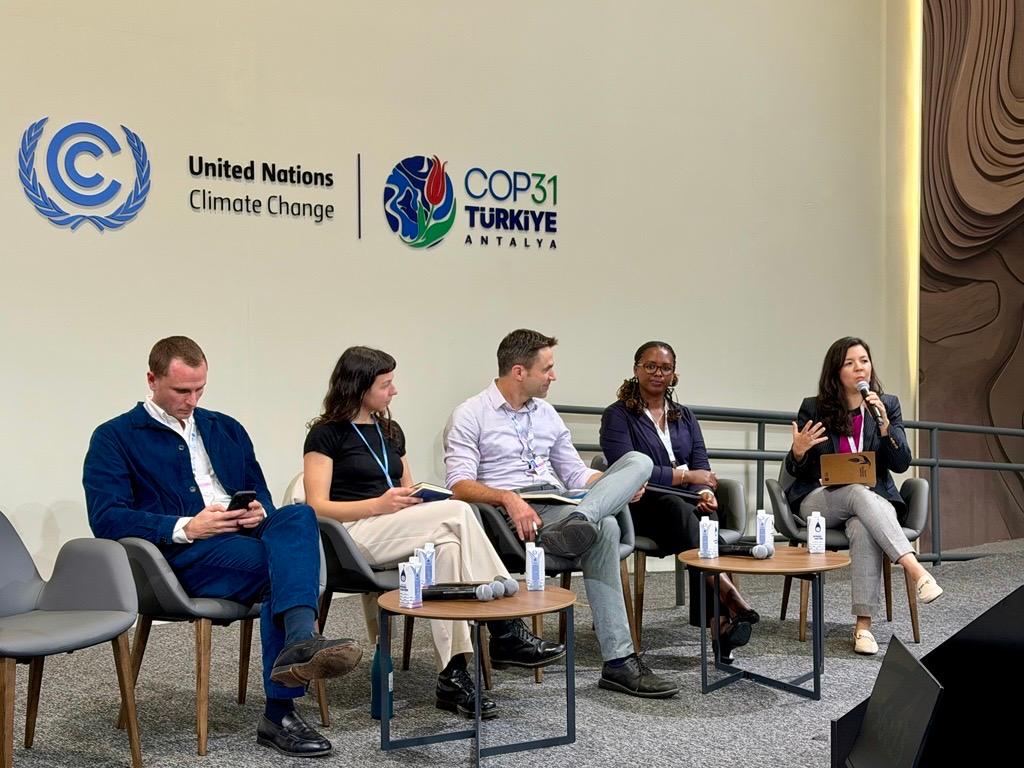
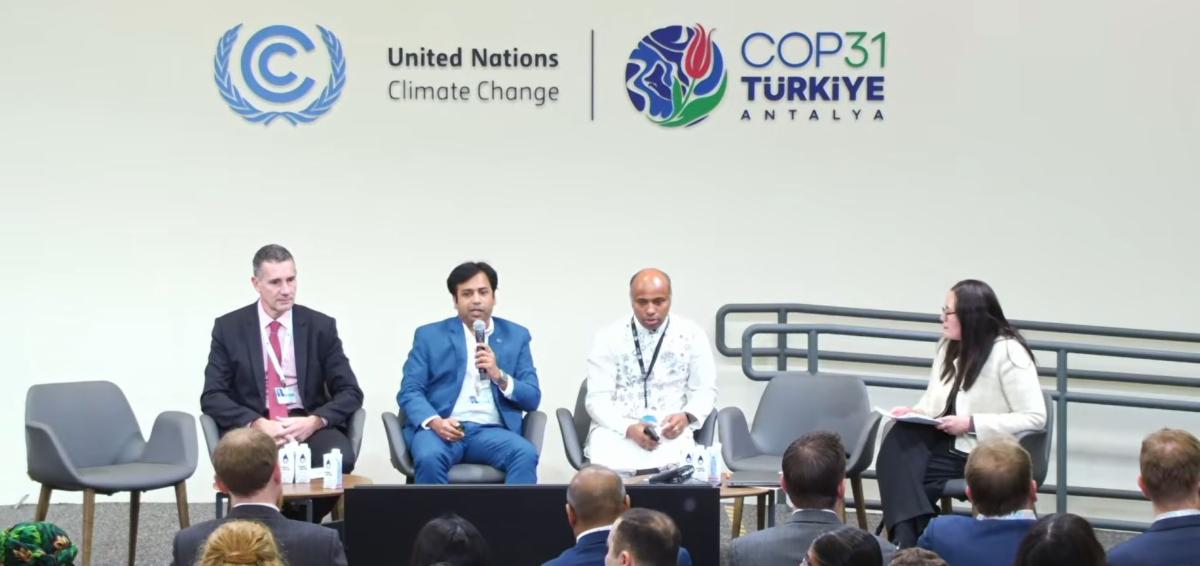
At COP31, members of the Article 6.4 Supervisory Body were joined by representatives from governments, project developers, market experts and civil society to discuss progress on the Paris Agreement Crediting Mechanism and priorities for its implementation.


The discussion covered:

  • progress made over the past year and priorities ahead
  • opportunities to broaden participation and build a stronger pipeline of activities
  • the role of PACM alongside developing compliance carbon markets
  • maintaining integrity and confidence as implementation advances


Missed the event? Watch the full discussion on YouTube.

Comment: Supervisory Body Chair calls for greater engagement with PACM

During COP31, Supervisory Body Chair Mkhuthazi Steleki wrote in Carbon Pulse about the need for governments, developers and other stakeholders to help shape the Paris Agreement Crediting Mechanism as it becomes operational, including by bringing forward methodologies and activities that reflect national priorities.


Wider Article 6 News

COP31 Sees Launch of First Version of Article 6.2 International Registry

The first version of the international registry under Article 6.2 of the Paris Agreement was launched at an event at COP31 in Antalya, Türkiye. 


The international registry will serve countries that do not have, or cannot access, their own registry. It will allow them to record and track internationally transferred mitigation outcomes, known as ITMOs. 


Countries can also request additional registry services to issue mitigation outcomes as units and hold them until their first transfer. At that point, they become ITMOs and are recorded in the international registry. 


Both services were mandated by the CMA, the governing body of the Paris Agreement, and are being developed and operated by the UN Climate Change secretariat. 


Read the full news article on the UN Climate Change website.

Have you been forwarded this newsletter? Sign up for the latest news on the Paris Agreement Crediting Mechanism.

A6.4mechanism-info@unfccc.int | unfccc.int

STAY CONNECTED

Facebook  Twitter  Instagram  Linkedin  Youtube  TikTok  Web