|
The first quarter of 2026 has brought home how volatile and unpredictable our world has become.
Ongoing conflicts and rivalries continue to define the international landscape and South Africa’s political economy. Against this backdrop, MISTRA has been participating in, and presenting at, strategic engagements and forging partnerships, while engaging in its core business of producing relevant research.
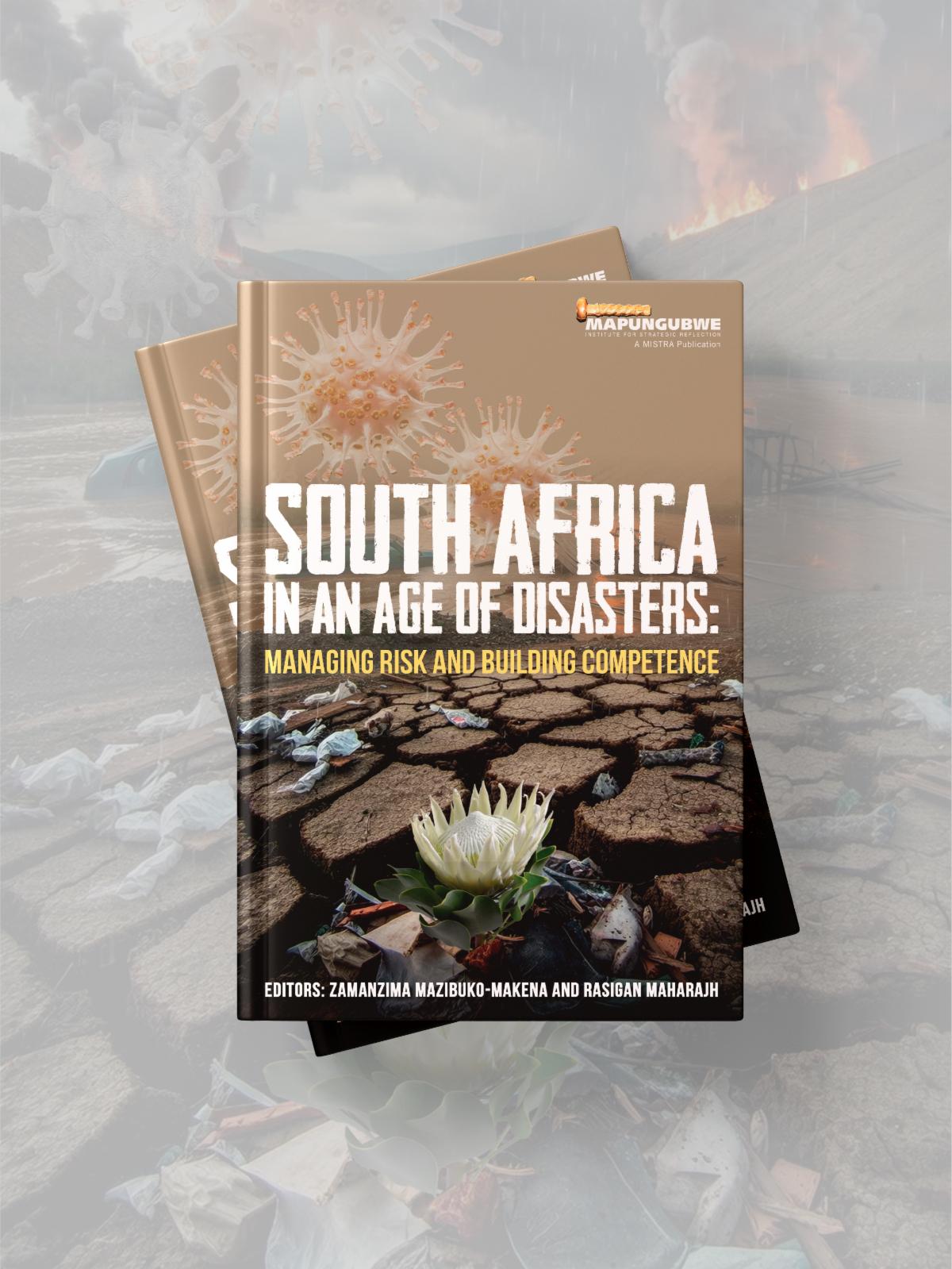
MISTRA released a book titled South Africa in an Age of Disasters: Managing Risk and Building Competence. Please see below for a special offer on this book for newsletter readers.
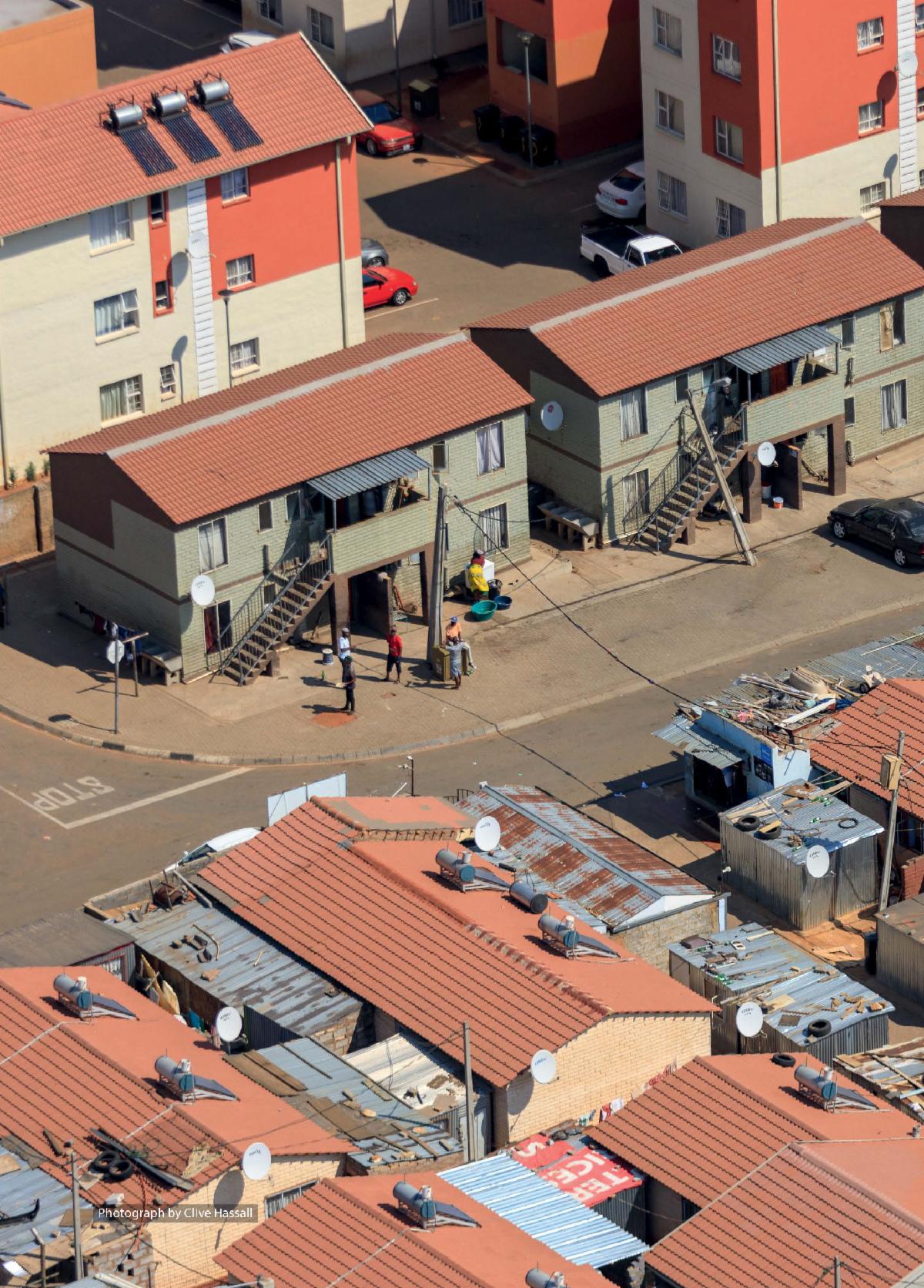
MISTRA also co-produced Finding Our Rhythm: Gauteng Scenarios 2035, a useful strategic resource for anyone thinking seriously about Gauteng’s trajectory. It was commissioned by the Gauteng City Region Observatory (GCRO).
MISTRA’s Executive Director, Joel Netshitenzhe, addressed eThekwini's Colloquium Series on how shifting international power dynamics intersect with South Africa's domestic challenges. He was also the guest speaker on the State of the South African State: A Reflection on the Required Leadership at an event hosted jointly by the Foundation for Ethical Leadership, the Uniting Presbyterian Church in Southern Africa (UPCSA) and the SA Human Rights Commission (Limpopo Province). He also made a presentation to the Business Leadership South Africa (BLSA) on the current geopolitical and domestic challenges that South African business will have to navigate over the coming year.
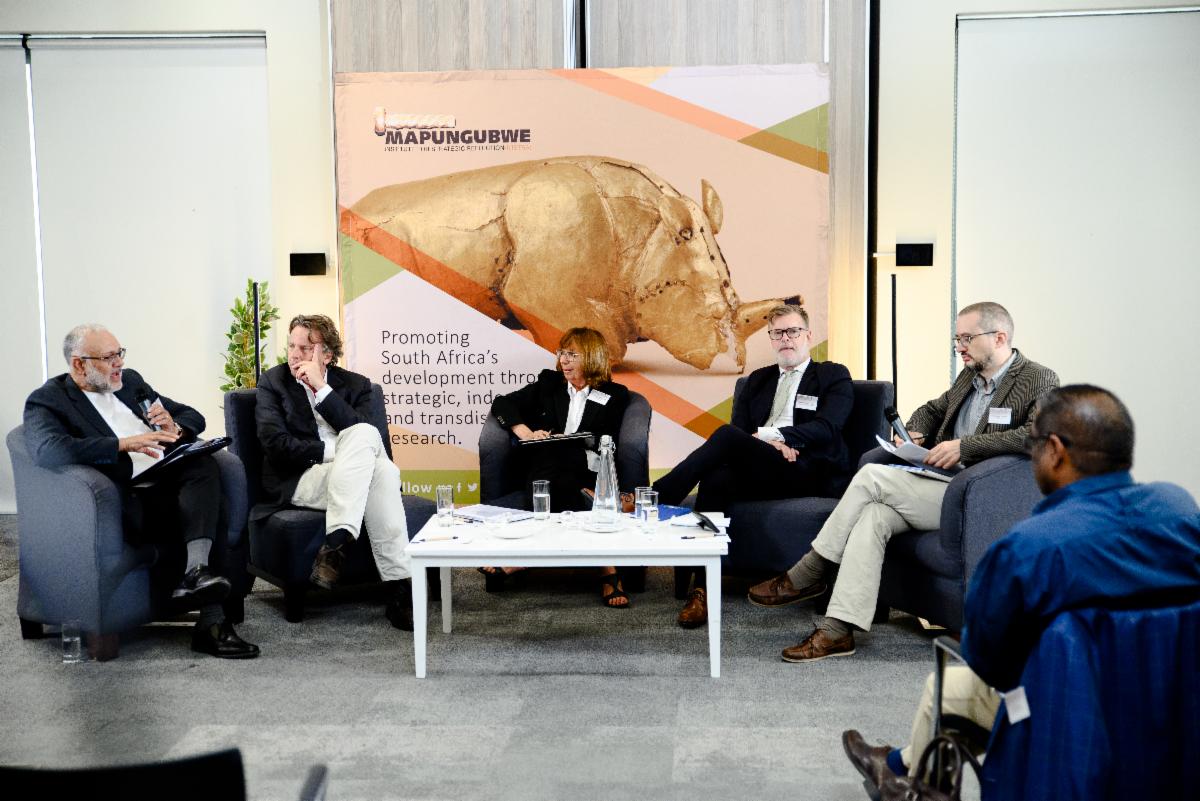
With local government elections taking place later this year (or early next year), the governance of coalitions in a democracy presents key questions and challenges. MISTRA co-hosted high-level public seminars at which political parties, leading South African scholars and civil society representatives, joined by Dutch scholar-practitioner, Professor Bert Koenders, shared ideas on overcoming the challenges of coalition politics.
Senior MISTRA representatives engaged with several embassies about cooperation on various fronts. These include the Embassy of the Republic of Algeria; the Embassy of the Kingdom of the Netherlands; and the Embassy of the People’s Republic of China. Through the South African Embassy in Jakarta, MISTRA is exploring strategic engagements with various Indonesian think tanks.
Here is a broader look at other things we’ve been up to.
January 2026
- The Director Operations, Dr Yacoob Abba Omar, addressed a meeting of the South African Local Government Association (SALGA) executive and the South African Cities Network on the use of scenarios in planning.
-
The Director Research, Dr Sandy Africa, participated in the Thabo Mbeki Foundation’s monthly seminar series, focusing on the theme of The Commons.
- The Researcher: Humanity, Dr Laurence Caromba, participated in a workshop on South Africa’s BRICS Strategy (2026–2030) hosted by the Department of International Relations and Cooperation (DIRCO).
-
MISTRA launched a multi-year research project on The Legacy of Mining commissioned by the Open Society Foundation. Key areas to be explored in the first phase are the socio‑economic, health, environmental, and economic impacts. The project aims to identify knowledge gaps and emerging issues (e.g. the just transition, critical minerals, and the challenges of artisanal mining) and will span a number of countries in the SADC region.
February 2026
-
MISTRA hosted a dialogue to review South Africa’s Presidency of the G20 in 2025. The event, at which the Minister of the Department of Trade Industry and Competition (DTIC), Mr Parks Tau was guest speaker, also served as a preview launch of MISTRA’s book, Africa and the Thucydides Trap: Strategies for a World in Transition
- The Senior Researcher: KESA, Zamanzima Mazibuko-Makena, served as a panellist in a roundtable discussion hosted by the Gauteng Department of Economic Development (GDED) regarding the province's Green Hydrogen Plan.
-
The Senior Researcher: Humanity, Na’eem Jeenah, presented research on the Indlulamithi SA Scenarios and the State of the South African State at the Department of Public Service and Administration’s (DPSA) Strategic Planning Review Session.
-
MISTRA initiated its project on geopolitical scenarios for 2040.
-
Work has begun on MISTRA’s third iteration of the its Coalitions Barometer, which will track the performance of local government coalitions entities up to and beyond the next local government elections.
March 2026
-
The Director Operations (as chair of the National Planning Commission‘s (NPC’s) Social Cohesion Task Team) and the Director Research attended an NPC roundtable titled Social Cohesion: Going Back to the Fundamentals.
- The Researcher: Political Economy, Khutso Makua, attended a high-level stakeholder engagement on the Revised Draft White Paper on Local Government.
-
The Director: Project Management, Nhlanhla Nyide, participated in a session of Courageous Conversations, co-hosted by Archbishop Thabo Makgoba and Cardinal Stephen Brislin and attended by members of civil society and mining executives, centred on the theme Rechoosing Responsibility.
-
The Director Research served as a panellist at the United Nations South Africa Country Team’s Annual Retreat, focusing on Integrated and Future-Oriented Socioeconomic Transformation.
-
The Executive Director participated as a panellist at Investec Bank’s second South African Economic Reforms Conference, discussing SA Politics and Reforms.
|