YFS Newsletter - September 2026


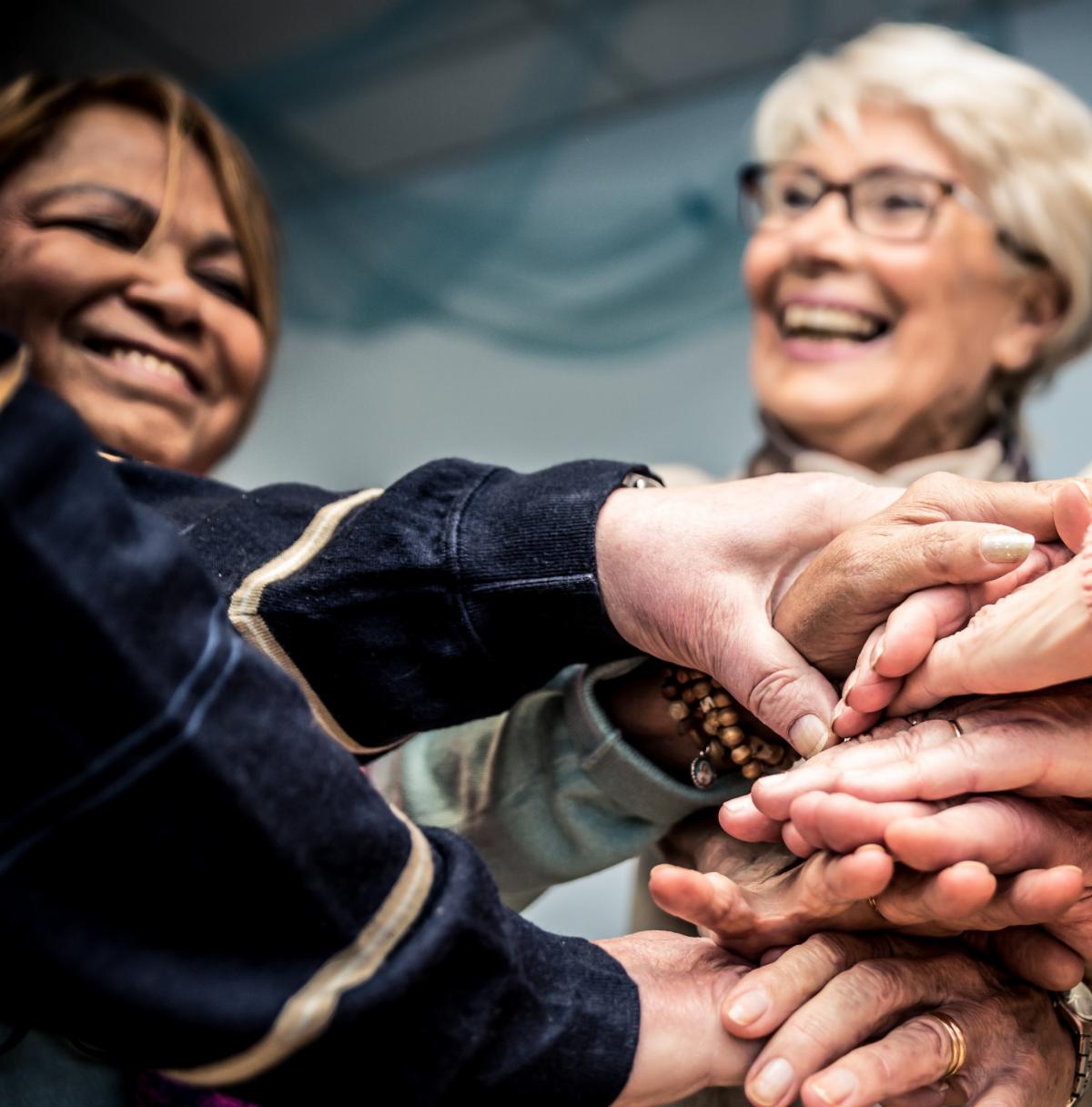
The Power of Connections


YFS makes it our business to help Island youth, families, and seniors when they are struggling with mental health or substance abuse issues.


Solutions to these challenges are complex because they affect all areas of peoples' lives. As such, they require treatment approaches that are equally diverse. However, outside the counseling office there are some interventions that are nearly universally helpful that most can do on their own--one of these is seeking meaningful connections.


Along with sleep, diet, and exercise, when we have real, emotional connections with others that are reciprocal, meaningful, and safe, many behavioral health issues will improve. These connections can be with a family member, friend, or pet and can benefit everything from depression, to ADHD, to dementia.


So, for our collective mental health, consider prioritizing meaningful connections -- say yes to a coffee date, read an extra chapter to your child at bedtime, attend a community or school event, or call a grandparent.


Derek Franklin, YFS Administrator

derek.franklin@mercerisland.gov


Youth Health and Safety

Youth are back in school and it is a good time for families to set priorities for the year, including goals for health and safety.


Students face many challenges these days, including unhealthy social media algorithms, achievement pressure, and availability of drugs and alcohol. Sleep, diet, and exercise remain the cornerstone of so many aspects of health, but these days, our kids can use more.


The idea of a "behavioral vaccine" was coined by Dr. Dennis Embry and suggests that there are some universal wellness strategies than have lifelong health benefits if implemented during childhood and adolescence. Below are some ideas for Island families.


Kids (Age 3-11)


Pre-correction: Prompt your child with the expected good behavior before a transition happens ("Dinner is over in 5 minutes, and we expect you to transition to your desk for homework calmly.")


Structured Peer Play: Introduce brief, organized, in-person activities or games that teach sharing, taking turns, and resolving conflict (at recess or free time at home).


Brain Breaks: Both neurotypical and neurodiverse kids can benefit from a few minutes of physical exertion (jumping jacks or stretching) between required focused tasks.


Teens (age 12-18)


Relationship Building: Parents need to be intentional about creating connections. Try spending 2 minutes every day for 10 consecutive days talking to your teen about personal (not school) interests to build trust and connection.


Gratitude Audits: Invite your teen to write down three things for which they are grateful every day to help re-wire anxious or depressed thought patterns.


Peer Support Networks: Support teens by offering safe, structured spaces and times to connect with peers to discuss shared struggles.


>>More information from YFS's Healthy Youth Initiative


The Benefits of "Age Optimism"

Yale University recently published a study challenging the myth that mental sharpness always and irreversibly declines in old age. In fact, findings showed that half of adults over 65 showed cognitive improvement over time.


At YFS, our counselors often talk with clients about the benefits of taking a positive attitude toward health and healing. This study validates this type of approach as it found the single strongest predictor of whether a senior experienced mental gains vs. decline was their belief and attitude about getting older.


Counselors talk about "cognitive reframing" in this way, and it is something seniors can do on their own. When you feel yourself buying into negative stereotypes about aging, try the following:


  1. When you feel anxious or upset, pay attention to your internal "self-talk."
  2. Ask yourself if the negative thought has proof or is just based on habit or fear.
  3. Change the negative thought for a fairer and more balanced view based on evidence.


Of course, getting older is not all fun and games (but it can be!). However, current research is opening our eyes to the importance of having a positive attitude about aging and looking forward to the golden years.


>>More Information about YFS Senior Services


young-cellphone-man.jpg

YFS's Trauma Informed Approach

The human service professionals at the City's Department of Youth and Family Services take a "trauma informed" approach in our work with Islanders. This can be seen by the conceptual shift of the first question a counselor will ask a client, from "What is wrong with you?" to "What has happened to you?"


Focusing on someone's history and experience helps us understand what is driving their current presentation. YFS counselors look at symptoms such as depression, substance use, or relational conflict as coping mechanisms formed in response to past adversity. From this perspective, we work to understand the root cause of someone's challenges which allows us to better collaborate on finding effective paths toward healing that avoid triggering past wounds.


This approach can be seen in YFS community level prevention work as well. Our staff assess community data to get at the root cause of "symptoms" such as underage substance use or high rates of anxiety, and work toward implementing appropriate interventions.


When it comes to couples and families, below are some considerations for applying trauma-informed approaches to their own challenges:


  1. Safety: Physical space and interactions should feel safe and routines are predictable.
  2. Trust: Communicate transparently and clearly with good boundaries.
  3. Peer Support: Families connect with other families with shared experiences.
  4. Collaboration: Parents and kids collaborate on household chores and problem solving.
  5. Choice/Voice: All family members are given an age-appropriate voice and chance to express their needs.
  6. Culture/History: Family recognizes intergenerational traumas such as oppression, substance use, or conflict.


If you or a family member is seeking support, contact YFS at our Confidential Voicemail line at (206) 275-7657.


>>Contact Mercer Island YFS


YFS: A Community Effort

Although Mercer Island is a relatively affluent community, it still faces many of the same behavioral health and human service challenges as other communities across the region. Mental health and substance use issues do not discriminate based on income, and challenges with disabilities, aging, and marginalization still impact many Islanders.


Thanks to the vision and leadership of the Mercer Island City Council, YFS is uniquely positioned as a City department that adapts its programs to support the specific needs of the Island community. YFS supports all Islanders with a focus on youth/families, seniors, neighbors struggling with basic needs or unexpected crises, and working up-river to keep preventable harms at bay.


For an organization like YFS to provide free or sliding scale counseling to every Islander, financial assistance to struggling families, and support targeted resources for seniors, it also takes a high level of community support.


Funding for YFS is diverse, much likes its scope of services.


The Mercer Island Thrift Shop, also run by the City, not only supports material sustainability, but its proceeds go to support YFS services. These funds, plus those from the City, comprise the majority of YFS's revenues.


The MIYFS Foundation is not part of YFS, but a non-profit fund-raising board established over 20 years ago with the sole purpose to raise funds for YFS. This organization is comprised of Island volunteers who donate their time and resources to help raise over 25% of YFS's budget annually.


YFS also applies for grants, recovers some cost from counseling fees, and receives donations from many Island families and organizations.


YFS is proud to serve the Mercer Island community and thanks all Islanders and organizations who help make our work possible.


>>More information about donations at MIYFS Foundation


YFS Spotlight: 
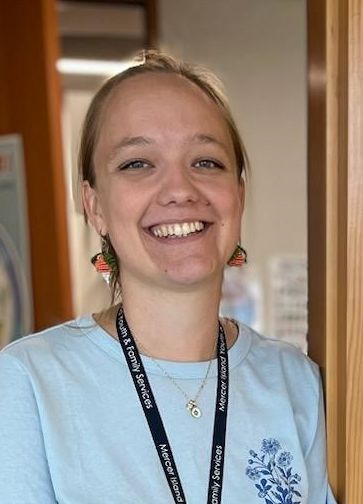
Anna Frohardt, LMHC, ATR

Anna is the YFS school-based mental health counselor at Northwood Elementary and truly gifted at connecting with students. She blends solid clinical skills with the natural disposition to be a person to whom kids gravitate when they have a problem or need help. Anna recently completed training to become a Registered Art Therapist and is known for her puppeteering skills teaching behavioral decision-making using Kelso the Frog. Anna, you make a real difference at Northwood and for the Mercer Island community!


Back to School Tips


  • Establish a routine and include the kids in the planning
  • Prepare materials the night before to alleviate last minute stress
  • Use visual lists to prompt kids through the steps
  • Stay positive
  • Schedule down time and family time
  • Utilize a family calendar to keep everyone informed
  • Set homework time as part of your daily routine
  • Seek support from a YFS school counselor if needed
  • Remind yourself that you're doing a great job!


Parenting is important. Figuring it out isn't always easy. 
Visit the Parenting Mercer Island online tool for more tips (ages 0-19).


>> Click here for information about YFS School Counselors

 
Facebook  Instagram  Web  Email