The Michigan Oral Health Coalition (MOHC) works to create a large, interconnected network of national, state and local advocates dedicated to working collaboratively on advocacy, education and awareness of oral health. We strive to keep our members informed on topics relevant to today's oral health advocates. The mission of MOHC is to equitably optimize oral health for all Michiganders. | | |
Michigan Updates
Midterm Elections Ahead
As a reminder, the midterm elections are coming up in November. This election cycle is especially significant for Michigan, as voters will elect a new governor and U.S. senator, as well as members of the Michigan Legislature. All 110 House seats and 38 Senate seats will be on the ballot.
We encourage MOHC members to research the candidates, engage with them when opportunities arise to discuss oral health priorities and make informed decisions at the polls in November.
You can find your voter information, including your polling location and sample ballot, here. The following links will bring you to pages where you can find your current state senator and state representative.
The midterm election is Tuesday, Nov. 3.
Election Update
James, Benson Running Mates Officially Nominated
Republican gubernatorial nominee John James and Democratic gubernatorial nominee Jocelyn Benson recently selected their running mates, who have since been formally nominated for lieutenant governor at their respective state party conventions.
James selected state Rep. Jay DeBoyer, R-Clay Township, who represents the 63rd District. DeBoyer was first elected to the state House in 2022 and currently serves as associate speaker pro tempore and chair of the House Oversight Committee.
Benson selected Senate Majority Leader Winnie Brinks, D-Grand Rapids. Brinks has served in the state Senate since 2019 and previously served six years in the state House. In addition to serving as Senate majority leader, Brinks chairs the Senate Government Operations Committee. If elected, Benson and Brinks would become Michigan's first all-female governor and lieutenant governor pair.
Both candidates were officially confirmed at their respective parties' state conventions.
Regulatory Update
MDHHS Childhood Vaccine Recommendations Remain Unchanged
The Michigan Department of Health and Human Services (MDHHS) recently announced that Michigan's childhood vaccine recommendations, school requirements and exemption processes remain unchanged and encouraged families to ensure children are up to date on recommended vaccines.
MDHHS noted that, despite recent federal changes to childhood vaccine guidance, there is no new data to support changes to Michigan's recommended vaccine schedule. The department also noted that U.S. measles cases have reached a 35-year high, while Michigan is seeing increases in measles, whooping cough and other vaccine-preventable diseases.
As students return to school, MDHHS is encouraging parents and caregivers to follow the vaccine schedules outlined in Michigan's Standing Recommendation.
| | |
Federal Updates
Congress continues to work on several bills related to oral health and workforce development. The bipartisan Action for Dental Health Act passed the House and has been introduced in the Senate. If enacted, the legislation would continue federal grant support aimed at addressing dental workforce shortages and improving access to care in underserved communities. Read more
Proposed Federal Head Start Changes Could Affect Children’s Dental Care
Federal officials recently proposed replacing the current Head Start Program Performance Standards with a more limited set of federal requirements and relying more heavily on state and local requirements in several areas, including health services. Federal officials said the proposed changes are intended to reduce regulatory burden and provide Head Start programs with greater flexibility.
A group of organizations, including the Michigan Head Start Association, said after an initial review that the proposal could eliminate several current federal oral health requirements. The proposed rule would remove existing requirements related to child health status and oral health practices, including the requirement that Head Start programs assist children with daily toothbrushing using fluoride toothpaste.
To review the proposed rule and submit a public comment by Oct. 6, click here.
| |
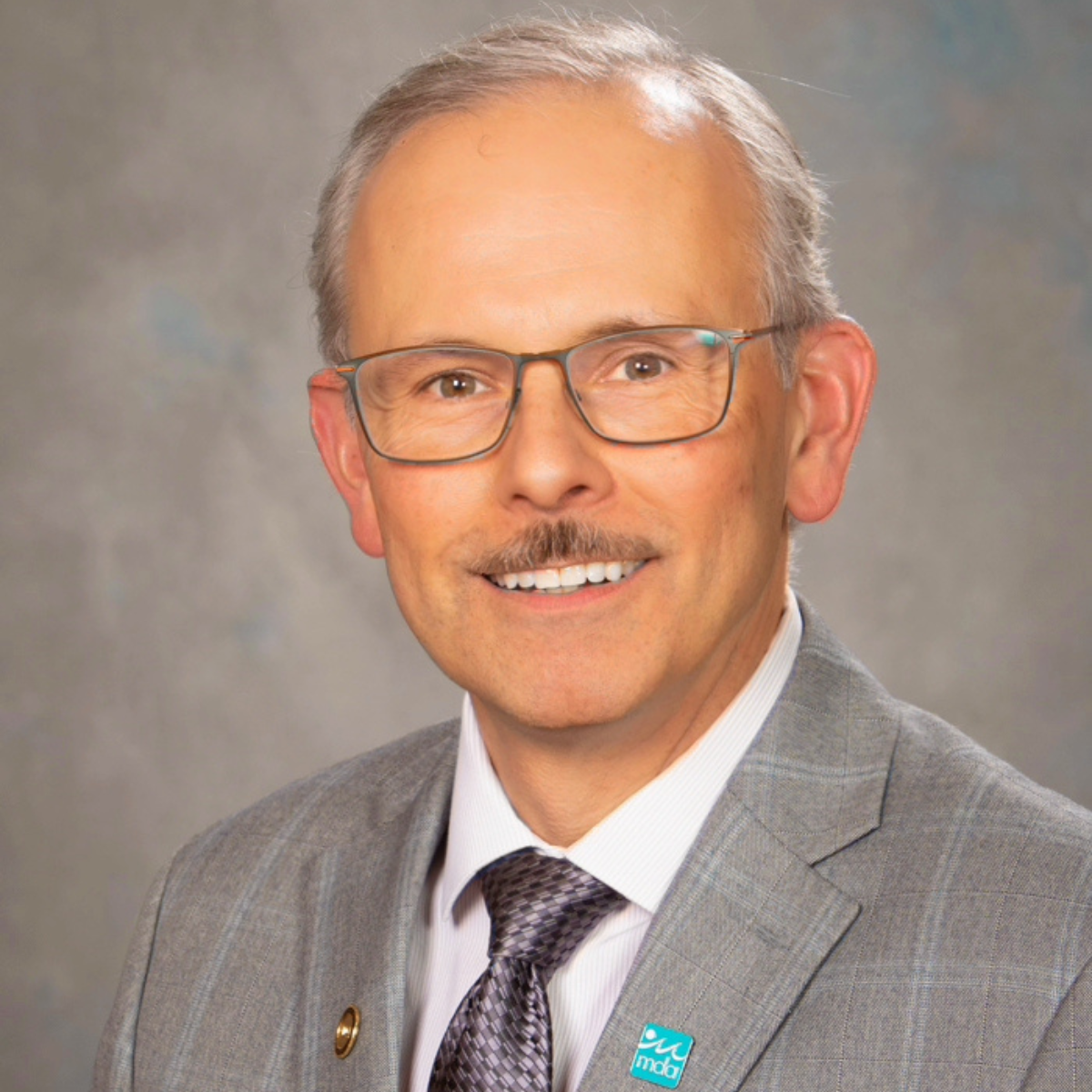
Meet MOHC Board President Dr. Christopher Gorecki | |
The Michigan Oral Health Coalition is pleased to welcome Dr. Christopher Gorecki as president of the MOHC Board of Directors for a term running from July 1, 2026, through June 30, 2028.
Dr. Gorecki is a general dentist who practices alongside his wife in Warren, Michigan. A longtime leader in organized dentistry, he has served as a Michigan Dental Association trustee and secretary-treasurer and has demonstrated a strong commitment to improving access to oral health care throughout his career.
His involvement in access-to-care initiatives includes service on the MDA Access to Care Committee and participation in Michigan’s Mission of Mercy, including serving as chair of the 2016 event in Macomb County. He has also served on the Michigan Dental Association Foundation’s Scholarship and Awards Committee since 2017, reflecting his ongoing commitment to supporting the profession and future generations of dental professionals.
Dr. Gorecki currently serves as executive director of the Macomb Dental Society, where he works to engage and support more than 400 members, mentor new dentists and strengthen participation in organized dentistry.
MOHC looks forward to Dr. Gorecki’s leadership and the experience, perspective and commitment to oral health access he brings to the coalition as we continue working together to improve oral health for all Michiganders.
| |
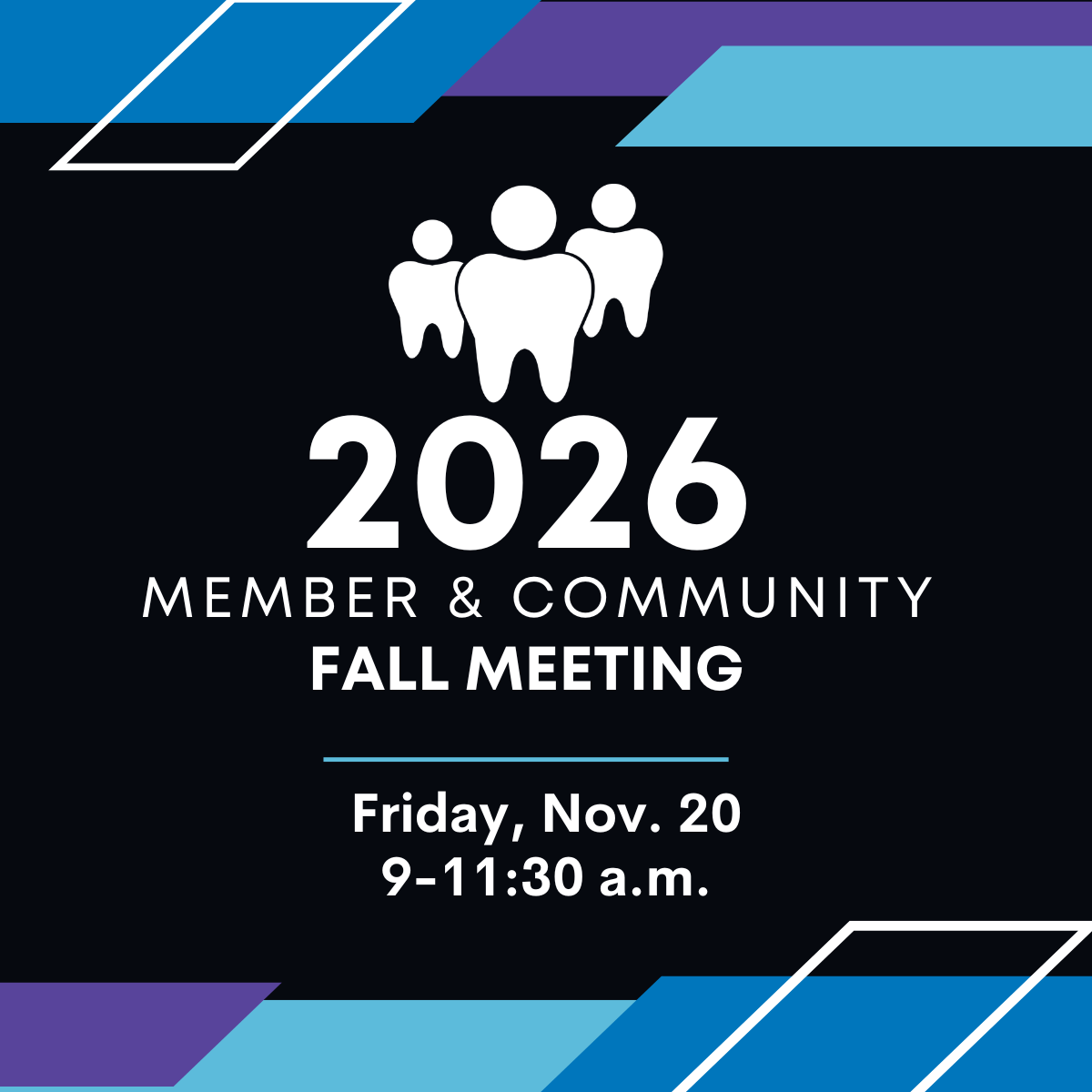
2026 Fall Member and Community Meeting | |
Join MOHC on Friday, Nov. 20, from 9 to 11:30 a.m. for our virtual Fall Member and Community Meeting. This annual gathering is an opportunity to connect with colleagues from across Michigan, hear timely updates on issues affecting oral health and learn more about the work underway through the coalition.
Topics will include federal and state policy updates, Medicaid work requirements, Michigan’s State Oral Health Plan, community water fluoridation and a look ahead to MOHC’s 2027 Advocacy Day and Annual Conference.
| | Community Water Fluoridation Updates | | |
Community water fluoridation continues to be an active issue across Michigan, with developments moving in different directions in several communities.
Michigan Communities Recognized for Fluoridation
Amid these ongoing discussions, four Michigan community water systems were recently recognized for their commitment to community water fluoridation. In August, the Michigan Department of Health and Human Services announced that Bay Area Water, Jonesville, Schoolcraft and Marquette received 2025 Community Water Fluoridation Awards from the Association of State and Territorial Dental Directors.
Bay Area Water received a 10 Year Award, while Jonesville and Schoolcraft were recognized for 50 years of continuous fluoridation. Marquette received a Reaffirmation Award for retaining community water fluoridation.
CWF Developments Across Michigan
In St. Clair County, a July 28 public hearing was held on the health department’s proposed fluoride regulation. The draft remains under review and may be revised based on public input before being submitted to county officials for consideration. MOHC and its partners continue to monitor the proposal and its potential implications for fluoridated communities in the county.
In Iosco County, discussion about potentially discontinuing community water fluoridation through the Huron Shore Regional Utility Authority (HSRUA) remains quiet for now. Local public health advocates continue working to educate community leaders and build support for fluoridation among area dental and health professionals. Because discontinuation would require unanimous approval from all five participating water systems, no change is imminent. MOHC continues to monitor the issue and support local education and advocacy efforts.
Elsewhere, the Muskegon Heights City Council voted May 11 to discontinue community water fluoridation, adding another Michigan community to the growing number reconsidering the practice. At the same time, Benton Harbor is considering restarting fluoridation after it was suspended during the city’s lead service line crisis. The issue was discussed by a Benton Harbor City Commission committee in in late August and is scheduled for consideration by the full commission on Sept. 8.
Federal Fluoride Review Moves Forward
At the federal level, the U.S. Environmental Protection Agency (EPA) announced another step in its expedited review of fluoride under the Safe Drinking Water Act. On Aug. 3, EPA released the final Protocol for Developing the Fluoride Human Health Toxicity Assessment, which outlines how the agency will evaluate scientific evidence related to fluoride exposure and potential health effects.
The protocol follows EPA’s preliminary assessment plan released for public comment earlier this year. While the final protocol is not open for comment, EPA has indicated that additional opportunities for public input will occur later in the assessment process. The completed assessment could inform potential changes to federal drinking-water regulations. MOHC and its partners are reviewing the protocol and will continue to monitor the federal process and its potential implications for community water fluoridation.
MOHC continues to work with state and local partners to monitor CWF developments, provide credible, evidence-based information to decision-makers and support efforts to protect access to community water fluoridation throughout Michigan.
| | Michigan Medicaid Dental Corner | | |
Michigan’s Medicaid dental benefit has expanded, with higher reimbursement, broader coverage and fewer administrative barriers.
Each month, we’ll answer one practical question to help dental teams navigate Medicaid with confidence. Have a question? Email info@mohc.org
Q: What upcoming Healthy Michigan Plan changes could affect Michigan patients in 2027?
A: Michigan is preparing to implement several federally required changes to Medicaid beginning in 2027. While many Michigan Medicaid members will not experience changes to their coverage, some adults enrolled in the Healthy Michigan Plan (HMP) will face new requirements that could affect how they maintain their eligibility.
Beginning Jan. 1, 2027, HMP eligibility will generally be reviewed every six months instead of annually. Some HMP members ages 19 to 64 will also be required to meet new work requirements or qualify for an exemption to maintain coverage. Approved activities can include employment, school or vocational education, volunteering, internships and work programs. A number of exemptions are available, including for certain caregivers, pregnant or postpartum individuals, people with disabilities or serious health conditions, and others who meet federal exemption criteria.
For people already enrolled in HMP, the new work requirements will apply as their renewals occur, beginning with renewal dates on or after March 1, 2027. MDHHS will use information already available whenever possible to verify that an individual meets the requirement or qualifies for an exemption. If additional information is needed, the beneficiary will receive a notice requesting it.
These changes make it especially important for Medicaid beneficiaries to keep their address, phone number, email and other information current in MI Bridges, watch for communications from MDHHS and respond promptly when information is requested. Oral health providers and community organizations can help by reminding patients with Medicaid coverage to pay attention to renewal notices and directing them to official MDHHS resources when they have questions.
For dental providers, maintaining coverage is particularly important because interruptions in Medicaid eligibility may disrupt ongoing preventive and restorative care. Helping patients understand where to find accurate information and encouraging them to respond to Medicaid notices can support continuity of care as the new requirements are implemented.
Provider and Community Partner Resources: Learn more about the upcoming changes on the MDHHS Upcoming Federal Medicaid Changes webpage and review information about Healthy Michigan Plan Work Requirements. Organizations helping patients prepare for the changes can also access the Community Partner Toolkit, which includes outreach materials, presentations and webinar resources. Medicaid beneficiaries can use MI Bridges to manage their case and keep their contact information current.
Because implementation guidance continues to evolve, providers and community partners are encouraged to rely on MDHHS for the most current information.
| | New Oral Health Micro-Credential for CHWs | | |
The Michigan Department of Health and Human Services (MDHHS) has announced that applications are now open for its inaugural Oral Health Micro-Credential for Community Health Workers (CHWs).
There are 10 spots available for this pilot project, making the application process competitive. Applications will be reviewed, and students will be selected based on their interest and intention to integrate oral health into their current roles. Selected students will participate in this pilot cohort at no cost. Graduates will receive certification as oral health advocates.
The program will cover Michigan's dental landscape, Medicaid navigation, maternal and child oral health, connections between oral health and chronic disease, trauma-informed care, referral pathways, insurance navigation, motivational interviewing and more.
Eligibility: A CHW certification from an MDHHS-approved training provider is required for enrollment. Those unsure whether their certification meets this requirement should review the list of MDHHS-approved training providers.
Dates: Oct. 7-Nov. 18
Live sessions: Wednesdays, 9-11 a.m. via Zoom
Independent study day (no live session): Nov. 11
Application deadline: Wednesday, Sept. 16
Application link: Apply here
Application process: Please note that submitting an application does not guarantee enrollment. Applications will be used to determine eligibility for the course. By applying, participants confirm their availability and commitment to attend the live virtual sessions and to complete all required coursework.
Selected applicants will receive confirmation of enrollment by Sept. 25.
| |
Save the Date: Advocacy Day & Annual Conference | |
Mark your calendar for two opportunities to connect, learn and advocate with Michigan’s oral health community. MOHC Advocacy Day will be held Wednesday, April 28, 2027, followed by the MOHC Annual Conference on Thursday and Friday, April 29 and 30, 2027, at the DoubleTree in Lansing.
Help shape the conference program! Complete our brief survey to share the topics and issues you would most like to see at the 2027 Annual MOHC Conference.
Additional details, including registration and programming information, will be shared in the coming months.
| | Free Education and CE Opportunities | | |
CareQuest Webinar
How Medicaid Policy Changes Are Shaping Access to Oral Health Care
Date: Thursday, Sept. 10
Time: 7-8 p.m. ET
CEU: 1
Click to register
| |
CareQuest Webinar
Silver Diamine Fluoride in Action: Evidence and Implementation
Date: Thursday, Sept. 17
Time: 7-8 p.m. ET
CEU: 1
Click to register
| |
Opioid Response Network Virtual Summit
Word of Mouth: Building the Oral Health Response to Opioid and Stimulant Use in Rural United States
Date: Wednesday, Sept. 23
Time: 11 a.m.–5 p.m. ET
View Flyer
Click to register
| |
CareQuest Webinar
Medicare: Expansion of Dental Services
Date: Thursday, Oct. 8
Time: 7-8 p.m. ET
CEU: 1
Click to register
| | |
OPEN Webinar
Epidemiology and Effects of Opioid Prescribing by U.S. Dentists
Date: Available Anytime
CEU: 1
Click to register
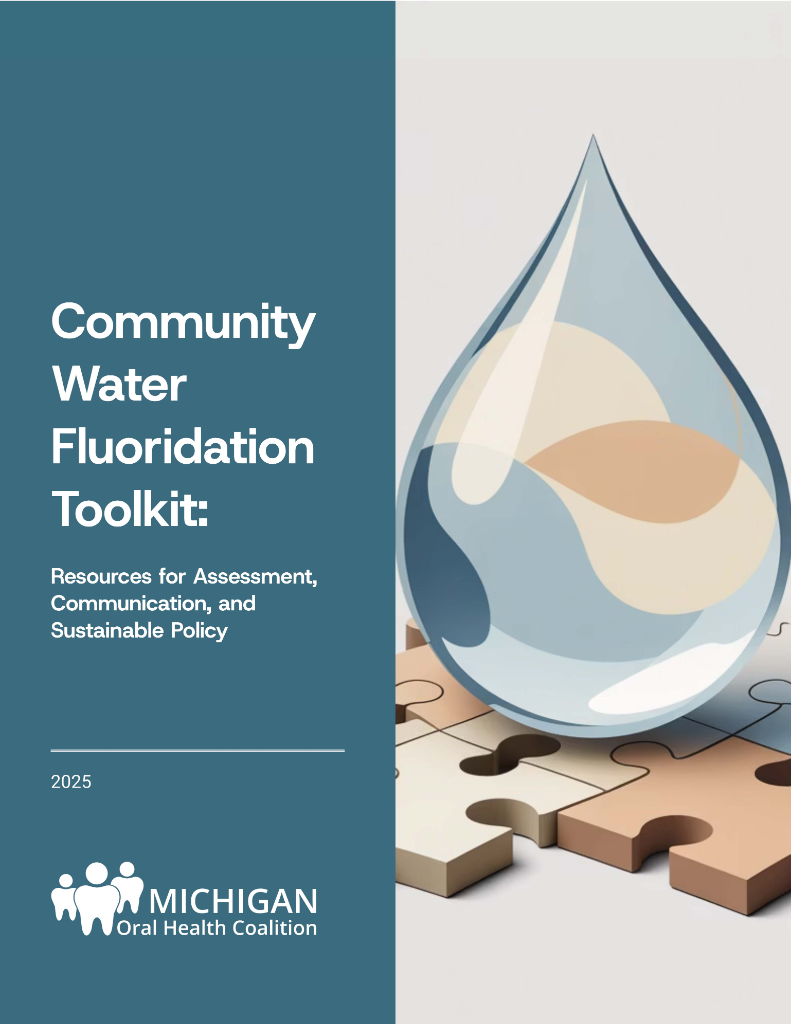
| | MOHC is pleased to share its Community Water Fluoridation (CWF) Toolkit, featuring evidence-based guidance, customizable outreach materials, educational resources and policy tools to support fluoridation efforts across Michigan. | |  | |
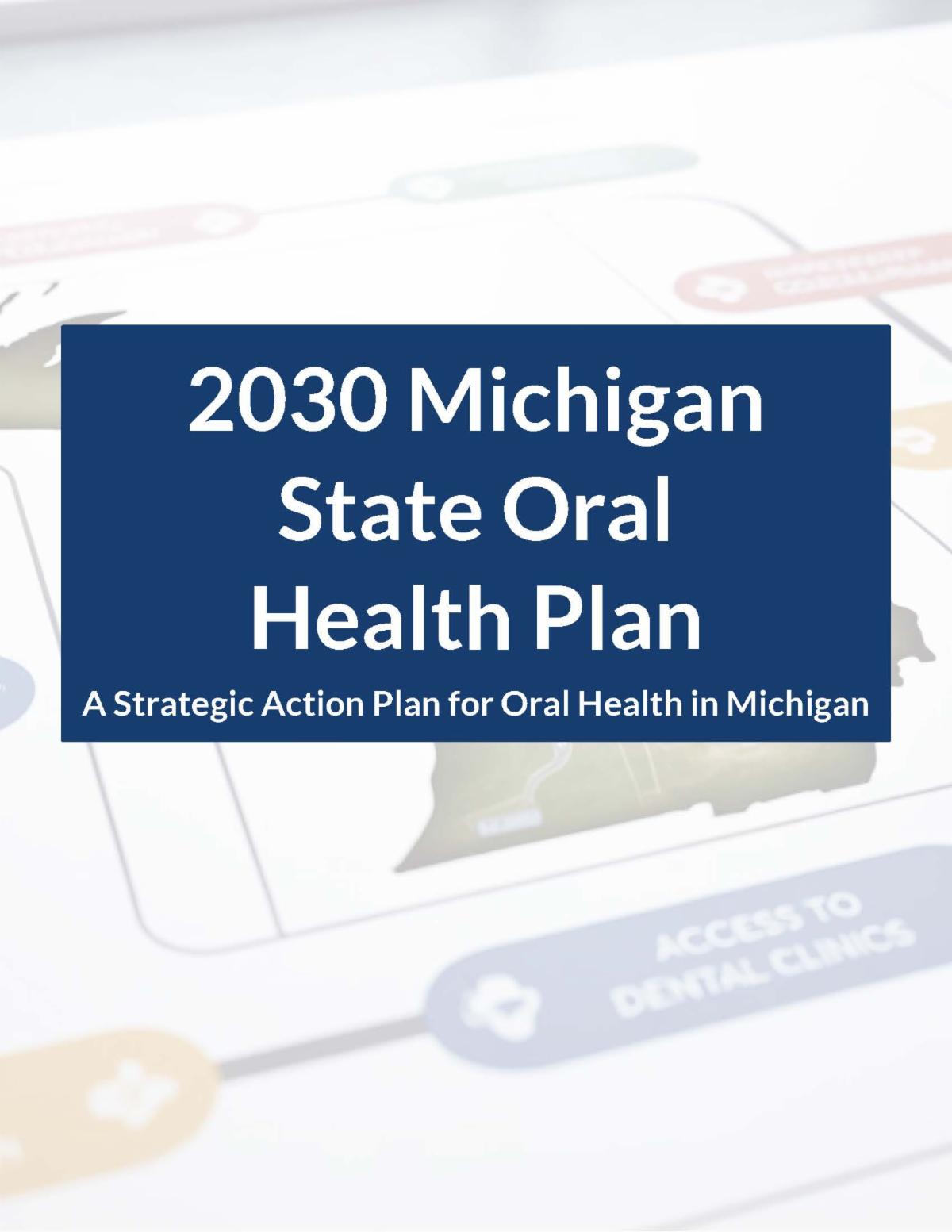
MOHC and the Michigan Department of Health and Human Services, with partners statewide, are pleased to share the Michigan State Oral Health Plan 2030, a strategic roadmap for improving oral health across Michigan.
| | |
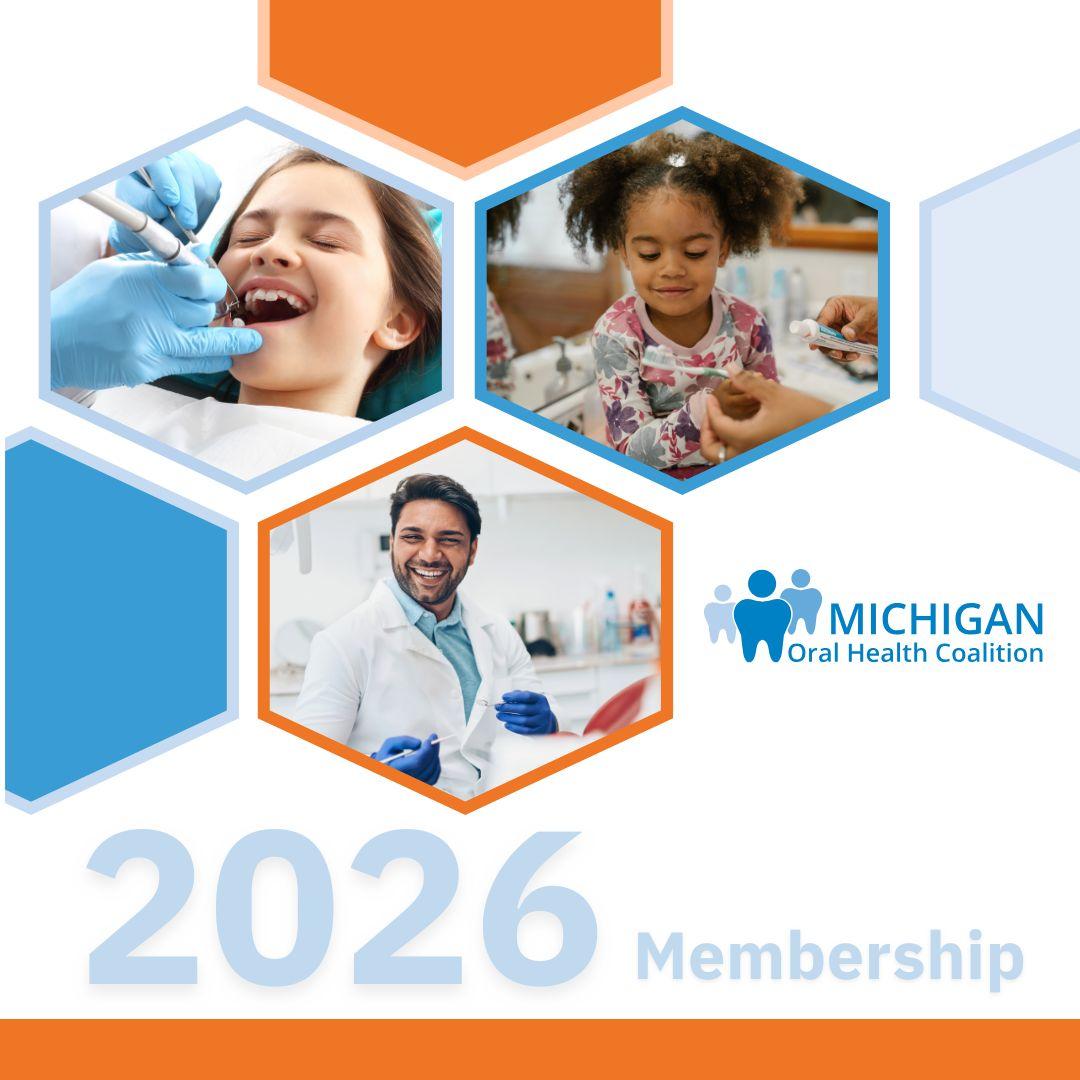
Become an MOHC Member
Over the past 23 years, MOHC has advocated for policies and programs that improve oral health for all Michiganders. Our members and partners share a vision that all Michiganders have the knowledge, support, and care they need to achieve optimal oral health.
Why Join MOHC?
Advocacy: We drive policies to improve access to care, including increased Medicaid dental rates, expanded services, and stronger support for safety net clinics.
Education: Offering cutting-edge training on oral health innovations, providing oral health care to people with disabilities, value-based care, and preventive strategies like fluoride, sealants, and HPV vaccinations.
Workforce Development: Cultivating a diverse and culturally competent oral health workforce to better serve Michigan’s communities.
Public Health Leadership: Advocating for initiatives like community water fluoridation, Kindergarten Oral Health Assessments, and HPV vaccination awareness.
Our partnership and membership options, which renew on the calendar year, provide the foundation for MOHC to pursue its mission to optimize oral health for all Michiganders equitably.
| | | | | |