MOTHER TREES AGAINST GENOCIDE
Inup (Maya) and Olive Tree زيتون (Palestine)
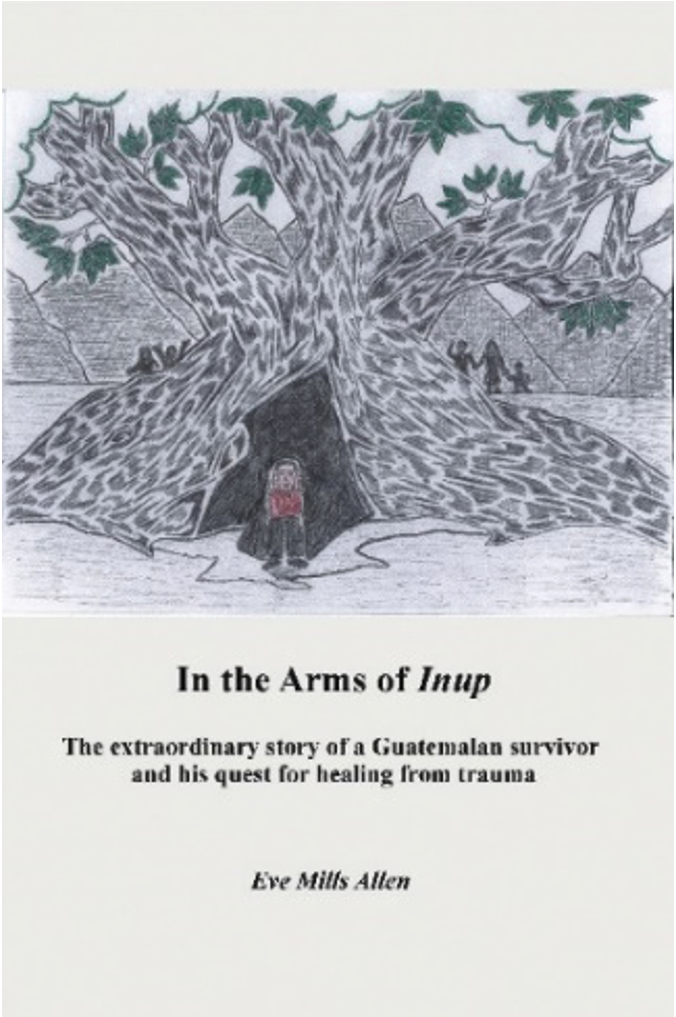
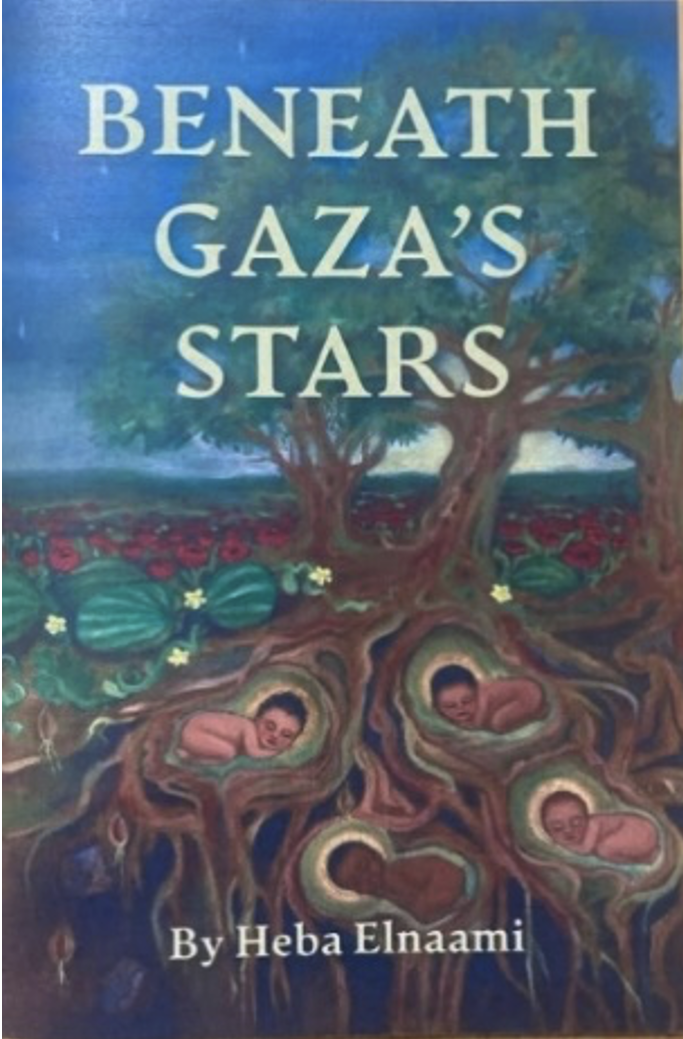
| | Words and research by HARP Co-Founder, Dorothy Lander. Design by Robin Grant. | | Since the beginning, we humans have been intimately linked to trees, sharing the breath of Mother Earth, the inhale-exhale cycle of carbon and oxygen. Behold how images of trees are featured as cover art for titles representing separate genocides four decades apart: to the left, In the Arms of Inup, as told by Indigenous Storyteller and Genocide Survivor Jeremias Tecu, and captured in words by Eve Mills Allen, representing the Mayan genocide during Guatemala’s civil war, circa 1966 to 1996; and to the right, Beneath Gaza’s Stars as depicted by the Indigenous Gaza-based poet, Heba Elnaami, representing a genocide that is active to this day | | |
Cover art by Jody Claus
In the Arms of Inup by Eve Mills Allen, published by HARP in 2020, tells the story of Mayan genocide survivor Jeremias Tecu. As an 11-year-old he sheltered with his mother and siblings in the root caves of the Inup tree during the Guatemalan civil war — a massacre that killed 200,000 civilians.How fitting that an Indigenous artist, Eve’s son, Mohawk Jody Claus, created the cover art, representing Mayans Jeremias protected within Inup's roots.
| | |
Cover art by Michelle Franzoni Thorley
Beneath Gaza’s Stars (2025) by Gaza-based writer Heba Elnaami depicts children buried in the root caves of the ancient olive tree of Palestine (Arabic "Zaytoon" زيتون). The olive tree holds significant cultural and symbolic meaning as referenced in religious texts such as the Qur'an. In the Arab world, this majestic tree can represent both peace and struggle as well as a connection to the land. To read and view the poetry and art of Beneath Gaza's Stars and support poet Heba Elnaami, please click here.
| | The cover art on both books features trees as shelter, genocide protectors, and undisturbed burial place. And as my inquiry proceeded, I found out that not only are both the Olive and Inup tree kin to humankind but also to each other, and through no other than their common Indigenous bloodlines... | |
TREES: The Ancestral Caregivers
| | In the Arms of Inup by Eve Mills Allen (2020) depicts Mayan trauma survivor Jeremias Tecu sheltering in the root caves of Ceiba pentandra, also known as la Ceiba, kapok or silk-cotton tree, or the Inup. | | |
Inup became a mother for us.
It looked like the branches were our mother’s
arms, and its trunk... our mother’s body, which
protected us. At night we were completely silent,
and like the legend said, we were invisible to outsiders...
At the time, my mother and my three little sisters
and baby brother were with me, also an
aunt and her three children."
–Jeremias Tecu, In the Arms of Inup.
| | In 2002, with support from International Accompaniment program and Maritime-Guatemala Breaking the Silence, Jeremias fled Guatemala with his family—wife Soledad and three young children—Oscar, Mayte, Maya— to begin a new life in Fredericton, New Brunswick. | | OLIVE TREES as Witness & Resistance | | The mothering roots of the Olive tree in Heba Elnaami’s Beneath Gaza’s Stars serve not only as a shroud for children but as “witness” and “resistance” as captured in the poem entitled “A Tree by the Road." | |
We speak of the olive not only as food,
but as witness.
The trees live longer than men here.
They have seen our weddings and our funerals.
They have held our silence and our songs.
They do not move, but they endure.
And that, too, is a kind of resistance."
–Heba Elnaami, Beneath Gaza's Stars.
| | |
The website for Beneath Gaza’s Stars describes each poem as offering “an unfiltered glimpse into life under occupation: the longing for home, the grief of shattered beginnings, and the radical act of planting even where nothing is supposed to live.”
Harvesting is also a radical act. How precious is the olive oil we in Nova Scotia, Canada, purchase from Palestine, knowing the courage it must have taken to harvest amid the unrelenting threat of Israeli drones and airstrikes. According to the UN, more than 5,000 olive trees belonging to Palestinians in the West Bank were damaged in the first five months of 2023.
This is amplified in a report dated September 2024:
| | |
During the 2023 season, in the immediate aftermath
of 7 October, Israeli authorities refused to grant the
“coordination” needed for Palestinians to reach their
lands located near Israeli settlements and kept closed
the system of Israeli-imposed agricultural gates,
blocking the access of Palestinians from some one
hundred and fifty communities to their olive groves in
the so-called seam zone.
According to UN data, as a result, more than 96.000
dunums of olive-cultivated lands across the West Bank
remained unharvested, causing the estimated loss of
1,200 metric tons of olive oil and 10 million USD damage.
Restricted access to the high-yielding 2024 crop
would have a further devastating economic impact
and further deteriorate grove health for future harvests..."
-Retrieved online from a
a United Nations' press release, issued September 2024.
| | |
SPEAKING TRUTH TO POWER
The Olive Tree Stands Tall
The olive tree featured in the last will and testament of Al Jazeera journalist Amas Al-Sharif, who was among the five Al Jazeera journalists targeted and murdered during an Israeli attack early August. Al-Sharif's will appeared on LinkedIn on August 10, 2025 to announce that Israel had succeeded in silencing him and his important work.
"I commend to you my lifelong companion, my beloved wife, Umm Salah Bayan. She remained faithful to her covenant, steadfast like an unbending olive trunk, patient and content."
Researcher, writer and medical student Hend Salama Abo Helow pleads for the ancestral olive tree in language similar to that of the aforementioned Palestinian journalist, Amas Al-Sharif, and poet, Heba Elnaami. Although Abo Helow’s blog series can be found in Genocide in Gaza and We Are Not Numbers, linked here, here is a succinct excerpt:
"To us, olive trees are not mere plants; they are kin — steadfast and enduring, a symbol of our bond with this sacred land. Their gnarled trunks, nurtured by generations, and watered with the blood of innocents, mirror the Palestinian spirit: resilient, rooted, unwavering. Their branches reach outward, offering peace and a legacy of love, passed from one generation to the next. Their leaves bear silent witness to suffering and, one day, will carry the stories of liberation to those who come after us..."
| | |
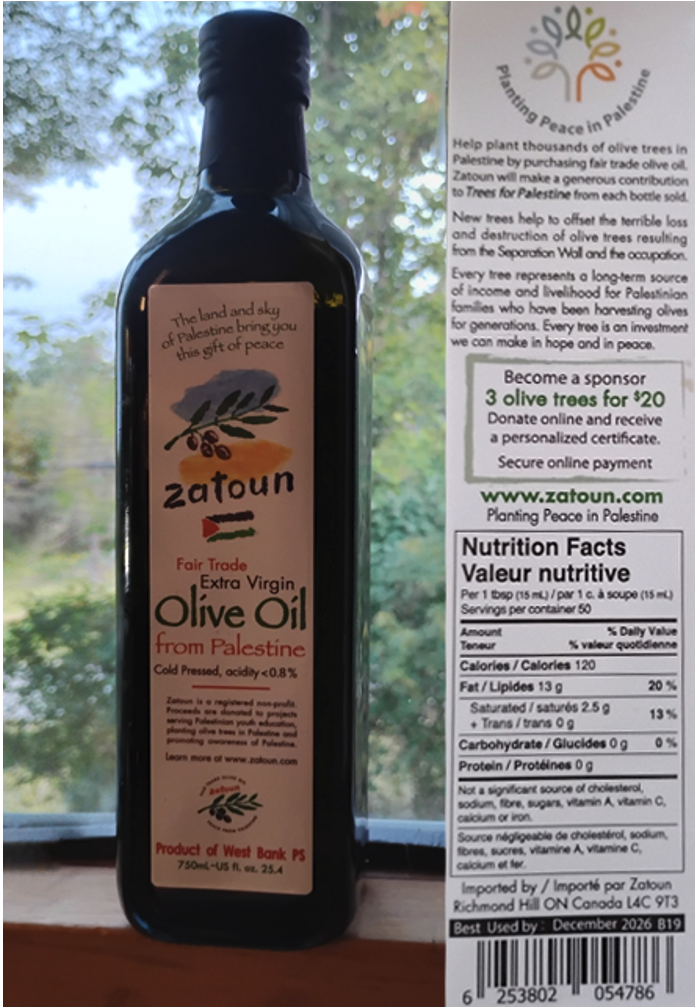
ABOVE: Top right logo features Trees for Palestine. The Trees for Palestine program helps connect Palestinian farmers and producers to the solidarity movements internationally while investing in sustainable movements in Palestine.
To sponsor this program, please click here.
| |
Al Jazeera’s infographic series showcases eight symbols that represent Palestinian identity and resistance to Israeli occupation, two of which are also represented in the beautiful Beneath Gaza’s Stars cover art by Michelle Franzoni Thorley — the olive tree and watermelon. Kindly see here.
| | | |
The olive tree also appears in other symbols of Palestine, notably the olive-leaves pattern in the keffiyeh, the square-shaped cotton headdress worn in many parts of the Arab world. The black-and-white variant, worn by Palestinian men and women, has come to symbolize the Palestinian struggle for self-determination, justice and freedom.
The olive-leaves pattern represents perseverance, strength and resilience.
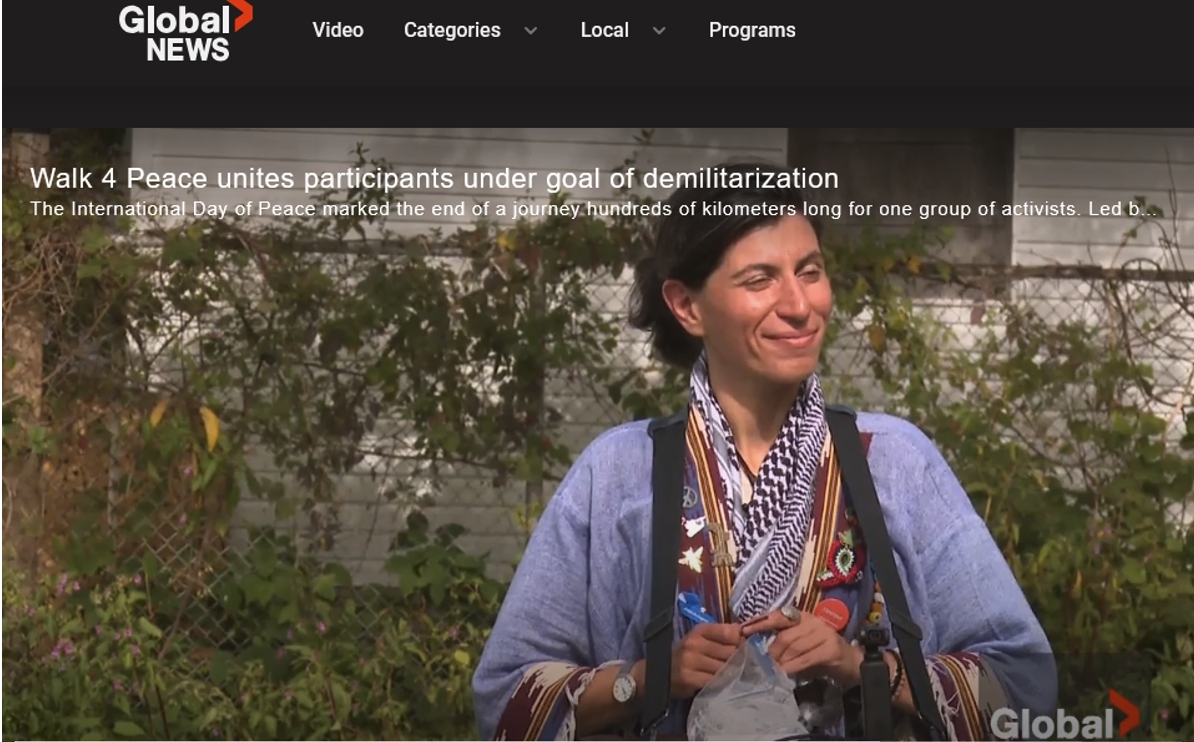
Masa Kateb, the Syrian-Canadian storyteller and refugee advocate, wearing the keffiyeh, was a leading presence in the Walk for Peace In Nova Scotia (NS), Canada, in September 2024. HARP founders John Graham-Pole and Dorothy Lander first met Masa when they joined the Walk for Peace from Antigonish, NS to "Bethany" (the Motherhouse for the Sisters of St. Martha), NS, and later from Pugwash, NS to Halifax, NS. Masa Kateb appears in the keffiyeh in this Global News clip explaining her first hand experience of being bombed in Damascus, Syria.
| | |
Kinship of Trees and Peoples
An early August 2025 review of Harriet Rix’s book The Genius of Trees in The Guardian points out that Rix draws on the “beautiful field science” of Suzanne Simard laid out in Finding the Mother Tree, which led to the concept of the wood wide web “but she gives short shrift to subsequent anthropomorphic claims that trees ‘talk’ or ‘love’ or ‘mother’ one another.” But synchronicity operates in a quantum reality. How else to explain this beyond chance compelling connection between Inup and Olive trees? How else to connect the Indigenous connections between Mayan Jeremias Tecu in the HARP title In the Arms of Inup and the artist Michelle Franzoni Thorley, who designed the cover for Beneath Gaza’s Stars?
The Becoming interview series features a bio for Michelle Franzoni Thorely:
Michelle draws on her family history and experiences as a Xicana, as well as a love of plants, in her lush, figurative paintings. She’s also a family historian and an anti-racism educator who explores the intersections of race, family traditions, family history, and social activism. … [She) is a Xicana artist with a mixed ancestry from Europe, Mexico, and Africa. Her work is deeply inspired by her own family history and her great desire to see herself and her multiracial identity represented in the arts.
I had to look up “Xicana.” The Xicana identity has a deep and symbolic connection to Maya—yes Maya!—and other Indigenous peoples through the term's origin, which uses the letter "X" to represent a return to pre-Hispanic linguistic forms and a rejection of colonial legacies. Xicana identity emphasizes Indigenous ancestry and decolonial thought, bridging the gap between contemporary Chicana/o experiences and the ancient Maya and other Mesoamerican cultures.
Jeremias Tecu and Michelle Franzoni are indeed kin.
And in the genius of trees, the Inup and the Olive tree share deeply rooted ancestry, equally bound in their ancient devotion to the liberation of their human stewards.
| |
The Peoples' Story of Trees:
Deeply Rooted in Time
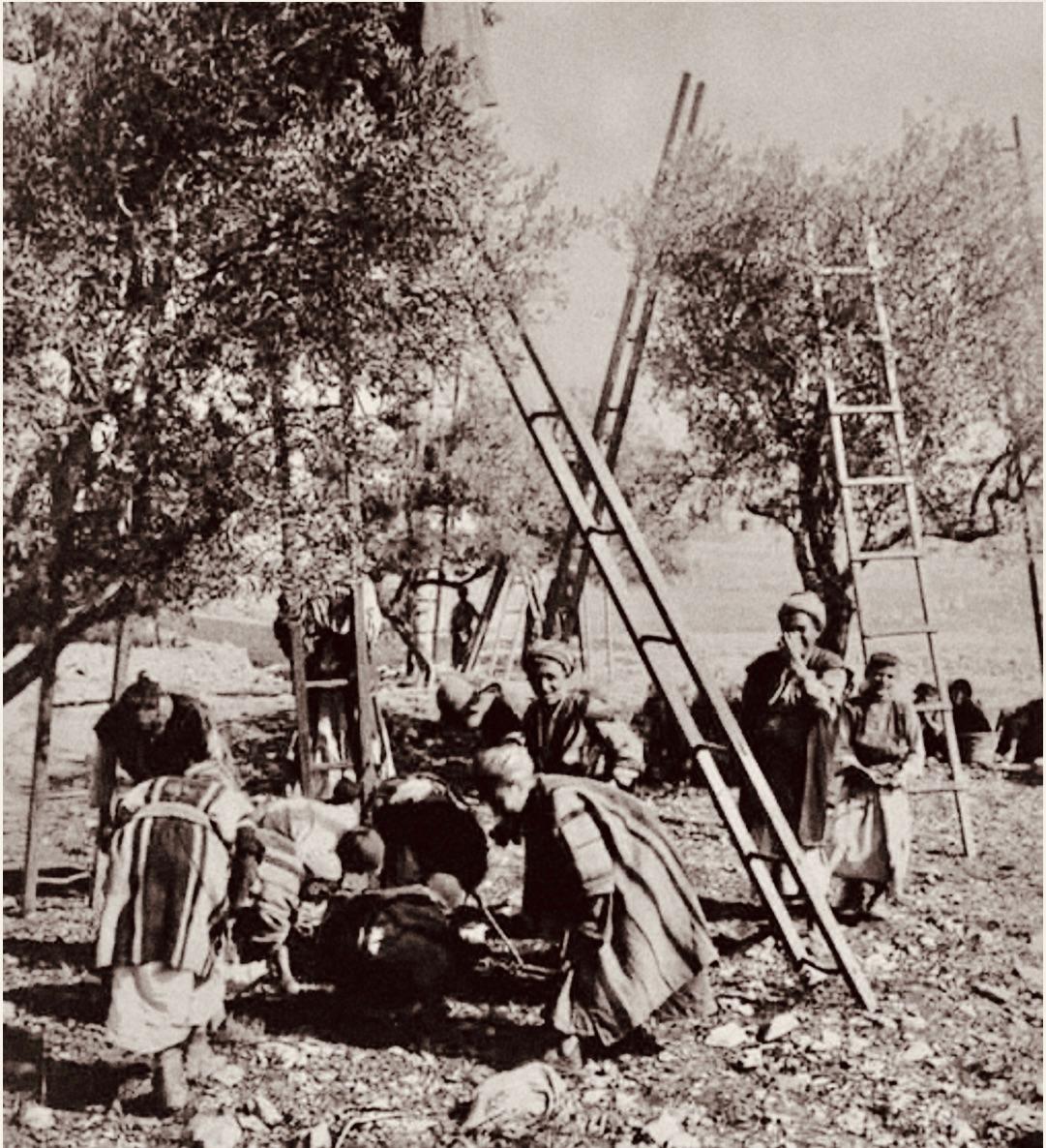
| | In the above photo, courtesy of the Library of Congress, public domain, Palestinian farmers in the West Bank, circa 1922, seen carefully picking olives, a tradition passed down through generations. The olive harvest was more than just agricultural work; it was a social and cultural season, bringing together families, neighbors, and entire villages. Men climbed the ancient, gnarled trees to handpick the ripe fruit, while women and children gathered them in woven baskets below. These olives, often pressed into golden oil, were a vital part of the local economy and a symbol of the deep bond between Palestinians and their land. Even a century ago, the harvest was a time of unity, hard work, and celebration a heritage that continues to this day. | |
A forest for one tree:
HELP US SUPPORT HUMANITY
| |
| |
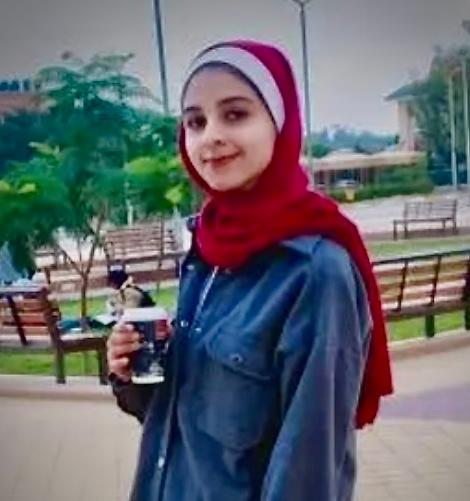
Heba Elnaami
Friends, we strongly encourage you to support anyone actively experiencing genocide, as well as those in recovery. You can support poet Heba, a young woman presently experiencing genocide, by purchasing her eloquent zine, Beneath Gaza's Stars, with whatever donation you choose. Simply click on the link below.
Please click here to support
the young poet Heba Elnaami
| | | | |
Just Peace Advocates
Just Peace Advocates (JPA) is a Canadian based independent human rights organization promoting Just Peace/Paix Juste through the rule of law and respect for human rights. You can donate to their Protect Palestinian Children Now campaign online by following this link.
Maritime-Guatemala Breaking the Silence Network
You can donate to the Maritime-Guatemala Breaking the Silence Network (BTS) through Canada Helps, as well as through also through their website, linked here. In addition, you can order In the Arms of Inup online here or through your favourite local bookstore. HARP ensures 10% of all sales of In the Arms of Inup go to back to the Maritime-Guatemala Breaking the Silence Network.
| | |
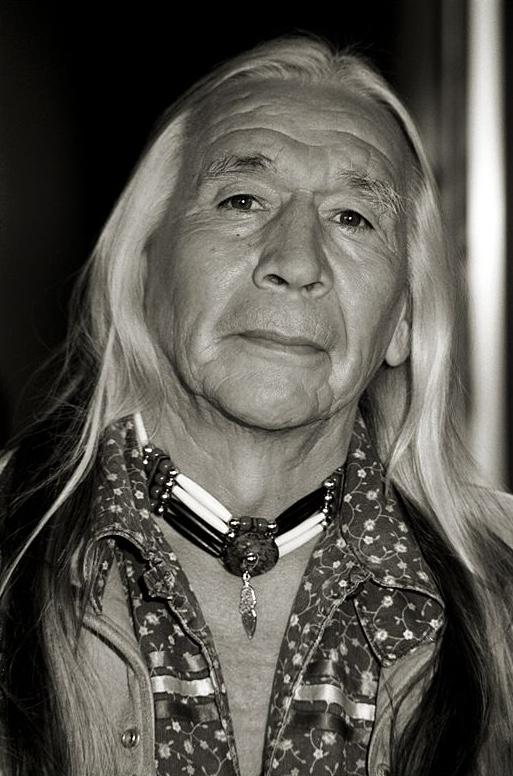
We were told that we would see America come and go. In a sense America is dying, from within, because they forgot the instructions of how to live on earth. It’s the Hopi belief, it’s our belief, that if you are not spiritually connected to the earth and understand the spiritual reality of how to live on earth, it’s likely that you will not make it. … We are here on earth only a few winters, then we go to the spirit world. The spirit world is more real than most of us believe. The spirit world is everything. Over 95% of our body is water. In order to stay healthy, you've got to drink good water. ... Water is sacred, air is sacred. Our DNA is made out of the same DNA as the tree, the tree breaths what we exhale, we need what the tree exhales. So we have a common destiny with the tree. We are all from the earth, and when earth, the water, the atmosphere is corrupted then it will create its own reaction. The mother is reacting. In the Hopi prophecy they say the storms and floods will become greater. To me it’s not a negative thing to know that there will be great changes. It’s not negative, it’s evolution. When you look at it as evolution, it's time, nothing stays the same. You should learn how to plant something. That is the first connection. You should treat all things as spirit, realize that we are one family. It’s never something like the end. It's like life, there is no end to life.”
-Floyd Red Crow Westerman
| |
ABOVE: Kanghi Duta, known more commonly as Floyd "Red Crow" Westerman, was a Sioux political activist, musician, and actor. | | | | |