|
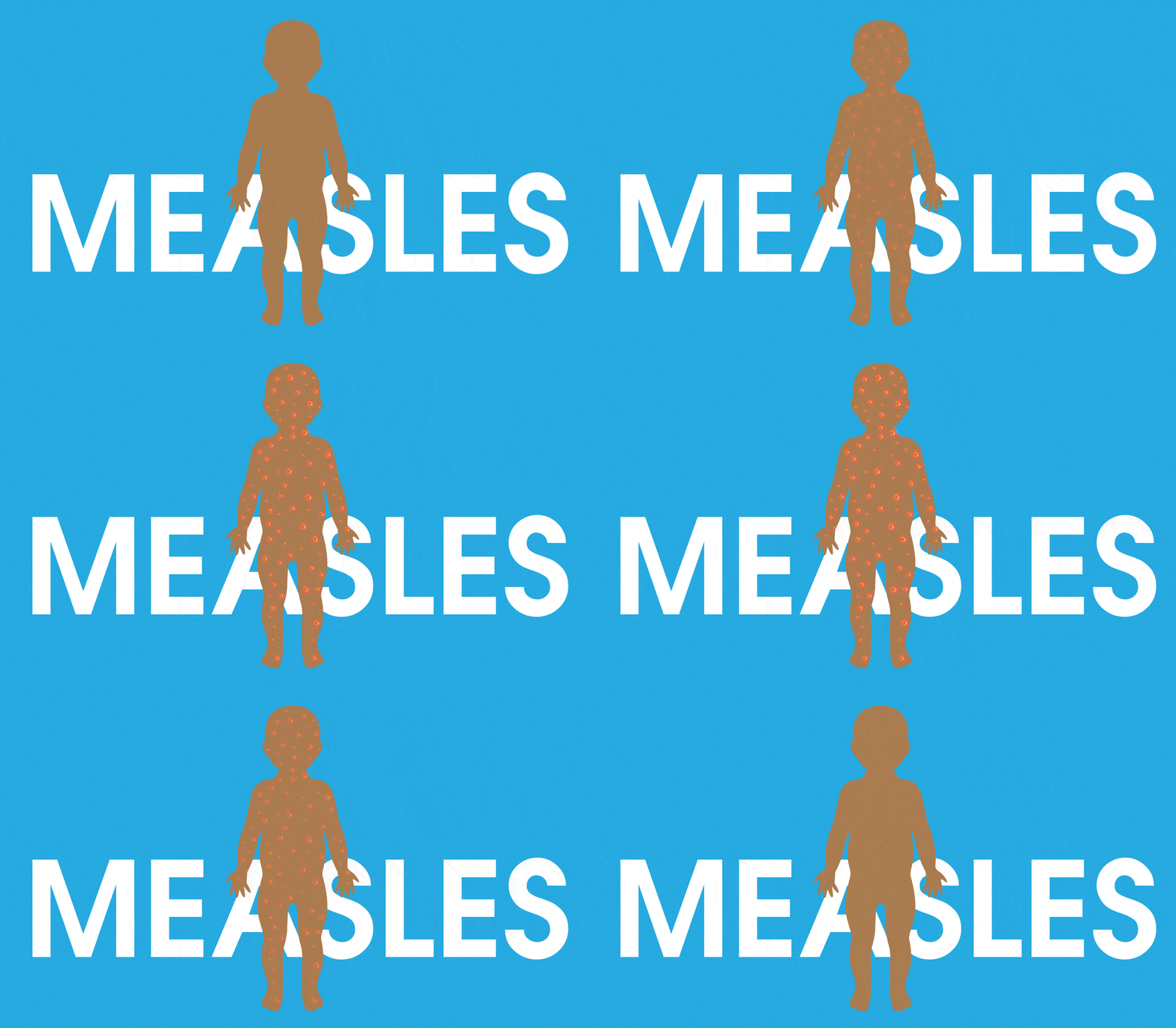
Measles is a highly contagious, serious disease caused by a virus.
According to the United Nations Children's Fund (UNICEF), the number of reported worldwide measles cases increased by 79 percent in the first two months of 2022 compared to the same period last year.
The World Health Organization (WHO) warned that in the region of the Americas and the rest of the world, vaccination was dropping rapidly because of various effects precipitated by the COVID-19 pandemic.
Prevention by routine measles vaccination for children, combined with mass immunization campaigns in countries with high case and death rates, are key public health strategies to reduce global measles deaths. During 2000-2018, measles vaccination prevented an estimated 23.2 million deaths.
Measles is spread by coughing and sneezing, close personal contact, or direct contact with infected nasal or throat secretions. The virus infects the respiratory tract, then spreads throughout the body.
A runny nose, a cough, red and watery eyes, and small white spots inside the cheeks can develop in the initial stage. After several days, a rash erupts, usually on the face and upper neck.
No specific antiviral treatment exists for the measles virus.
Severe complications from measles can be reduced through supportive care that ensures good nutrition, adequate fluid intake, and treatment of dehydration with the WHO-recommended oral rehydration solution.
Antibiotics should be prescribed to treat eye and ear infections, and pneumonia.
All children diagnosed with measles should receive two doses of Vitamin A supplements, given 24 hours apart.
|