The MPE Caribbean Report Newsletter offers travel, tourism, Caribbean and global news weekly. To share stories, information or intelligence, contact us at info@marketplaceexcellence.com. | | Redefining innovation in Caribbean tourism | |
| |
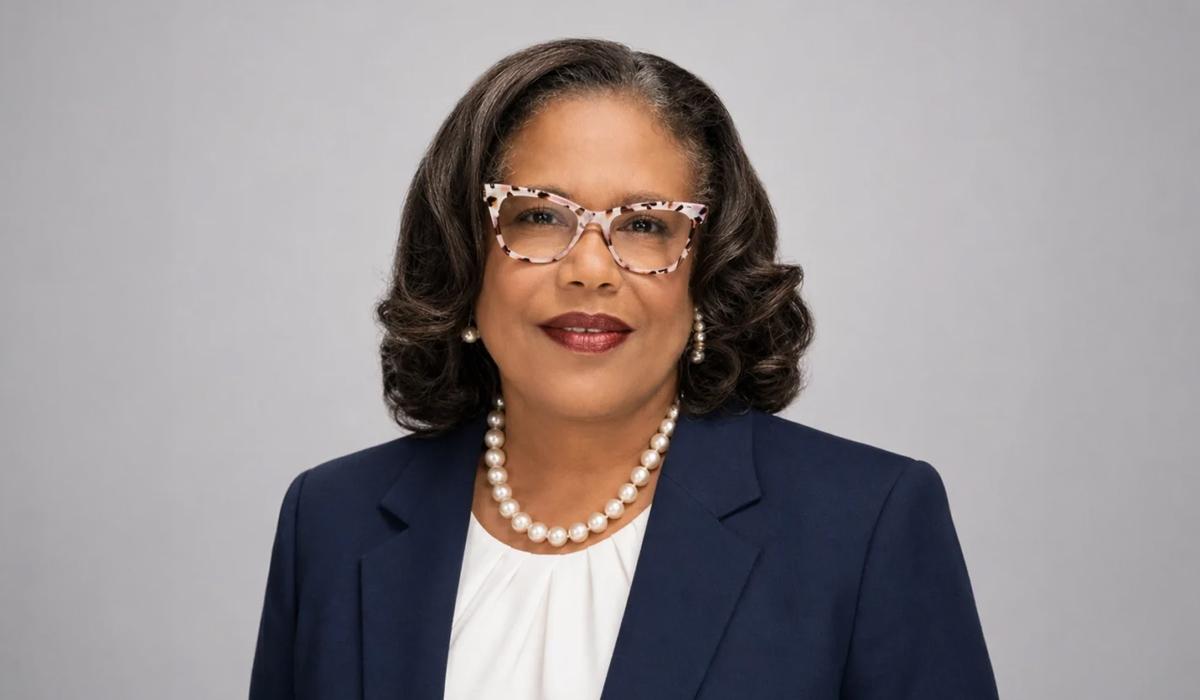
One of the Caribbean’s foremost tourism strategists, Beverly Nicholson Doty, argues that the region’s greatest innovations are not found in artificial intelligence or smart cities but in its leadership in sustainability, resilience and stewardship.
In a thought-provoking blog for the Caribbean Tourism Organization’s (CTO) Allied Member Insights series, the CEO of Figment Marketing and former CTO chairman contends that the Caribbean is already demonstrating a distinctive model of innovation by protecting ecosystems, adapting to climate change and creating authentic visitor experiences.
“Technology isn’t the only way to answer what travelers want. How you steward your resources, how you build resilience, how you adapt to real challenges — that matters just as much,” writes Nicholson Doty.
Citing examples from Aruba’s renewable energy initiatives, Belize’s reef restoration programs and conservation efforts in the U.S. Virgin Islands, the former tourism leader in both the U.S. Virgin Islands and Saint Lucia concludes that the Caribbean “doesn’t need to become the next Silicon Valley. Perhaps it’s already showing the world another model of innovation, one rooted in resilience, sustainability and stewardship.”
| | Partnership powers tourism resilience | |
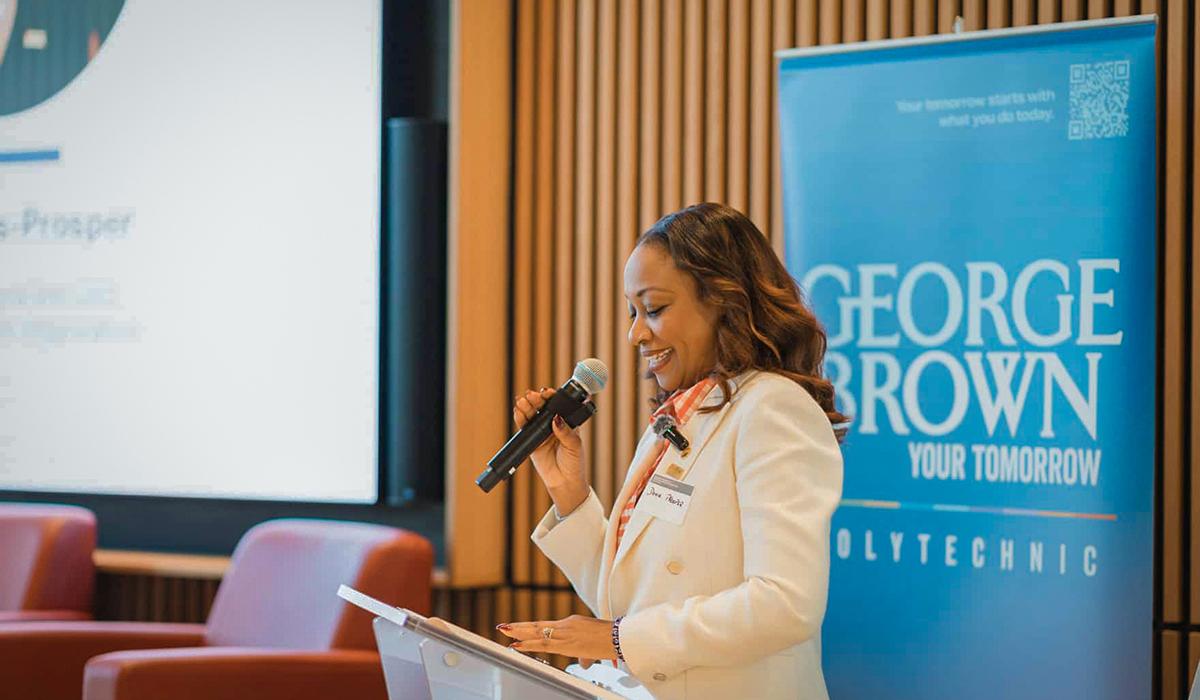
Dona Regis-Prosper in Canada last week | |
The Caribbean Tourism Organization (CTO), in partnership with the Global Tourism Resilience and Crisis Management Centre (GTRCMC) and George Brown Polytechnic, brought together tourism leaders, policymakers, academics and industry stakeholders in Toronto for the Canadian–Caribbean Tourism Resilience Symposium last week.
Held under the theme “Co-Designing the Next Decade,” the symposium explored how stronger partnerships, innovation and strategic investment can help build more resilient and sustainable tourism destinations.
Opening the symposium, CTO Secretary-General and CEO Dona Regis-Prosper reminded delegates that “resilience is not something we create after a crisis. It is something we build every day,” emphasizing that resilience must be embedded in tourism policies, institutions and people.
Jamaica’s minister of tourism, Edmund Bartlett, declared that “the world has changed [and] tourism must change with it,” calling for greater investment in preparedness and a permanent Global Tourism Resilience Fund.
CTO Deputy Director of Sustainable Tourism Narendra Ramgulam stressed the importance of planning before disaster strikes, observing that “Noah didn’t build the ark when the rain started falling; he built it before the first cloud appeared,” while CTO Director of Resource Mobilization and Development Sharon Banfield-Bovell underscored that tourism resilience is ultimately people resilience, urging stronger collaboration among governments, employers, educators and the tourism industry to build a workforce equipped for the future.
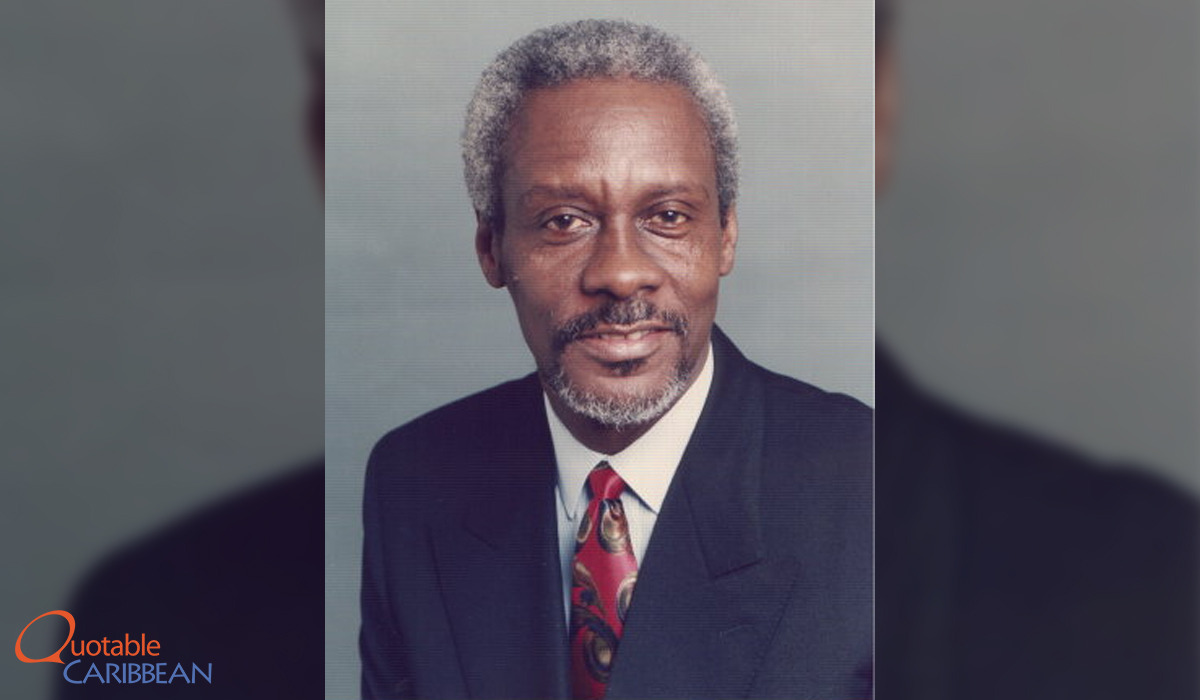
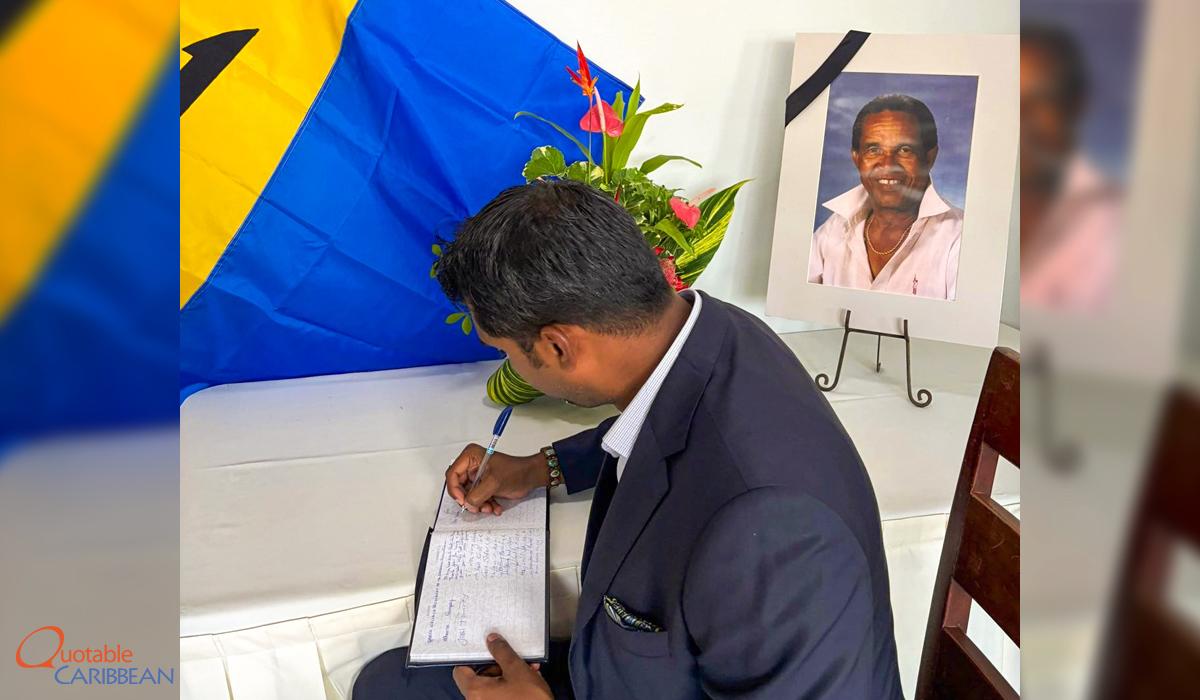
| | “Garfield Sobers is to cricket what William Shakespeare is to drama, isolated in solitary splendor on a stage apart. It was under Sobers’ captaincy that West Indies defeated every competing nation in the world to assert their primacy and eventual domination … At a time of struggle to carve our own space and identity, he was a model of West Indianness. He was the embodiment of grace, humility and generosity who fully understood the unique role of cricket within the process of integration. Throughout the region, wherever he went, he was readily accepted as “one of us” and felt quite at home. This creative virtuoso brought fame, pride and glory to our Caribbean. He was determined to excel and thereby establish that no pinnacle was beyond our reach.” — The Most Honorable P. J. Patterson, former prime minister, Jamaica | | “I signed the condolence book for Sir Garry Sobers today at the Queen’s Park Oval. Ironically, he played his final cricket match at the Oval in 1974. Since his passing, I’ve found myself reflecting on the extraordinary legacy of a man whom I never saw bat, bowl or even met. And I’ve kept asking myself how this towering figure remained a giant to a generation who never saw his greatness. I’ve looked at it through the lens of the 50s, 60s and 70s. More than his cricketing prowess, Sir Garry was a symbol of Caribbean excellence at a time when our nations were decolonizing. More so, shaping our own destiny and identity. Imagine our young islands, five or six years old at the time, boasting of such greatness in the face of England. Sir Garry was, in my estimation, far more important to the Caribbean than just cricket.” — Ryan Bachoo, Trinidad and Tobago journalist, anchor, author | | In case you missed it ... | | |
For Caribbean Tourism Authority highlights this week, click below:
| | “We are going to emancipate ourselves from mental slavery because whilst others might free the body, none but ourselves can free the mind.” — Marcus Mosiah Garvey Jr., Pan-Africanist, orator, publisher, entrepreneur and Jamaica’s first national hero | | |
International Day of the World’s Indigenous Peoples is observed annually on Aug. 9 to recognize the contributions of Indigenous Peoples and celebrate the world’s rich cultural diversity. This year, because Aug. 9 falls on a Sunday, the United Nations will hold its official observance on Aug. 10.
The Kalinago, historically referred to as Caribs, are among the Indigenous peoples of the Caribbean. Their ancestors migrated northward from South America and established communities throughout the Lesser Antilles, including present-day Dominica and St. Vincent and the Grenadines.
The Kalinago lived in the islands long before the arrival of Europeans. Many relied on farming and fishing for their livelihoods and maintained a close relationship with the natural environment. Cassava was a staple food, while their skills as canoe builders and navigators enabled travel and trade between islands.
Following conflicts with British colonial forces in the late 18th century, thousands of Garifuna — descendants of Indigenous Kalinago and Arawak peoples and Africans — were forcibly removed from St. Vincent. Survivors were deported to Roatán, off the coast of present-day Honduras, and Garifuna communities subsequently developed along the Caribbean coast of Central America. Today, they continue to preserve their distinctive language and cultural heritage.
In Dominica, the Kalinago remain an important part of the nation’s cultural identity and continue to preserve their customs, traditions and community life in the Kalinago Territory.
The United Nations established the International Day of the World’s Indigenous Peoples in 1994, 12 years after the first meeting of the U.N. Working Group on Indigenous Populations. This year’s theme, “Honoring Indigenous Midwives: Safeguarding Life and Well-being,” highlights the essential role of Indigenous midwives in maternal and newborn care and the importance of protecting their traditional knowledge.
| |
| | | |