|
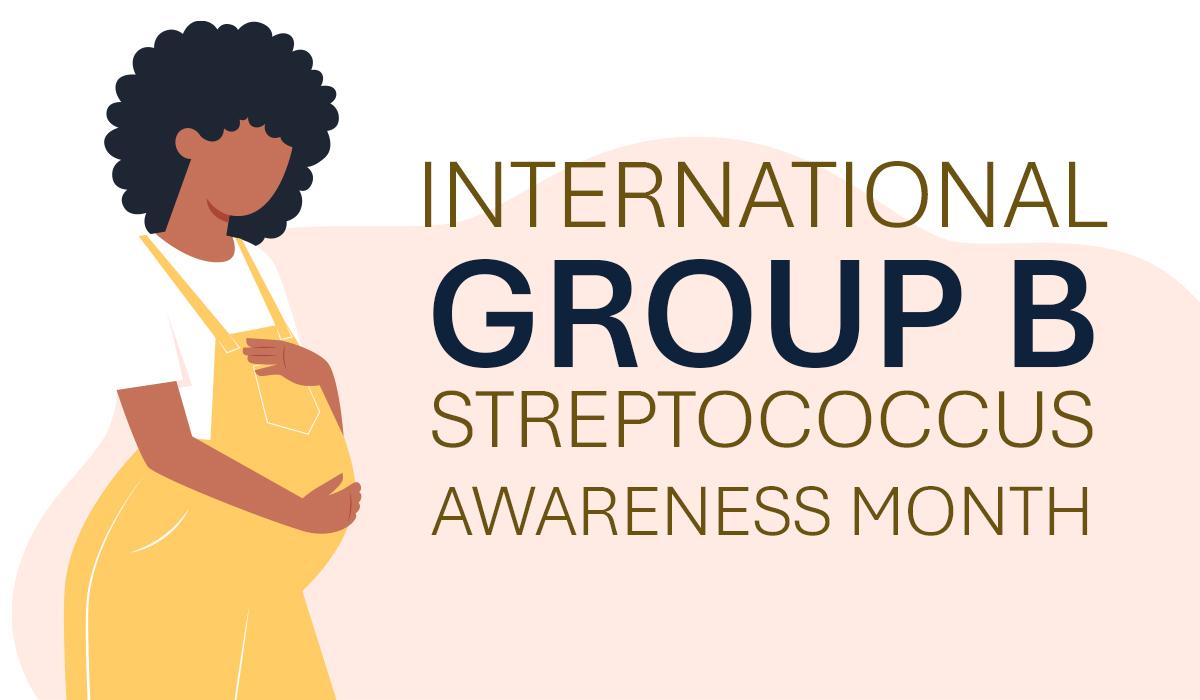
International Group B Streptococcus (GBS) Awareness Month is observed in July to raise awareness about GBS, a common type of bacteria that is often found in the body without causing illness.
While GBS rarely causes problems in healthy adults, it can be passed from a pregnant woman to her baby during childbirth. In newborns, the bacteria can lead to life-threatening infections including infection of the membranes around the brain and spinal cord, lung, and blood stream in infants.
Globally, GBS is associated with more than 500,000 preterm births and an estimated 150,000 stillbirths and infant deaths each year.
Approximately 10–30% of pregnant women carry GBS in their gastrointestinal or genital tract. Among babies born to mothers who carry the bacteria and do not receive antibiotics during labor, up to half may become infected with GBS. Of those infants, about 1–2% percent will develop a serious early-onset GBS infection within the first week of life.
Screening during pregnancy and administering antibiotics during labor to women who test positive for GBS can significantly reduce the risk of early-onset GBS disease in newborns. The World Health Organization’s 2024 guideline recommends offering antenatal screening for GBS between 35 and 37 weeks of pregnancy.
However, antibiotics given during labor do not prevent stillbirths, preterm births or late-onset GBS disease, which occurs after the first week of life.
Researchers are continuing to develop maternal vaccines that could provide broader protection for infants against GBS infection.
|