Volume 64, Issue 1 | January 15, 2023 | |
- EVENTS & ANNOUNCEMENTS - | |
It's Time to Renew Your Membership! | |
|
There are many benefits to renewing your membership with MSHP/MPA, including:
-
Direct access to experts that can answer law and practice questions
-
Networking opportunities with pharmacy professionals, such as complimentary membership in our local county associations and practice sections
-
Free and discounted CE opportunities such as the MPA Annual Convention and Exposition - the state’s largest pharmacy conference
-
Being part of the collective voice advocating for the future of the profession
-
MPA Career Connect, a free service for you and other pharmacy professionals looking for job opportunities
-
Competitive home, auto and business insurance through MPA’s affiliated PSI Insurance Agency
MPA exists for and is effective because of its members. RENEW today to ensure that your benefits are secured and that MPA has the resources to move the mountains ahead for you, for the profession and for patients.
| |
|
Experience the 2023 ACE in Detroit
By Calvin J. Ice, Pharm.D. BCPS, BCCCP
| |
|
This year, the Michigan Pharmacists Association (MPA) Annual Convention & Exposition (ACE) will be held in person from Friday, Feb. 24 to Sunday, Feb. 26 at the Detroit Marriott at the Renaissance Center. Live continuing education (CE) credit will be offered for a total of 15 hours.
The keynote speech Friday afternoon will be given by Al Carter, the executive director of the National Association of Boards of Pharmacy and Charlie Mollien, the former chair of the Board of Pharmacy. In addition to educational programming, there will be a cocktail reception and awards banquet in the evening on Saturday.
ACE will conclude with the MPA House of Delegates on Sunday.
Learn more and register today at MPA's ACE website.
| |
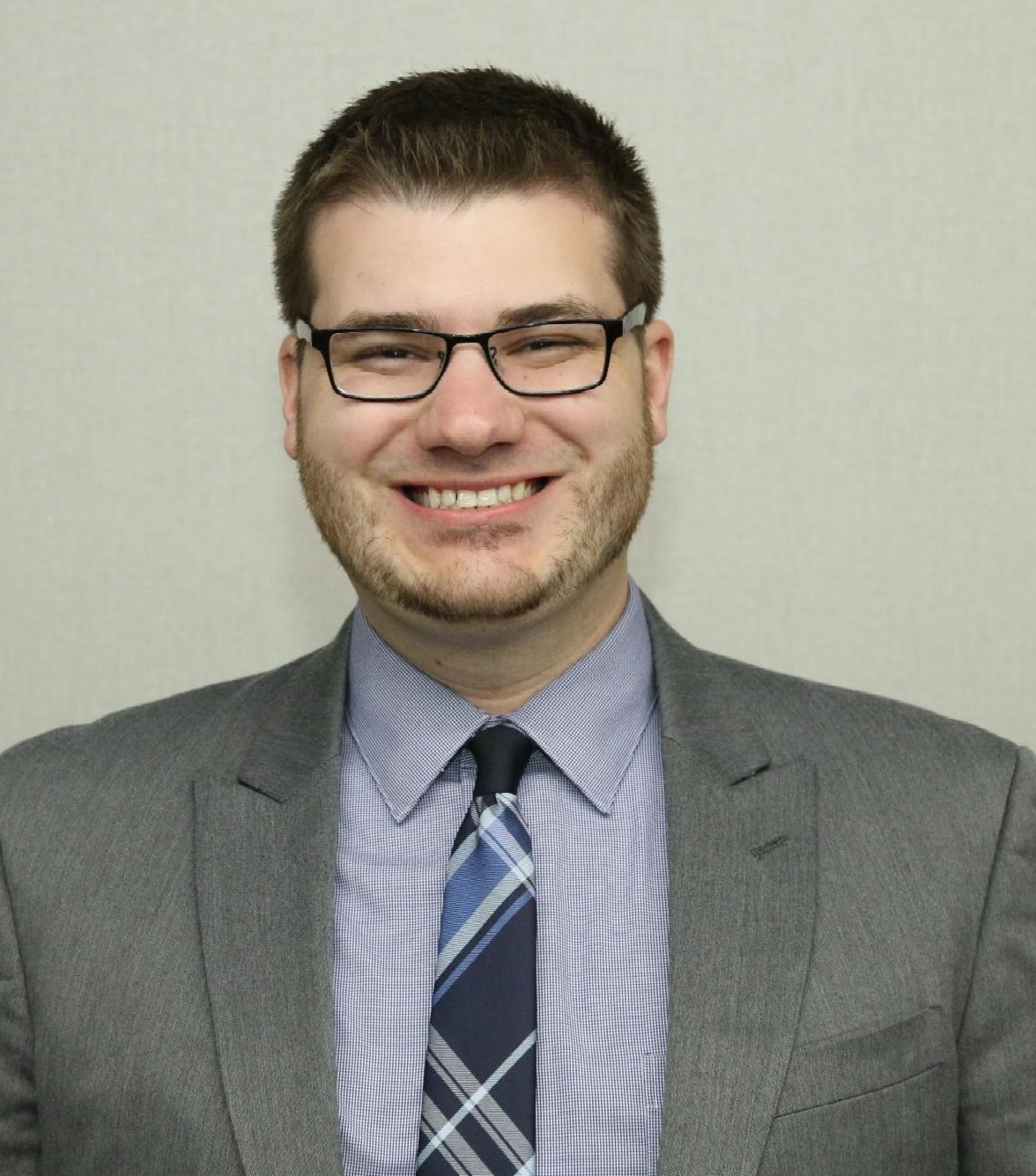
Treat the Patient, Not the Numbers
Kyle J. Schmidt, Pharm.D., BCCCP,
Ferris State University College of Pharmacy, MSHP President-Elect
| |
|
It’s a simple statement with a potentially profound impact: “Treat the patient, not the numbers.” However, healthcare professionals find ourselves constantly battling to focus on patient-centered improvement.
I have little doubt that we have all experienced this at some point in our careers. For many patients, the loss of precision associated with unnecessary excess generated by a “numbers first” strategy might not cause issues. However, for patients battling with external and frequently uncontrollable circumstances that dictate portions of their health, this loss in precision could be the sole reason we lose the opportunity to connect to that patient, destroying the opportunity to impact their lives positively.
Michelle Dehoorne, president of the Michigan Society of Health-System Pharmacists (MSHP), has focused MSHP’s activities on addressing health-related social needs (HRSN) to optimize medication use. I am by no means an expert on social determinants of health (SDOH) or HRSN, nor do I have a profound “go get ‘em” story to share and motivate you to change the world. Many of you may be in a similar position, while many are seasoned experts. Tackling an issue as far-reaching as this is a tall task. However, my hope is to share insights I have gained on my journey thus far to start with smaller bites and begin to position our profession to mitigate negative consequences of SDOH.
Several resources are available as an excellent starting point for gaining a better understanding of SDOH. A two-part series on pharmacists’ role in addressing health disparities was published in January 2022 in the Journal of the American College of Clinical Pharmacy. There is great introductory information, as well as strategies to move toward health equity, which I found to be very detailed and helpful.
More specific strategies are presented in the Pharmacy Quality Alliance guide on SDOH services that improve the quality and safety of medication use. The sheer number of factors that are contributing is staggering. Even further, when considering how to remove those factors effectively, it is clear why many practitioners are quickly overwhelmed and need help finding a starting point. Ideally, I hope our society can altogether remove these factors over time. Until then, a more immediately beneficial perspective would be to focus on how to mitigate the negative impact of these factors.
While there are many potential targets for addressing SDOH, I found a clear overarching theme – connection. A recent report found that 72 percent of adults experienced discrimination multiple times in the health care system, which works directly counter to our need to establish an authentic connection with patients. The importance of a connection with our patients, especially those battling SDOH, is imperative and has been linked to better health outcomes. We’ve all fallen victim to the “well, that’s not how the guidelines say to treat this” discussion and frequently used those guidelines to advocate for what we believe best.
However, the guidelines frequently do not consider SDOH. We must go beyond surface-level recommendations and take the time to hear and understand our patients to discover what is truly affecting their health. Asking simple questions such as “Are the costs of your medications OK?” can go a long way to discovering barriers to care. Sometimes we may need to take our health professional hat off and focus on interacting with our patients as human beings, getting to know them personally just like we would our neighbor or coworker. If you establish a genuine connection with patients, opportunities to improve their health as a professional will follow.
We know how to address medication therapy issues. We can optimize medications to achieve therapeutic endpoints. However, we can’t address the issues we don’t know. Become aware of your personal biases and don’t allow assumptions to guide your practice. I challenge each of you to take the time to truly get to know your patients and unearth their true barriers. Only then will you be able to truly treat the whole patient and not just the numbers.
| |
|
Dashboard Use in Ambulatory Care: Where Do We Go Next?
By Tiffany Jenkins, Pharm.D., BCACP
and Nada M. Farhat, Pharm.D., BCPS, BCACP
| |
|
Ambulatory Care pharmacy practice is continually evolving and expanding. As a result, the need to evaluate performance, manage productivity and strengthen focus is key to success. One of the tools commonly used to complete these activities are dashboards. The MSHP Ambulatory Care Committee has been committed to providing our members with resources to assist in understanding, developing and utilizing dashboards.
Over the past several years, the MSHP Ambulatory Care Committee has created the following tools for members seeking assistance to understand dashboards better:
-
Survival Guide: a comprehensive document focused on ambulatory care practice essentials from developing a new practice, collaborative agreement creation, billing and monitoring performance.
- An entire section of the document is devoted to “Quality Metrics and Dashboard Development.”
- Examples of tools, resources as well as key stakeholders to involve when creating a dashboard are included.
- Using dashboards for patient identification and outcomes tracking (clinical, humanistic, productivity, utilization and financial) are reviewed in detail.
-
MSHP Monitor Articles: in 2020-2021, a series of articles and podcasts were created to highlight key viewpoints of dashboard creation, development, and use. Click the links below to read/listen!
-
Introductory Article: Developing a Meaningful Ambulatory Pharmacy Quality Metric Dashboard
-
Podcast 2: Ambulatory Care Pharmacist’s Day-to-Day Use of Dashboards
-
Podcast 3: Using Dashboards to Expand Practice Leadership Perspectives
While dashboards can be useful for leadership and care team evaluation of patient identification for programming and to evaluate key program outcomes, they can be challenging for pharmacists and organizations to develop and maintain. Common barriers to dashboard utilization include:
- Potential limitations of information technology and electronic health records to discretely pull required data elements
- Lack of organizational understanding or support of ambulatory pharmacy practice, leading to limited resource allocation to build dashboards.
- Challenge to attribute clinical, financial and other performance outcomes directly to the activity of a pharmacist given the advancement of team-based care settings
- Variable focus areas and the absence of standardization across organizations of ambulatory pharmacy practice lead to an inability to share best practices and implementation strategies.
When developed and utilized, dashboards can be beneficial tools for ambulatory care pharmacy practice despite potential limitations and barriers. To better support the MSHP members, the Ambulatory Care Committee is seeking your feedback on desired tools, resources, and opportunities you would be interested in.
Please take the MSHP Dashboard Survey. It should take no more than five minutes of your time. It will give the Committee invaluable insight to plan the next steps, identify the current state of membership related to dashboard use and highlight key interest areas for future education/resources.
| |
|
What Does MSHP Committee Involvement Mean To Me?
By Jasmine Patel, Pharm.D., BCPS, clinical pharmacist generalist-operating room, surgery, cardiology, Michigan Medicine-University of Michigan, Ann Arbor
| |
|
When I first joined the Michigan Society of Health-System Pharmacists (MSHP) as a PGY1 resident, I did not actively participate beyond the minimum requirements of my program. When I joined Michigan Medicine-University of Michigan, I noticed the sense of pride that came with being involved in the Michigan Pharmacists Association (MPA)/MSHP, with team members being former presidents and serving on the MSHP Board of Directors. When I was asked in the fall of 2019 if I was interested in joining an MSHP/MPA committee, I completed the application and was invited to serve on the MSHP Membership Committee.
On Jan. 9, 2020, I attended my first MSHP Committee Day, which changed my life. I got to catch up with former residency preceptors and residents. Most importantly, I had the opportunity to meet and work with new pharmacists, technicians and students from different institutions. I found pride in the involvement and importance of working with my committee members on our charges for the year.
Since my first committee day, I have served as co-chair of the MSHP Membership Committee for the last two years. I have watched students and residents grow as practitioners. I have seen myself grow as a practitioner and wanting a more active role in the organization because I am proud that our committee works hard to tackle our charges for the year. For anyone thinking about joining a committee, I would say go for it because you will meet people who are there to cheer you on from all over the state.
| |
|
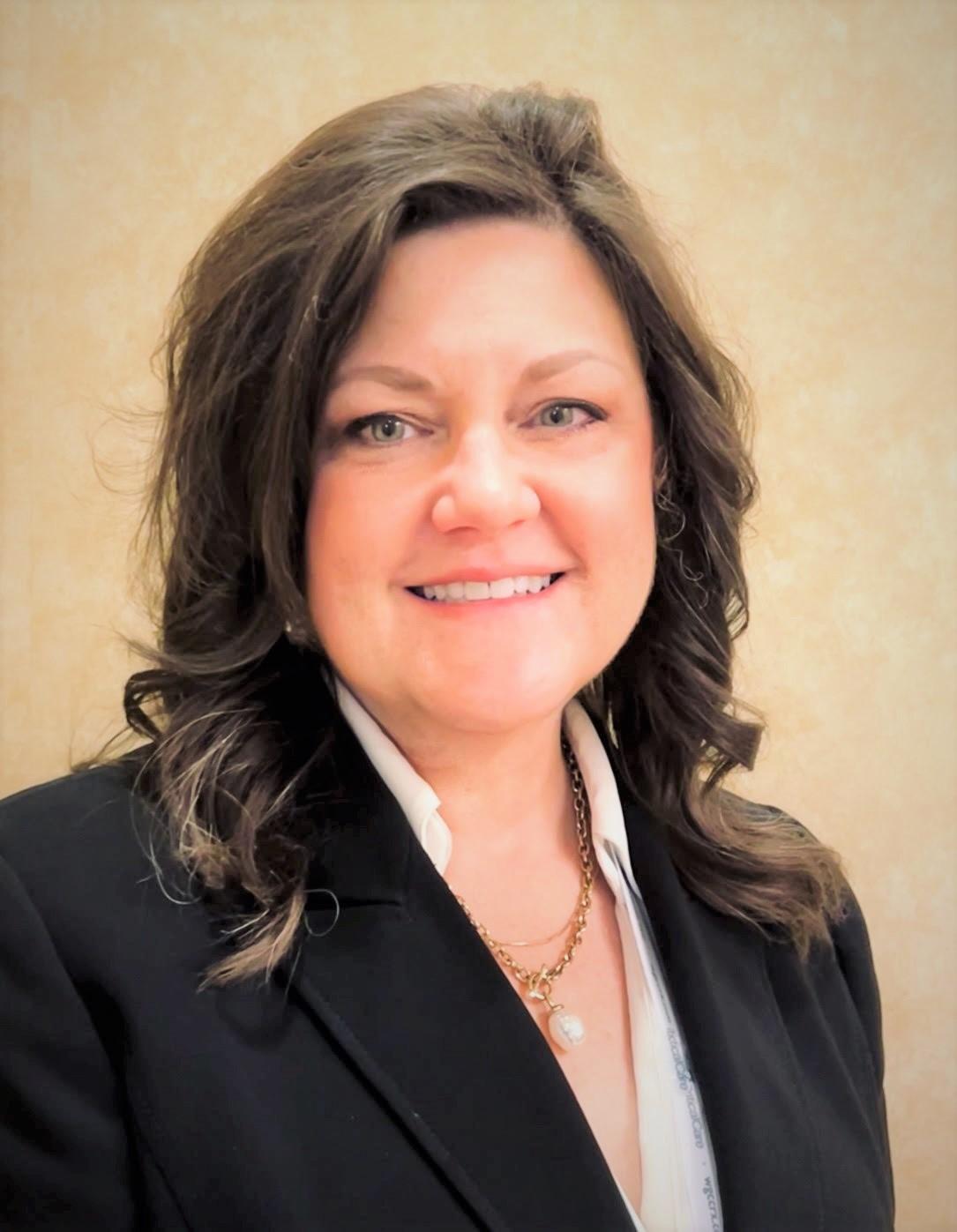
Michelle Dehoorne, Pharm.D., MSHP president
Michelle Dehoorne, Pharm.D., is president of the Michigan Society of Health-System Professionals (MSHP) and is the director of Pharmacy at Ascension St. John Hospital, Ascension River District Hospital and Ascension Southeast Michigan Oncology Infusion Center Pharmacy Services.
She has been an MPA/MSHP member since 2008.
| |
|
Describe Your Role/Day in the Life: I have the privilege of working side-by-side with an energetic, creative, and talented team of pharmacists and pharmacy technicians in two Ascension hospitals and multiple infusion centers across southeast Michigan. I believe my primary role is to create a culture of inclusion and support my colleagues to bring out the best in my team daily. I strive to accomplish this by showing appreciation, encouraging creativity, facilitating teams and inspiring creative solutions to clinical and operational demands, work environment challenges and staff and drug shortages.
Why You’re an MSHP/MPA/MSPT Member: Being a member of MSHP allows me to work together with and gain inspiration from other Michigan pharmacists to continue to expand and improve the role of pharmacists, our practice and the care we provide our patients. This includes having the opportunity to work with the MSHP committee members in creating toolkits. We offer solutions/examples to help other healthcare facilities start or expand their residency programs, ambulatory care and transitions of care program. We do this to provide more opportunities in Michigan to advance the training of new graduates and to advocate for our profession by educating our community and legislatures on the value, impact and array of roles pharmacists can provide to improve the care of all patients in Michigan.
Recent Accomplishments: I am excited to have received the vote of confidence from our MSHP members to serve as its president. This is a great honor and opportunity to serve MSHP and Michigan pharmacists in a new way. During my presidential year, my goal is to improve our understanding of the impact of social determinants of health (SDOH) while identifying and advancing strategies to bridge the gap of health-related social needs (HRSN) that impact medication management and patient outcomes. This is an area of passion for me and my Ascension St. John team.
We identified ways to bridge the gap during the pandemic by assuring fast and equitable access to COVID-19 therapies. To facilitate equitable distribution of monoclonal antibodies (mAb) during the early period of the pandemic, my small team kick-started the creation of an outpatient mAb clinic. It launched a telephone outreach program for all patients with positive COVID-19 tests performed within our regional laboratory. In a retrospective cross-sectional analysis of these patients, we determined that a strategy of telephone contact after a positive COVID-19 test, in addition to urgent care referrals, resulted in a relatively fair distribution of mAb therapy — capturing patients without primary care physicians. No socioeconomic characteristics were associated with the receipt of mAb therapy and patient demographics reflected their respective zip code. This program was further expanded with the advent of an electronic physician referral form facilitated by the pharmacy team. At the advent of oral antiviral therapies, the referral form was expanded with an algorithm of questions to help providers safely prescribe and increase use of oral antivirals over mAb therapy, further improving access to those who were homebound. Simultaneously, we partnered with the Michigan Department of Health and Human Services (MDHHS) to dispense Paxlovid in the Emergency Department to eligible patients, ensuring access at the point of care. Recognizing a gap in Wayne County access, the partnership was expanded to include Ascension Retail Pharmacies, the first community pharmacies outside of select Meijer facilities dispensing oral antivirals.
How MSHP/MPA Has Helped You Achieve Any Accomplishments: Every time I attend a meeting or network with other MSHP members, I am inspired and excited to return to my practice setting to share and incorporate these new experiences, ideas and strategies into our practice model to advance patient care.
| |
|
Capital Area Pharmacists Association Regional Society Update
By Tim Ekola, B.S. Pharm., Pharm.D., MBA, MSHP Board Liason
| |
|
The Capital Area Pharmacists Association would like to congratulate the 2023 CAPA Executive Board team:
- President: Susan Benivegna
- President-Elect: Todd Belding
- Secretary: Sarah Eagleston
- Treasurer: Curtis Smith
- Executive Board Members: Sandy Campbell, Diana Cooper, Cathy Edick, Rachel Griffioen, Jule Terenzi and Stacey Pearl
Pharmacy Week Recap
CAPA hosted the annual Wits & Wagers event Oct. 18 at the Sparrow Professional Building, providing continuing education for both pharmacists and pharmacy technicians. Topics included weight management, Parkinson’s disease, antiplatelet therapy in stroke and treatment options for clostridioides difficile (c. diff).
CAPA Fundraiser
CAPA raised more than $250 for the CAPA Scholarship fund at its Oct. 24 fundraiser at Culver’s in Okemos.
Community Service
During Pharmacy Week, members visited Burcham Hills, a retirement community in East Lansing, and provided short presentations on medication safety, fall risk prevention, stroke and COVID-19 vaccine boosters. Thanks to Peggy Malovrh, Susan Benivegna, Heather Schalk and Kelli Cotter for their leadership. CAPA Members also provided and served a meal at the Advent House Oct. 29.
|  | |
CAPA member Heather Schalk speaks at Burcham Hills. | |
CAPA E-board members Curtis Smith, Susan Benivegna, Peggy Malovrh, Chris Norello and Stacey Pearl are pictured at Advent House Oct. 29. | |
|
2022 CAPA Scholarship Winners
CAPA is proud to announce the winners of the $500 CAPA Scholarships for 2022:
-
Phu Ho is a P2 at Ferris State University. She is president of Diversity in Pharmacy, fundraising chair in the American Arab Pharmacy Association and a member of Phi Lambda Sigma and Kappa. She plans to become a hospital pharmacist.
-
Kameron Stoddard has an undergraduate degree in neuroscience and is currently a P1 at Ferris State University. He is class president and a member of the American Pharmacists Association. He would like to work as a hospital pharmacist or a clinical pharmacist specializing in CNS drugs.
Future Events
The CAPA Executive Board will meet in early September to plan future events; however, some have already been planned for 2023, including the following:
-
Jan. 31 – Poison Prevention CE
-
Dec. 8 – Annual Law CE
-
Dec. 31 – Dinner to be served at the Advent House
Anyone interested in joining CAPA and becoming more involved can visit capapharm.org.
| |
|
Upgrade Your Bandwidth:
Taking Advantage of Technology When Precepting
By Marilen C. Martinez, Pharm.D., BCPS, Henry Ford Macomb Hospital, Information Technology Pharmacy Specialist, Residency Coordinator
| |
|
Preceptors want to provide an impactful learning experience for trainees, whether it is during a rotation, overseeing a project or a mentorship. However, precepting on top of normal work responsibilities can be overwhelming. This can be due to lack of organization, poor communication and lack of innovative resources. Utilizing technology can help overcome some of these barriers.
A shared electronic calendar can help the preceptor and the trainee stay organized in real time for deadlines and meetings. Both users can add their meetings and obligations that are outside of rotation — which can improve communication on when they are unavailable — and provides an overview of the workload each person may have. The preceptor can also block off specific times to meet with trainees. This helps the trainee know when they should be prepared to meet and it sets realistic expectations for both parties as to what can be accomplished in that timeframe.
Preceptors and trainees can also take advantage of shared folders and documents on a cloud or shared drive. Preceptors may choose to have a shared folder containing templates, such as patient work-up forms, notes, topic discussions, journal clubs, or presentations. This can help provide guidance to the trainee on work expectations. A shared folder also helps to centralize any required readings or references for trainees.
In addition, instead of historically emailing back and forth with the inevitable ‘DRAFT1’ or ‘FINAL’ in the subject line, shared folders can create one space where the most up-to-date files can be kept. It allows all parties to work from one document in real-time, as opposed to determining which document in their email is the most recent and making changes when those changes were already completed. If working at the same institution, the ‘@’ symbol can be added with a person’s name in a comment within the document. This will bring attention to other contributors and automatic emails will be sent notifying them that their input is needed.
Although not necessarily a technology hack, preceptors can recommend social media accounts that are made to help bridge knowledge gaps. For example, on Instagram, the account @thecheatsheets shows tips and tricks when modifying Excel spreadsheets and the account @data_analysis_statistics provides overviews of statistical analyses frequently seen in medical literature. Twitter accounts, such as the SCCM Clinical Pharmacy and Pharmacology Section and ACCP PRN accounts provide alerts and overviews of new publications.
Accounts like these can be very informational and still provide a humorous pharmacy meme.
| |
|
OFFICERS
PRESIDENT | Michelle Dehoorne | (313) 343-6381 | Ascension, Detroit
PRESIDENT-ELECT | Kyle Schmidt | (616) 685-6675 | Mercy Health St. Mary's, Grand Rapids
IMMEDIATE PAST PRESIDENT | Shawna Kraft | (734) 232-6667 | Michigan Medicine, Ann Arbor
TREASURER | Marc Guzzardo | (810) 606-6095 | Ascension, Detroit
EXECUTIVE VICE PRESIDENT | Edward Szandzik | (313) 587-6279 | Detroit
DIRECTORS
Stacy Brousseau | (269) 341-7407 | Bronson Methodist Hospital, Kalamazoo
Diana Kostoff | (313) 725-7925 | Henry Ford, Detroit
Nada Farhat | nmhammou@med.umich.edu | Michigan Medicine, Ann Arbor
Julie Schmidt | (989) 450-6695 | Bronson Methodist Hospital, Kalamazoo
REGIONAL SOCIETY REPRESENTATIVES
CENTRAL | Tim Ekola | (734) 845-3418 | VA Ann Arbor Healthcare System
NORTHERN | Miranda Maitland | mirandapmaitland@gmail.com | My Michigan Medical Center, Sault Ste. Marie
SOUTHEASTERN | Jessica Jones | (313) 982-5737 | Beaumont Health, Detroit
WESTERN | Shelby Kelsh | shelbyKelsh@ferris.edu | Ferris State University, Big Rapids
MANAGING EDITOR | Ryan Weiss | (517) 377-0232 | Michigan Pharmacists Association, Lansing
| |
The MSHP Monitor is a publication of the Michigan Society of Health-System Pharmacists, published as a service to its members.
Michigan Society of Health-System Pharmacists - An Affiliated Chapter of the American Society of Health-System Pharmacists and a Practice Section of the Michigan Pharmacists Association
| | | | |